
From the summer of 1940, shortages set in. The occupier requisitions, imports collapse, and rationing is introduced: bread, butter, meat and coal are doled out in dribs and drabs against coupons. For many families, the official rations are not enough to eat properly.
Alongside the legal circuit, a black market quickly develops: goods sold without coupons, at high prices, by farmers, middlemen and traffickers. To obtain supplies there makes it possible to eat one's fill, but it is illegal, costly, and it fuels speculation to the detriment of the poorest.
For you, the choice is a daily one. To keep to the official rationing, out of civic duty and for lack of means, at the risk of hunger. To resort to the black market to feed your children, despite the cost and the illegality. Or to try to produce for oneself — a vegetable garden, the clandestine raising of rabbits or hens, bartering with farmers. Food survival becomes one of the central preoccupations of the occupation.
Should our mother keep to rationing, resort to the black market, or produce for herself?
In practice, families above all combine B and C: the black market and making do become indispensable, for the official rations are notoriously insufficient. "Provisioning" becomes the obsession of daily life under occupation; vegetable gardens, clandestine animal-raising, expeditions to the countryside and bartering become widespread. The black market enriches a few profiteers and widens inequalities, with the poor of the towns suffering most. This economy of shortage, which will last throughout the war, will profoundly shape the experience of the occupation — between solidarity, resourcefulness and resentment towards the speculators.
Learn more about this event
Related polls
10
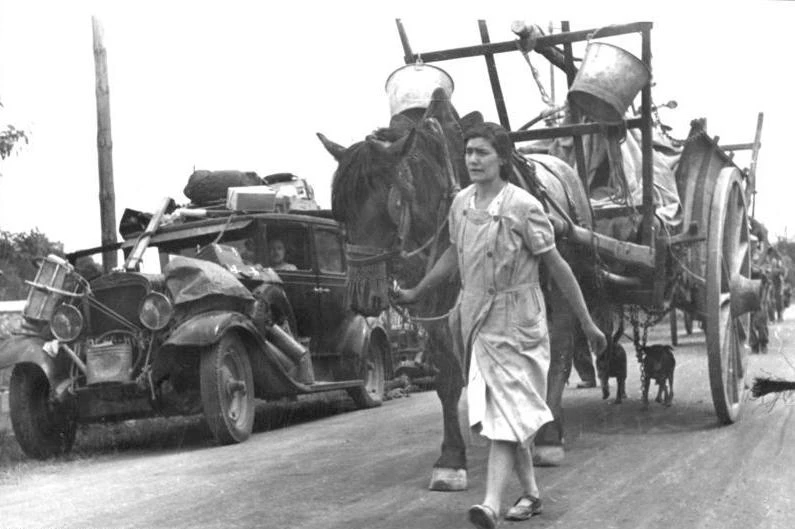
The Repatriation of the Refugees
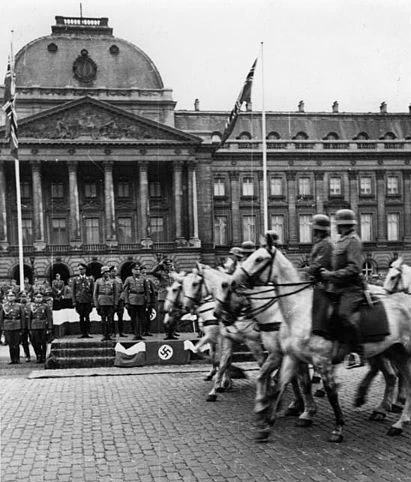
Going back to work under the occupier
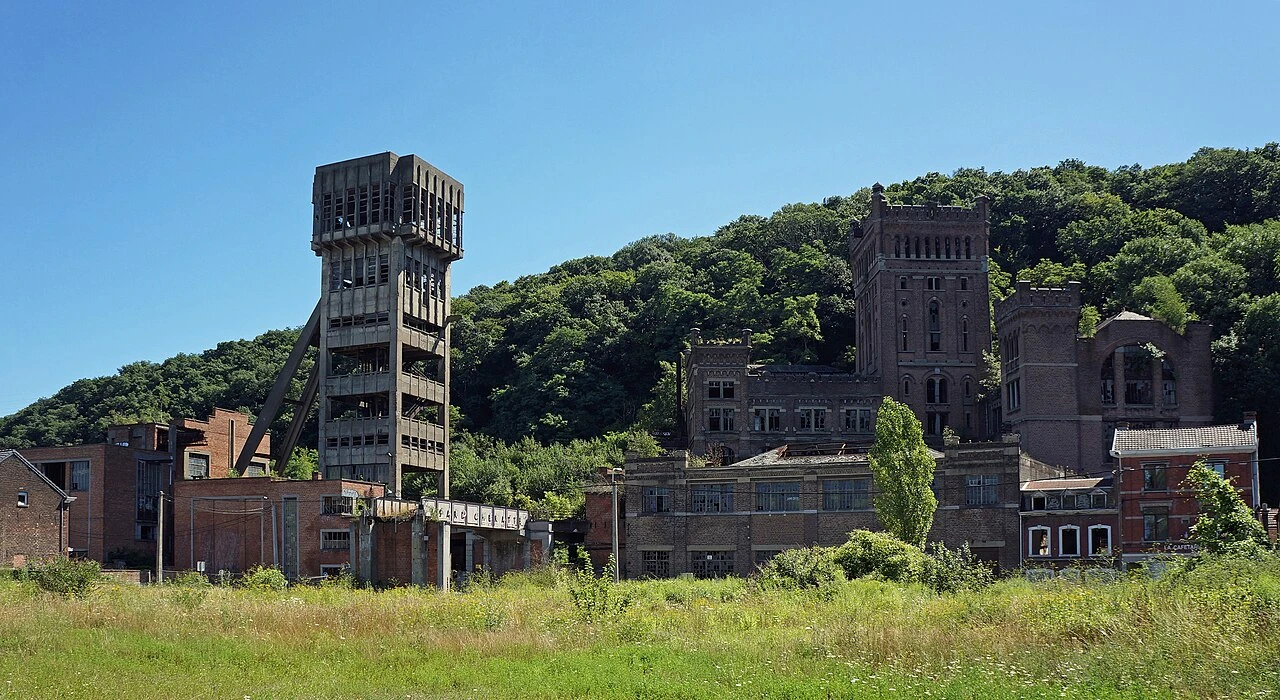
Campine Coal and the Hunger of Year One

The Red Cross and the Missing
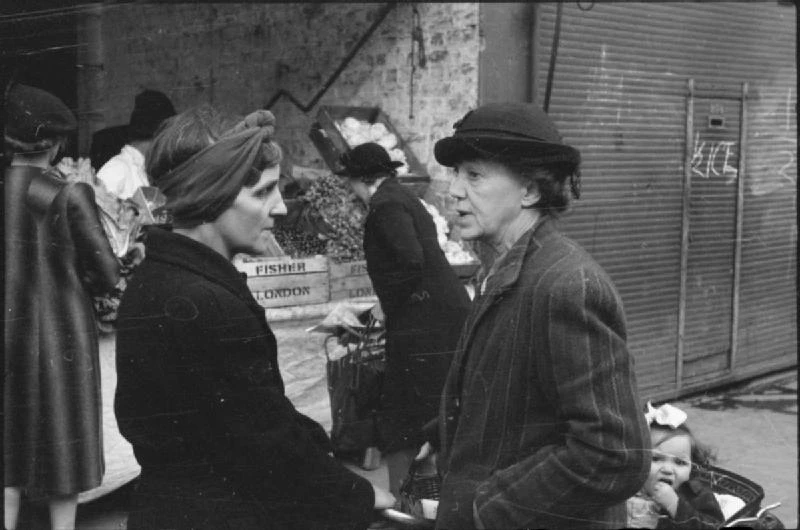
The Minister, the Fleet and the Empty Plates
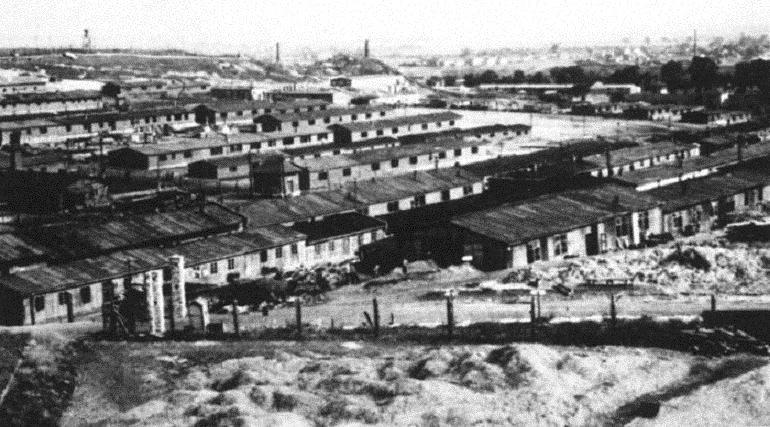
The Upper Silesian Pole Subjected to Forced Labour

The burgomaster faced with requisitions
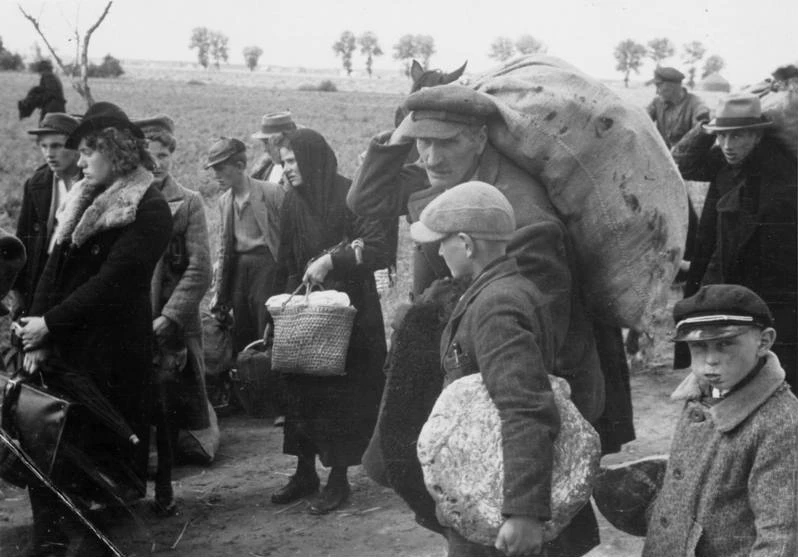
The Warsaw Student and the Black Market
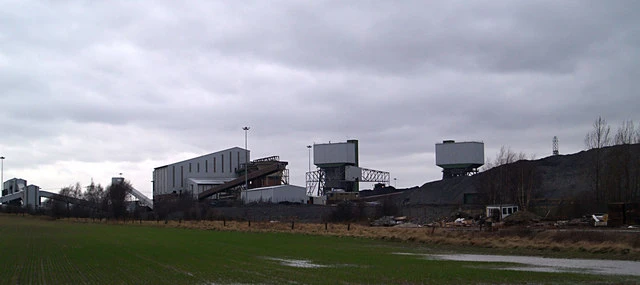
British Coal for the Winter of 1939
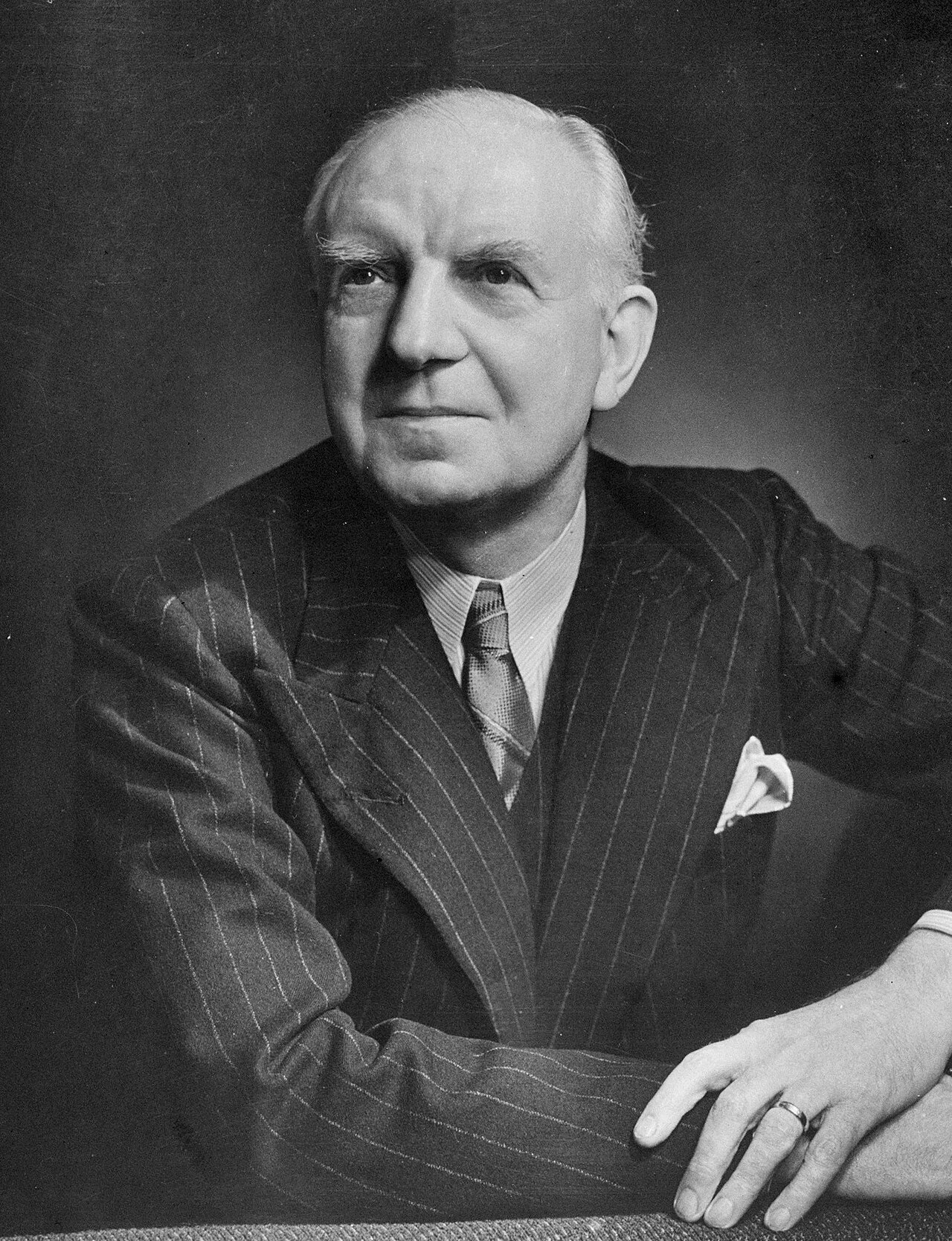
British rationing put to the test in 1941
The Repatriation of the Refugees
Going back to work under the occupier
Campine Coal and the Hunger of Year One
The Red Cross and the Missing
The Minister, the Fleet and the Empty Plates
The Upper Silesian Pole Subjected to Forced Labour
The burgomaster faced with requisitions
The Warsaw Student and the Black Market
British Coal for the Winter of 1939