
Mannerheim — the order facing Viipuri
Marshal , 72, has commanded the Finnish army since the outbreak of the Winter War on 30 November 1939. For more than fifteen weeks, his troops have inflicted appalling losses on the in the cold and the forests, but the Soviet noose has tightened.
On the Karelian Isthmus, the Finns have fallen back on their rear line after abandoning the intermediate line in mid-February. In early March, the Gulf of Viipuri (Vyborg) remains frozen: taking advantage of this unusual ice, the attacks the coast beyond the fortified islands, where Finnish garrisons gain hour after hour. Thirty Soviet divisions, more than a thousand tanks and a thousand aircraft press the city. Finnish radios are cut, units fight in isolation, and shells run short.
Viipuri is the country's second city and the last card Finland can play at the negotiating table in Moscow. In Helsinki, the Finnish delegation discusses Molotov's draconian terms. On the front, Mannerheim must decide the fate of the Viipuri line as the war draws to a close.
Marshal, will you order withdrawal from the Viipuri line while peace is being negotiated?
Mannerheim held to B to the end: he clung to Viipuri, the last diplomatic lever, while his men fought in the bay a battle as bloody as Summa. The resistance of the island garrisons and the suburbs bought Helsinki precious time. But the Finnish army was beyond breaking point — no more artillery ammunition, worn-out rifles, units reduced to fractions. On 12 March 1940, the delegation accepted Soviet terms in Moscow; the treaty was signed in the early hours of 13 March and the ceasefire took effect at noon. Finland ceded the Karelian Isthmus and Viipuri — roughly 10% of her territory and 12% of her population. Of some 200,000 combatants, she lost 25,000 dead; the USSR perhaps 250,000. In his farewell order, Mannerheim saluted an army "undefeated."
Learn more about this event
Related polls
10
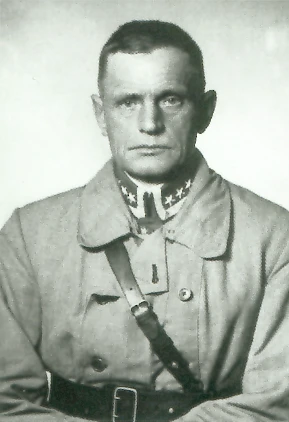
Gudbrandsdal — Ruge imposes his line
"Cromwell" — England, 7 September 1940
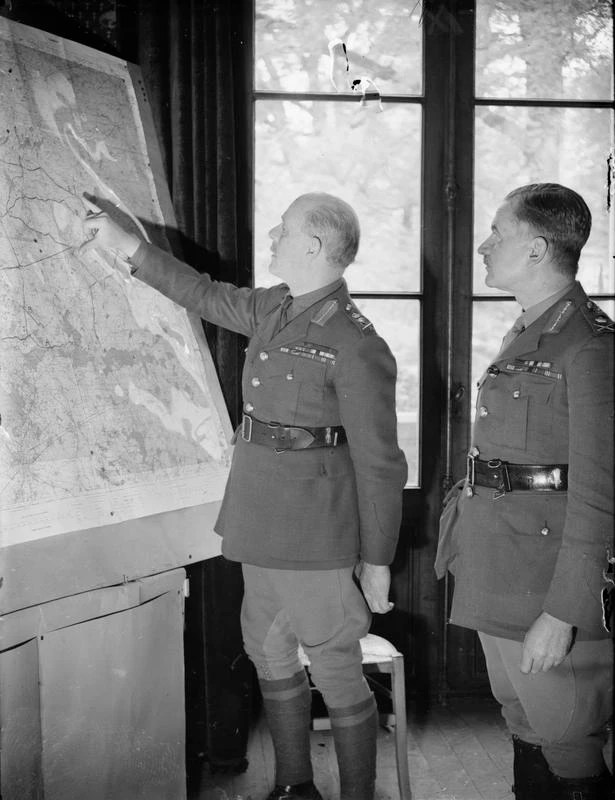
Gort at Habarcq — trust in the French plan
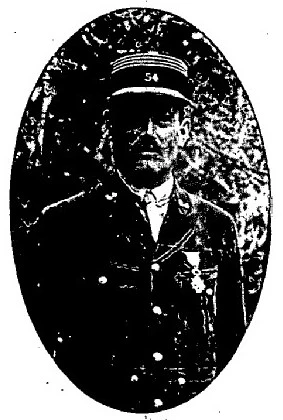
Touchon on the Aisne — Fall Rot
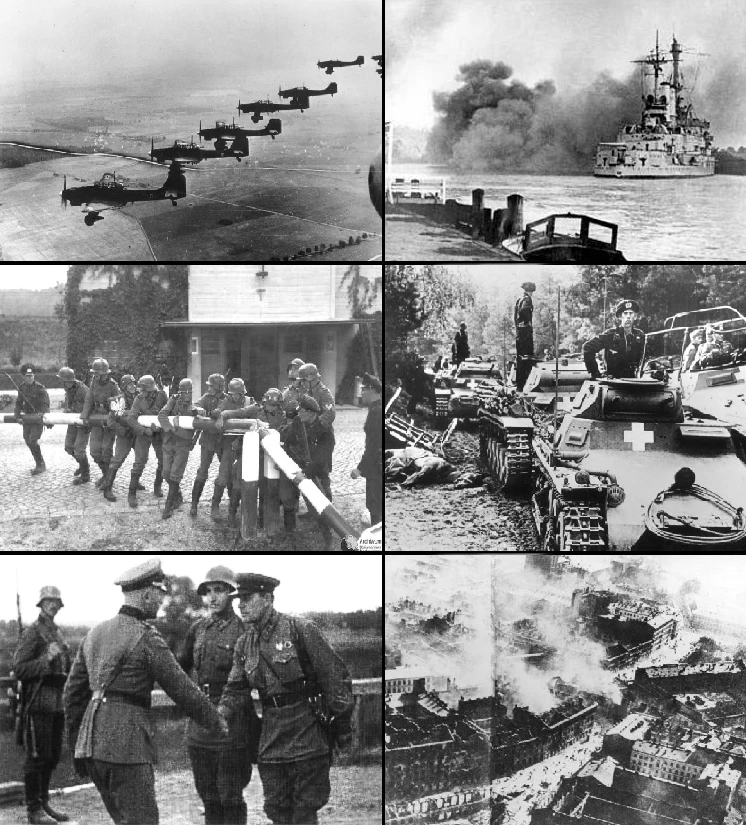
The Polish Army and the Deployment
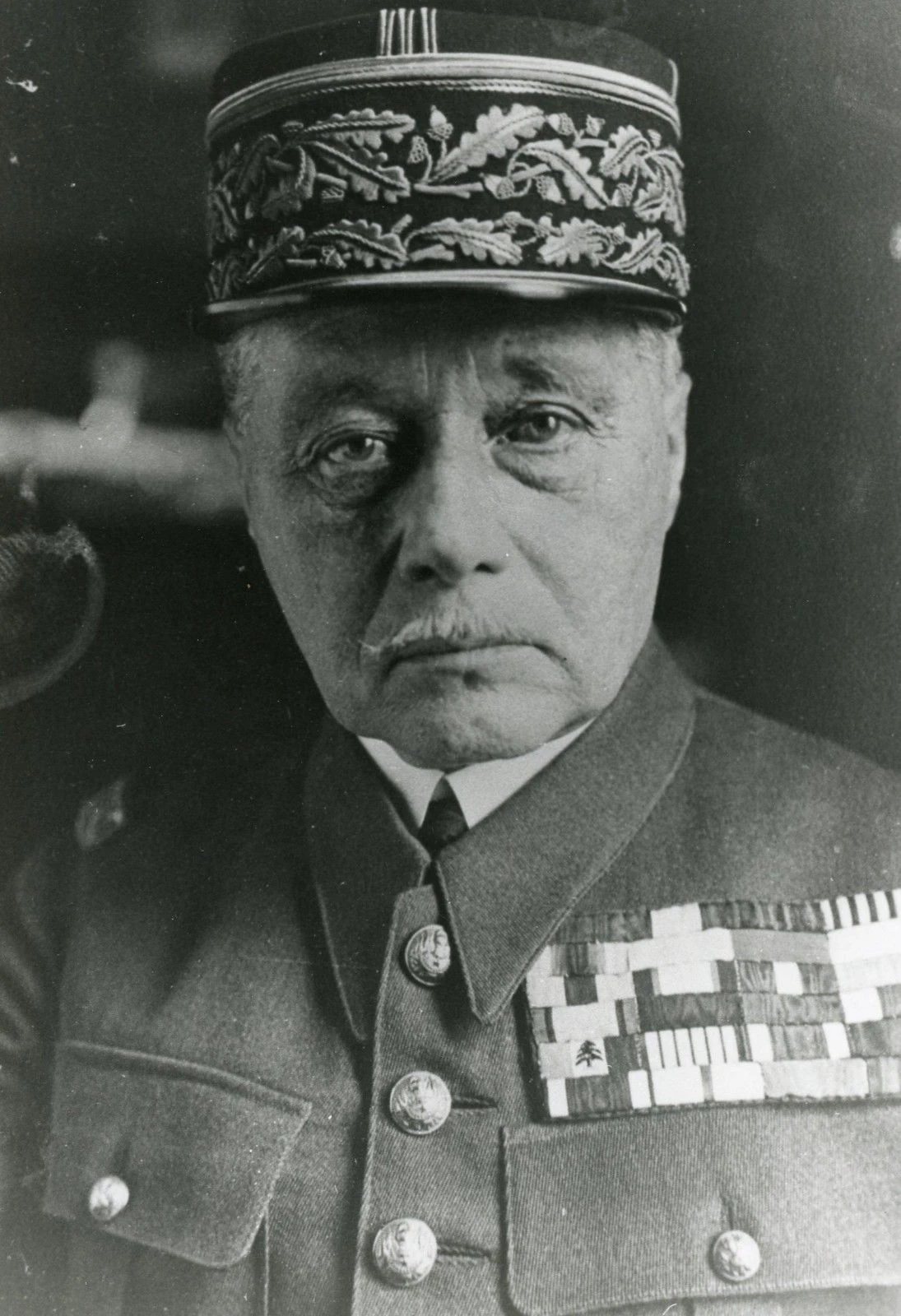
France Behind the Maginot
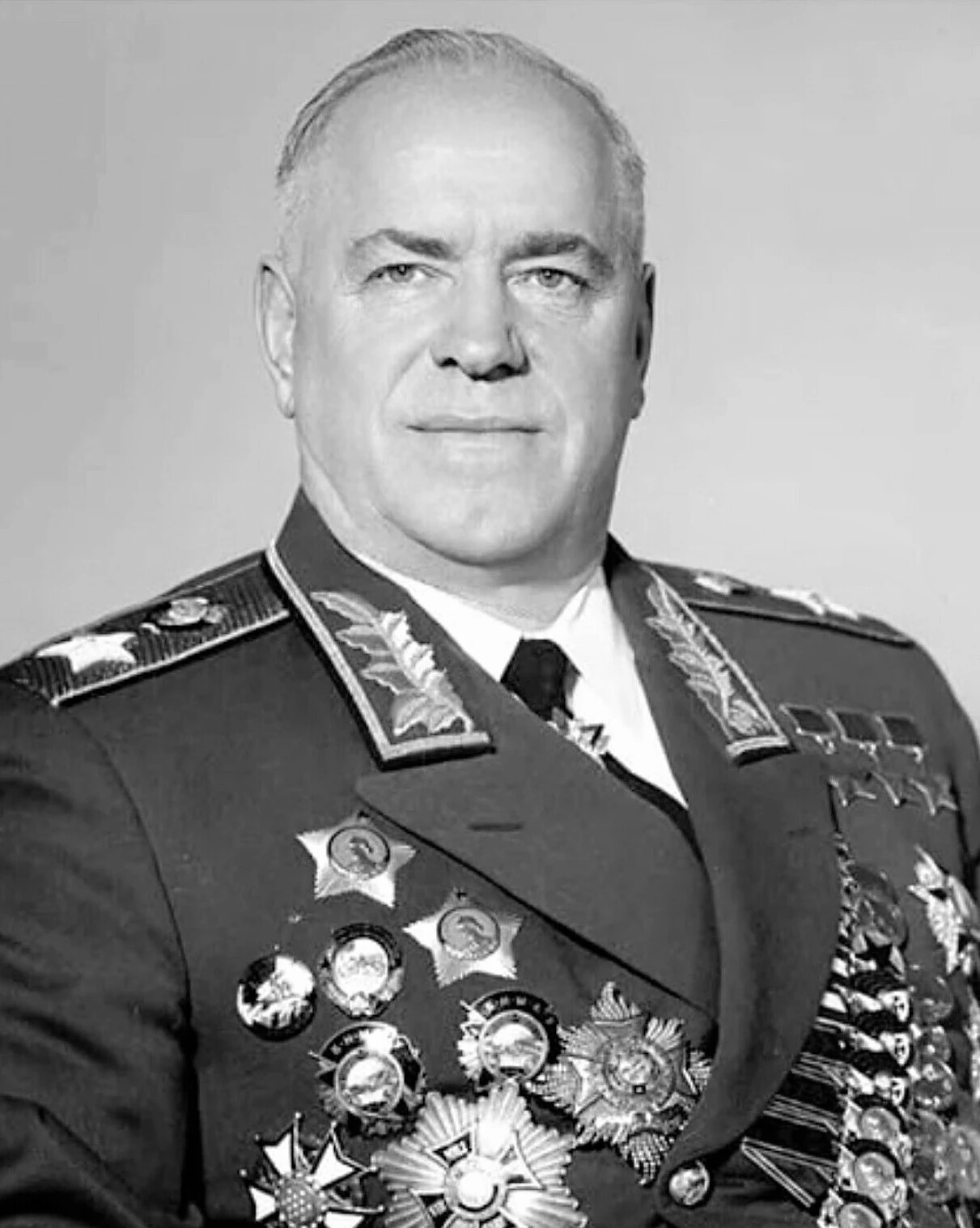
Zhukov Facing the Void Before Moscow
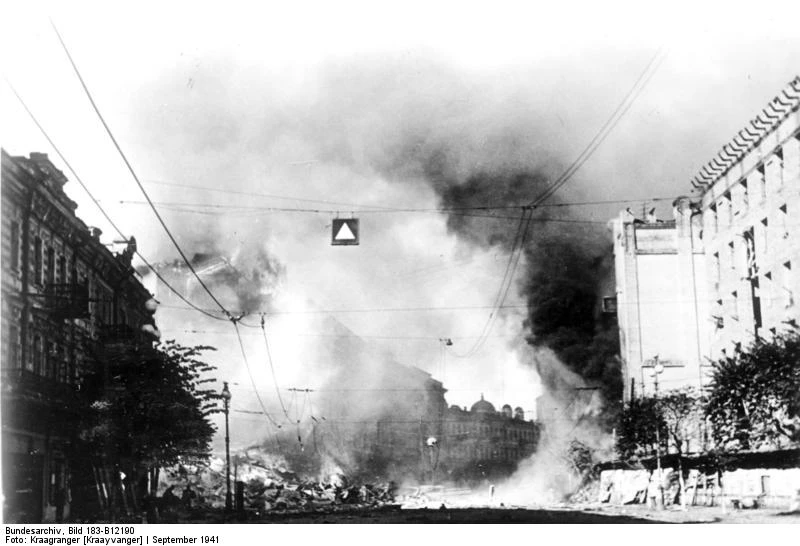
Kirponos, Kiev and Stalin's Prohibition
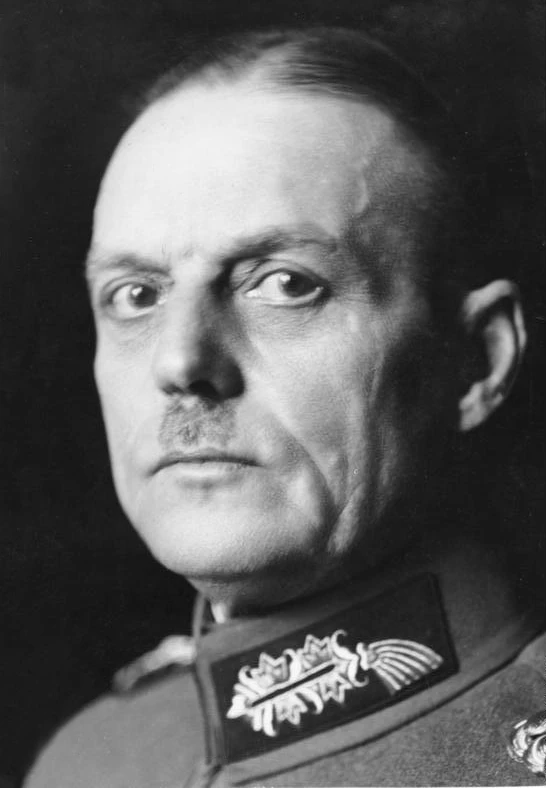
Rostov: Withdraw or Obey the Führer
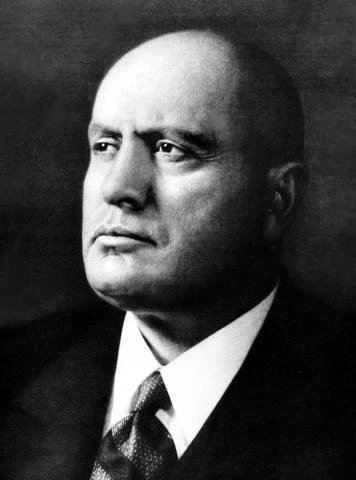
Hold the bastion or save the divisions?
Gudbrandsdal — Ruge imposes his line
"Cromwell" — England, 7 September 1940
Gort at Habarcq — trust in the French plan
Touchon on the Aisne — Fall Rot
The Polish Army and the Deployment
France Behind the Maginot
Zhukov Facing the Void Before Moscow
Kirponos, Kiev and Stalin's Prohibition
Rostov: Withdraw or Obey the Führer