
Roosevelt at Charlottesville — 10 June
On the evening of 10 June 1940, President is to deliver the commencement address at the University of Virginia, in Charlottesville, where his son Franklin Jr. is receiving his diploma. A few hours earlier Italy has declared war on France and Britain.
The United States is officially neutral, and public opinion remains overwhelmingly isolationist on the eve of the November presidential election. Roosevelt is moving cautiously: he has promised aid "by all means short of war," but must reckon with a Congress and an electorate reluctant to commit.
Italy's entry into the war changes the equation. Roosevelt holds a prepared text, over which his advisers are still deliberating hours before the address. The choice before him is one of register: openly condemn Mussolini's act, at the risk of antagonizing isolationists, or stick to diplomatic prudence and the academic framing of the ceremony.
Should Roosevelt publicly denounce the Italian aggression or remain prudent?
Roosevelt chooses C, the explicit condemnation. The State Department had judged one sentence too brutal and pressed him to soften it, but the President keeps it and delivers the line that has become famous: "On this tenth day of June 1940, the hand that held the dagger has struck it into the back of its neighbor." The Charlottesville speech marks a turning point: it is one of the President's first clear public commitments against the Axis powers, and he promises to "extend to the opponents of force the material resources of this nation." It prepares opinion for the next steps — the Selective Service Act of September 1940 (the first peacetime conscription) and then the Lend-Lease Act of March 1941. Roosevelt will be re-elected for a third term in November 1940 and will die in office on 12 April 1945.
Learn more about this event
Related polls
10
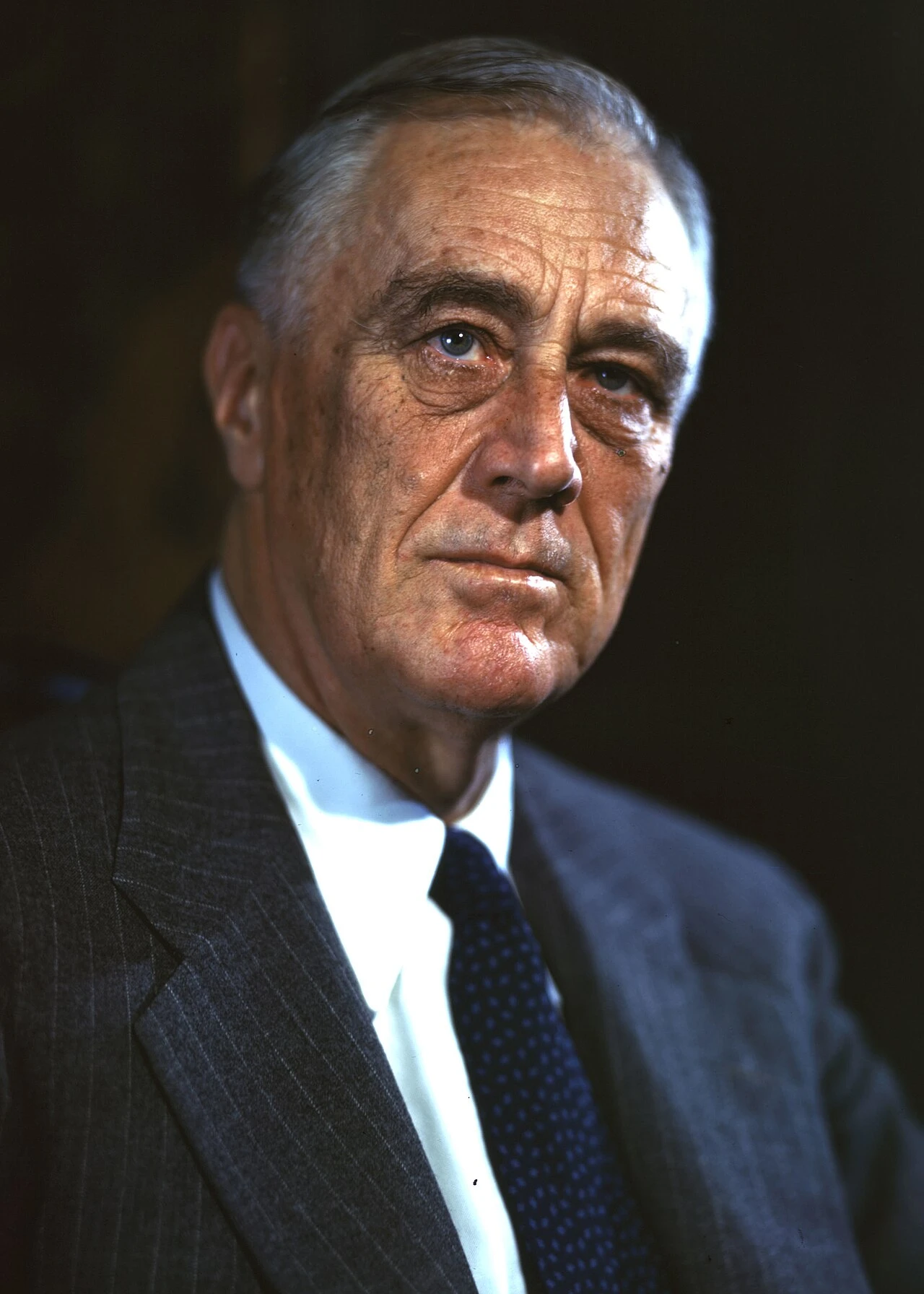
Roosevelt and de Gaulle — 28 June
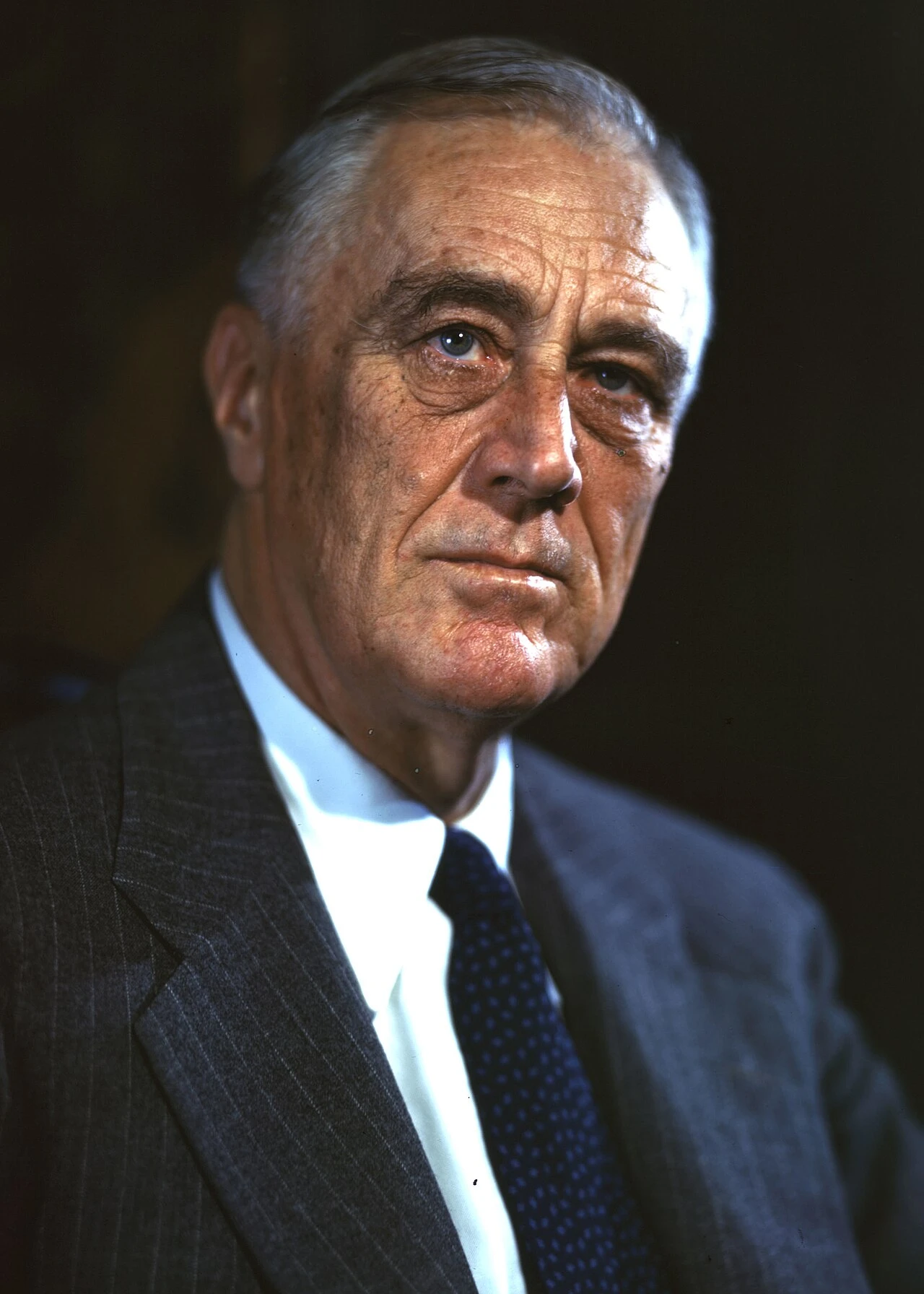
Roosevelt on the stump — "your boys"
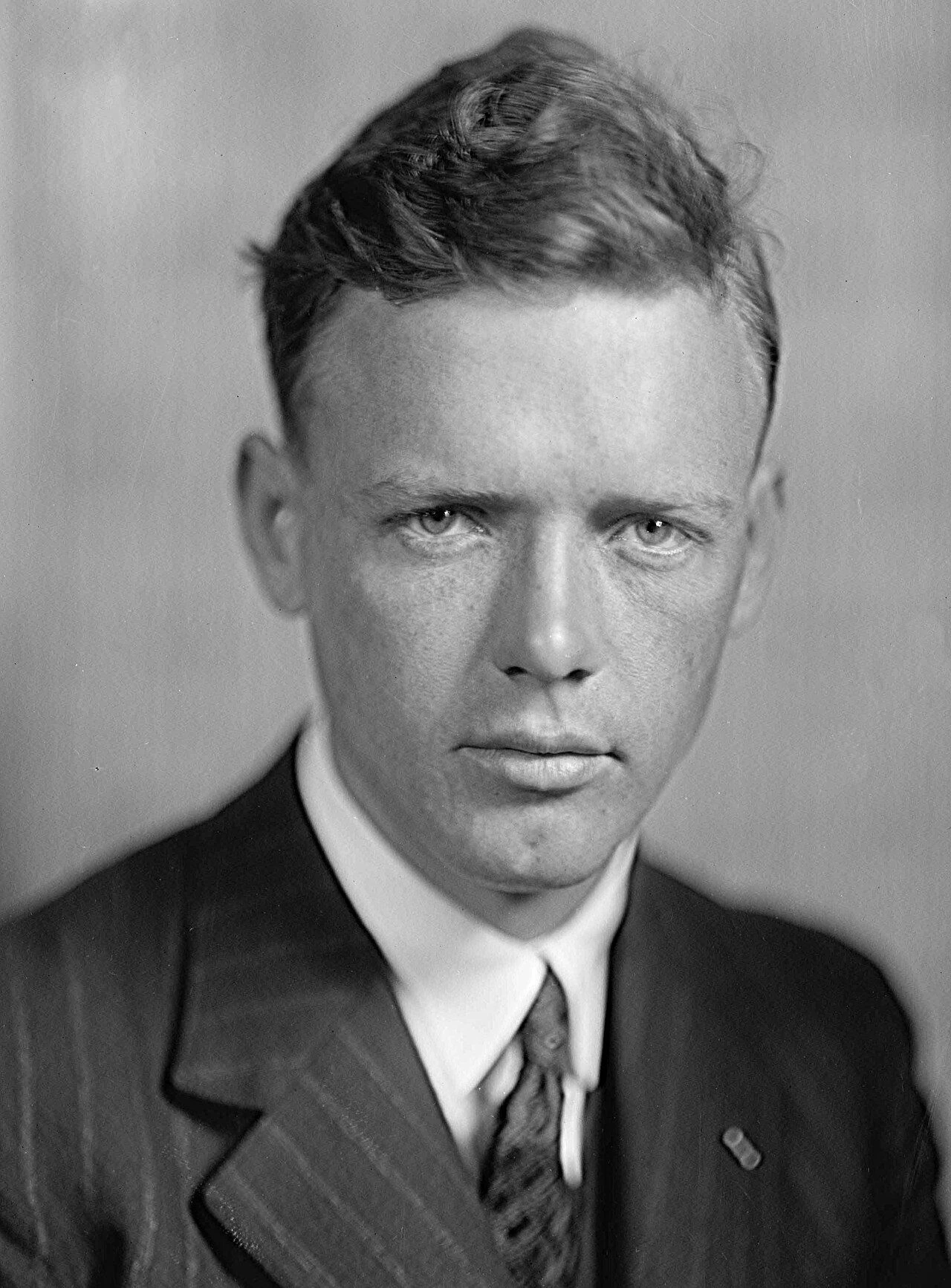
Charles Lindbergh — at the NBC Microphone
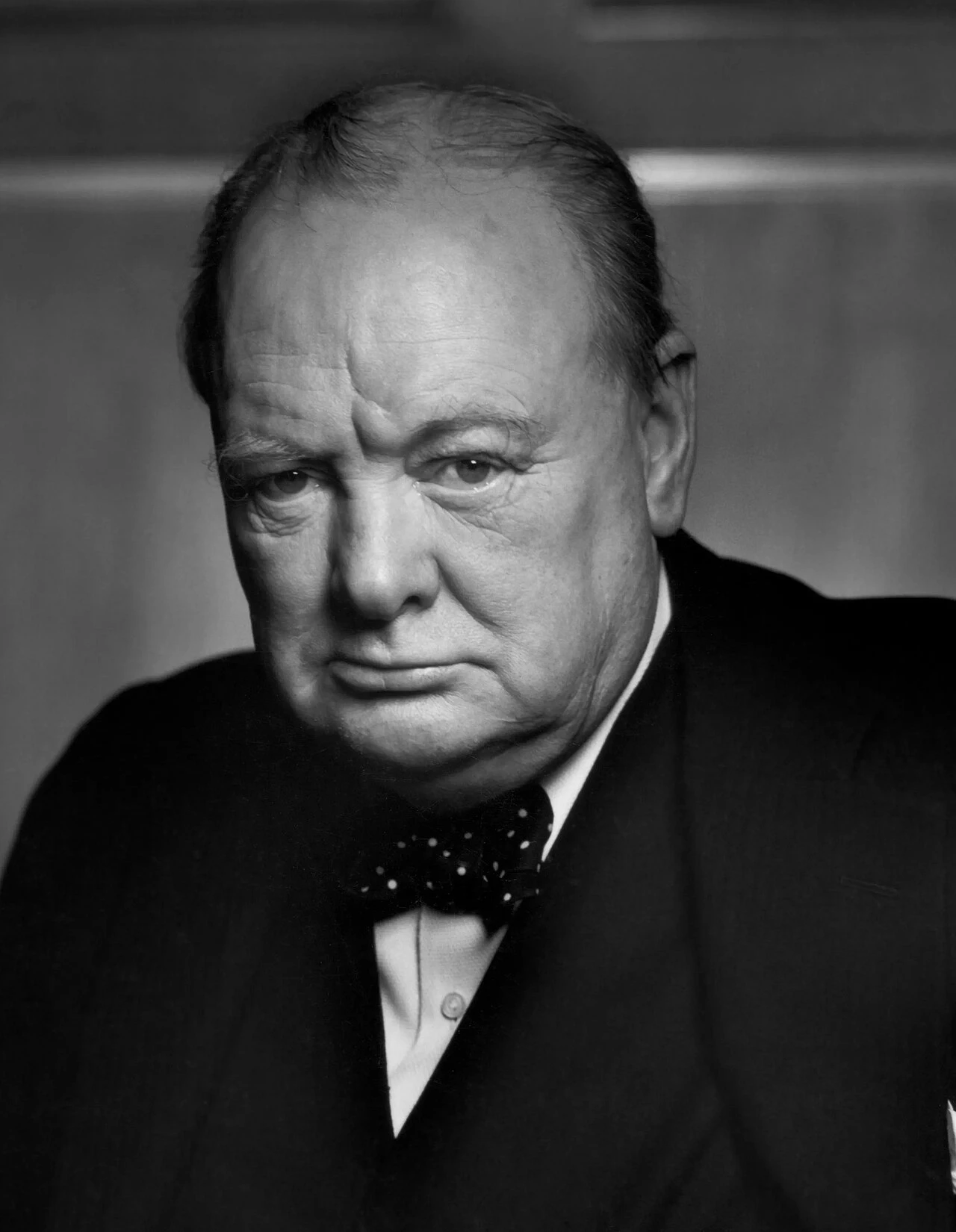
Churchill before the 25 ministers — 28 May 18:00
Churchill before the Commons — 4 June
Ciano summons the ambassadors — 10 June
Should Stalin Be Armed?
Hannah Arendt, Stateless and Interned, Facing Exile
Langeron — Prefecture of Police, 14 June
The Massilia — Bordeaux 21 June
Roosevelt and de Gaulle — 28 June
Roosevelt on the stump — "your boys"
Charles Lindbergh — at the NBC Microphone
Churchill before the 25 ministers — 28 May 18:00
Churchill before the Commons — 4 June
Ciano summons the ambassadors — 10 June
Should Stalin Be Armed?
Hannah Arendt, Stateless and Interned, Facing Exile
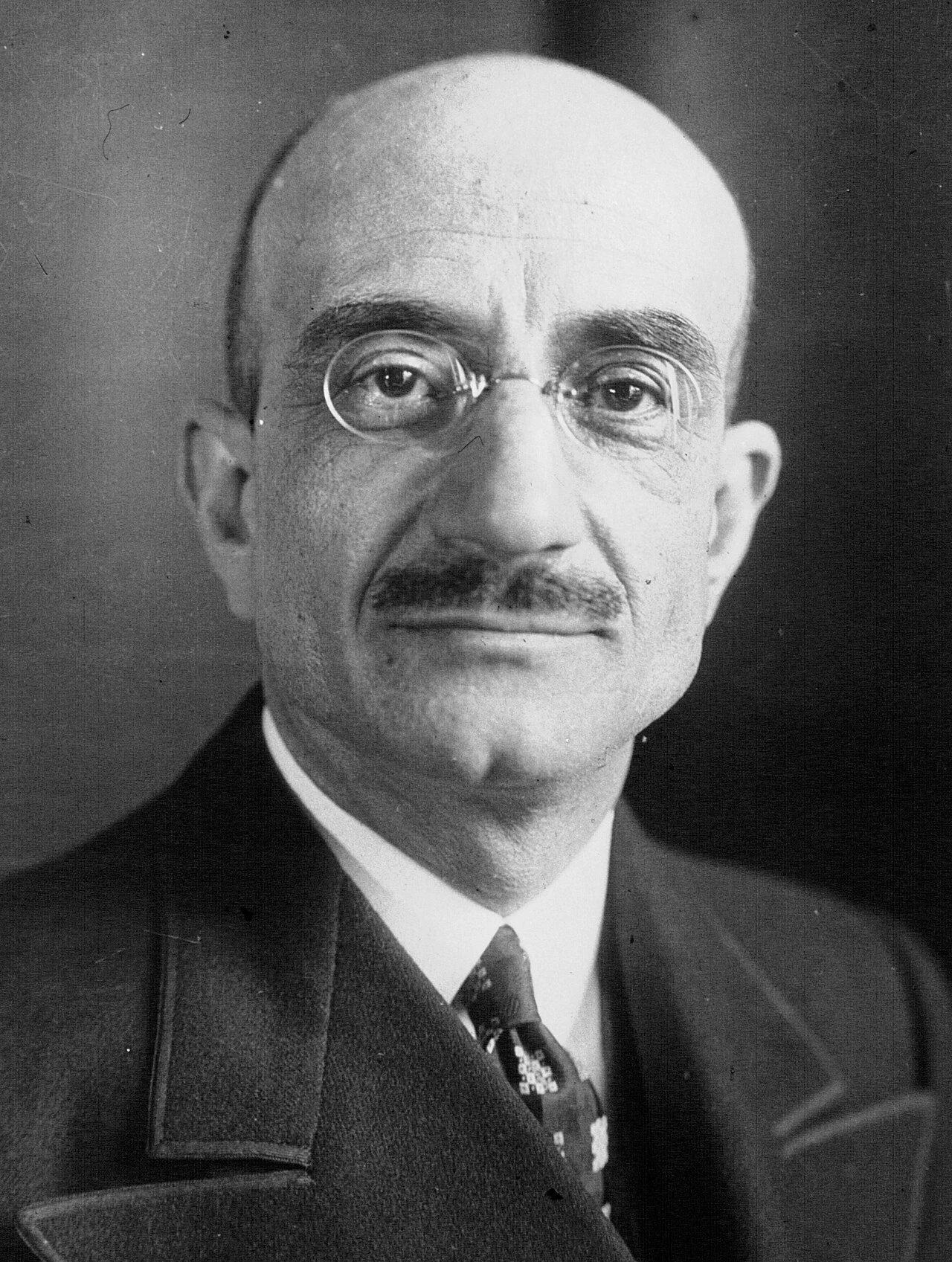
Langeron — Prefecture of Police, 14 June