
The New Fourth Army Incident
In China, the united front between 's Nationalists (Kuomintang) and 's Communists, concluded to fight the Japanese invader, has never ceased to be an alliance of mistrust. The successes of the Communist guerrilla — like the Hundred Regiments Offensive of 1940 — worried Chiang as much as they did the Japanese: they revealed the growth of a rival that would matter after the war.
In early January 1941 the friction turns to tragedy in southern Anhui. The Communist , ordered by the Kuomintang to redeploy north of the Yangtze, is moving its headquarters; but its columns are encircled by Nationalist troops vastly superior in numbers.
The Communist leadership around Mao must decide how to respond to this attack by an 'ally': order the encircled units to fight their way out, at the risk of annihilation and open rupture of the united front; seek a compromise to save the men and preserve the façade of the anti-Japanese alliance; or exploit the aggression politically to discredit Chiang in the eyes of the country and international opinion.
How should the Communist leadership respond to the encirclement of the New Fourth Army?
Events outran any choice: encircled, the forces of the were crushed over several days (4-13 January 1941) — thousands killed, their commander captured, their commissar killed. Mao then chose C: he denounced the Kuomintang's 'treachery' loudly, immediately reconstituted the under a new command, and drew great political benefit from this military disaster, presenting the Communists as the true patriots stabbed in the back. The Southern Anhui Incident marked the end of any real cooperation between the two camps: the united front was now a fiction, and the Chinese civil war, suspended by the Japanese invasion, smoldered openly until its resumption in 1946.
Learn more about this event
Related polls
10

Germany first, even before the war
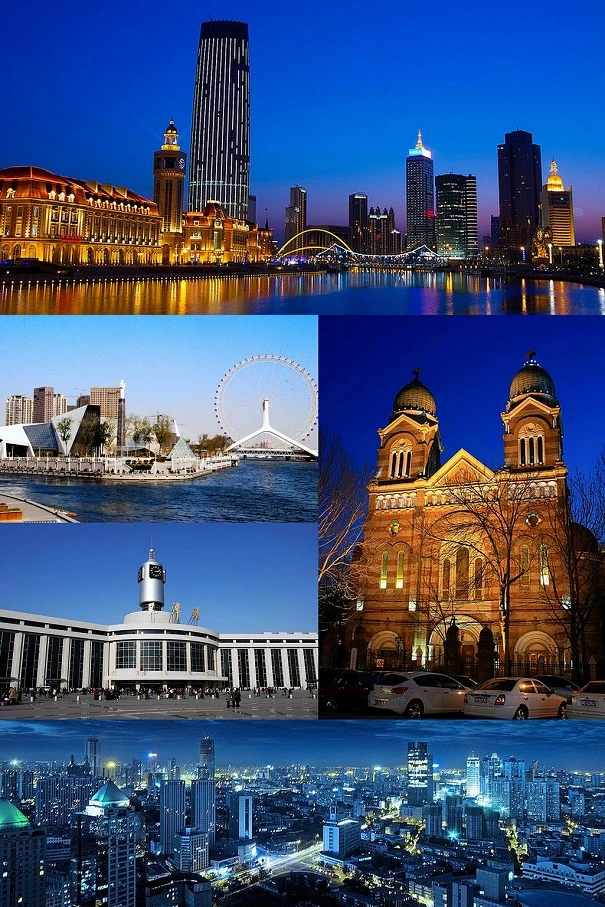
The Tientsin Incident
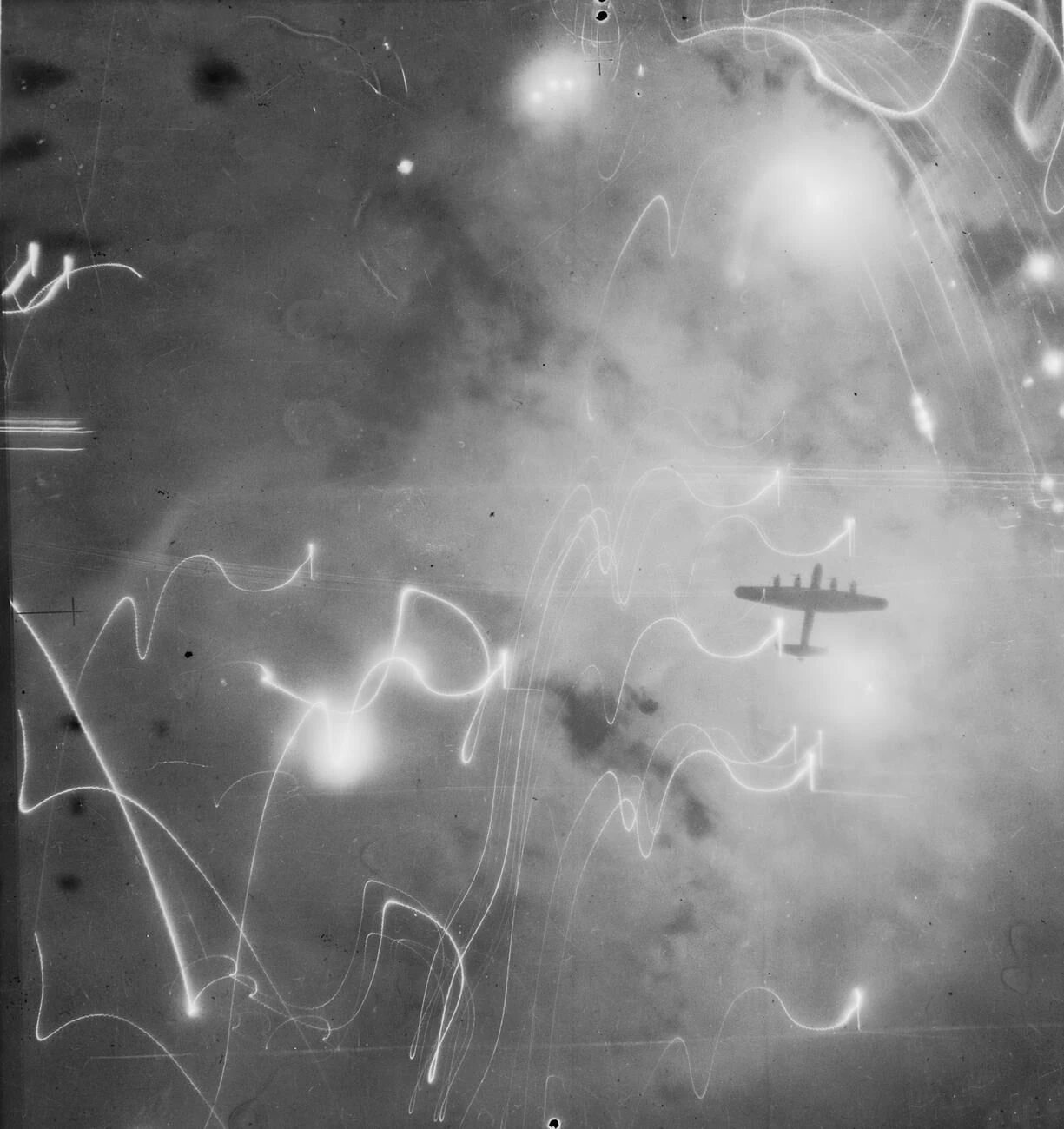
Bombing London — and the reply on Berlin
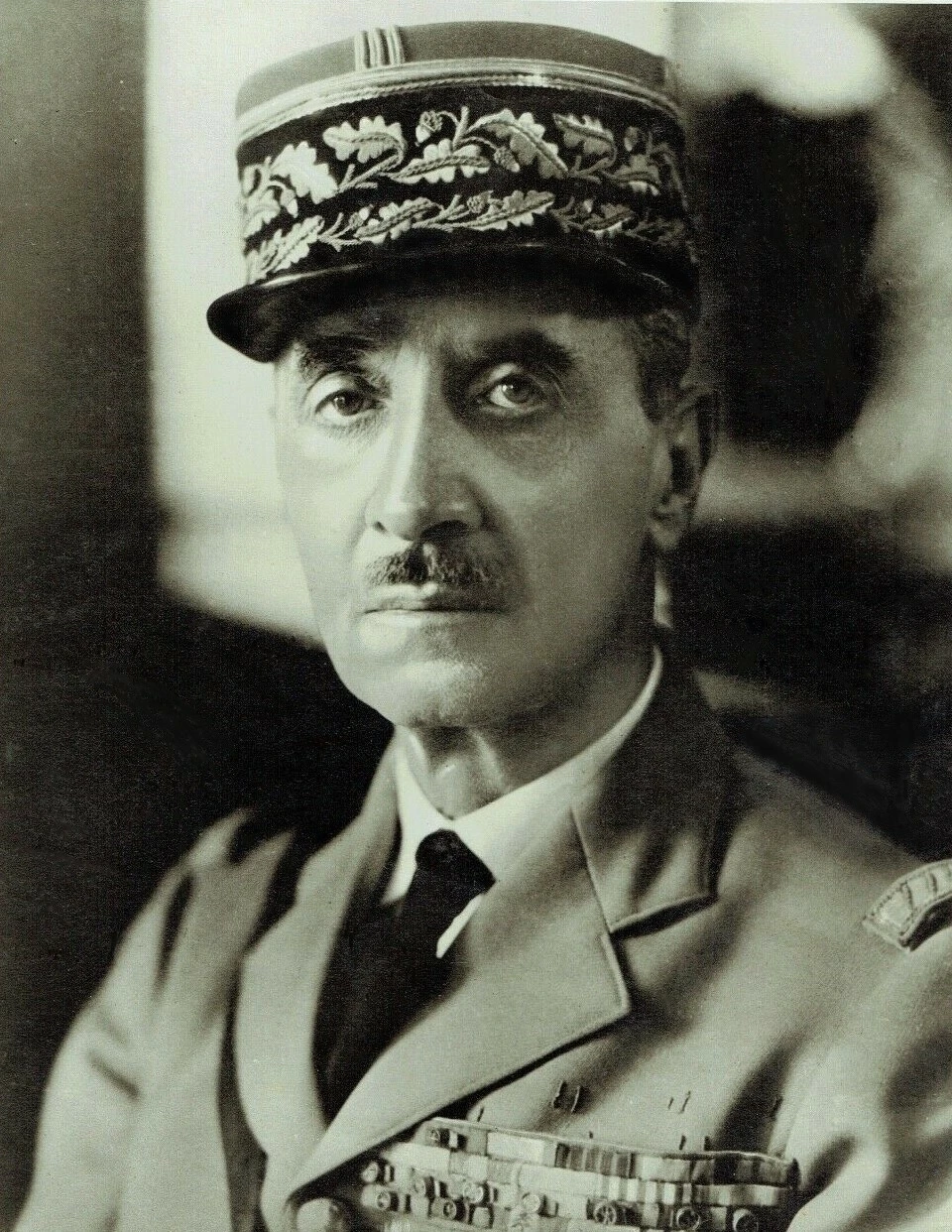
Catroux and Tokyo's pressure on Indochina
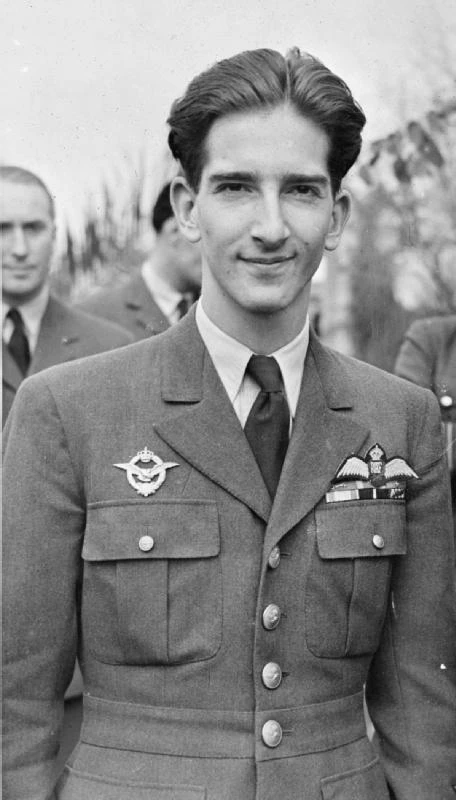
The Belgrade coup
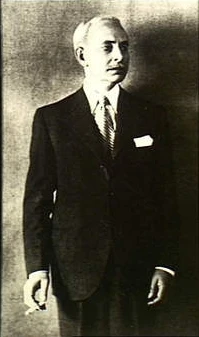
The death of Metaxas — Athens
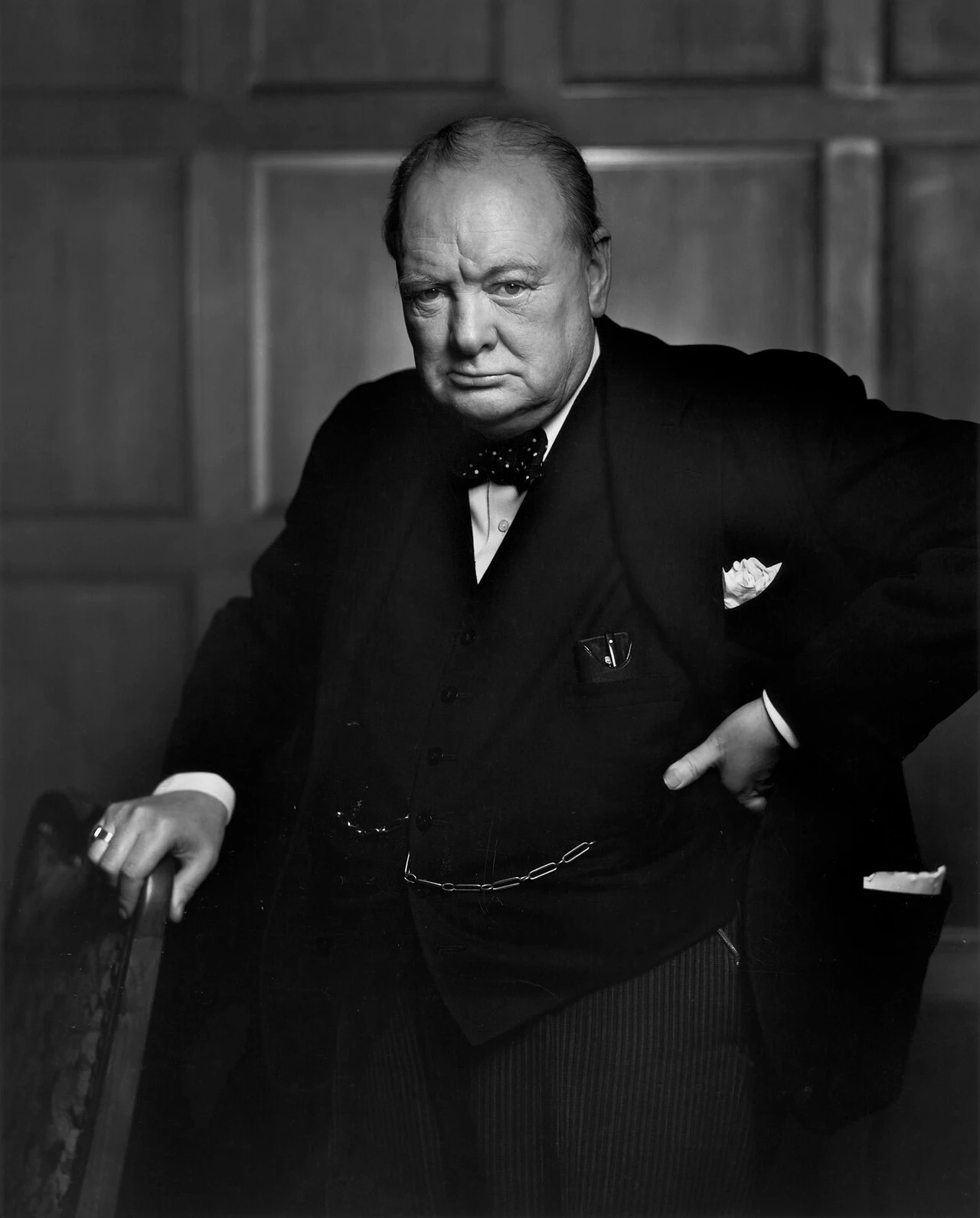
Auchinleck replaces Wavell
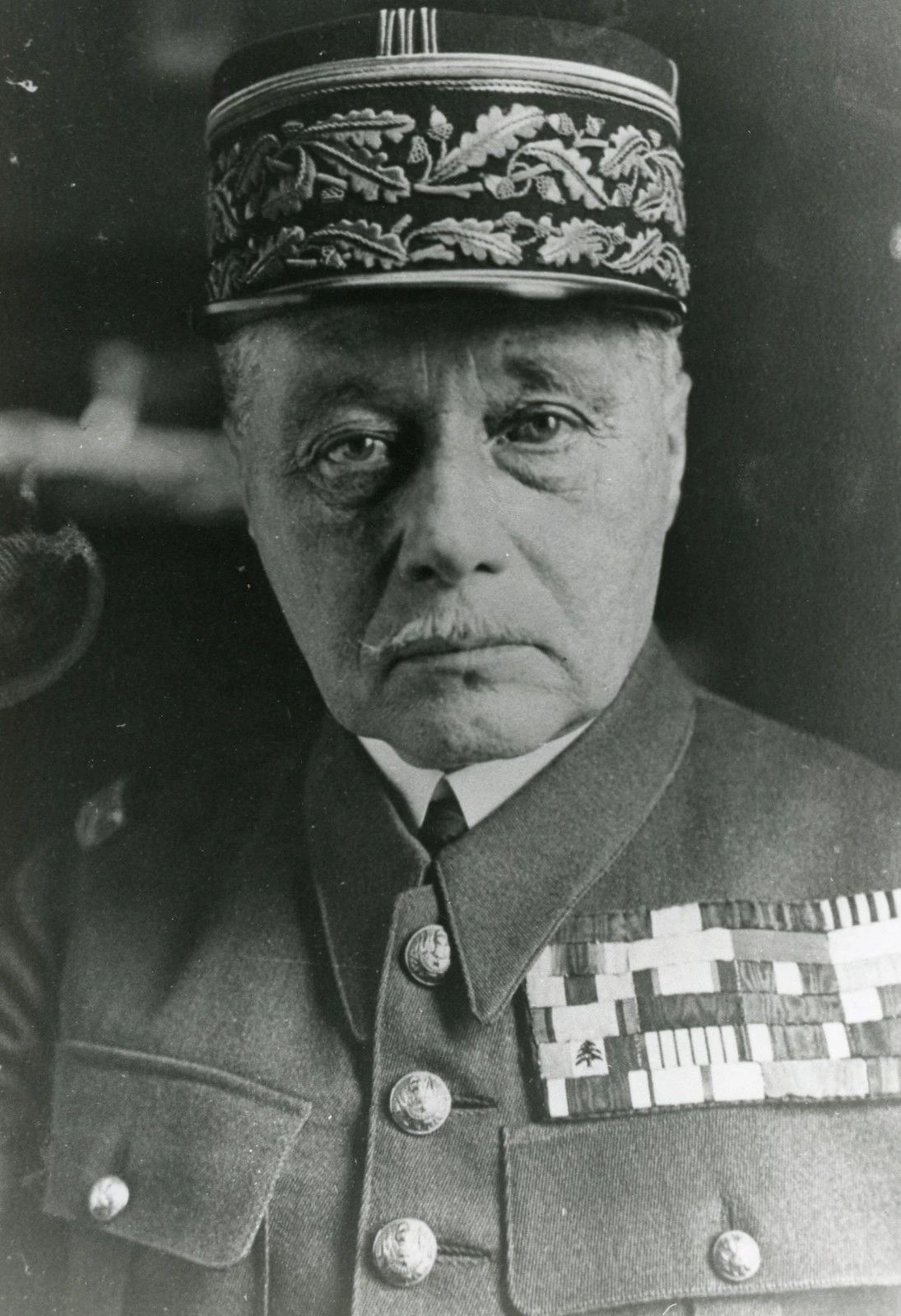
Baku in the crosshairs — Operation Pike
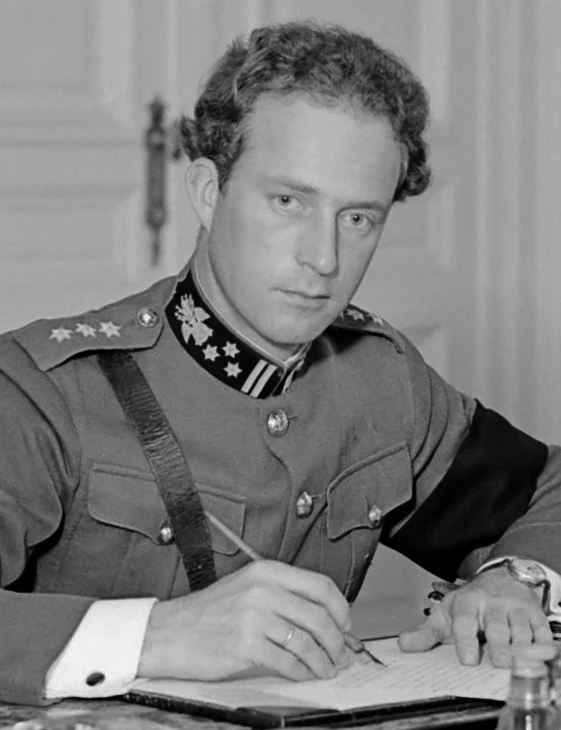
The Capitulation of 28 May
Churchill and the ultimatum on the Burma Road
Germany first, even before the war
The Tientsin Incident
Bombing London — and the reply on Berlin
Catroux and Tokyo's pressure on Indochina
The Belgrade coup
The death of Metaxas — Athens
Auchinleck replaces Wavell
Baku in the crosshairs — Operation Pike
The Capitulation of 28 May