
Hitler at the Felsennest — the anguish of the flanks
had set up his field headquarters for Fall Gelb at the Felsennest ("Nest in the rock"), a bunker hewn into the rock of the Eifel, about 125 miles from Sedan. From there he followed the Panzer advance, leaning several times a day over the maps.
On the morning of 17 May, Hitler was torn. On the one hand, euphoria: the tanks had already covered 125 miles from their start line, and the plan inspired by Manstein was succeeding beyond hope. On the other, anguish: what if the French counter-attacked the exposed southern flank of the breakthrough, as they had on the Marne in 1914? The armoured corridor was long, narrow, and his infantry was struggling to keep up.
Brauchitsch and Halder, at army command, more worried still than he was, pressed him to order a general halt. At 11:00, Hitler received Rundstedt in person at the Felsennest; the old Prussian field marshal, prudent by temperament, supported the idea of a stop. Guderian, for his part, wanted to push on to the Channel. Hitler had to choose between momentum and security.
Order a general halt of the Panzers, let them race on, or impose a compromise?
Hitler applied A. Around noon on 17 May he ordered a general halt of the Panzers — the first "Halt Order" of the campaign. Guderian, informed by radio in the afternoon, was incensed and offered his resignation that evening. Rundstedt calmed him by proposing a "reconnaissance in force" formula that in fact allowed the advance to continue; Hitler approved it grudgingly. The halt of 17 May lasted only about 24 hours and proved inexpensive, Guderian working around it. But it revealed Hitler's deep anxiety — the same that would produce the second Halt Order, before Dunkirk, on 24 May, with far heavier consequences. Hitler would conclude from 1940 that his generals were too timid, a conviction that would feed his fatal interventions at Stalingrad in 1942 and Kursk in 1943. The Felsennest episode illustrates the permanent tension between the audacity of the Panzer commanders and the caution of the top.
Learn more about this event
Related polls
10
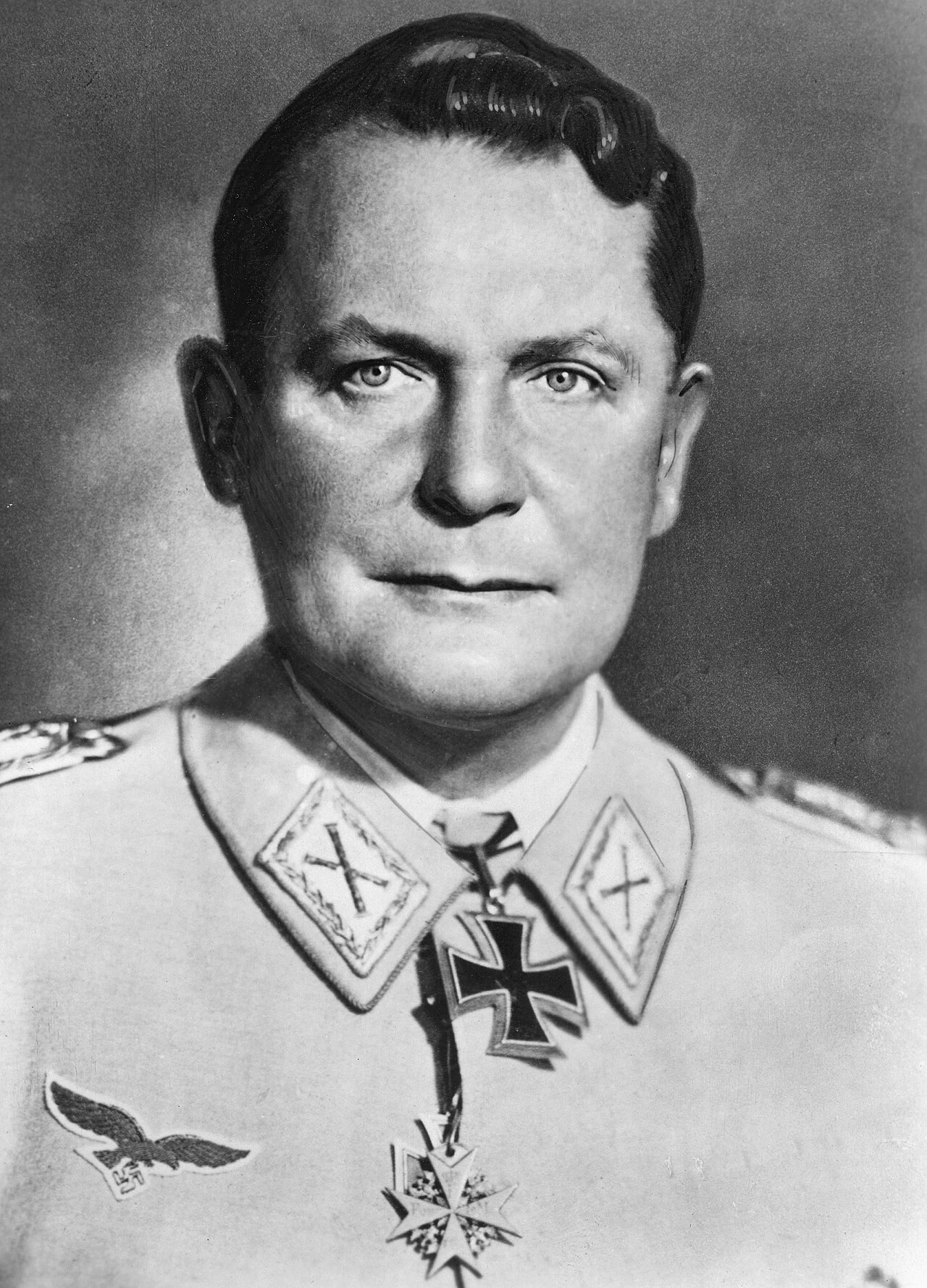
Goering at Carinhall — the promise to Hitler
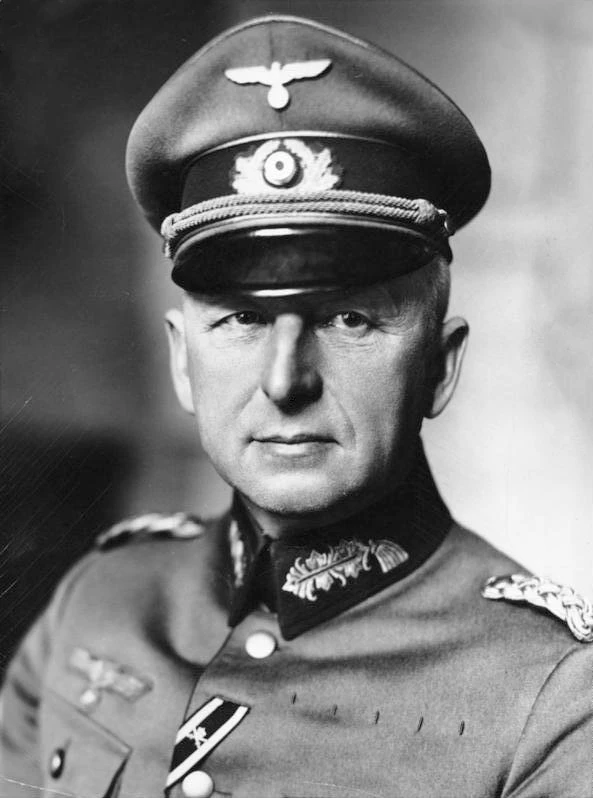
Manstein watches his plan — Koblenz, 10 May
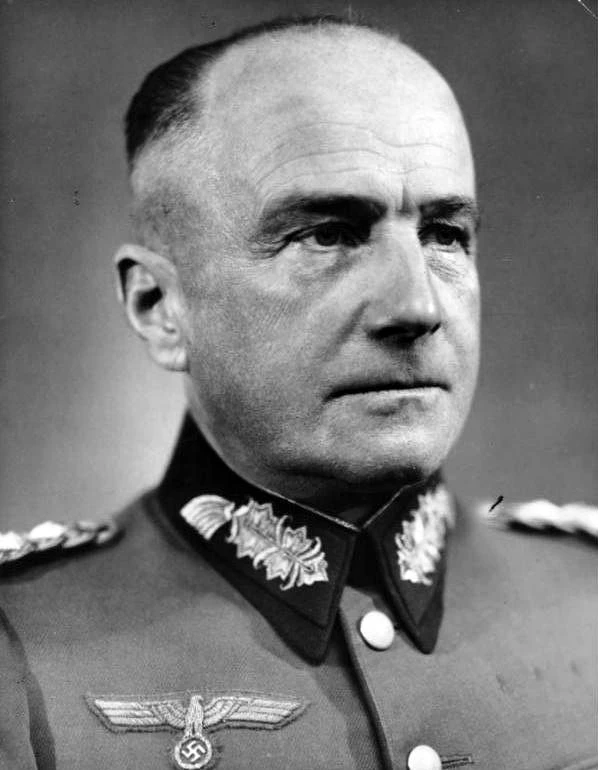
Brauchitsch — Reich Chancellery, 5 November
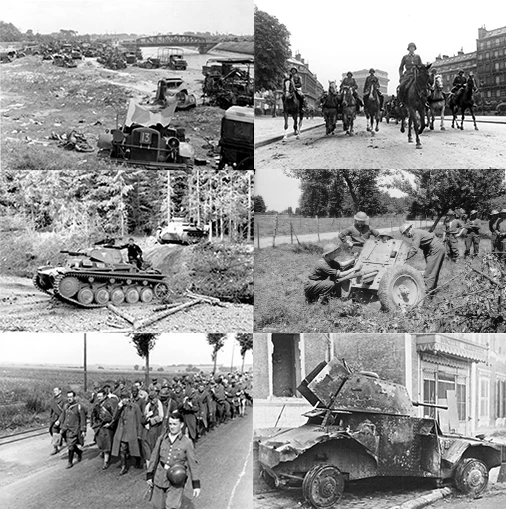
Fall Gelb — the order of 9 May 20:00
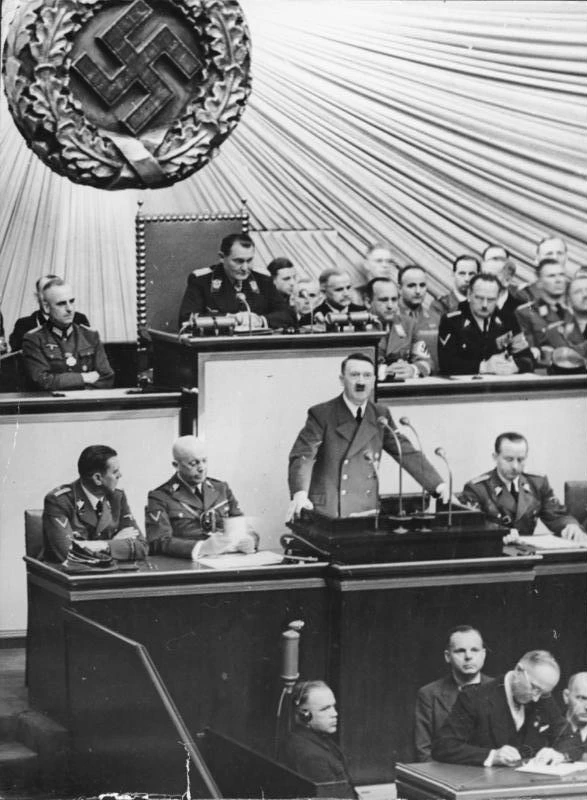
Hitler — the Reichstag Speech
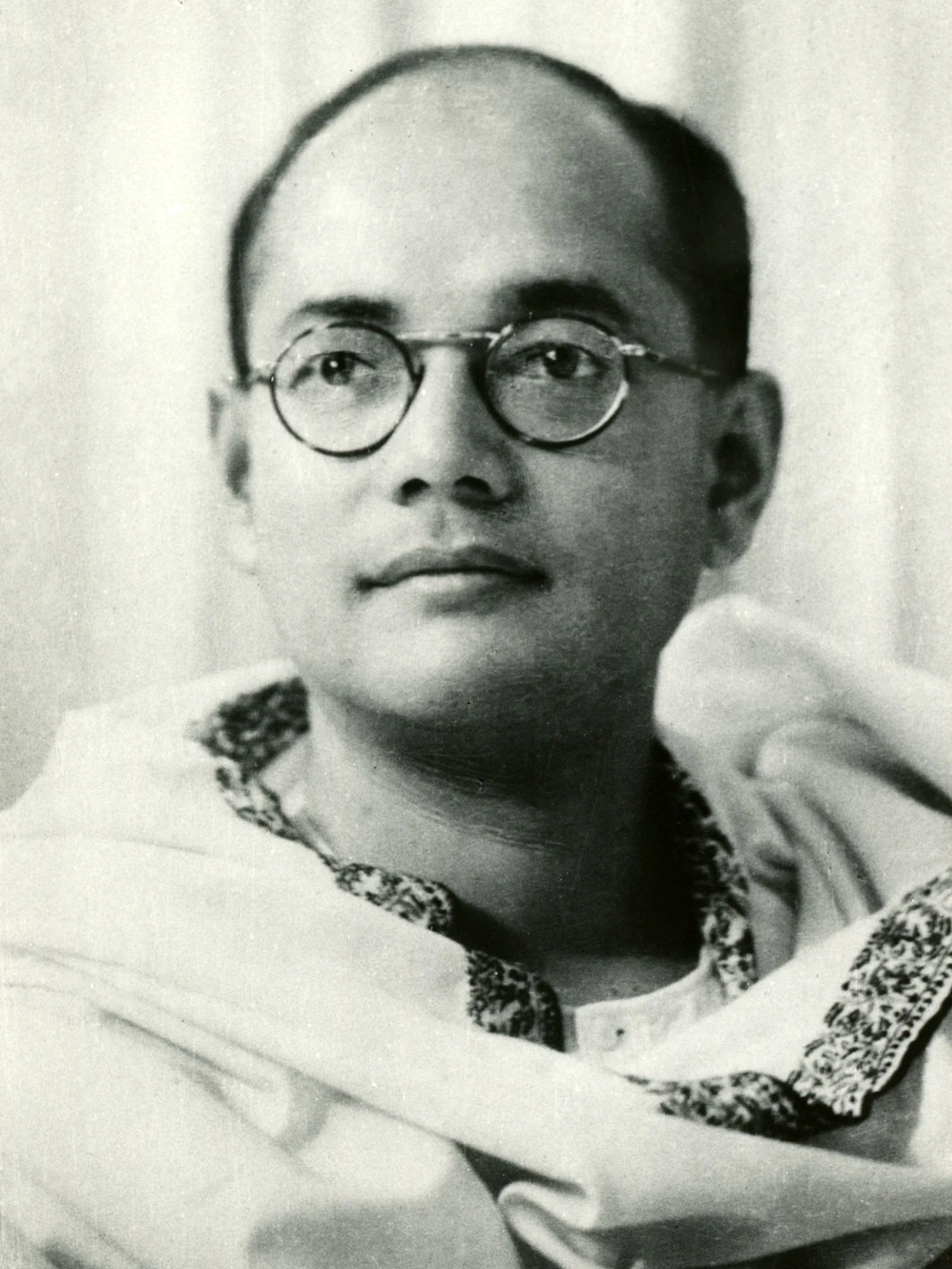
The Indische Legion — Subhas Chandra Bose in Berlin
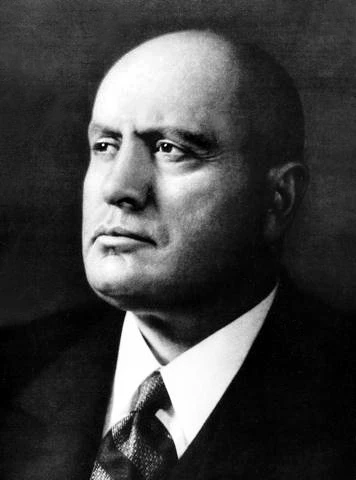
Mussolini on the Riviera — 21 June
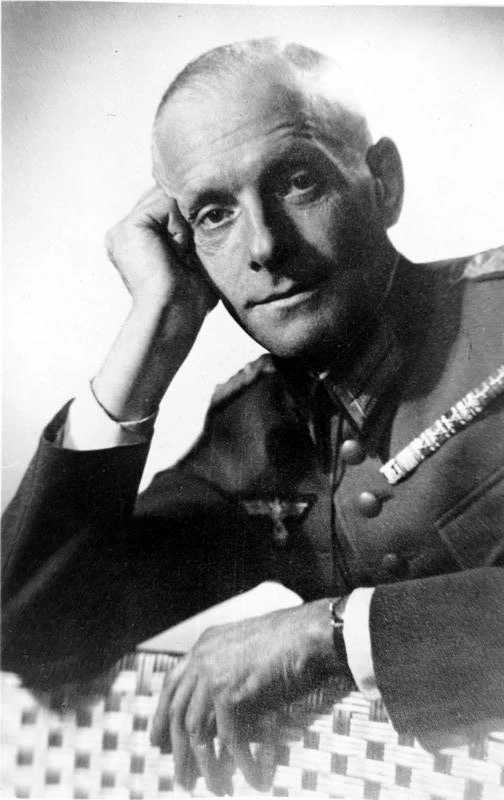
Oster picks up the telephone
Smushkevich — report to Stalin
The doctrine of terror bombing
Goering at Carinhall — the promise to Hitler
Manstein watches his plan — Koblenz, 10 May
Brauchitsch — Reich Chancellery, 5 November
Fall Gelb — the order of 9 May 20:00
Hitler — the Reichstag Speech
The Indische Legion — Subhas Chandra Bose in Berlin
Mussolini on the Riviera — 21 June
Oster picks up the telephone
Smushkevich — report to Stalin