
In the summer of 1940, the fall of France and the isolation of the United Kingdom confronted American President with a weighty choice. American public opinion was largely isolationist, marked by the memory of 1917–1918, and neutrality laws strictly regulated all aid to belligerents. Yet a total German victory would, in time, threaten the security of the United States.
Roosevelt had to weigh electoral caution (he was seeking a third term in November 1940) against strategic necessity. To give material aid to the United Kingdom (weapons, ships) despite public opinion and the neutrality laws, in order to prevent a British collapse. To remain strictly neutral, so as not to offend opinion or risk drawing the country into the war. Or to confine himself to declarations of support without concrete material commitment.
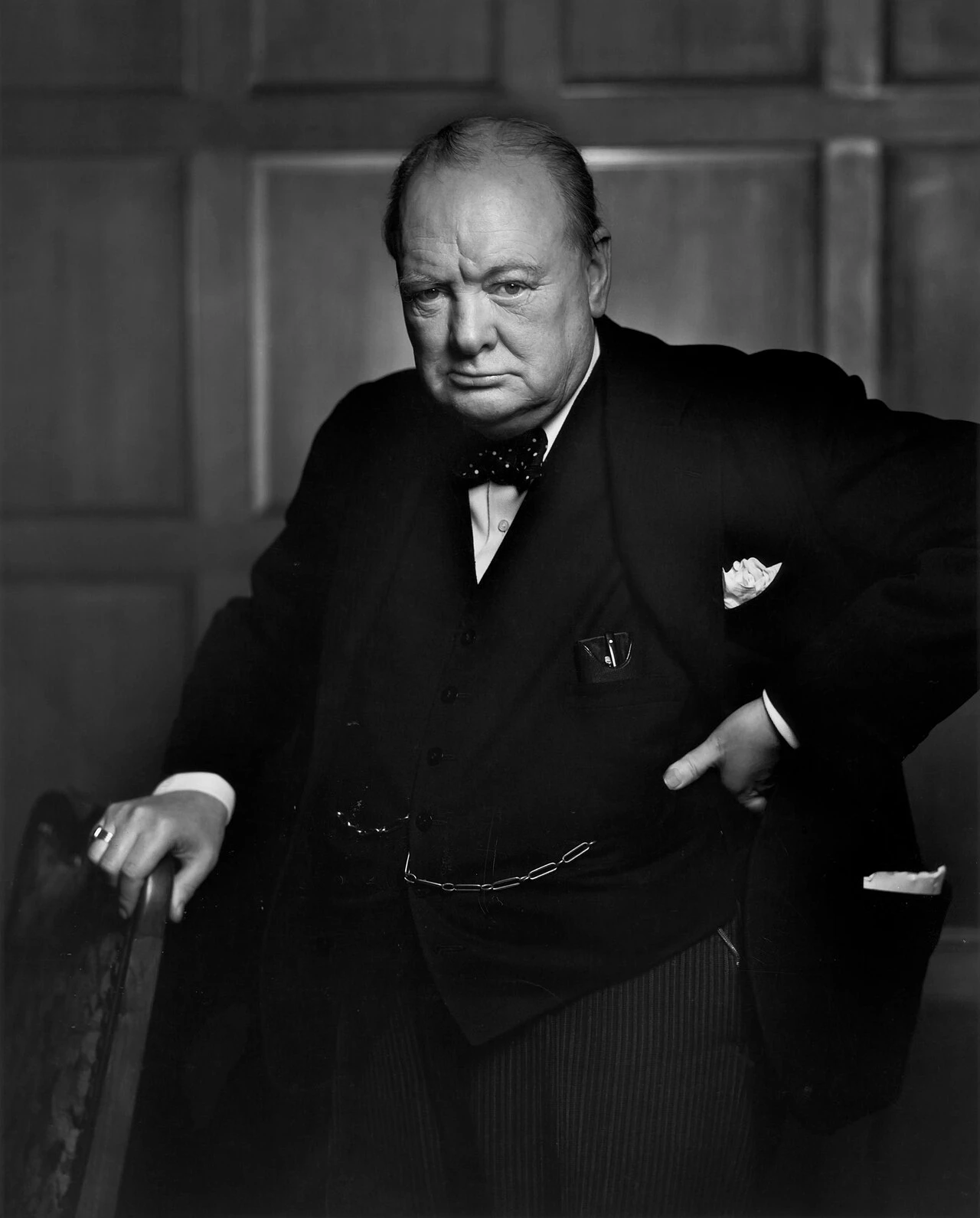
Churchill multiplied his appeals for help. The question was whether the "great democracy" across the Atlantic would let the last European bulwark against Hitler fall, or whether it would become, as Roosevelt wished, the "arsenal of democracy".
Should Roosevelt arm the United Kingdom, remain strictly neutral, or confine himself to declarations of support?
Roosevelt moved towards A, cautiously but resolutely: while affirming his wish to keep the United States out of the war, he denounced as early as 10 June 1940 Italy's "stab in the back" and committed to growing aid to the United Kingdom. In September 1940, the "destroyers-for-bases" agreement delivered fifty old American destroyers to the Royal Navy; 1941 would bring Lend-Lease, making the United States the "arsenal of democracy". This material support, at first limited by isolationism and electoral constraints, was vital to British survival. Roosevelt's choice in 1940 set in motion the gradual tilting of the United States towards engagement, which would become total after Pearl Harbor (December 1941).
Learn more about this event
Related polls
10
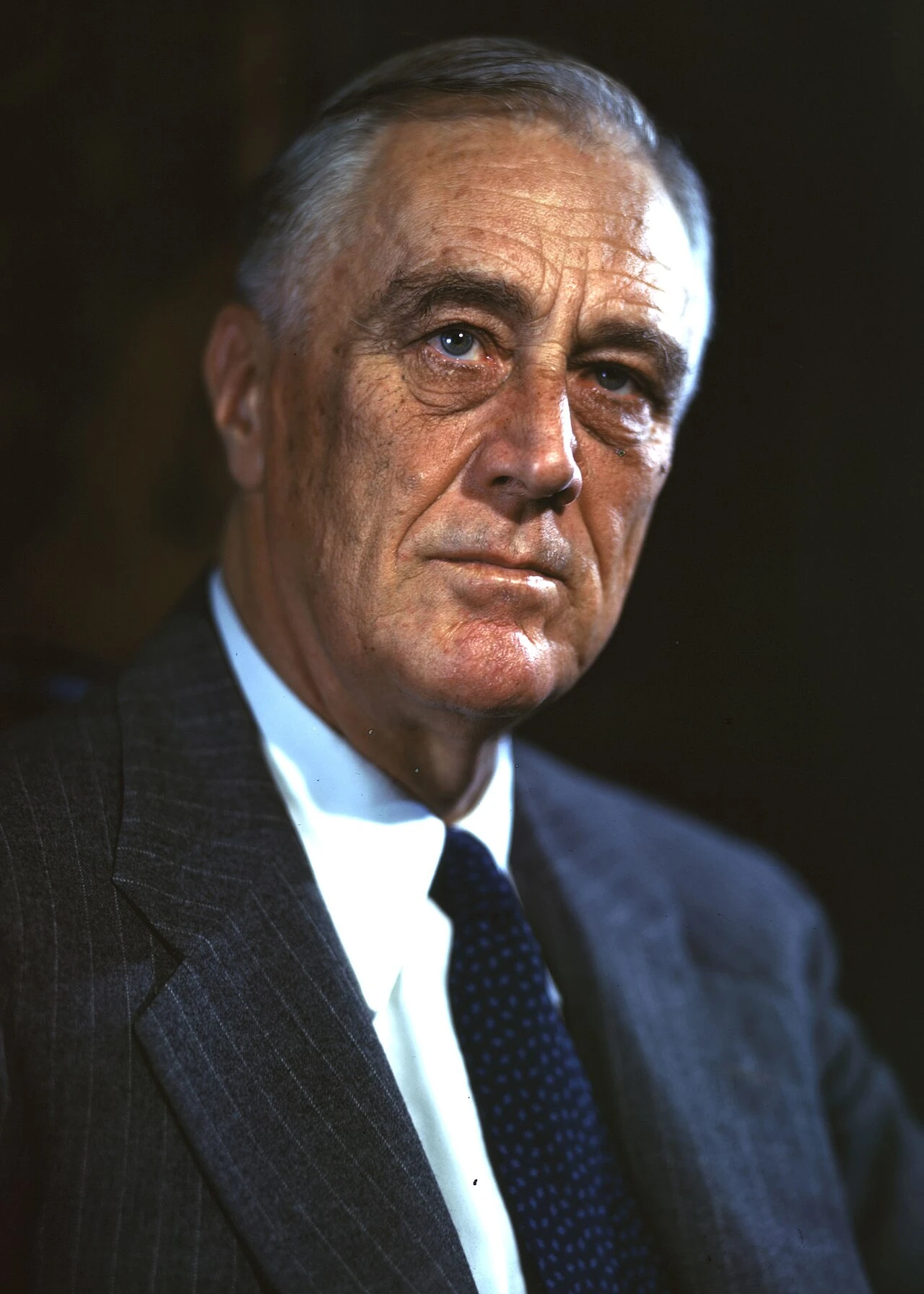
Roosevelt — destroyers for bases
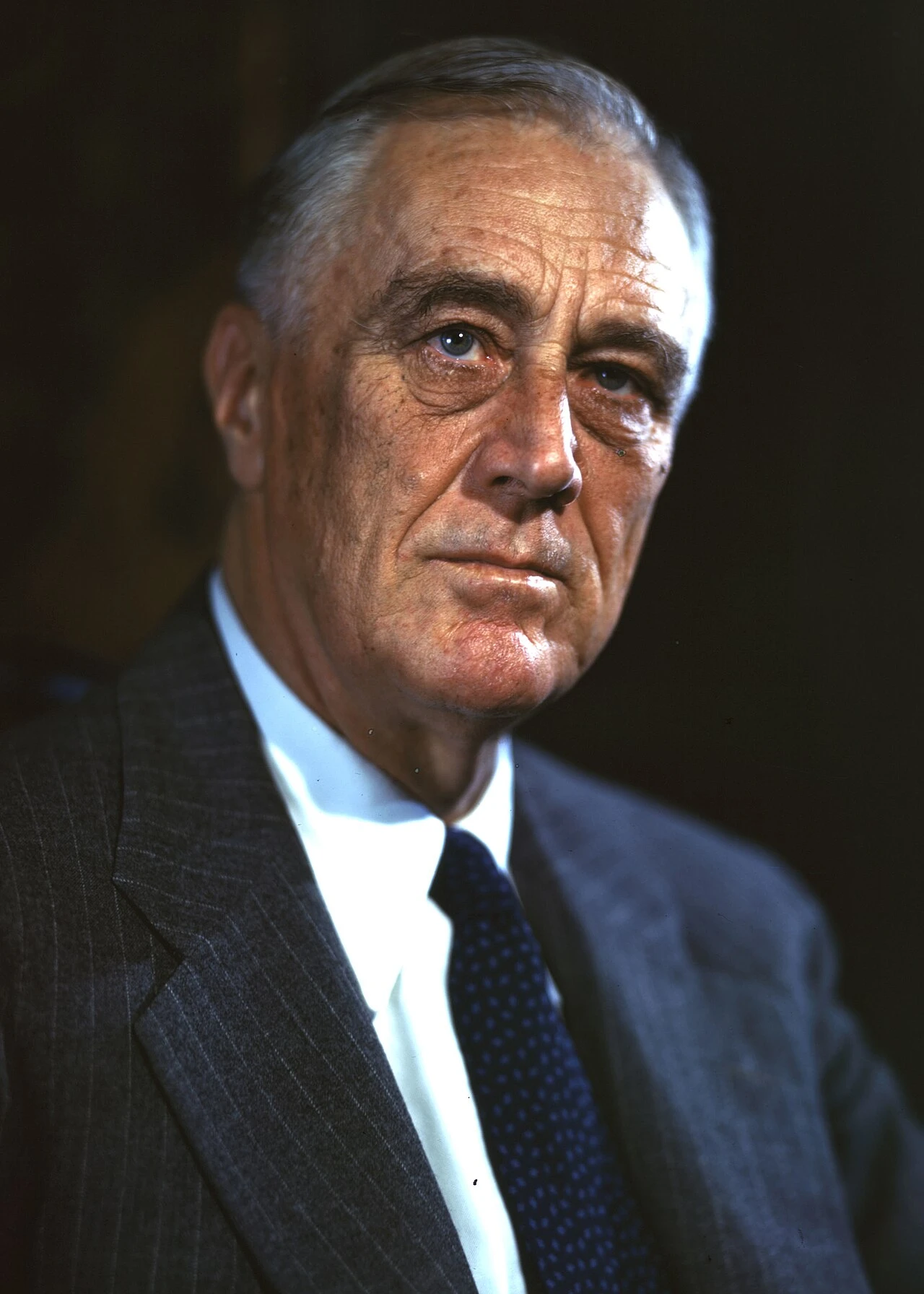
Roosevelt and the Squadron for Singapore — Washington, October 1940
The War Cabinet — Negotiate or Carry On
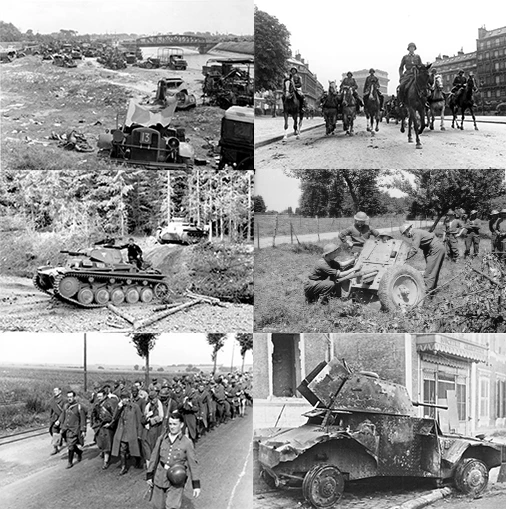
Dunkirk: should the French be saved alongside the British?
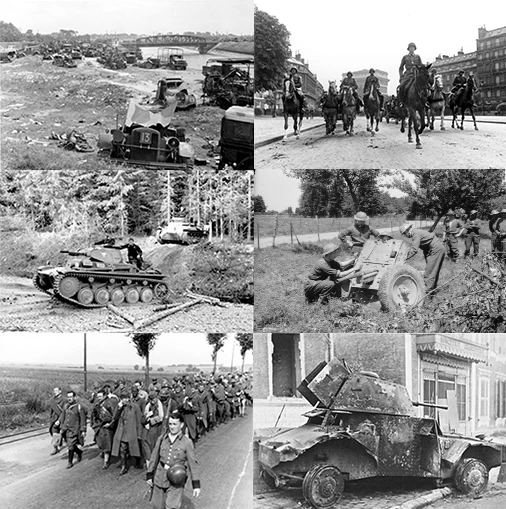
The Empire — Vichy or de Gaulle
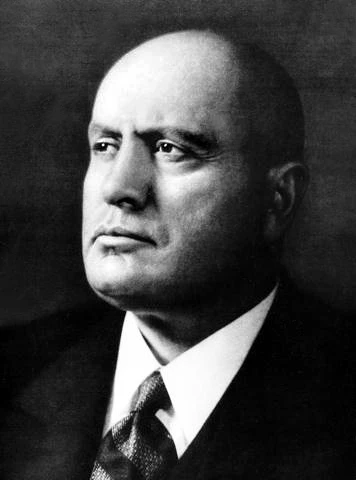
Mussolini at the Palazzo Venezia — early June
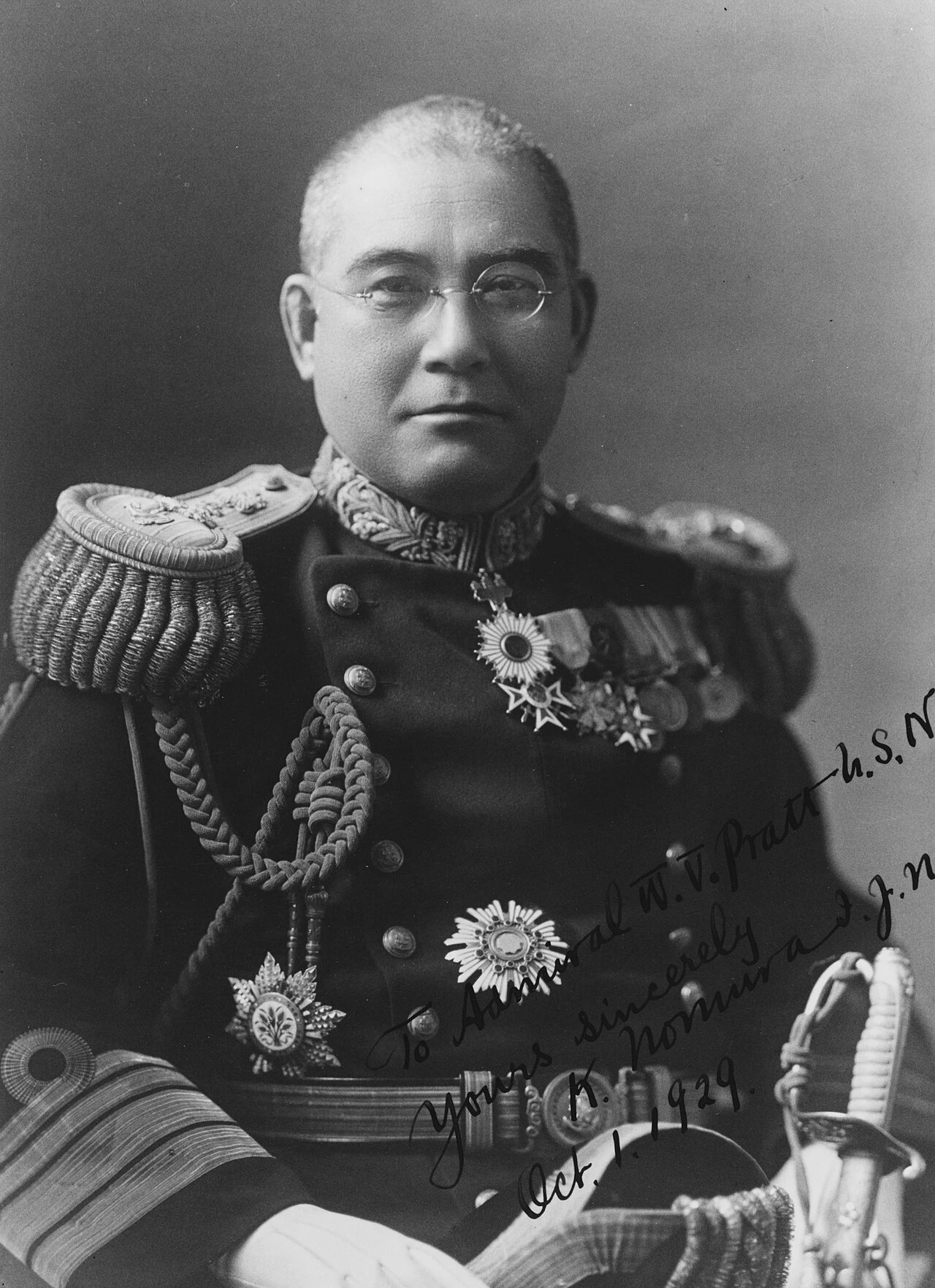
Nomura and the Hull Note: Diplomacy on the Brink
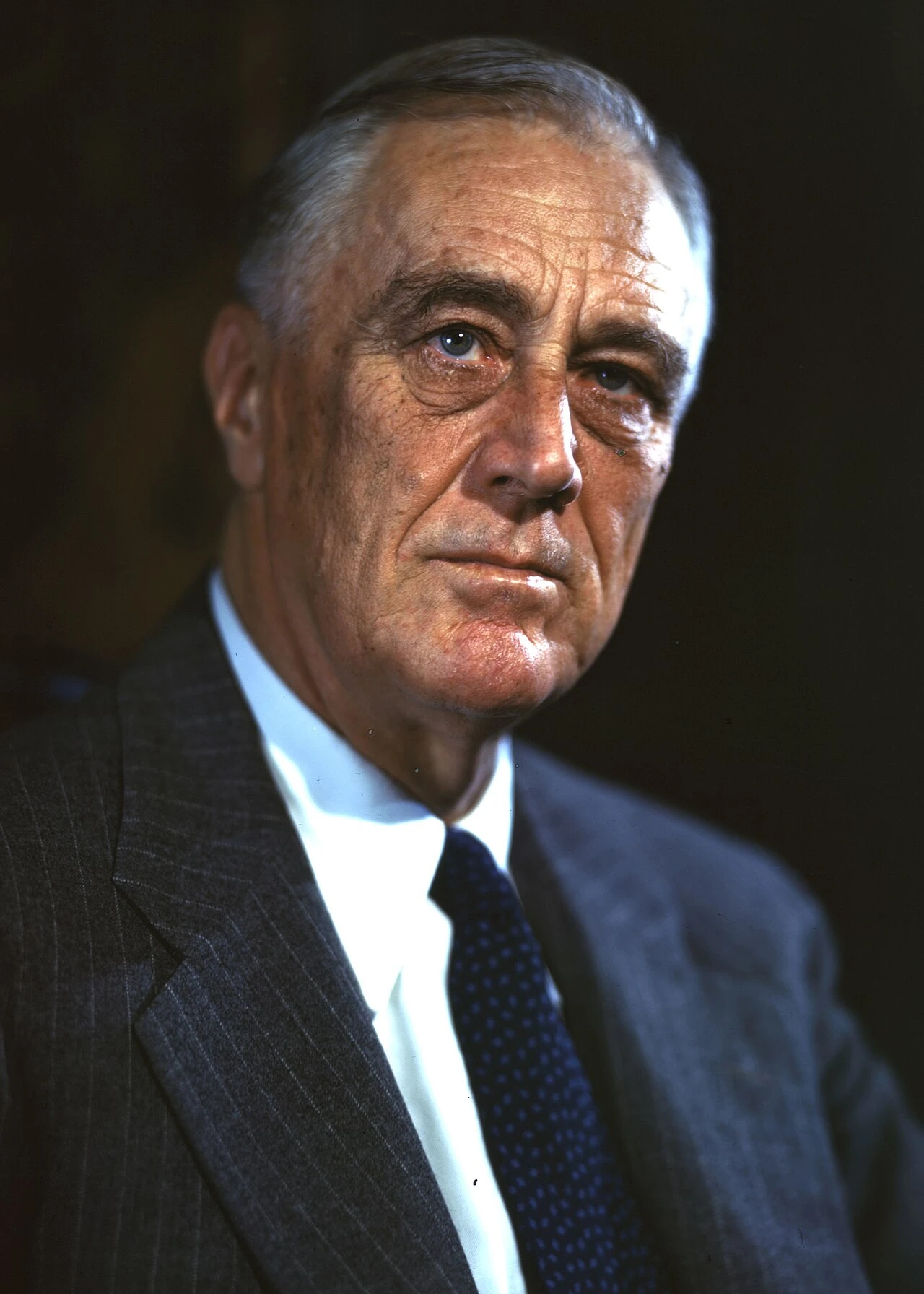
Roosevelt at the microphone — 29 December 1940
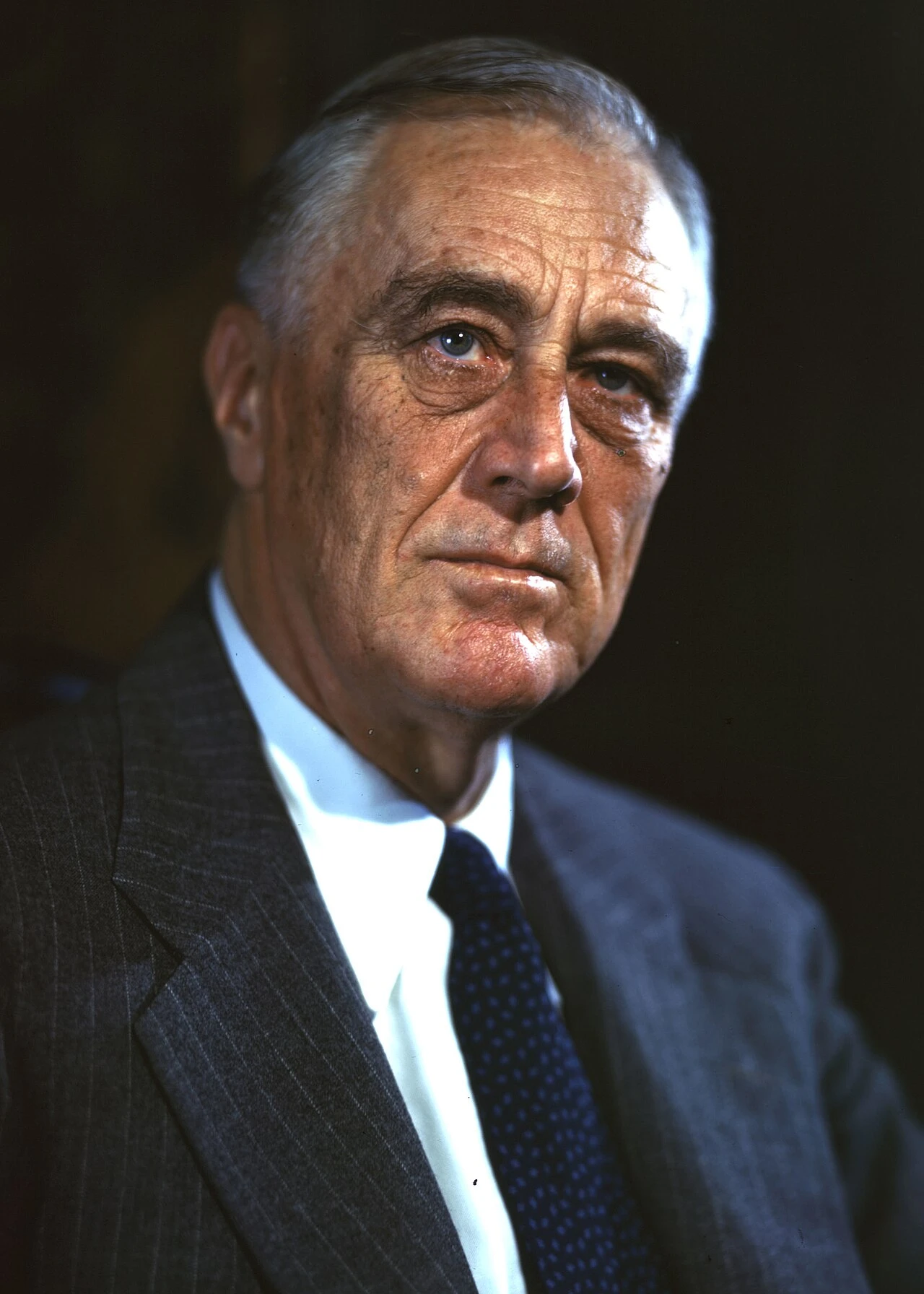
Roosevelt and the Japanese assets
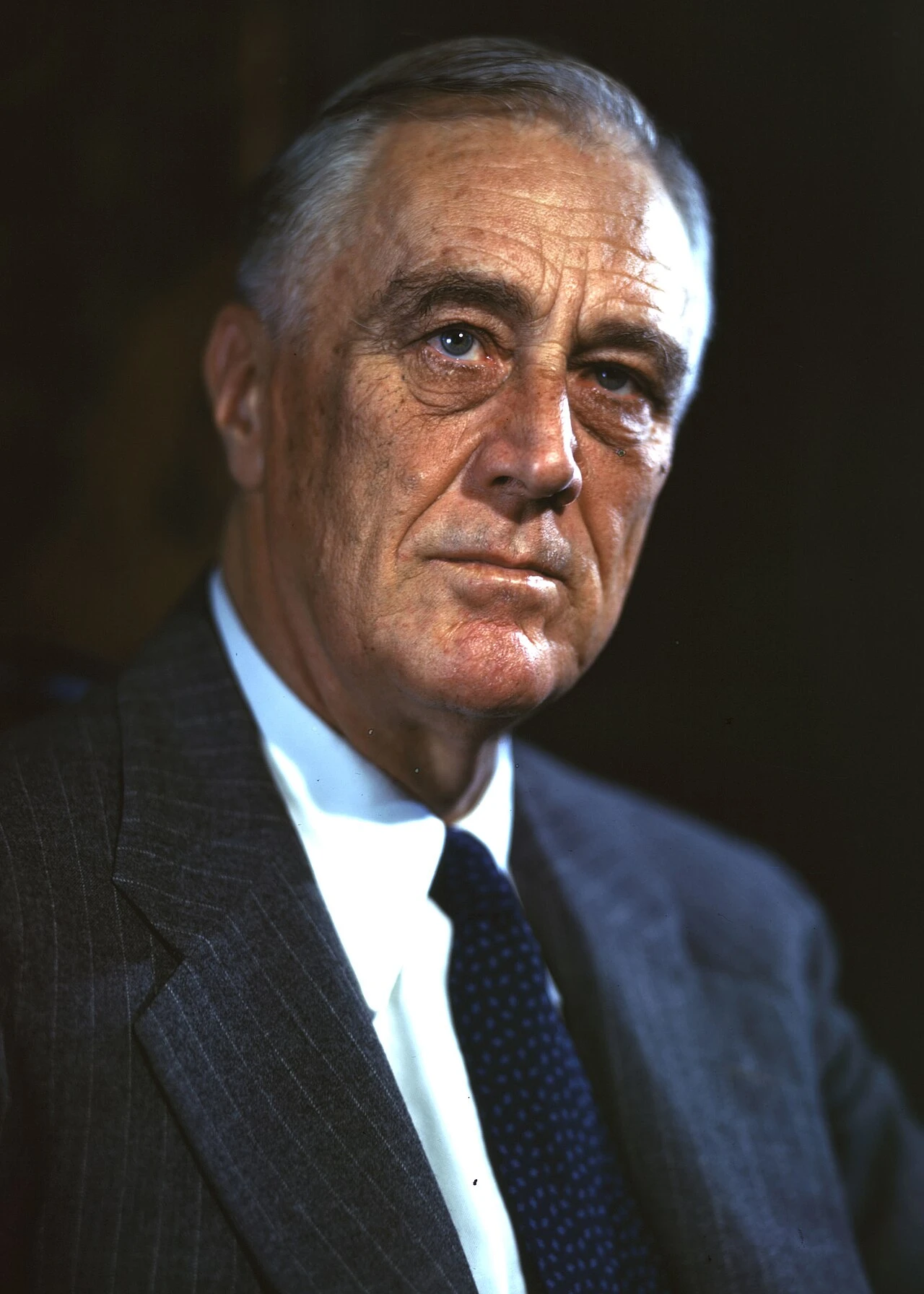
Roosevelt — signing Lend-Lease
Roosevelt — destroyers for bases
Roosevelt and the Squadron for Singapore — Washington, October 1940
The War Cabinet — Negotiate or Carry On
Dunkirk: should the French be saved alongside the British?
The Empire — Vichy or de Gaulle
Mussolini at the Palazzo Venezia — early June
Nomura and the Hull Note: Diplomacy on the Brink
Roosevelt at the microphone — 29 December 1940
Roosevelt and the Japanese assets