
British Clothes Rationing
On 1 June 1941, nearly two years after entering the war, the British Board of Trade introduces clothes rationing. Each adult receives 66 coupons a year: a suit costs 14, a dress 11. In the autumn of 1941, the CC41 label ("Civilian Clothing 1941") becomes mandatory on "Utility" garments: standardised fabrics, plain cuts, controlled prices.
A thirty-five-year-old London housewife, accustomed to quality pre-war clothing, sees her choices shrink overnight. The coupons limit purchases, and every new garment becomes a trade-off. Should she submit to the system, look for loopholes on the black market, or draw on a reserve built up before the restrictions?
Faced with clothes rationing, should the housewife comply with the coupons and Utility Clothing, buy on the black market, or stockpile pre-war clothes in advance?
The vast majority of Britons complied with rationing. The coupon system, in force from 1 June 1941 until 1949, was widely respected, and Utility garments marked CC41 (the so-called "two cheeses" logo, designed by ) became the norm in the autumn of 1941. The number of coupons, initially set at 66 a year, was reduced to as few as 24 by 1946. Couturiers such as and took part in the programme by designing Utility models. The black market and "make do and mend" existed on the margins, but the mass compliance with rationing remains one of the best-documented realities of the British home front. The Utility scheme did not end until 1952.
Learn more about this event
Related polls
10
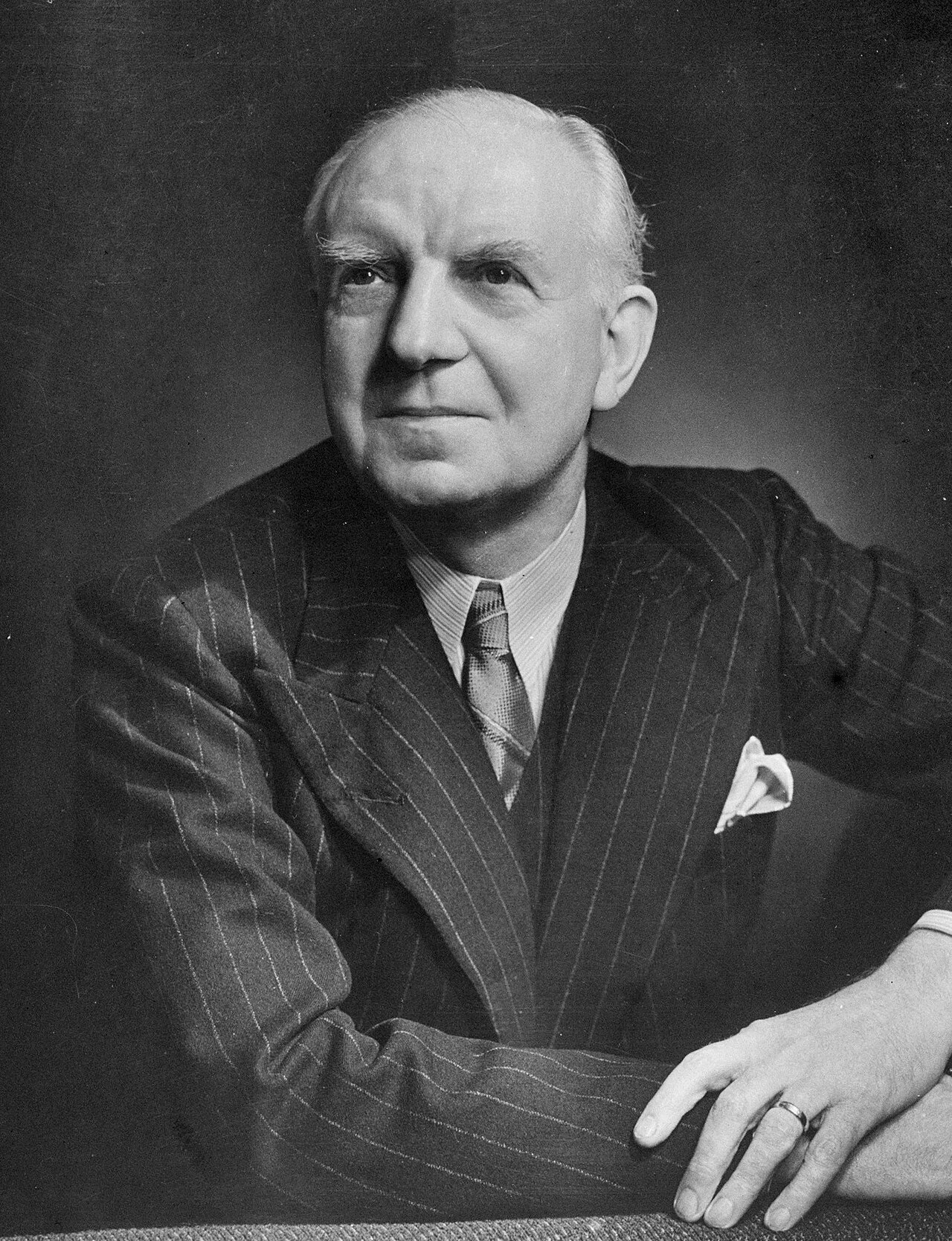
British rationing put to the test in 1941
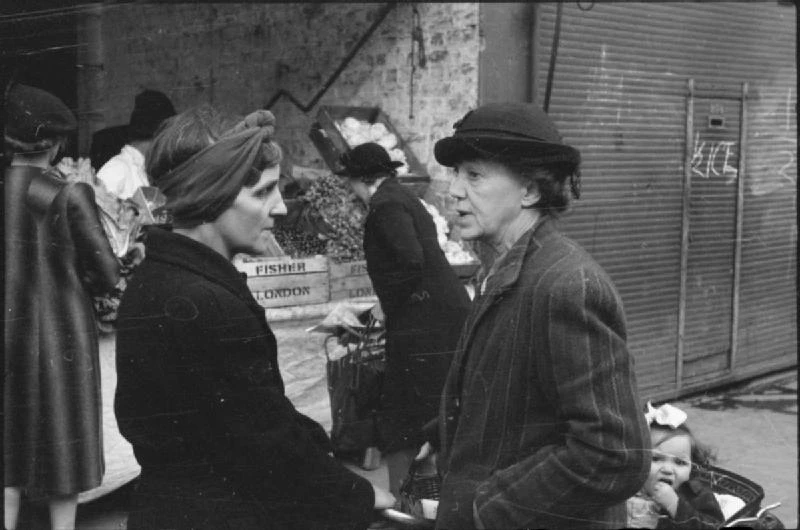
The Minister, the Fleet and the Empty Plates
British Coal for the Winter of 1939
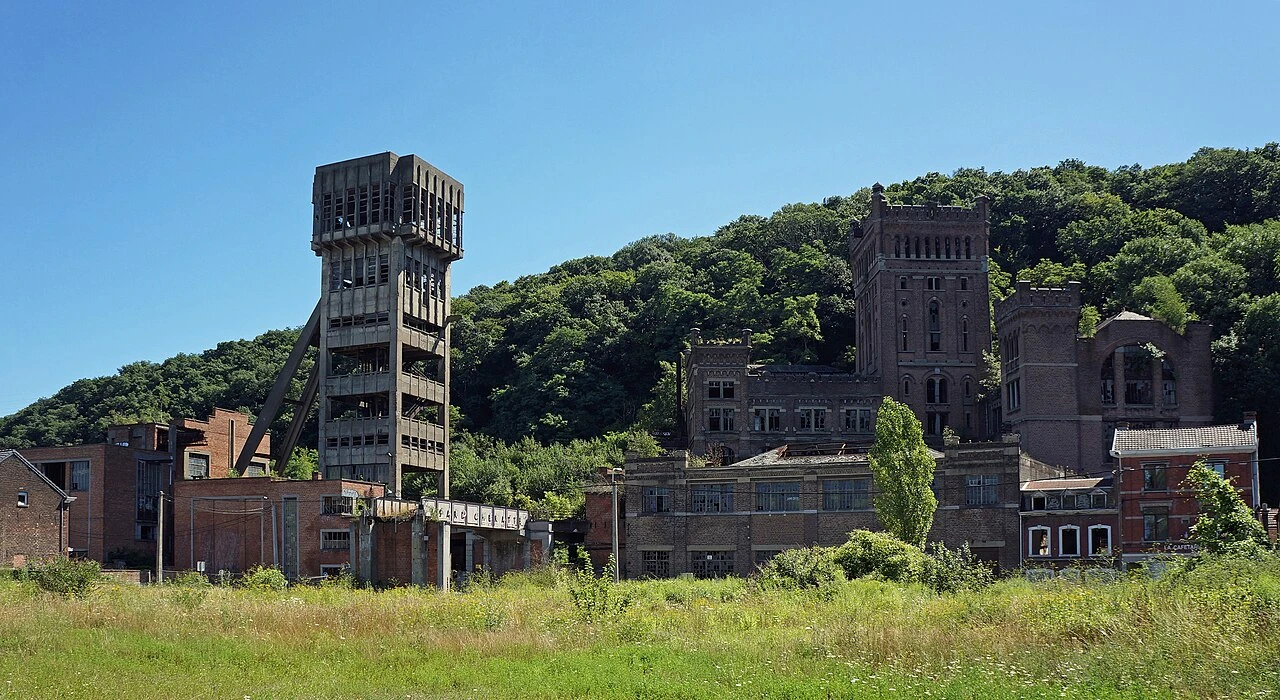
Campine Coal and the Hunger of Year One
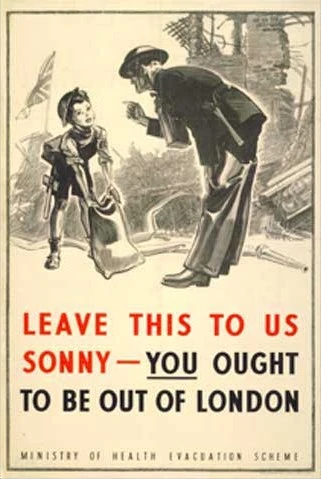
Operation Pied Piper — Womersley and the evacuation
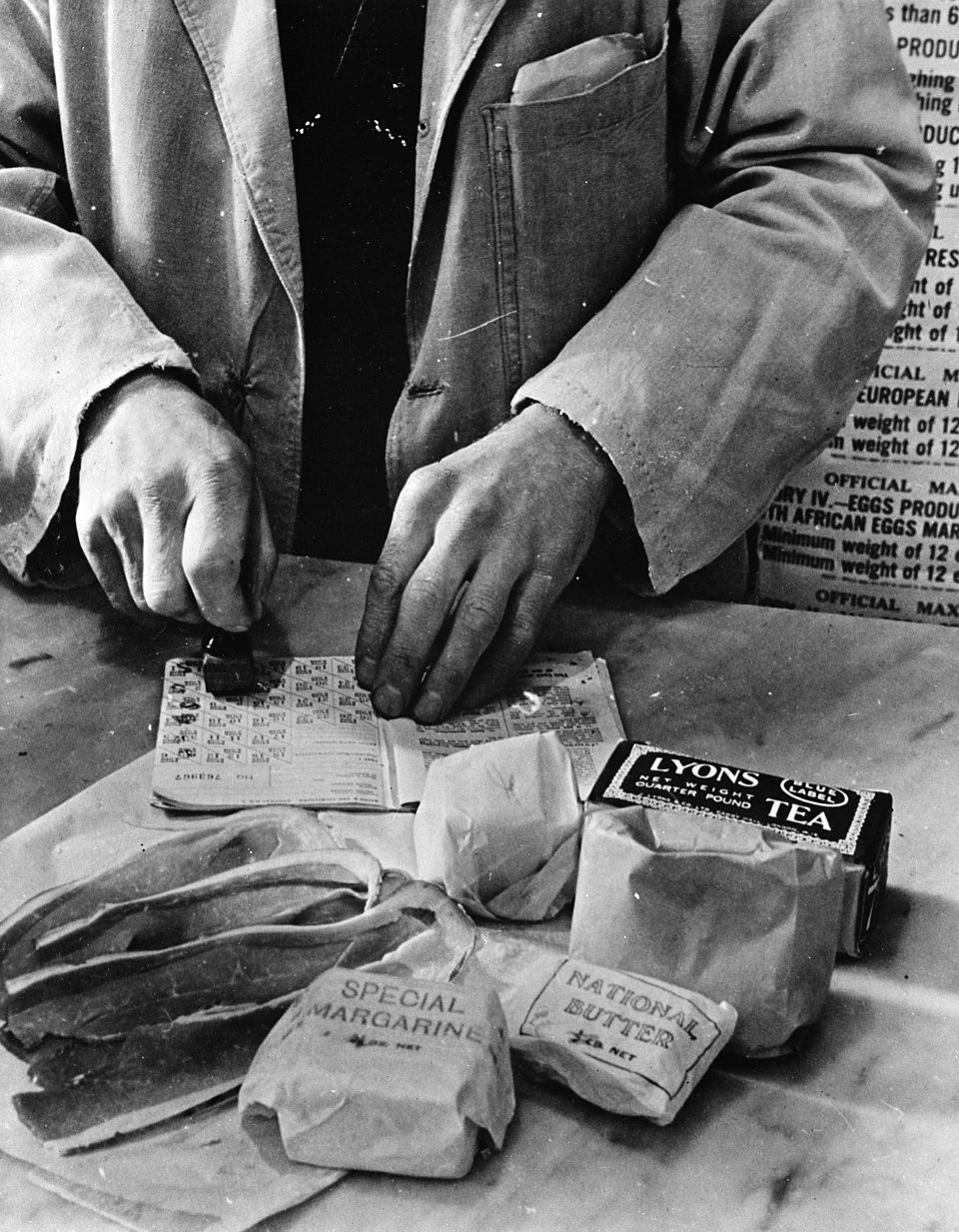
British rationing — Morrison and the principle
Winter rationing
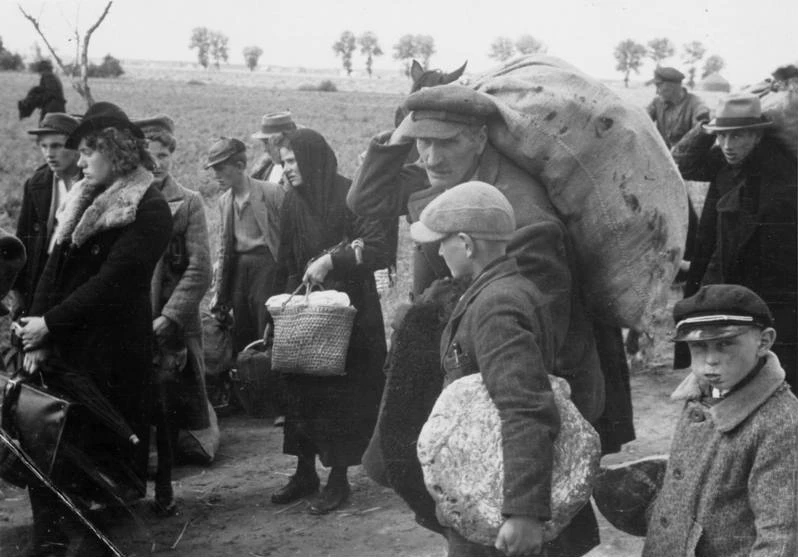
The Warsaw Student and the Black Market
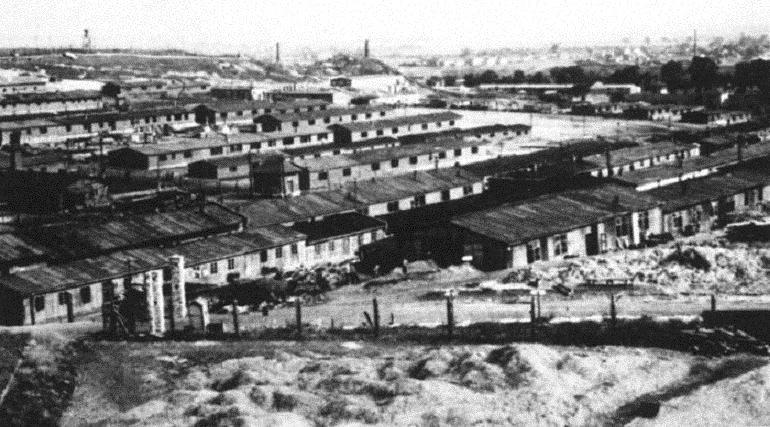
The Upper Silesian Pole Subjected to Forced Labour
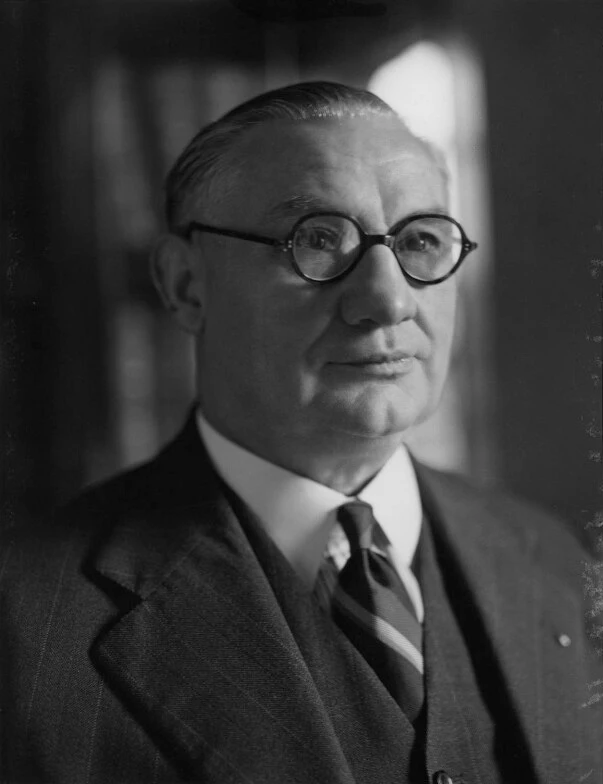
The Pits Run Dry — Bevin and the Coal of 1941
British rationing put to the test in 1941
The Minister, the Fleet and the Empty Plates
British Coal for the Winter of 1939
Campine Coal and the Hunger of Year One
Operation Pied Piper — Womersley and the evacuation
British rationing — Morrison and the principle
Winter rationing
The Warsaw Student and the Black Market
The Upper Silesian Pole Subjected to Forced Labour