
Timoshenko at Summa — 11 February
After the Soviet disasters of December 1939 and January 1940 — Suomussalmi, Raate, Tolvajärvi, Kollaa — Stalin sacks the commander-in-chief on 7 January 1940 and entrusts the to Marshal , 45, a Khalkhin Gol veteran and one of the few modern Soviet generals to have survived the Great Purges.
In three weeks Timoshenko reshapes Soviet strategy from top to bottom. He masses his forces on the Karelian Isthmus along the Vyborg-Helsinki axis, the only theatre where a strategic victory remains possible; he adopts a doctrine of deep penetration backed by overwhelming artillery, 1,800 guns concentrated on 80 km of front; he adds massive air support of 1,000 Tupolev SB and Polikarpov aircraft. In all he gathers 600,000 men, 1,500 tanks — T-26s, BT-7s and the KV-1 prototype — and 2,400 guns. Facing him, on the Mannerheim Line, stand around 130,000 Finns, 50 anti-tank guns and no armoured reserve.
The offensive opens on 1 February 1940 with a nine-day artillery preparation, the most intense in military history to that date: more than 800,000 shells fall on the 80 km of front. The Summa sector, central bolt of the Mannerheim Line, is saturated. From 11 to 13 February the Soviet infantry, supported by KV-1 tanks that the Finns' 37 mm Bofors anti-tank guns cannot pierce, drives the defence in to a depth of five kilometres.
Timoshenko must decide how to exploit the breakthrough.
How should Timoshenko exploit the Summa breakthrough?
Timoshenko applies A. From 13 to 29 February 1940 the advances 25 km on a 60 km front, takes the Saimaa Canal (16 February), envelops Vyborg (23 February) and enters the city (half-evacuated by the Finns) on 1 March. Mannerheim warns the Ryti government on 28 February that the Finnish army can hold no more than two weeks — manpower reserves exhausted, ammunition at the minimum, no armoured reserve. The Finnish delegation leaves for Moscow on 6 March. The Peace of Moscow is signed on 12 March 1940 at 23:00. Terms: Finland cedes 11 percent of her territory — Karelian Isthmus, Vyborg (her second city), the Sortavala region, the port of Hanko (leased for 30 years), Kuusamo, Salla — some 35,000 km² and 422,000 Finnish refugees evacuated to the south-west. Finland keeps her independence. Toll of the Winter War (105 days): Finland 25,904 dead, 43,557 wounded; USSR 131,476 dead (figures released post-1991), 325,000 wounded or missing, 5,600 prisoners, 3,543 tanks lost, 594 aircraft lost. Timoshenko was promoted Marshal and made commander-in-chief of the in 1940. The lesson of the Winter War for Hitler: "The is weak; it will collapse like a rotten hovel as soon as we strike it." A catastrophically wrong diagnosis that would inspire Barbarossa.
Learn more about this event
Related polls
10
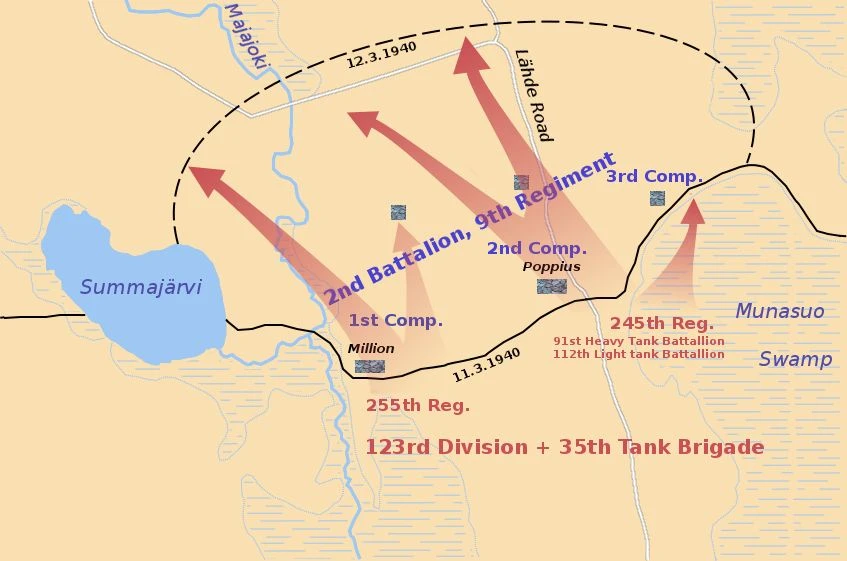
Lähde — Yakovlev against the Mannerheim bolt
The Houx weir
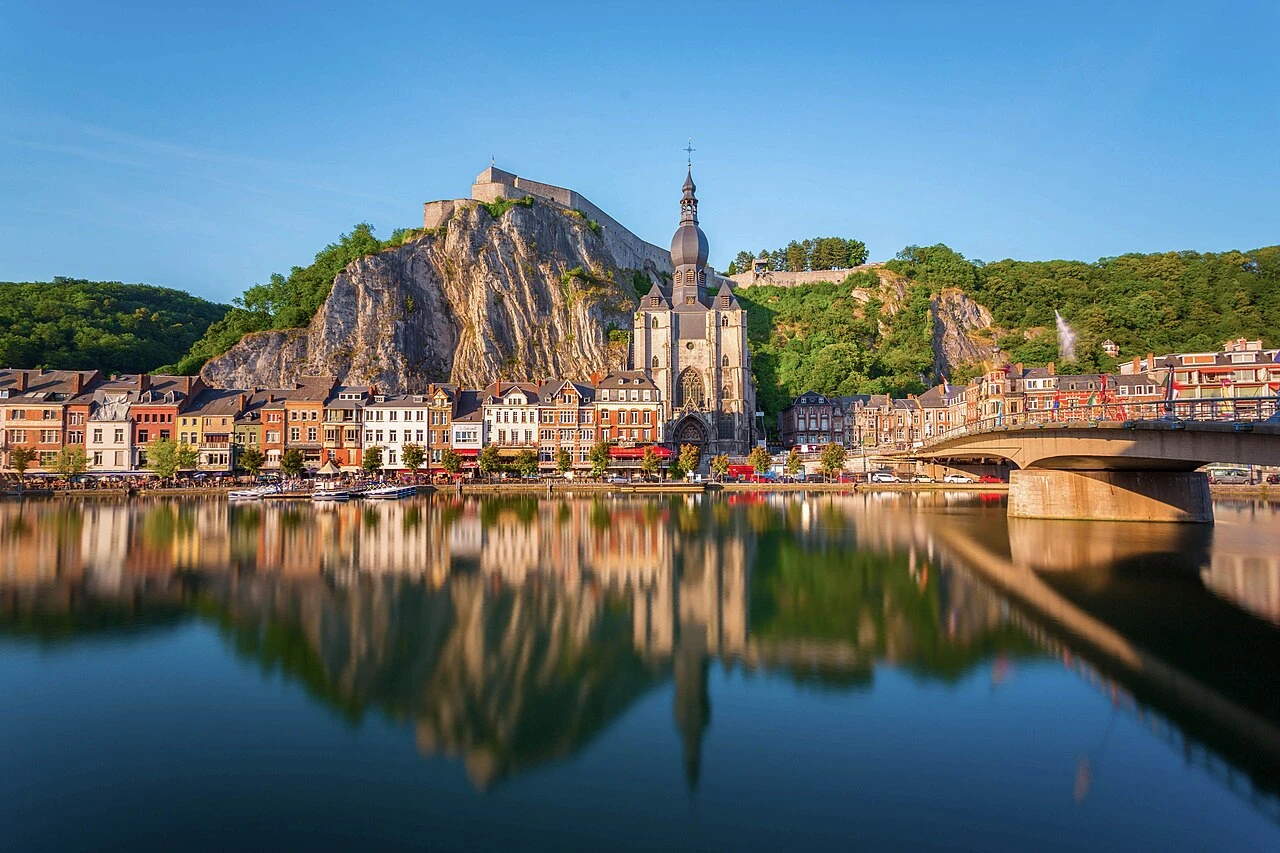
The crossing of the Meuse at Dinant
Pintor in the Alps — 21 June
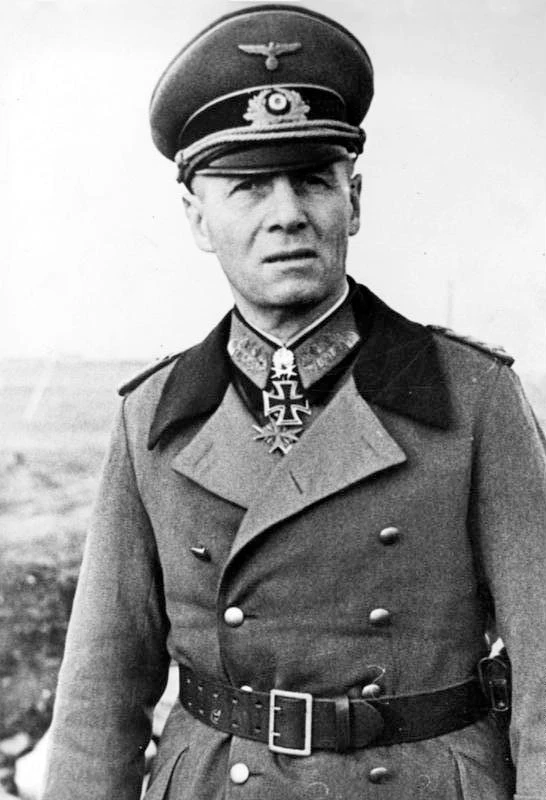
Rommel before the Meuse — Dinant, 13 May
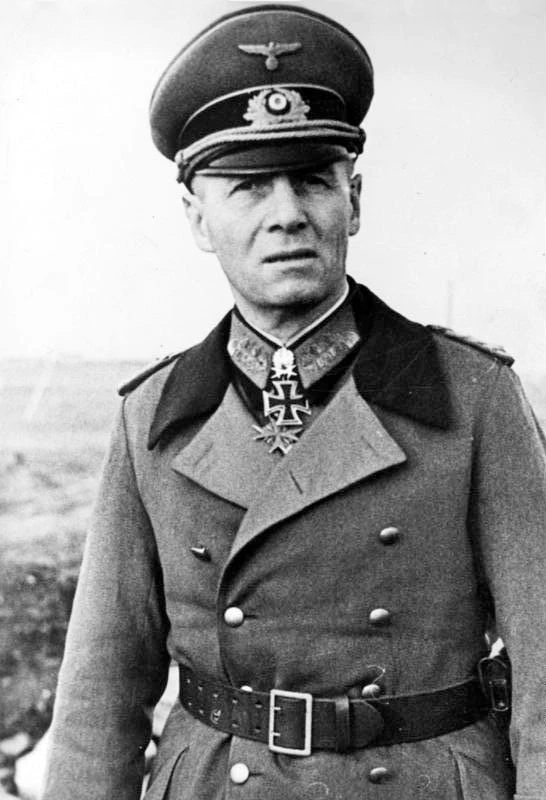
Rommel before the Serre — the Crécy bridge
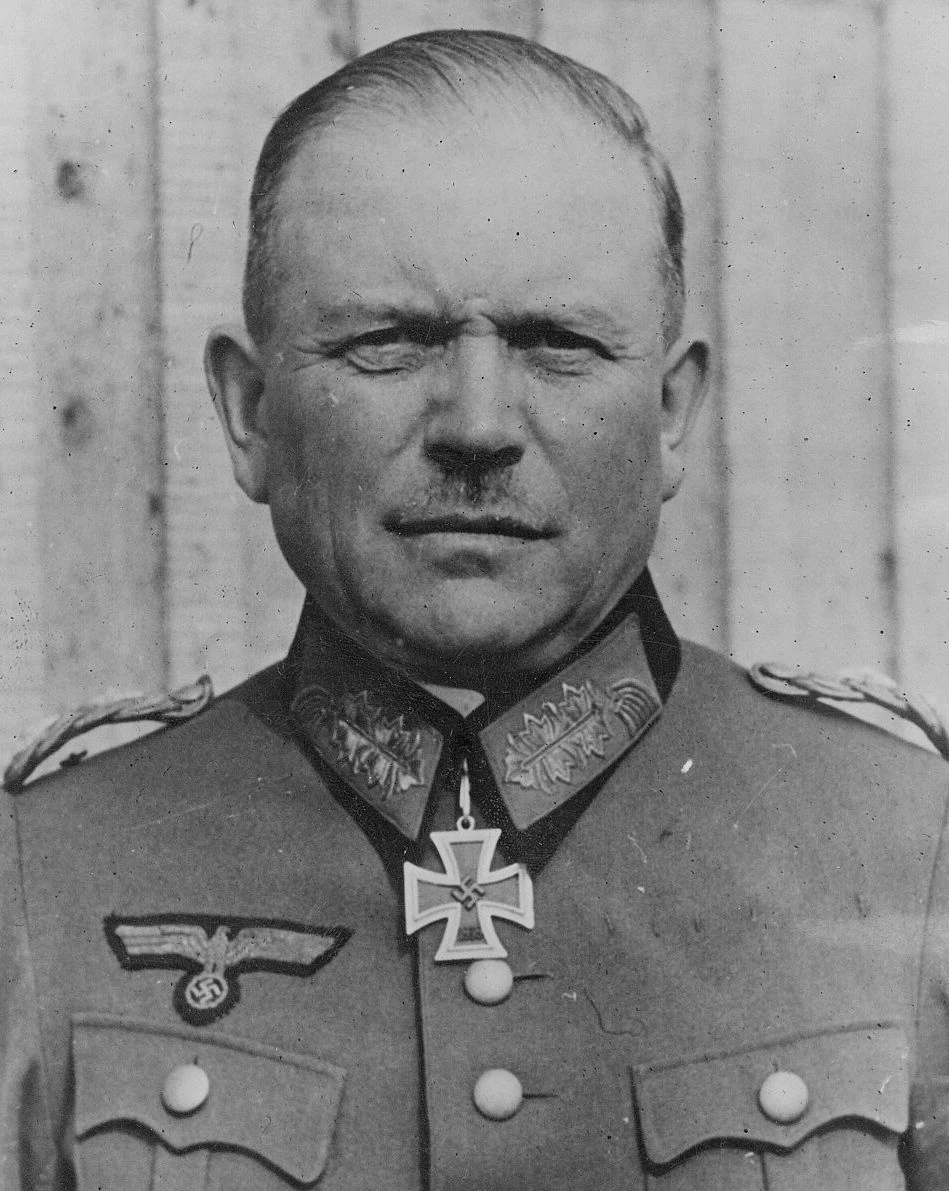
Sedan — Guderian on the Meuse
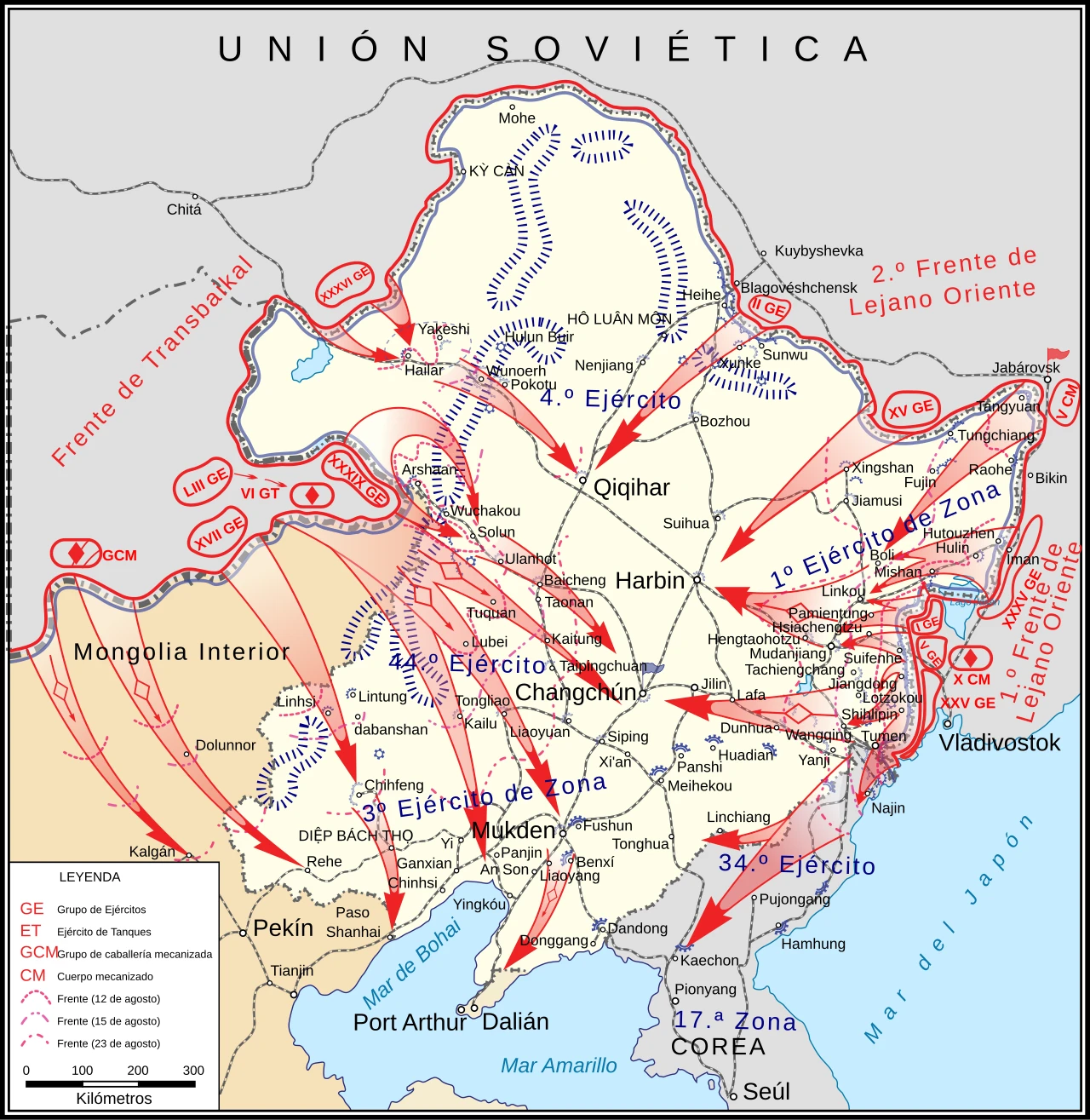
Zhukov Counterattacks
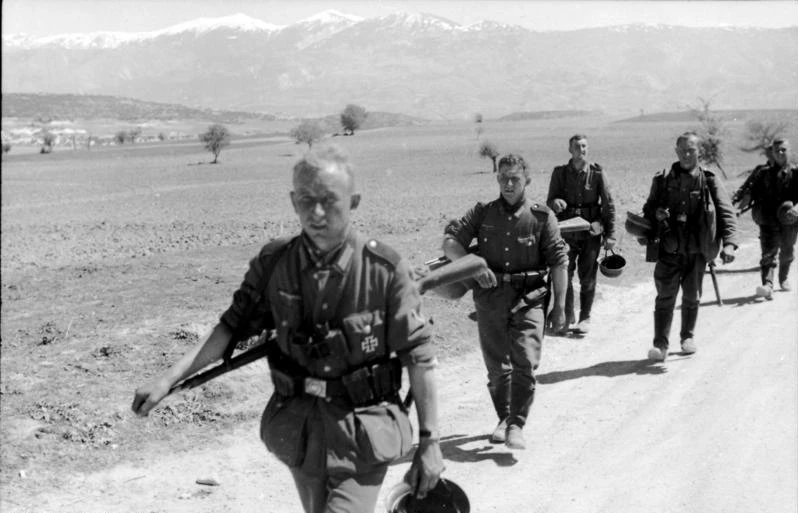
Marita — the invasion of Greece
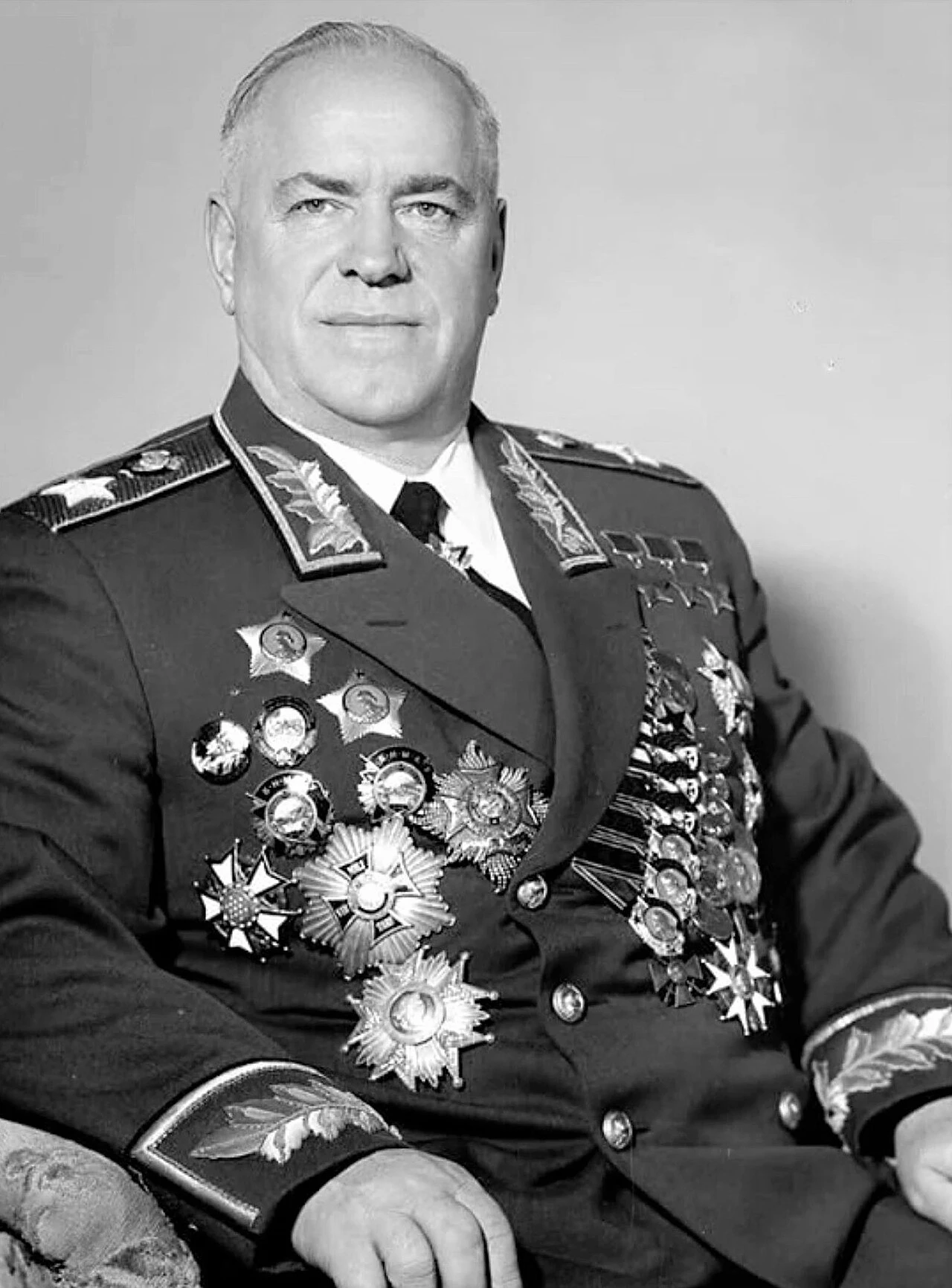
Khalkhin Gol — Baïn-Tsagan
Lähde — Yakovlev against the Mannerheim bolt
The Houx weir
The crossing of the Meuse at Dinant
Pintor in the Alps — 21 June
Rommel before the Meuse — Dinant, 13 May
Rommel before the Serre — the Crécy bridge
Sedan — Guderian on the Meuse
Zhukov Counterattacks
Marita — the invasion of Greece