
In the spring of 1939, Germany has already absorbed Austria, dismembered Czechoslovakia and wrested Memel from Lithuania. The success of these coups without war has reinforced Hitler's confidence in his own audacity. But Poland, backed since 31 March by a British guarantee, refuses to cede Danzig.
On 23 May 1939, Hitler assembles his principal military chiefs at the Chancellery. Before them, he expounds his thinking — a record of it will be kept by his aide-de-camp Schmundt. The question, he says in substance, is not Danzig in itself, but 'living space' and access to resources; Poland must be attacked at the first favourable opportunity.
There remains the major unknown: the Western powers. An attack on Poland risks triggering a general war that Germany is not certain of winning on two fronts. Hitler must set the course for his General Staff: firmly prepare the war against Poland by betting on the passivity or isolation of the West, temporise, or content himself with diplomatic pressure.
Should Hitler order his generals to prepare the attack on Poland, at the risk of a general war?
Hitler chooses A: before his generals, he affirms his resolve to attack Poland at the first opportunity and to settle the problem by force, while seeking to isolate Warsaw from its allies. The military planning directive 'Fall Weiss' is set in motion. Hitler bets that France and the United Kingdom, as at Munich, will back down or fail to act in time. This gamble on Western passivity, and the quest for an agreement with the USSR to avoid a second front, will structure all of German diplomacy in the summer of 1939. The 'Fall Weiss' directive henceforth sets the objective of a possible attack from the end of August, subject to a favourable opportunity.
Learn more about this event
Related polls
10
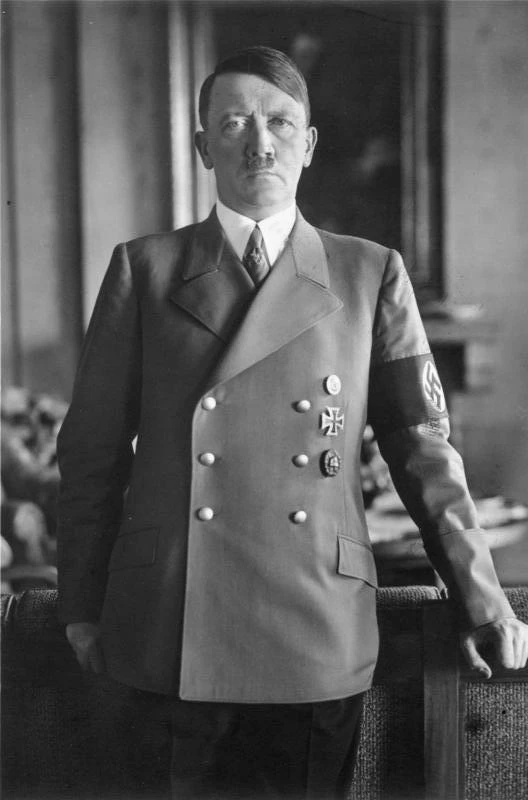
The Obersalzberg Speech
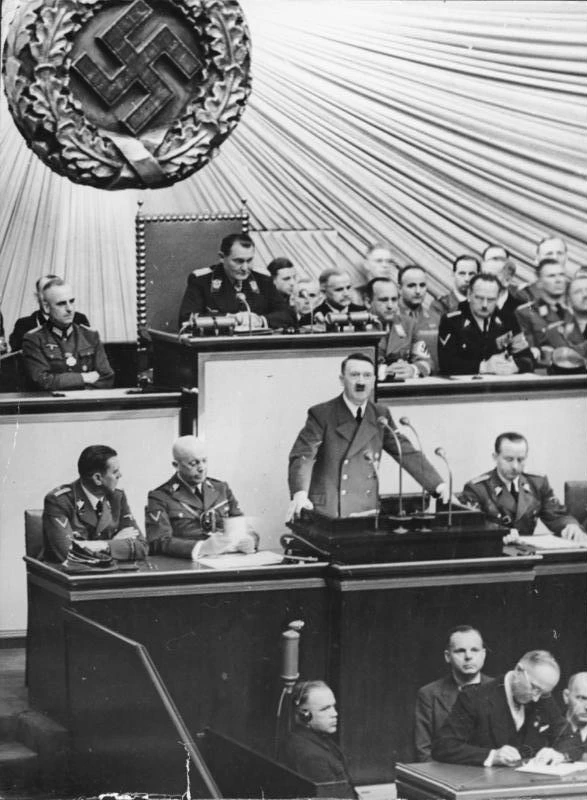
Hitler — the Reichstag Speech
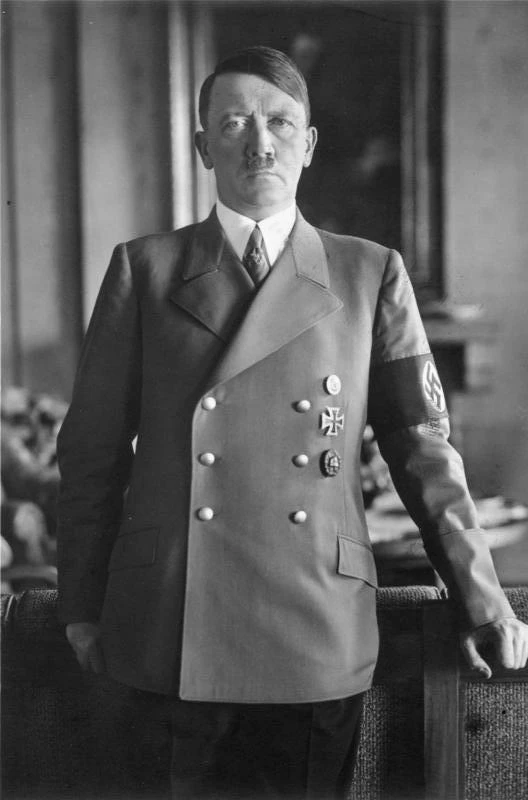
Hitler Postpones Fall Weiss
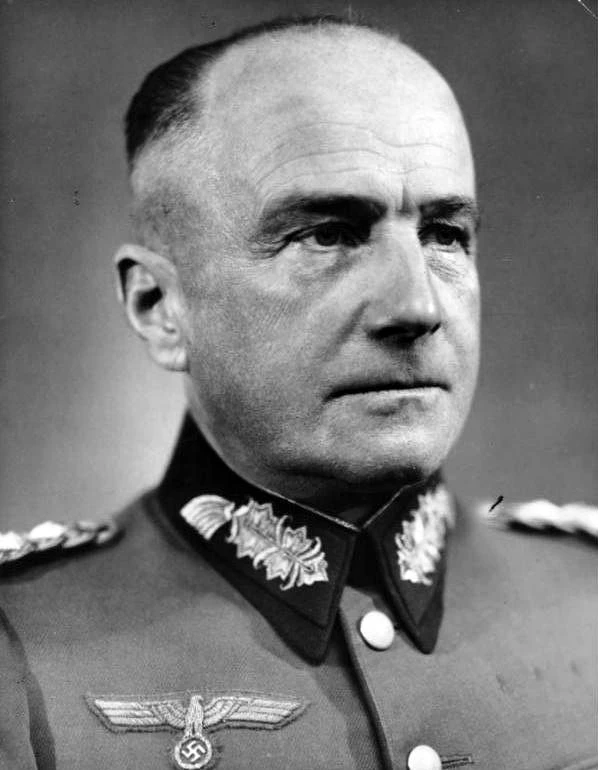
Brauchitsch — Reich Chancellery, 5 November
Bulgaria: lock of the Balkans, a price to pay
Hitler After Molotov — Berlin, November 1940
Hitler and Fall Gelb — 29 postponements
The Indische Legion — Subhas Chandra Bose in Berlin
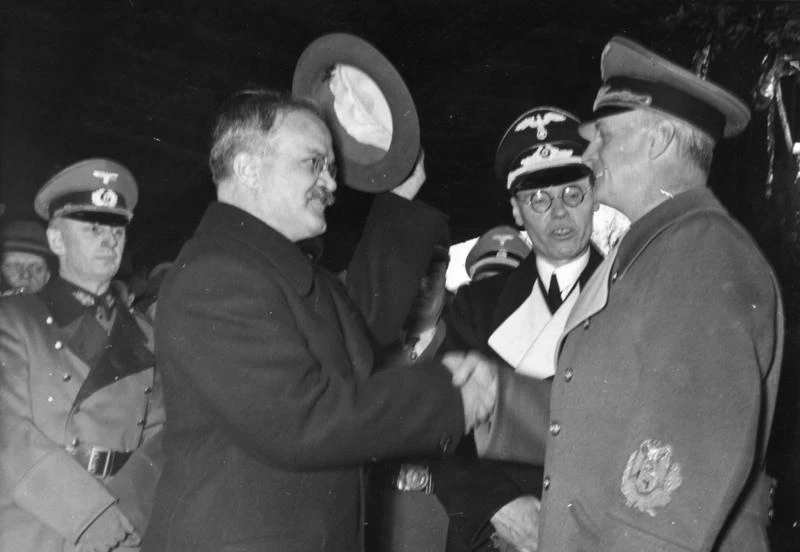
Molotov in Berlin — November 12
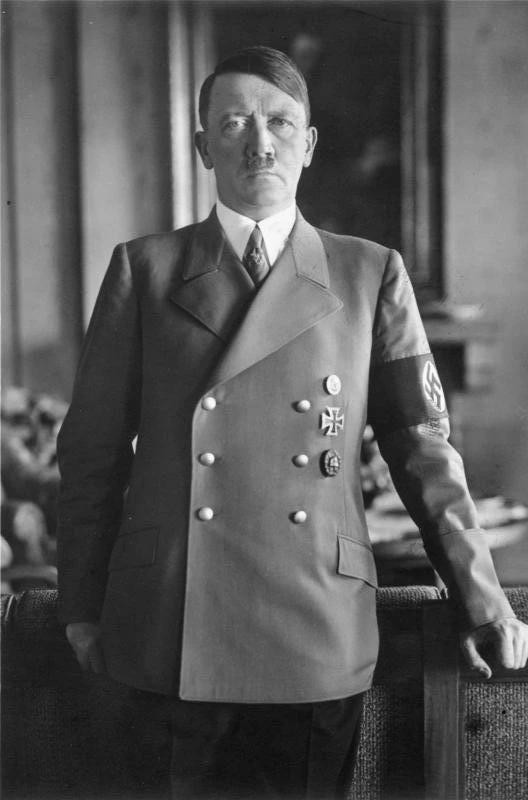
Gibraltar after the rebuff at Hendaye
The Obersalzberg Speech
Hitler — the Reichstag Speech
Hitler Postpones Fall Weiss
Brauchitsch — Reich Chancellery, 5 November
Bulgaria: lock of the Balkans, a price to pay
Hitler After Molotov — Berlin, November 1940
Hitler and Fall Gelb — 29 postponements
The Indische Legion — Subhas Chandra Bose in Berlin
Molotov in Berlin — November 12