
The Obersalzberg Speech
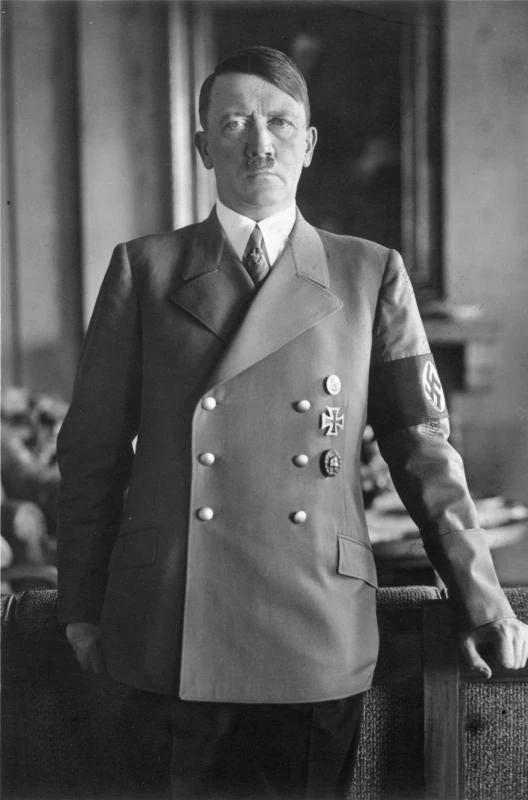
On 22 August 1939, on the eve of signing the pact with the USSR, Hitler gathers his principal military chiefs at the Berghof, his residence at the Obersalzberg. The reversal of alliances taking shape with Moscow lifts the spectre of a second front: Germany will be able to attack Poland without fearing the Red Army at its back.
Before his generals, Hitler sets out his resolve. Several accounts of this speech have come down to us, with variations. In it he asserts his determination to destroy Poland, urges his commanders to act with the utmost brutality and without pity, and sweeps aside considerations of law. Some witnesses attribute to him a remark about the oblivion into which the extermination of the Armenians had supposedly fallen — words that are reported but whose authenticity is disputed.
Hitler must confirm the course to his staff. Launch the attack as soon as the pact is signed, gambling that the West will not act in time? Maintain diplomatic pressure without taking the step? Or delay still further? The Berghof speech sets the frame of mind in which the war is to be waged.
With the Soviet pact secured, should Hitler give the order to attack Poland and to act « without pity »?
Hitler chooses A: bolstered by the Soviet agreement concluded the next day, he confirms to his generals the decision to attack Poland and the demand for a merciless war. The attack is first set for the dawn of 26 August. The tone of the Obersalzberg speech — contempt for law, a call to brutality, the dehumanisation of the adversary — announces the nature of the war of annihilation about to descend on Poland, and foreshadows the mass crimes of the years that follow. The accounts of this speech will be among the documents examined at the Nuremberg trial. The pact with the USSR, signed the next day, will remove the last strategic obstacle to the attack on Poland.
Learn more about this event
Related polls
10
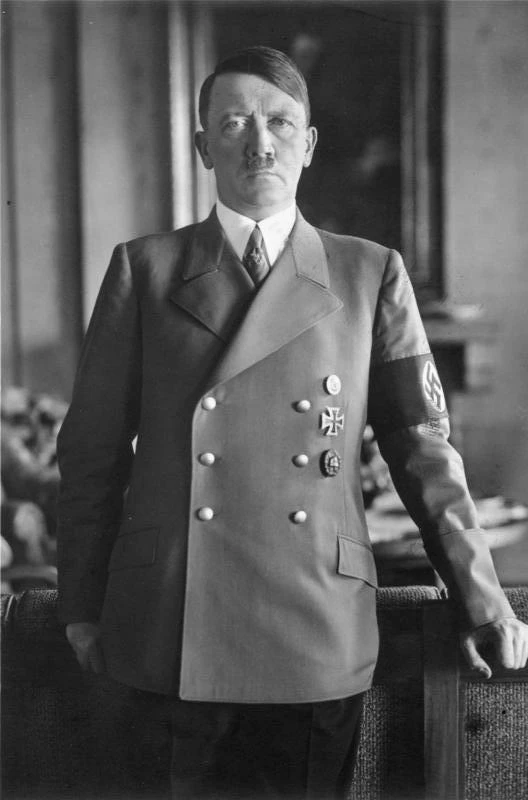
Hitler Postpones Fall Weiss
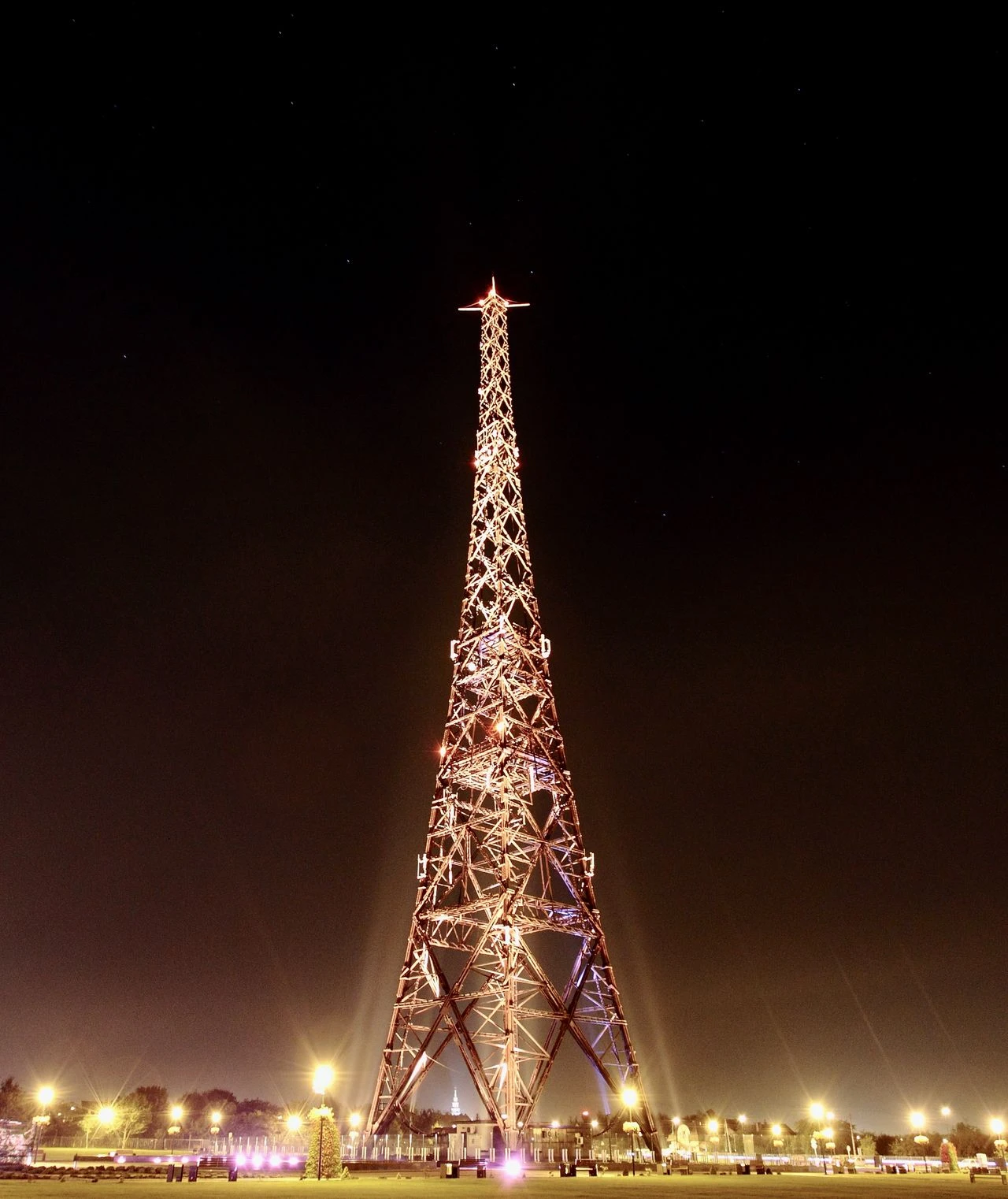
Gleiwitz — Naujocks at the Transmitter
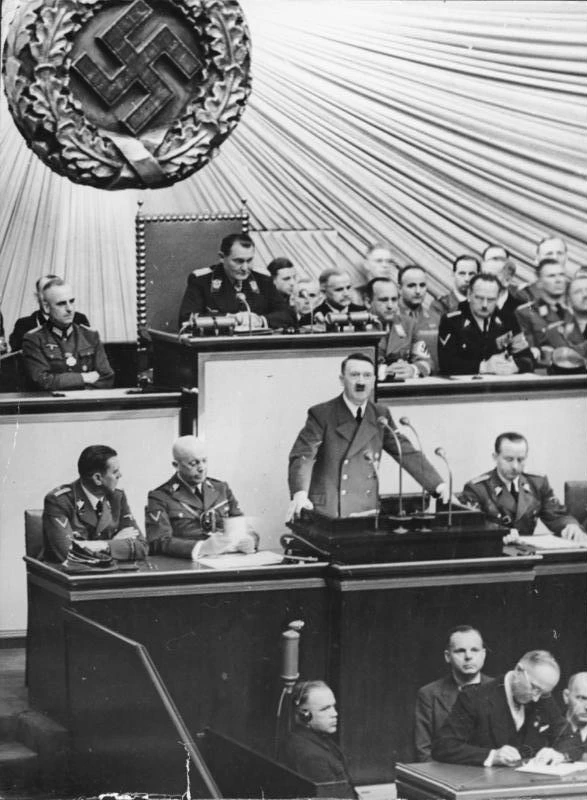
Hitler — the Reichstag Speech
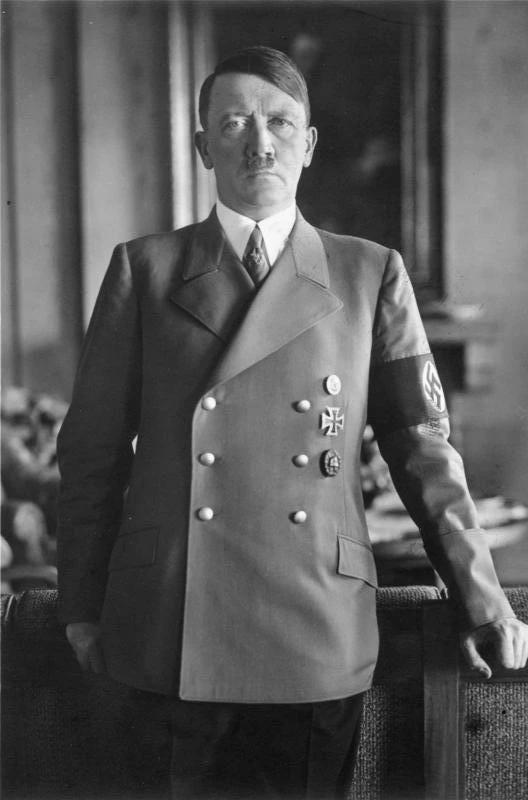
Hitler Before His Generals
A Danzig Customs Officer on the Day of Annexation
AB Aktion — planning at the Wawel
Brauchitsch — Reich Chancellery, 5 November
Bulgaria: lock of the Balkans, a price to pay
The Prophecy Speech
Forster — Kashubians and Kociewiacy
Hitler Postpones Fall Weiss
Gleiwitz — Naujocks at the Transmitter
Hitler — the Reichstag Speech
Hitler Before His Generals
A Danzig Customs Officer on the Day of Annexation
AB Aktion — planning at the Wawel
Brauchitsch — Reich Chancellery, 5 November
Bulgaria: lock of the Balkans, a price to pay
The Prophecy Speech