
Smushkevich — report to Stalin
On the eve of the Winter War, Soviet aviation (VVS RKKA) was numerically overwhelming: 3,253 aircraft deployed on the Finnish theatre, against 114 Finnish fighters. A 28:1 ratio. Doctrine: strategic bombing of the cities (Helsinki, Turku, Tampere) to bring about moral collapse; tactical support of the ground infantry divisions.
, 37, had been head of the VVS since November 1939 — a hero of the Spanish war (air general), a Lithuanian Jew, twice Hero of the Soviet Union. He expected an easy aerial victory.
Over the 105 days of war, Soviet aviation flew 44,000 sorties and dropped 7,500 tons of bombs on 954 targets. But the outcome was disastrous: - 957 aircraft lost (29% of the initial strength) - 534 dead among the aircrews - No strategic objective achieved (Helsinki held out, Finnish industry was not paralysed) - Total failure of moral bombing
Smushkevich had to decide how to present the failure to Stalin on 15 March 1940.
Should Smushkevich own the failure openly?
Smushkevich applied C. On 15 March 1940 (two days after the peace), he submitted a critical report to Stalin and proposed a structural reform of the VVS. This honesty would prove fatal: Stalin tolerated no criticism. On 8 June 1941 (14 days before Barbarossa), Smushkevich was arrested by the NKVD on a charge of "membership of a Trotskyist anti-Soviet conspiracy". Shot on 28 October 1941 at Kuybyshev, with seven other air generals. Posthumously rehabilitated in 1957 by Khrushchev. The aerial disaster of the Winter War was not learnt from in time: in June 1941, the VVS deployed on the Polish border would be destroyed on the ground by the Luftwaffe in the opening days of Barbarossa — a repeat of the same pattern. The Finnish balance sheet of the air war of 1939-1940 remains a historical demonstration that numerical superiority without tactical preparation does not guarantee victory.
Learn more about this event
Related polls
10
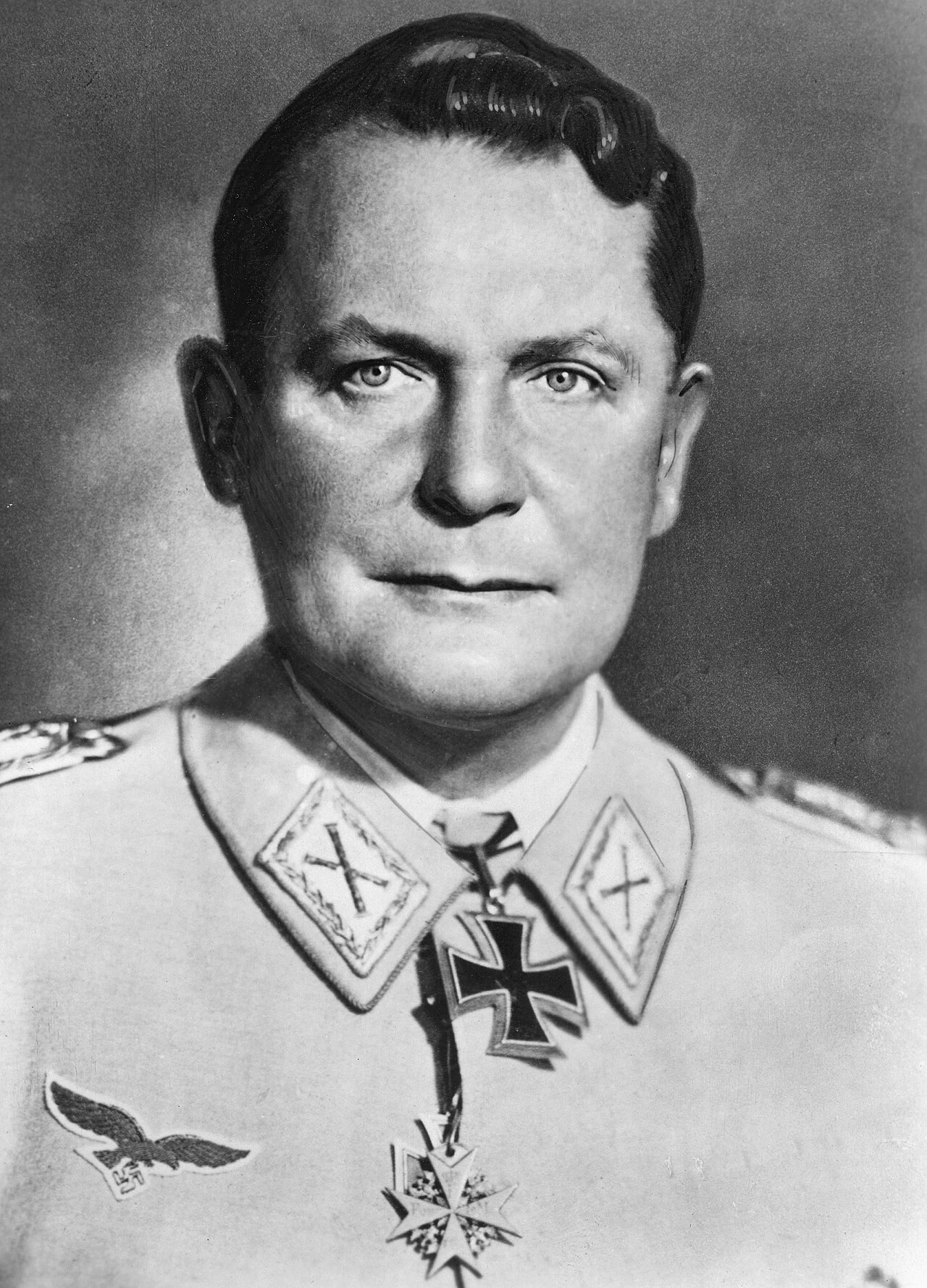
Goering at Carinhall — the promise to Hitler
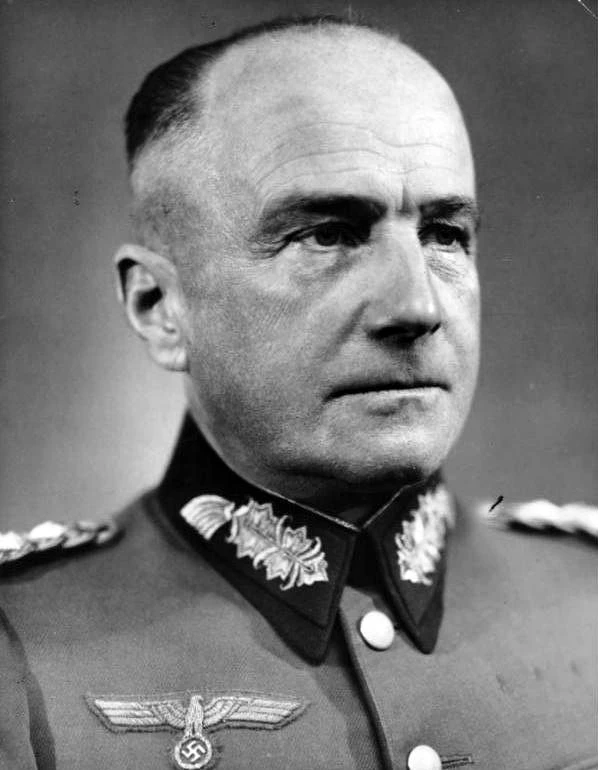
Brauchitsch — Reich Chancellery, 5 November
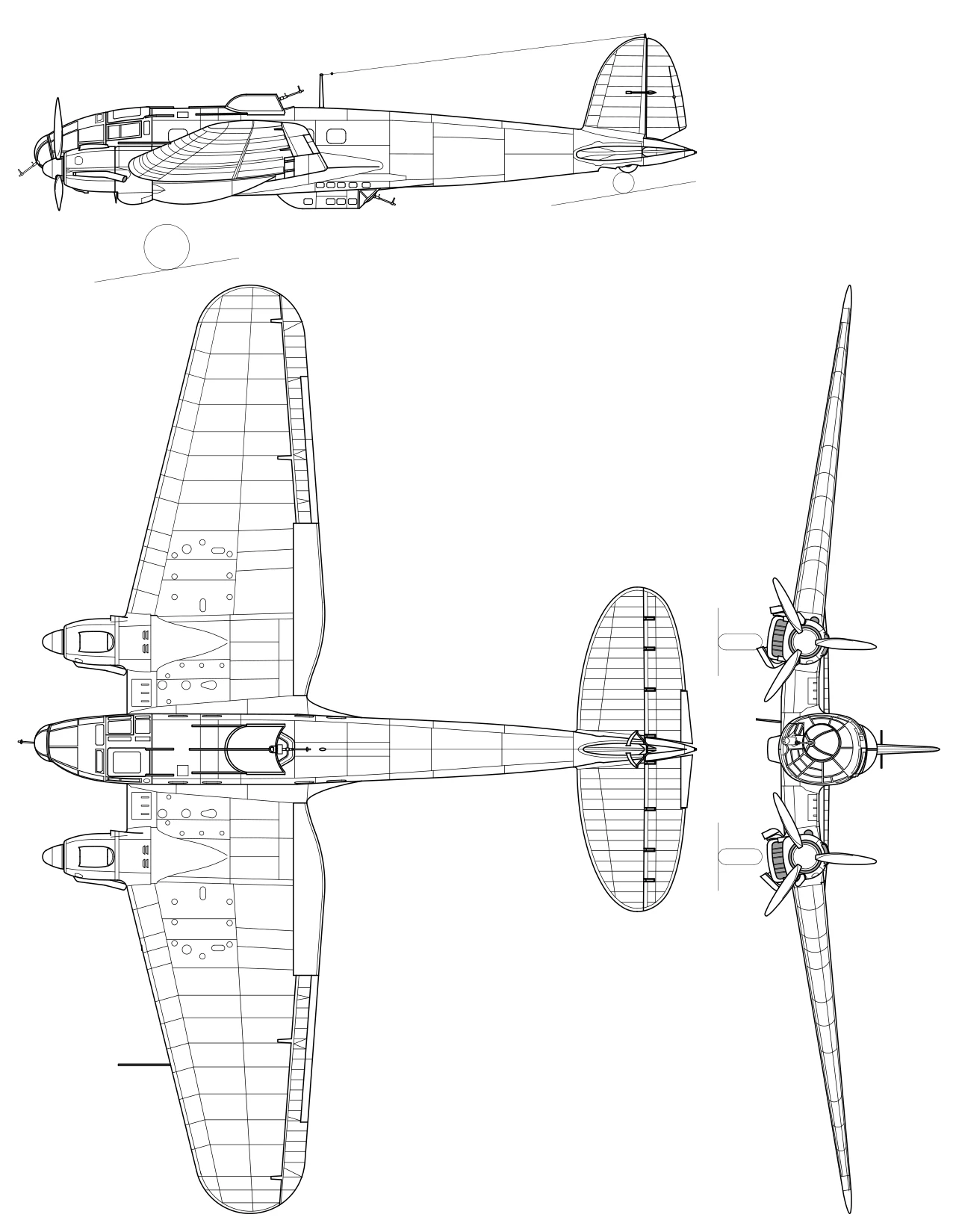
The doctrine of terror bombing
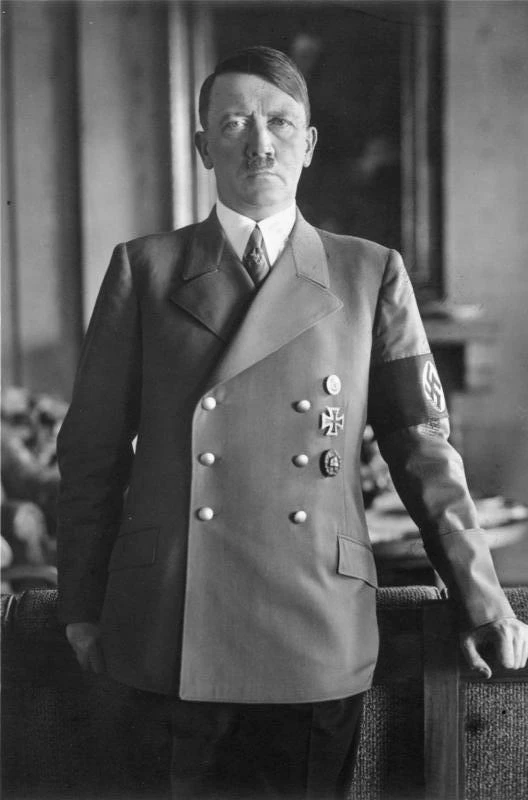
Hitler at the Felsennest — the anguish of the flanks
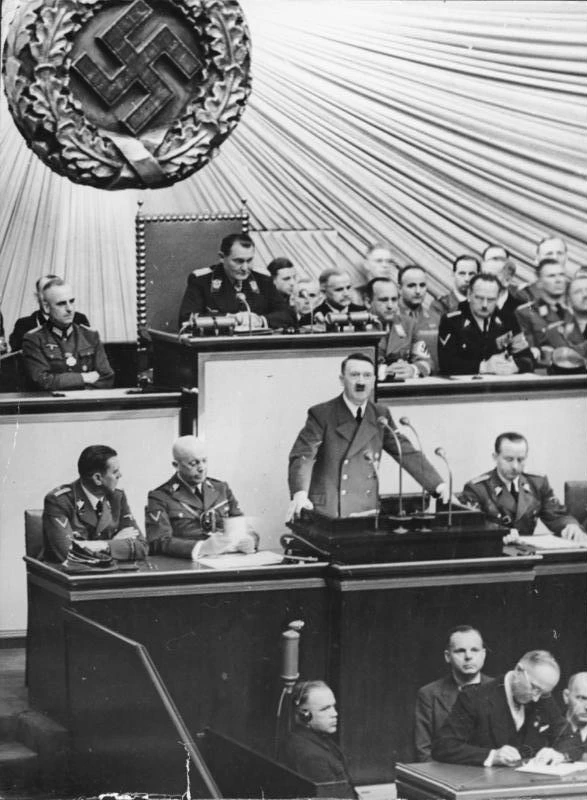
Hitler — the Reichstag Speech
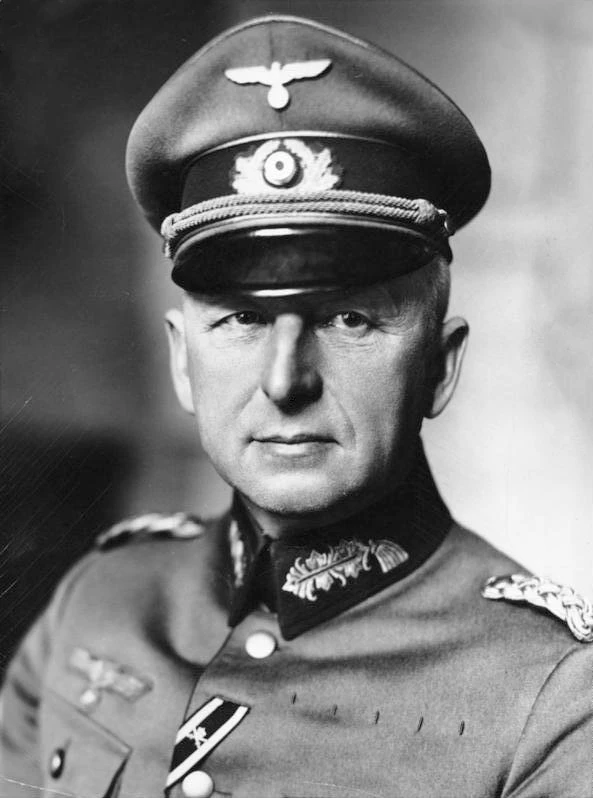
Manstein watches his plan — Koblenz, 10 May
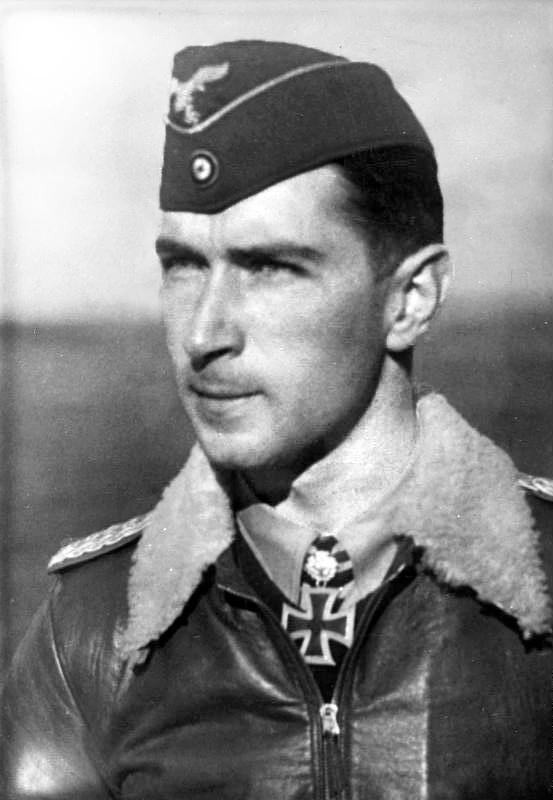
Mölders above the columns — 18 May
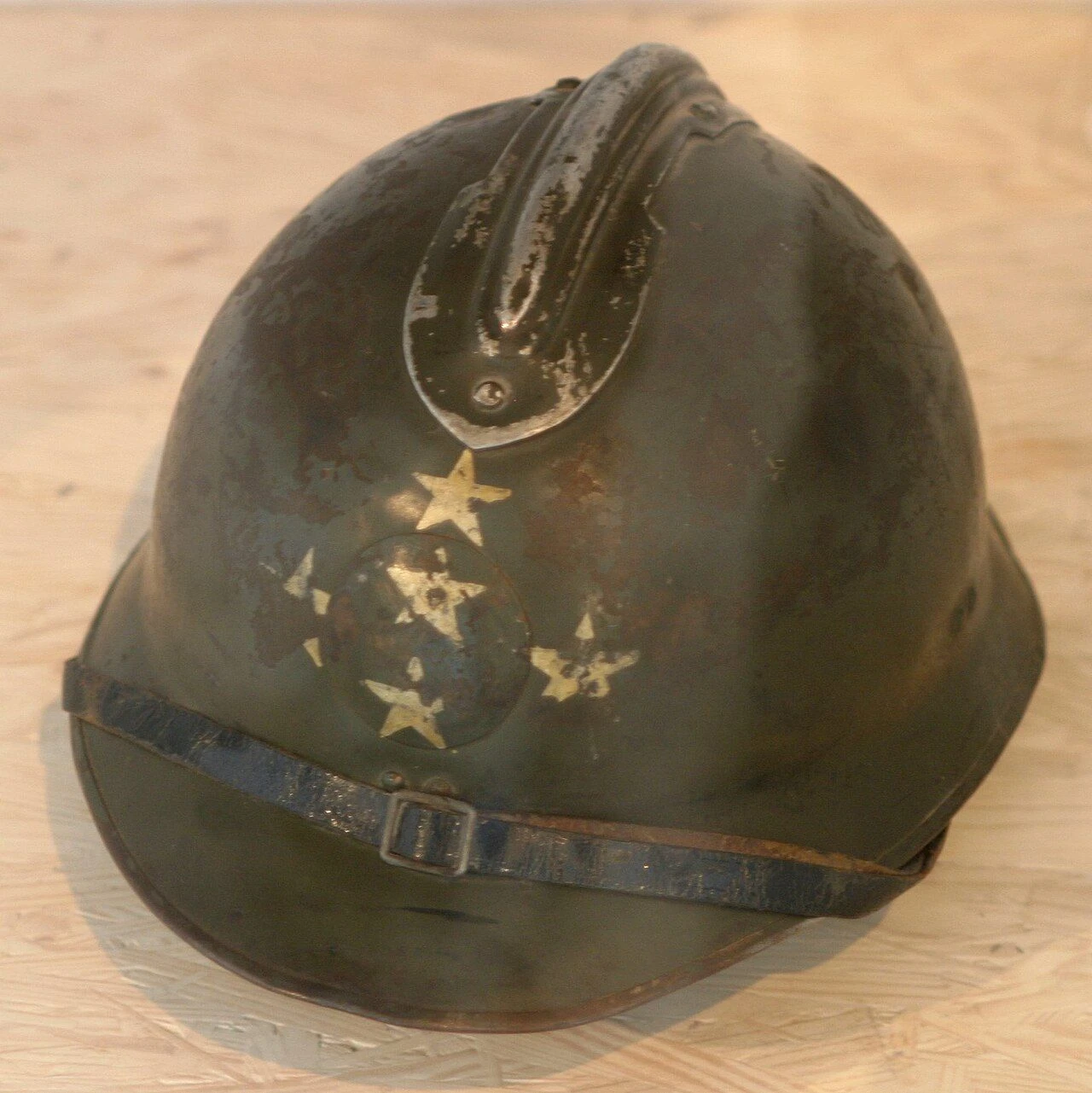
Vuillemin — the Armée de l'Air on standby
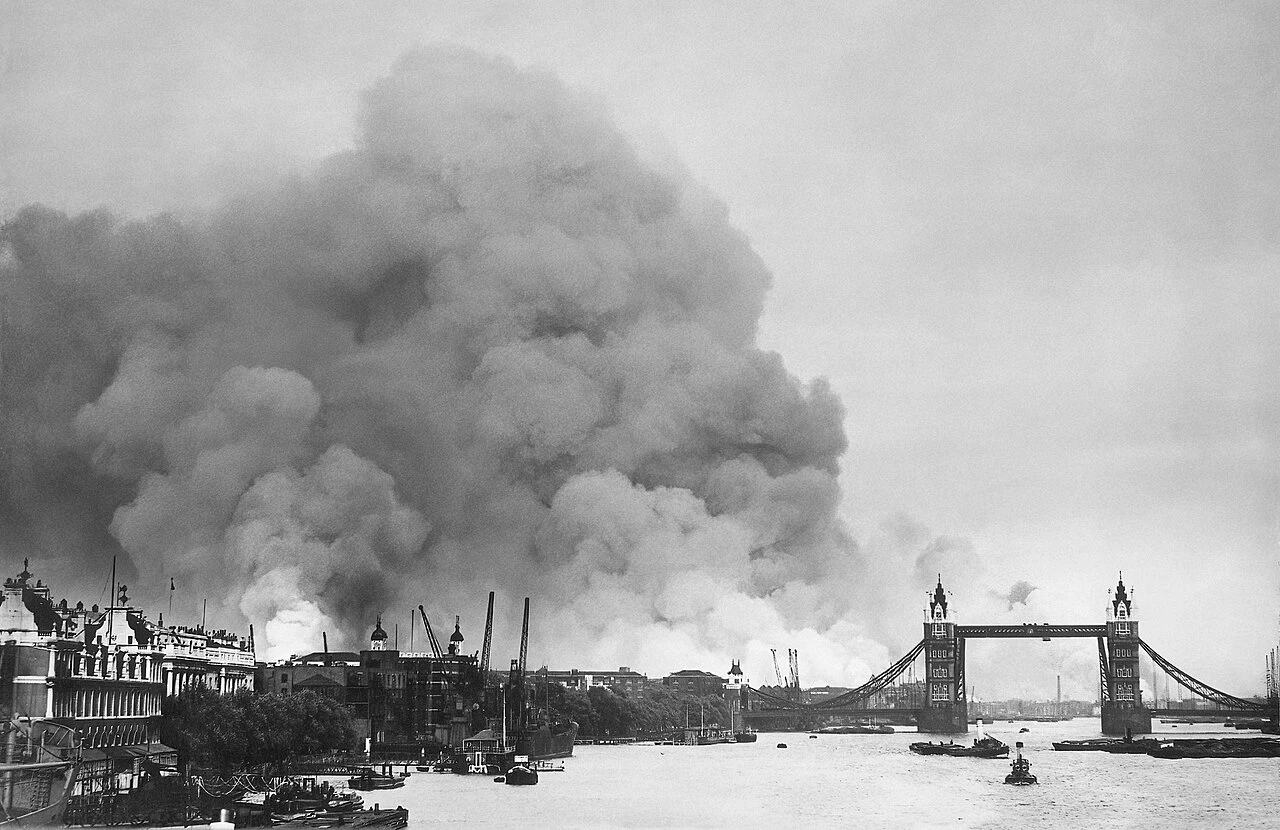
Adlertag — which targets?
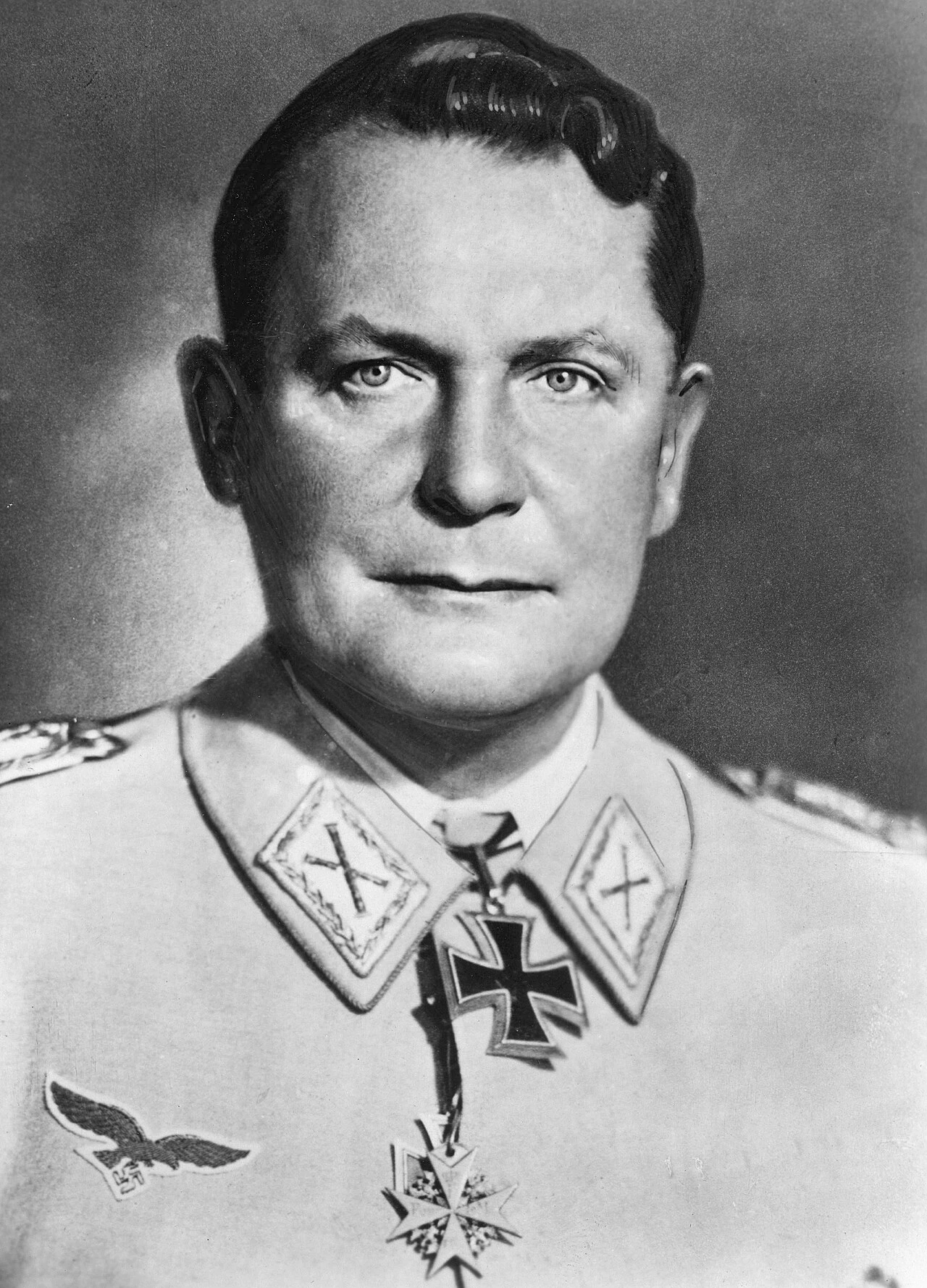
Göring at Cap Gris-Nez — September 7
Goering at Carinhall — the promise to Hitler
Brauchitsch — Reich Chancellery, 5 November
The doctrine of terror bombing
Hitler at the Felsennest — the anguish of the flanks
Hitler — the Reichstag Speech
Manstein watches his plan — Koblenz, 10 May
Mölders above the columns — 18 May
Vuillemin — the Armée de l'Air on standby
Adlertag — which targets?