
The Latvian police battalions under German command
At the end of 1941, Latvia is under German administration (Reichskommissariat Ostland). The Latvian army and police, disbanded during the Soviet annexation of 1940, have left thousands of former soldiers, gendarmes and members of the Aizsargi paramilitary organisation without employment. Many harbour a visceral hostility towards the USSR after the "terrible year" of 1940–1941 and its deportations. The occupier exploits this pool by organising auxiliary forces: the Schutzmannschaften ("Shuma"), subordinate to the Ordnungspolizei.
At Liepāja as at Riga, Latvian police battalions are raised from the end of 1941. Officially presented as units for maintaining order, for guard duty and for "anti-partisan" warfare, several are in reality involved from their very formation in the killing of Jews. The great massacre of Liepāja, on 15–17 December 1941, in which about 2,700 Jews are shot in the dunes of Šķēde, is carried out by the SD with the assistance of Latvian auxiliary policemen. Across the country, some thirty battalions would be formed.
For the former Latvian soldier in the winter of 1941, enlistment is not a foregone conclusion. The motives are manifold: anti-communism, the illusory hope of a restoration of independence, pay and rations in a time of scarcity, opportunism, sometimes antisemitism. But others refused, evaded service or later joined the resistance or went into exile.
Demobilised after the Soviet occupation and approached in late 1941 by the German occupier, should the former Latvian soldier enlist in the auxiliary police units, refuse, or go into hiding?
Thousands of former Latvian soldiers and policemen enlisted in late 1941–1942 in the auxiliary police battalions (Schutzmannschaft) under German command, out of anti-communism, hope for independence or opportunism. Presented as guard and anti-partisan units, several took part directly in the Holocaust, as in the Liepāja massacre of 15–17 December 1941 (about 2,700 Jews killed at Šķēde). These battalions then formed the main recruiting pool for the (), created only in 1943. Many of these men perished or were taken prisoner on the Eastern Front; others were tried after the war.
Learn more about this event
Related polls
10

The Arajs Kommando — Latvian collaboration in the Holocaust
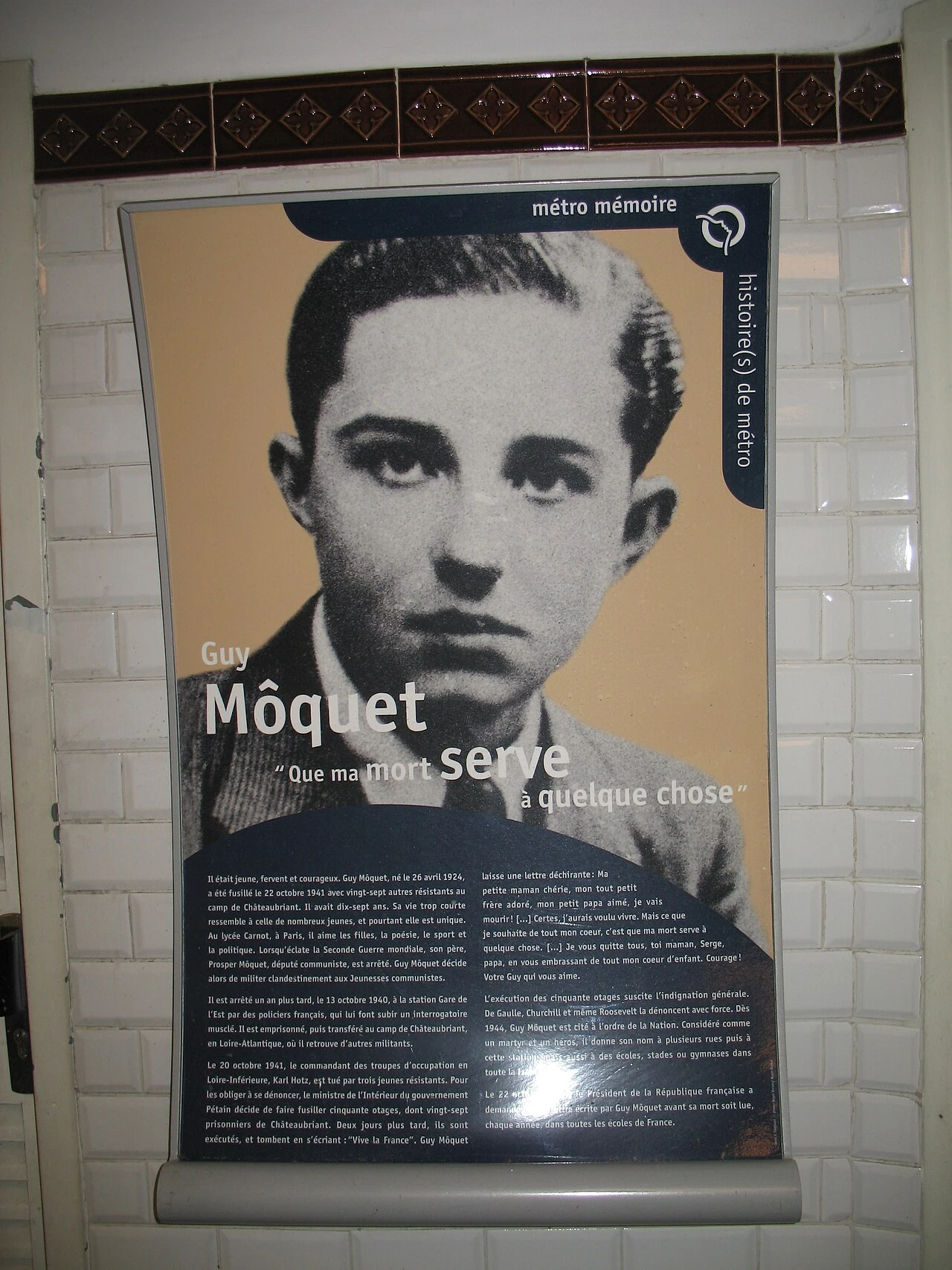
Châteaubriant: The List of Hostages
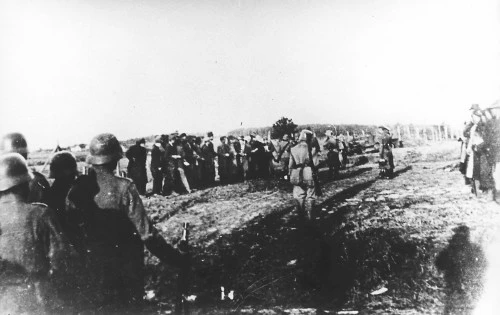
Denouncing the partisans under the terror of reprisals in Serbia
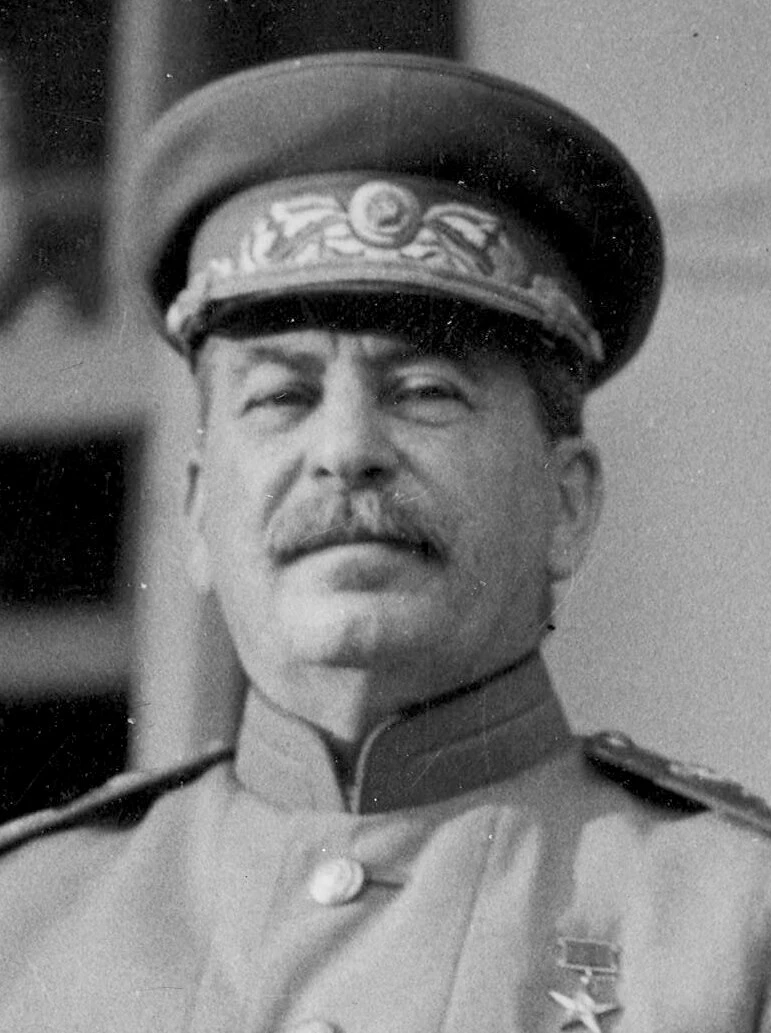
Stalin's Order No. 270
Bjelovar: desert the Yugoslav army or hold the line
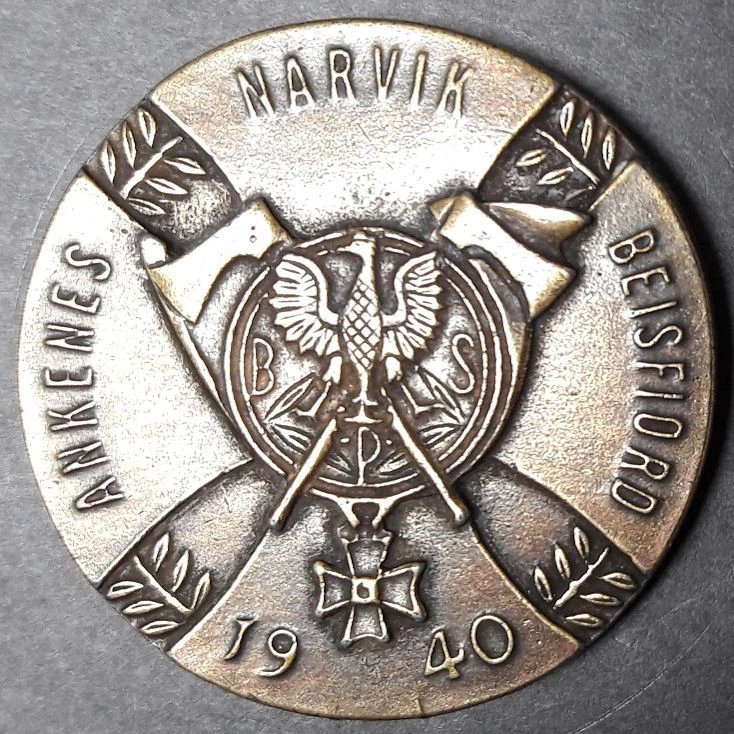
Bohusz-Szyszko at Coëtquidan

The Barbarossa decree — the 'licence to kill'
The deportation of the Volga Germans
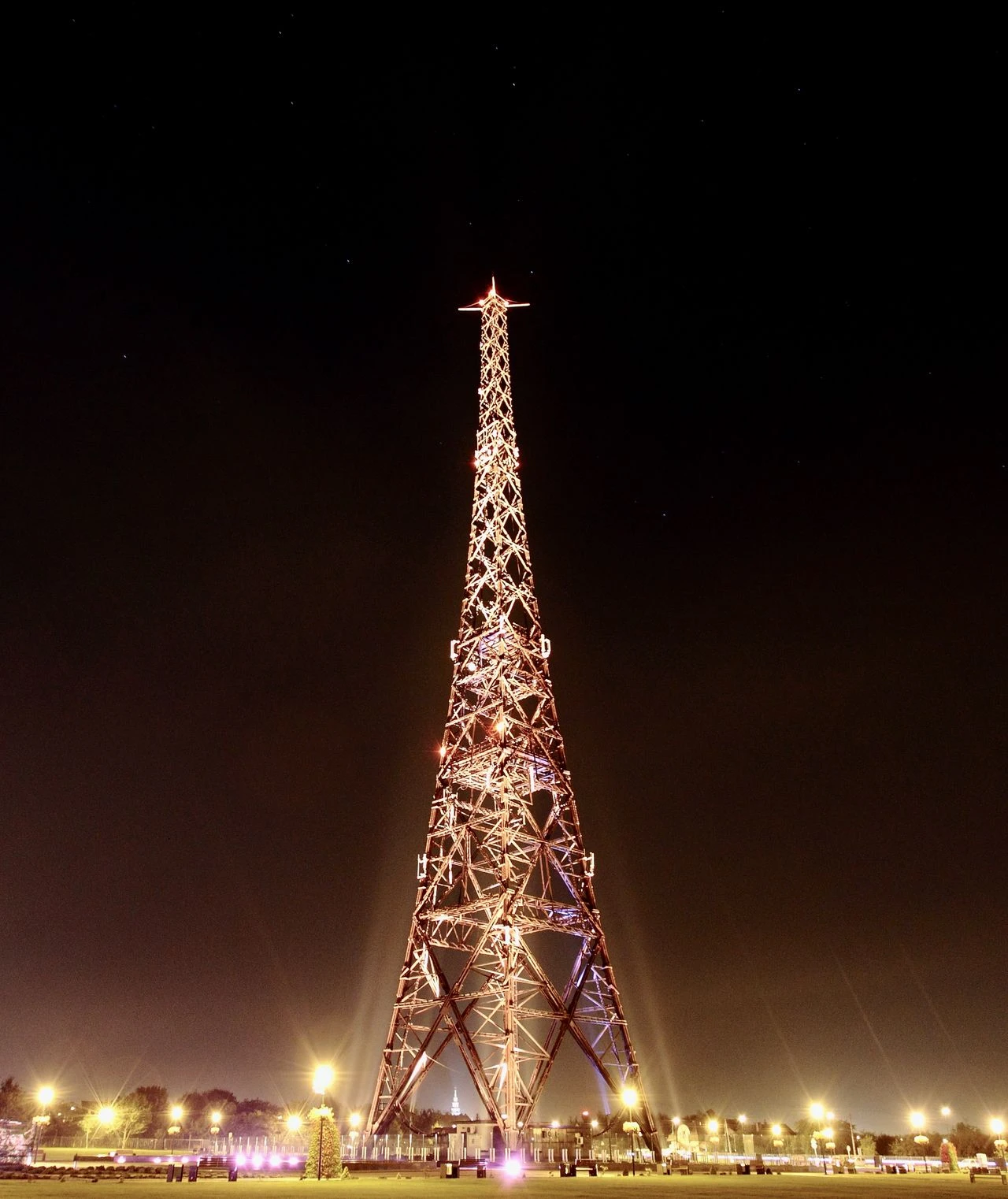
Gleiwitz — Naujocks at the Transmitter
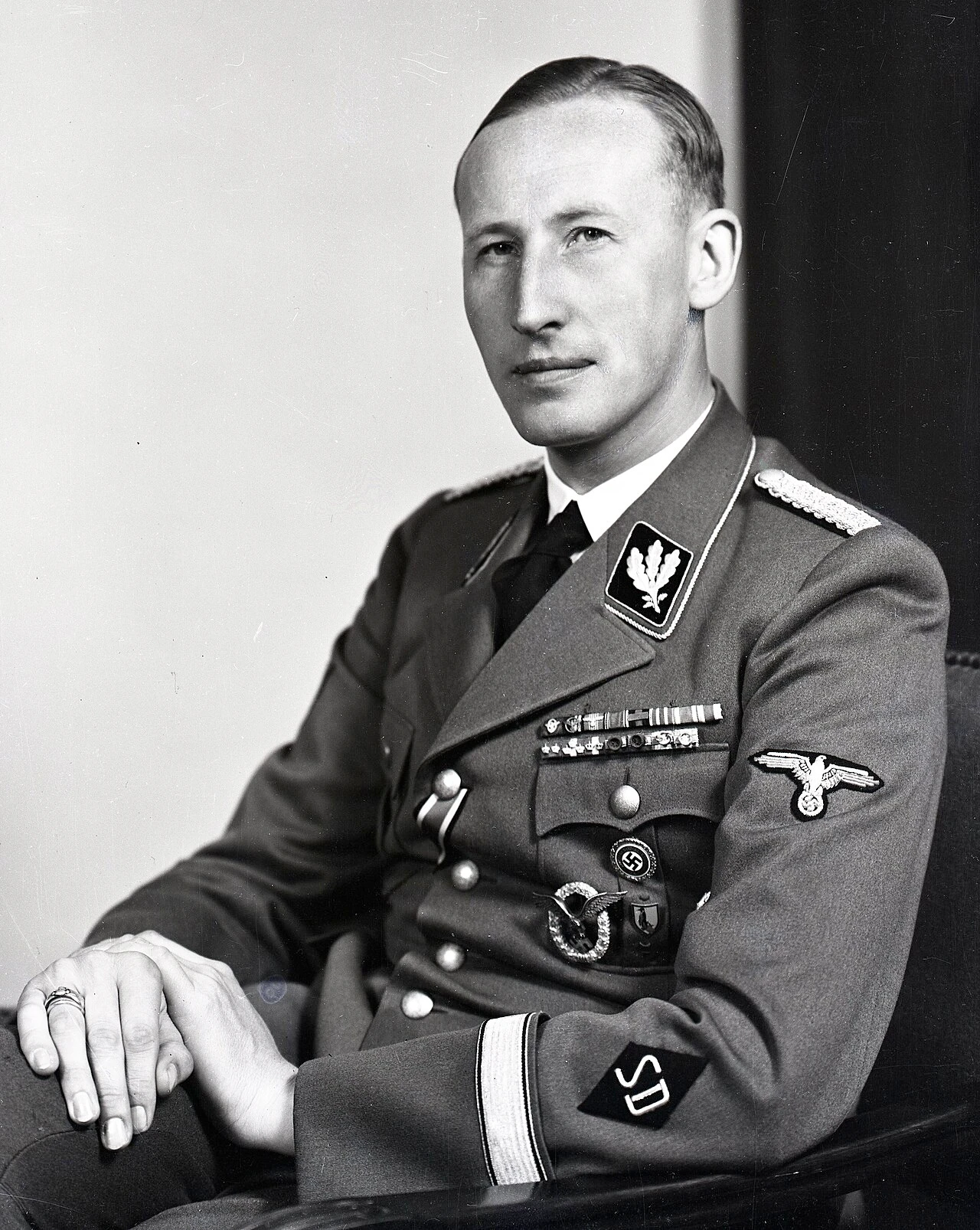
Heydrich Arrives in Prague
The Arajs Kommando — Latvian collaboration in the Holocaust
Châteaubriant: The List of Hostages
Denouncing the partisans under the terror of reprisals in Serbia
Stalin's Order No. 270
Bjelovar: desert the Yugoslav army or hold the line
Bohusz-Szyszko at Coëtquidan
The Barbarossa decree — the 'licence to kill'
The deportation of the Volga Germans
Gleiwitz — Naujocks at the Transmitter