
Should Stalin Be Armed?
In the autumn of 1941, the German invasion of the Soviet Union, launched on June 22, had reached catastrophic proportions. The Wehrmacht had encircled entire armies, taken Kiev and Smolensk, and was closing in on Moscow. In Washington, military observers were divided: some believed the Red Army would hold out only a few weeks, others wagered on its ability to absorb the shock. Uncertainty prevailed over the outcome of the eastern front.
The Lend-Lease Act, passed in March 1941, allowed the president to supply arms and provisions to countries whose defense was deemed vital to the United States. So far it had applied to Great Britain and China. The Soviet case raised distinct questions: a communist and atheist regime loathed by a large part of public opinion, Congress, and the Church, but also a force tying down part of the Wehrmacht. The Harriman-Beaverbrook mission, sent to Moscow in September-October, had assessed the needs in aircraft, tanks, trucks, and raw materials.
Roosevelt weighed conflicting considerations: the strategic value of an active eastern front, the risk of seeing the matériel captured in the event of a collapse, the domestic political cost, and the fragility of the supply routes through the Arctic and Persia, exposed and uncertain. Each approach committed the president's resources and credibility differently. He now had to decide.
Should Roosevelt extend Lend-Lease to the Soviet Union and finance massive aid?
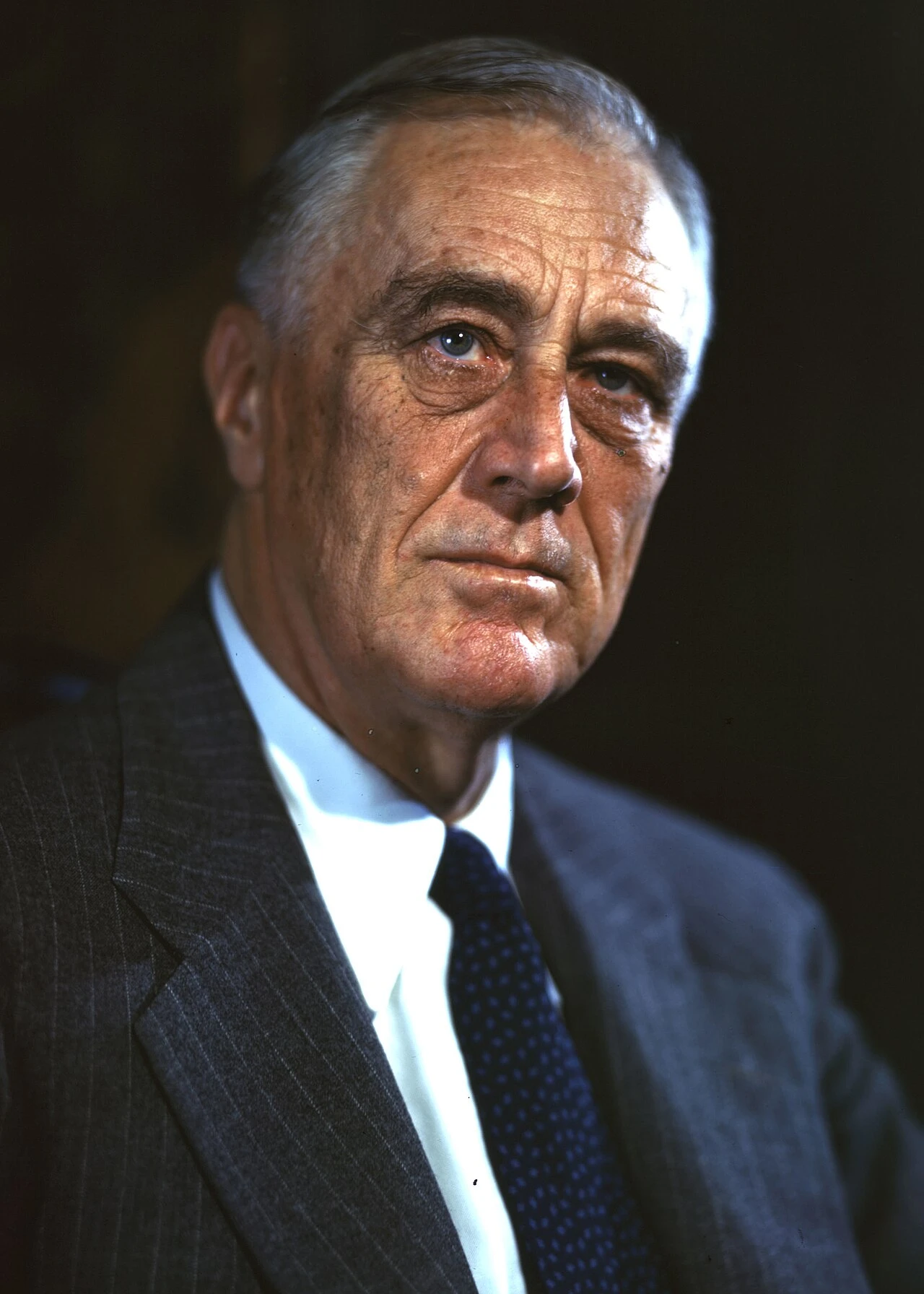
Roosevelt chose to commit the United States fully: on November 7, 1941, he officially declared the defense of the Soviet Union vital to that of the United States, making Moscow eligible for Lend-Lease, and approved aid of roughly one billion dollars in the form of an interest-free credit. The First Moscow Protocol, signed on October 1 at the conclusion of the Harriman-Beaverbrook mission, organized the deliveries of aircraft, tanks, trucks, and raw materials. Delivery used the Arctic convoys to Murmansk and Arkhangelsk, exposed to German submarines and aircraft, as well as the Trans-Iranian corridor developed jointly with the British. Over the course of the war, American aid—notably hundreds of thousands of Studebaker trucks, locomotives, canned goods, and aluminum—would sustain the mobility and logistics of the Red Army. This decision, taken while the Wehrmacht was at the gates of Moscow, sealed an unlikely alliance between the leading capitalist power and the Soviet state.
Learn more about this event
Related polls
10
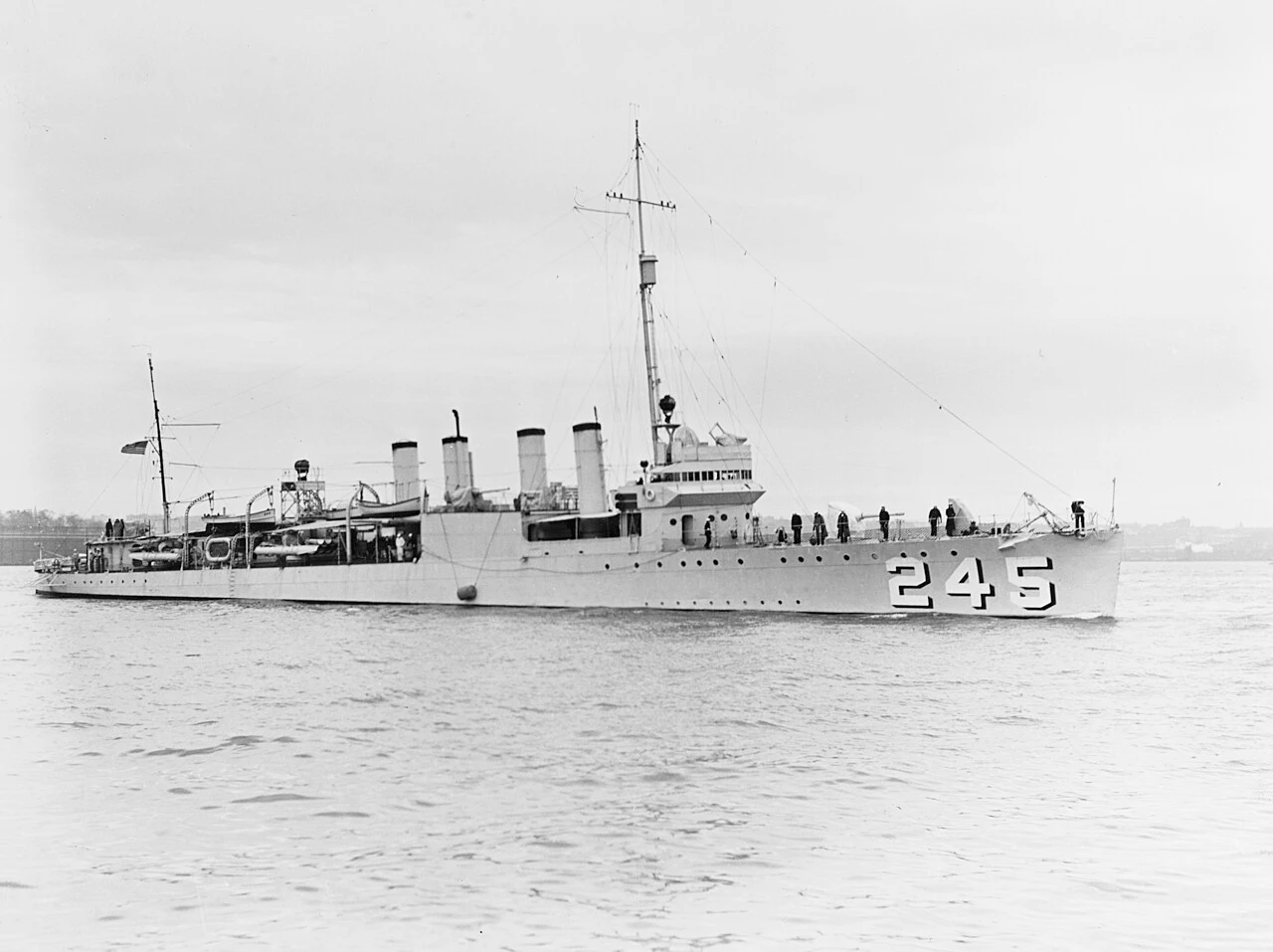
The Reuben James Sinks: The Undeclared War
Carol II in Bucharest — the Romanian balance
The Gold of the Bank of Poland — the destination of the SS Eocene
Salazar in Lisbon — under triple pressure

Borakowski and the merchant fleet
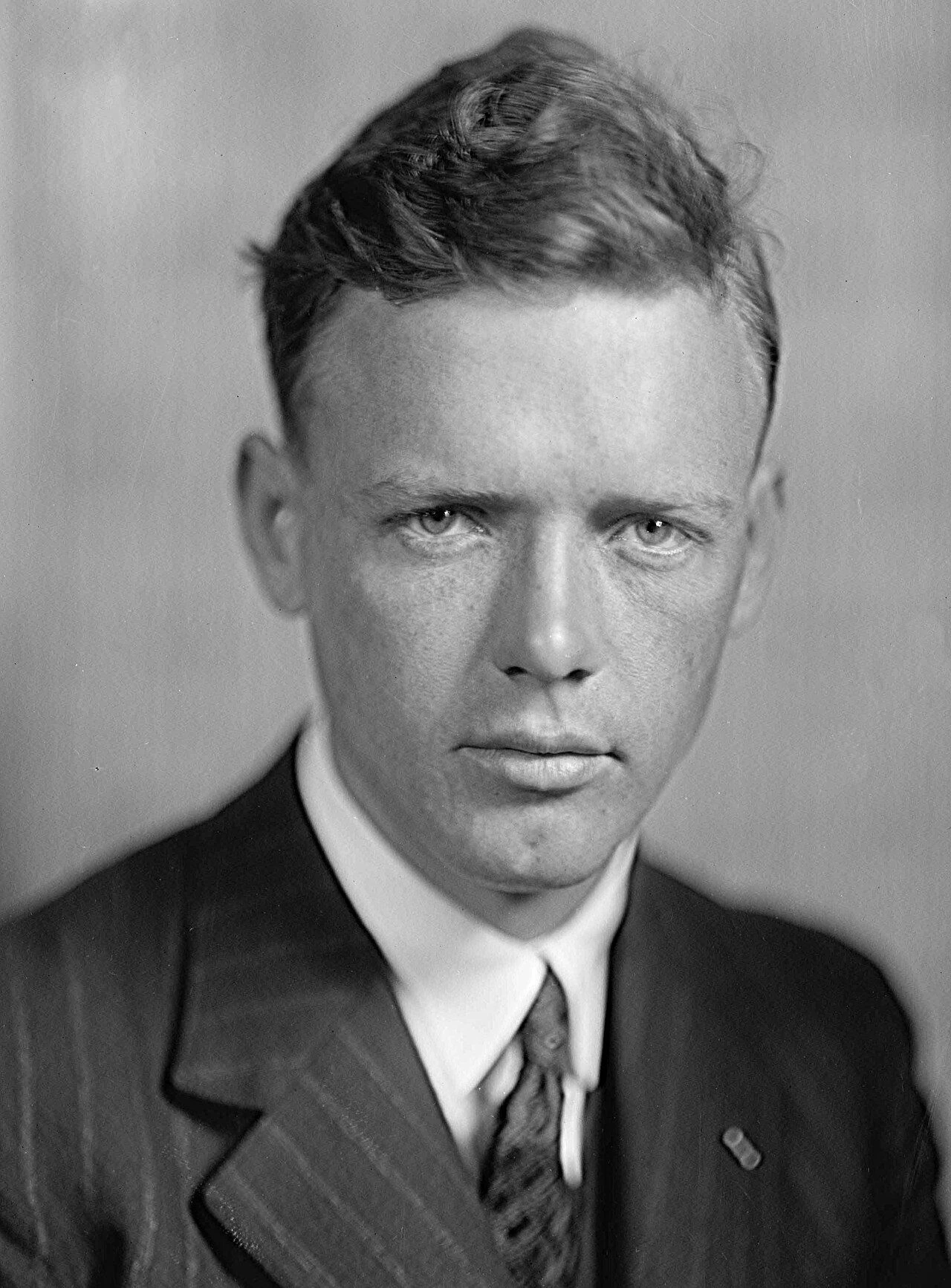
Charles Lindbergh — at the NBC Microphone
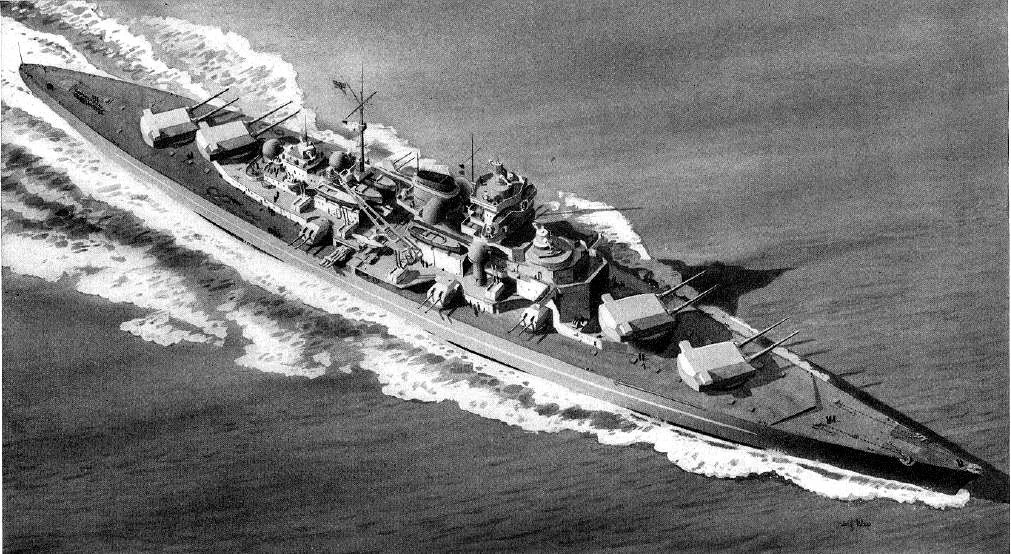
Goering — the economic mobilization plan
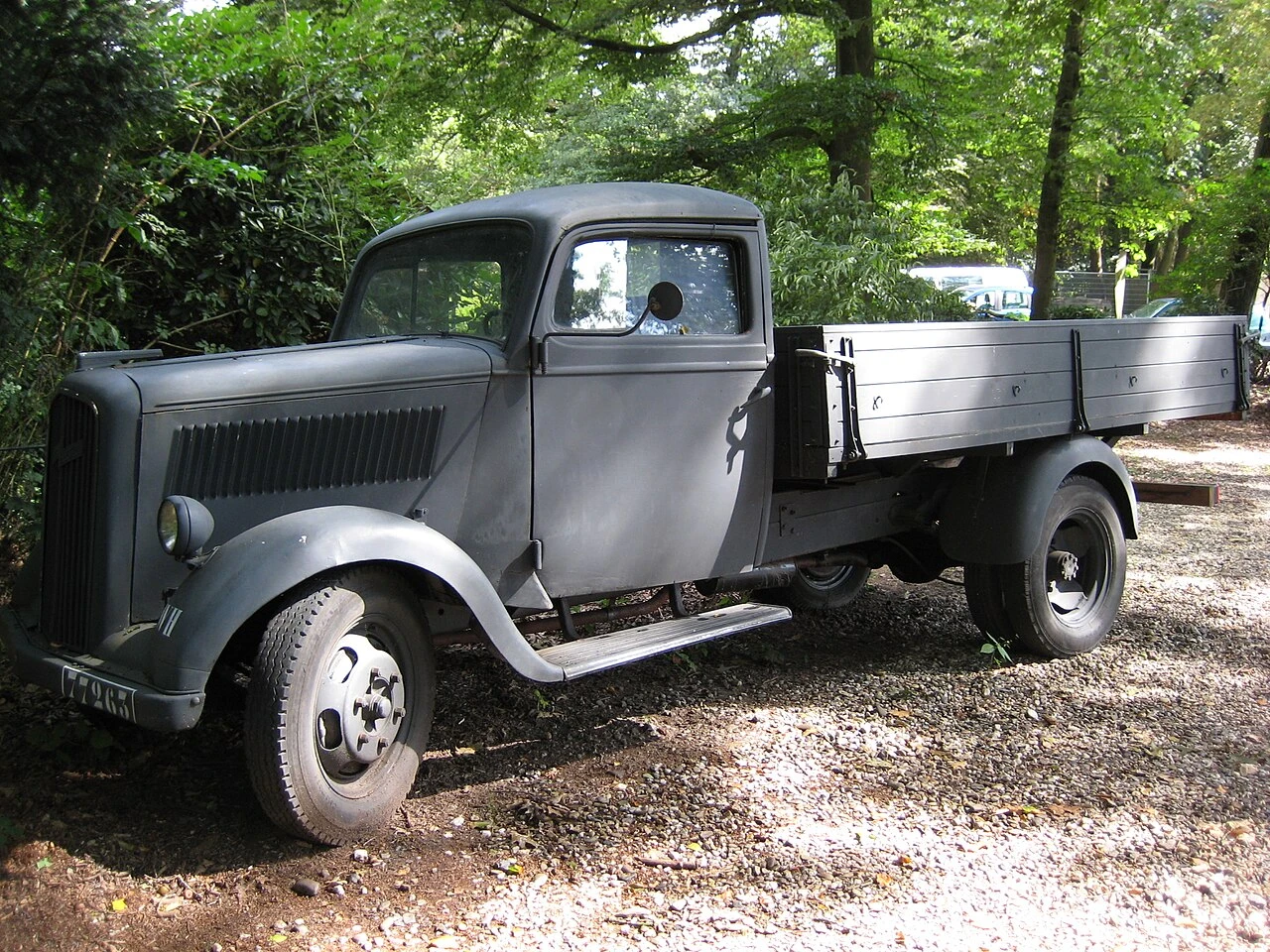
Opel under the wartime Reich: what does General Motors do?
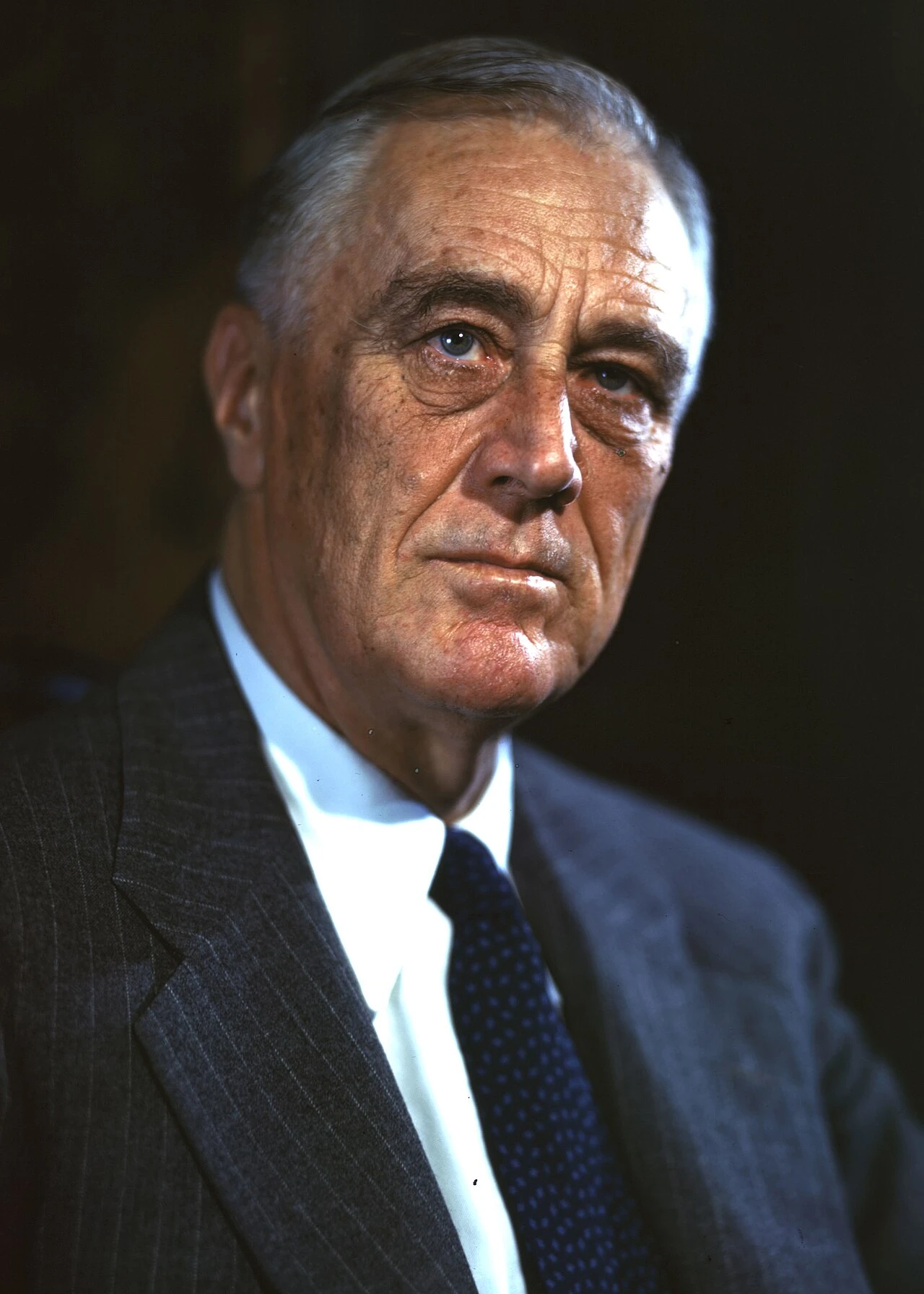
Roosevelt at Charlottesville — 10 June
Roosevelt on the stump — "your boys"
The Reuben James Sinks: The Undeclared War
Carol II in Bucharest — the Romanian balance
The Gold of the Bank of Poland — the destination of the SS Eocene
Salazar in Lisbon — under triple pressure
Borakowski and the merchant fleet
Charles Lindbergh — at the NBC Microphone
Goering — the economic mobilization plan
Opel under the wartime Reich: what does General Motors do?
Roosevelt at Charlottesville — 10 June