
Tomaszów Lubelski — Piskor between two fronts
In mid-September 1939, after the defeat on the Bzura, the surviving elements of several Polish armies ( under General , under General , remnants of under General ) attempt to reach the "Romanian bridgehead" — an organized withdrawal toward the south-east in the direction of the Romanian border, to preserve forces for reconstitution abroad.
By 17 September, these forces — about 65,000 men and 120 guns — are concentrating in the region of Tomaszów Lubelski, 60 km north of the Romanian border. Marshal Rydz-Śmigły orders Piskor by radio to "break through" to the south. But on the same night, the Soviet invasion of 17 September cuts the road to Romania. The Polish pocket is now caught in a pincer between List's (advancing from Slovakia) and Timoshenko's Soviet forces (pushing from the east).
Piskor must choose between breaking through to the south (Romania) across the German 14th Army, breaking through to the south-east (Hungary via the Bieszczady border) across the , or holding his ground to fix enemy forces, with no hope of tactical salvation.
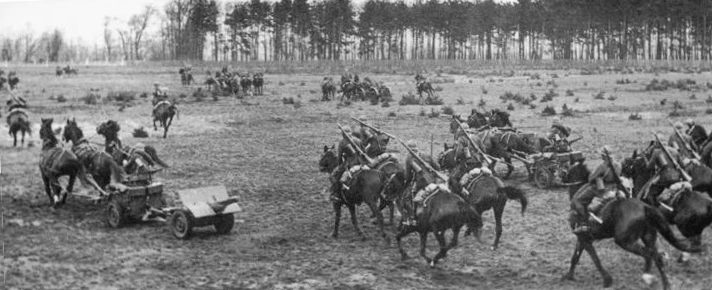
From 18 to 20 September, first battle of Tomaszów Lubelski: the Krakow-Lublin army tries to break through to the south. Fierce combat at Krasnobród (cavalry charge by the Polish on 23 September), Tomaszów, Cześniki, Susiec. The German forces — , , — block the breakthrough.
How to decide on 20 September, after the failure of the first attempt?
Piskor applies B: second battle of Tomaszów Lubelski (22-26 September). The residual Polish forces (about 28,000 fit men) attack to the south-east. Total failure: the German (Veiel) and the (Hubicki) lock down all the roads. Polish losses: about 7,000 dead, 10,000 wounded. On 26 September 1939, Piskor capitulates at Tomaszów Lubelski — about 27,000 Polish prisoners, 120 guns, 80 Renault FT-17 and TKS tankettes handed over to the Wehrmacht. Tomaszów remains the largest land battle of the Polish campaign in terms of forces engaged (about 100,000 men in total on both sides). Piskor is held in an oflag, released in 1945, returns to Poland, marginalized by the communists, dies in 1951 in Warsaw. Krasnobród and the charge of the becomes one of the last great cavalry sabre engagements at the gallop in world military history — often confused in popular memory with Krojanty.
Learn more about this event
Related polls
10
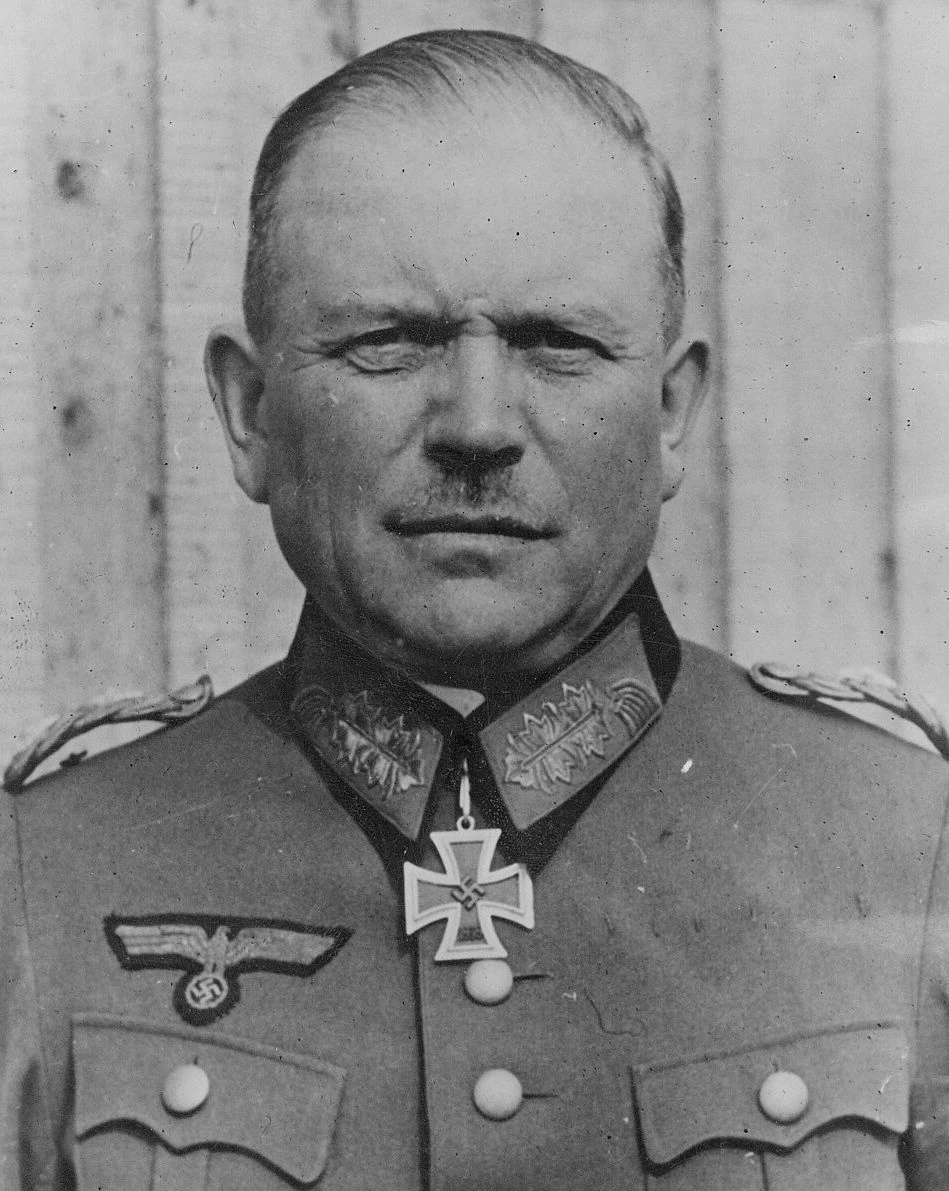
Brześć — Plisowski faces Guderian
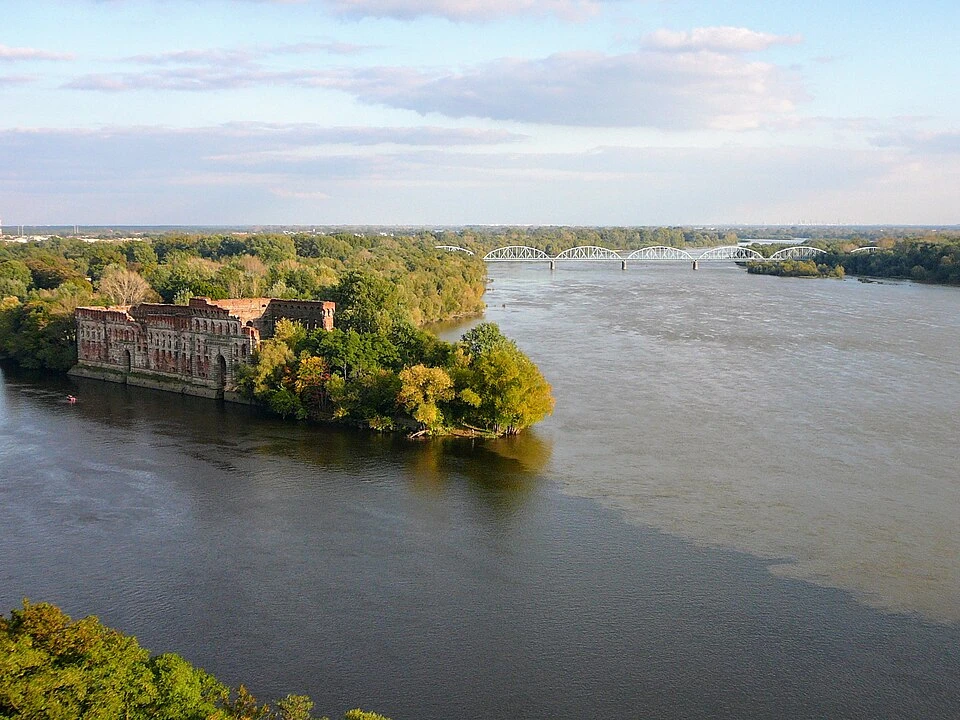
Modlin — Thommée at the last fortress
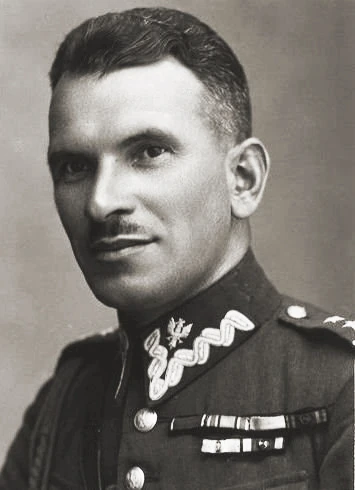
Praga — Rommel facing the siege
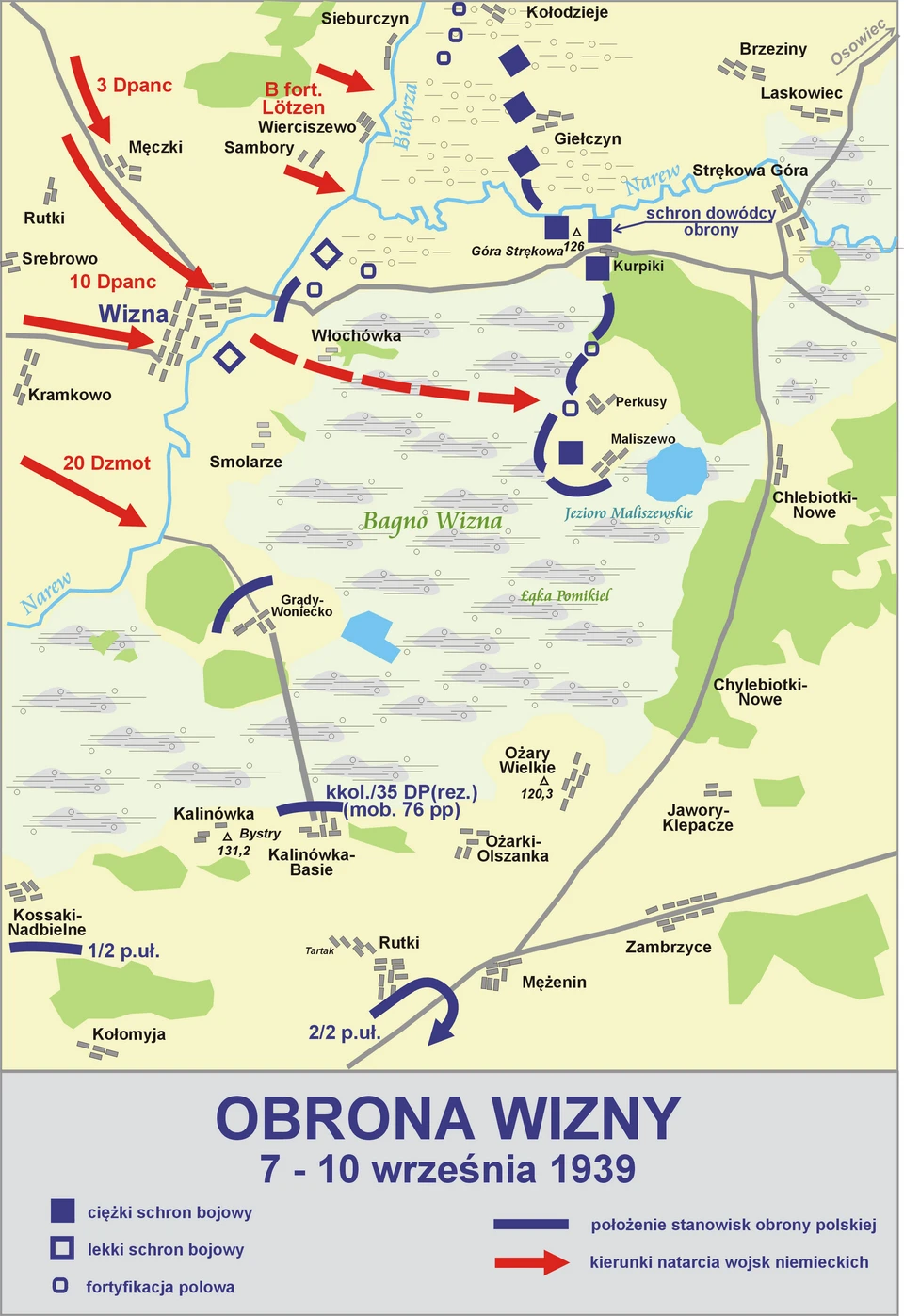
Wizna — Raginis in the Górka bunker
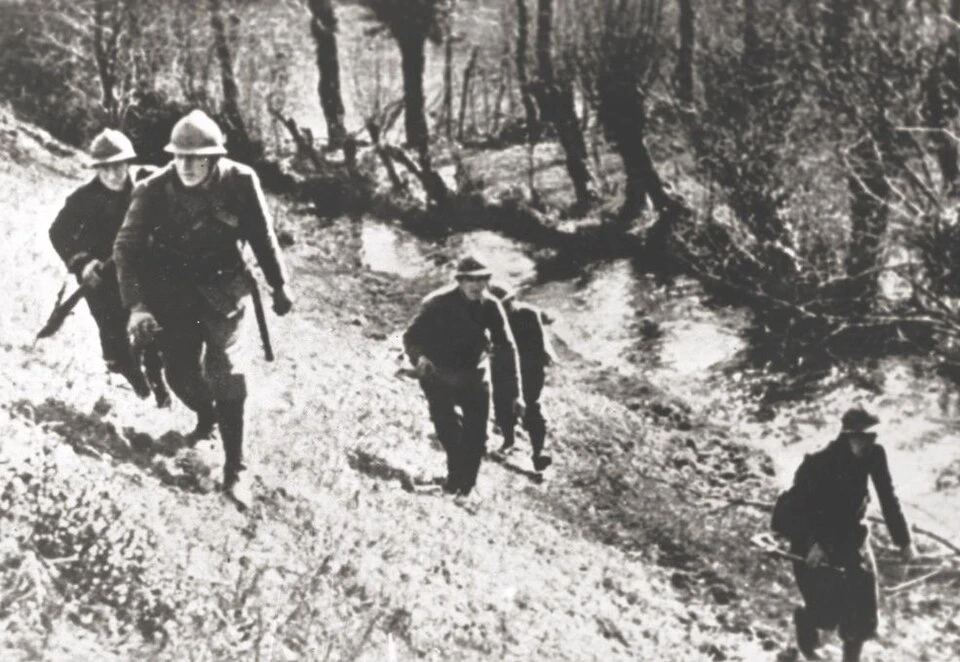
Kock — Kleeberg on the morning of 6 October
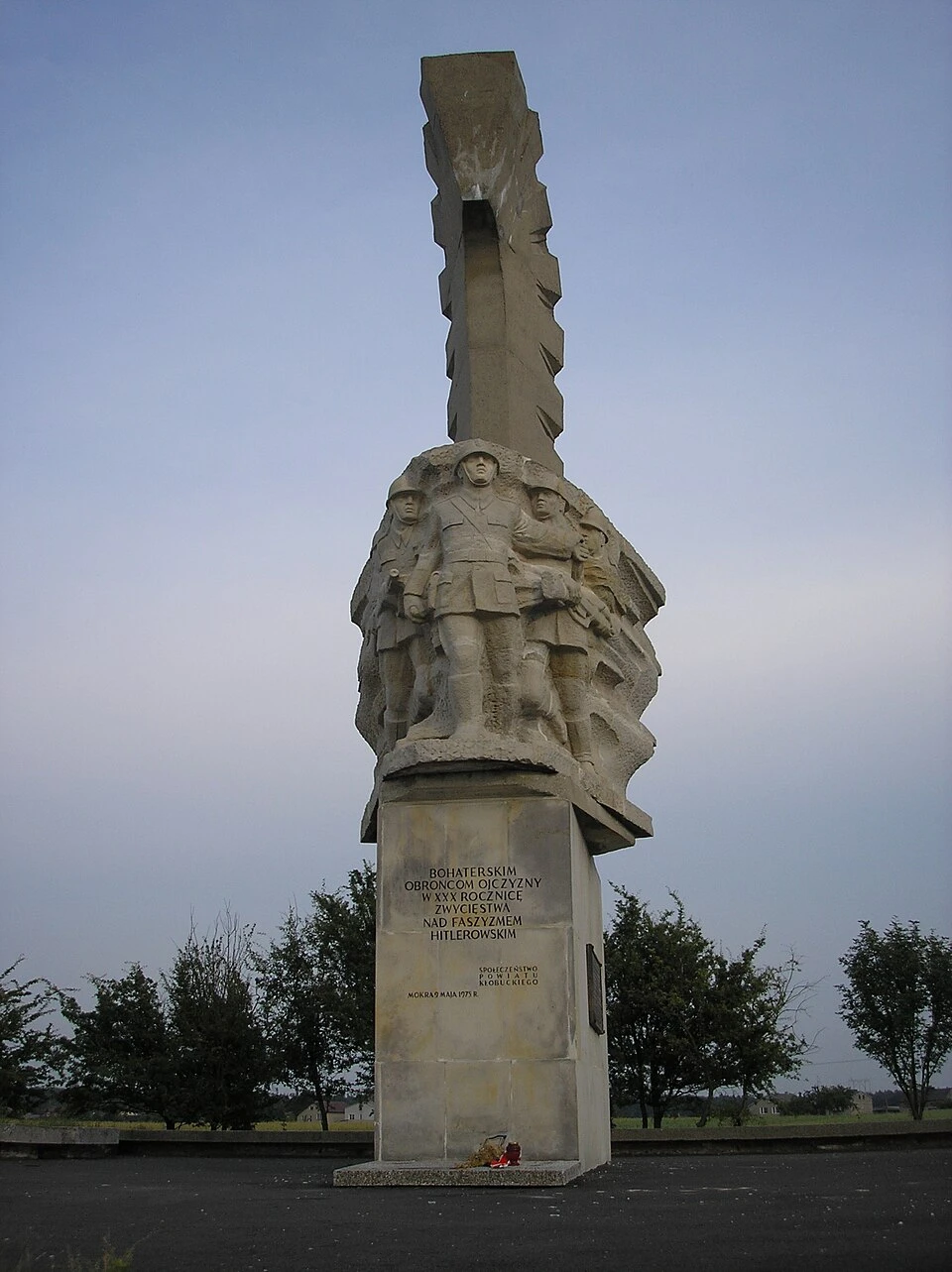
Mokra — Filipowicz and the Volhynian Brigade
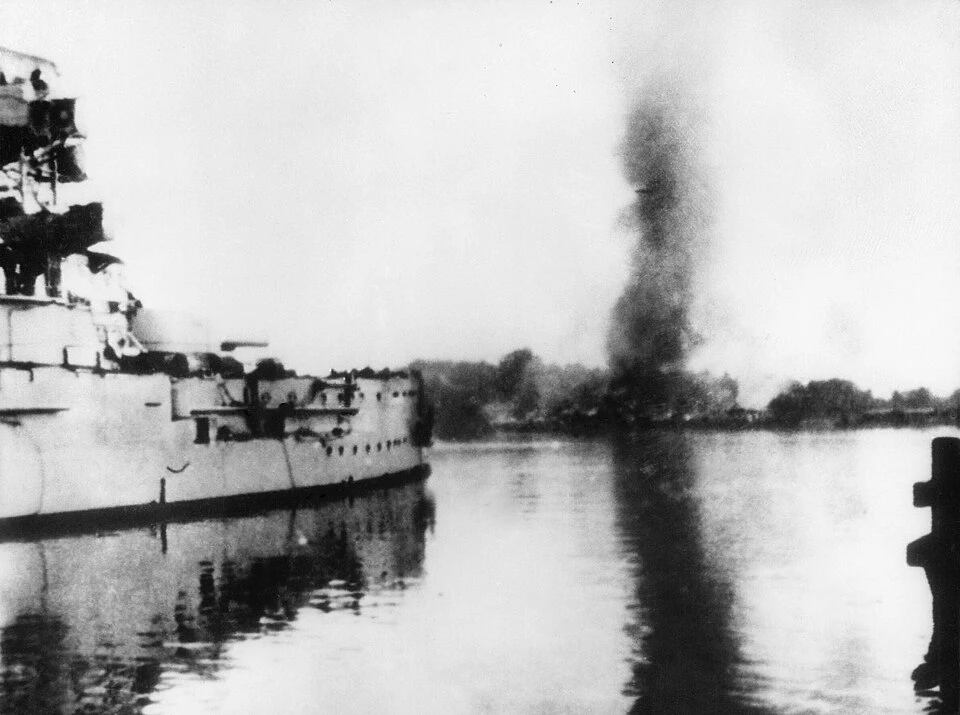
Westerplatte — Sucharski under the Schleswig-Holstein's guns
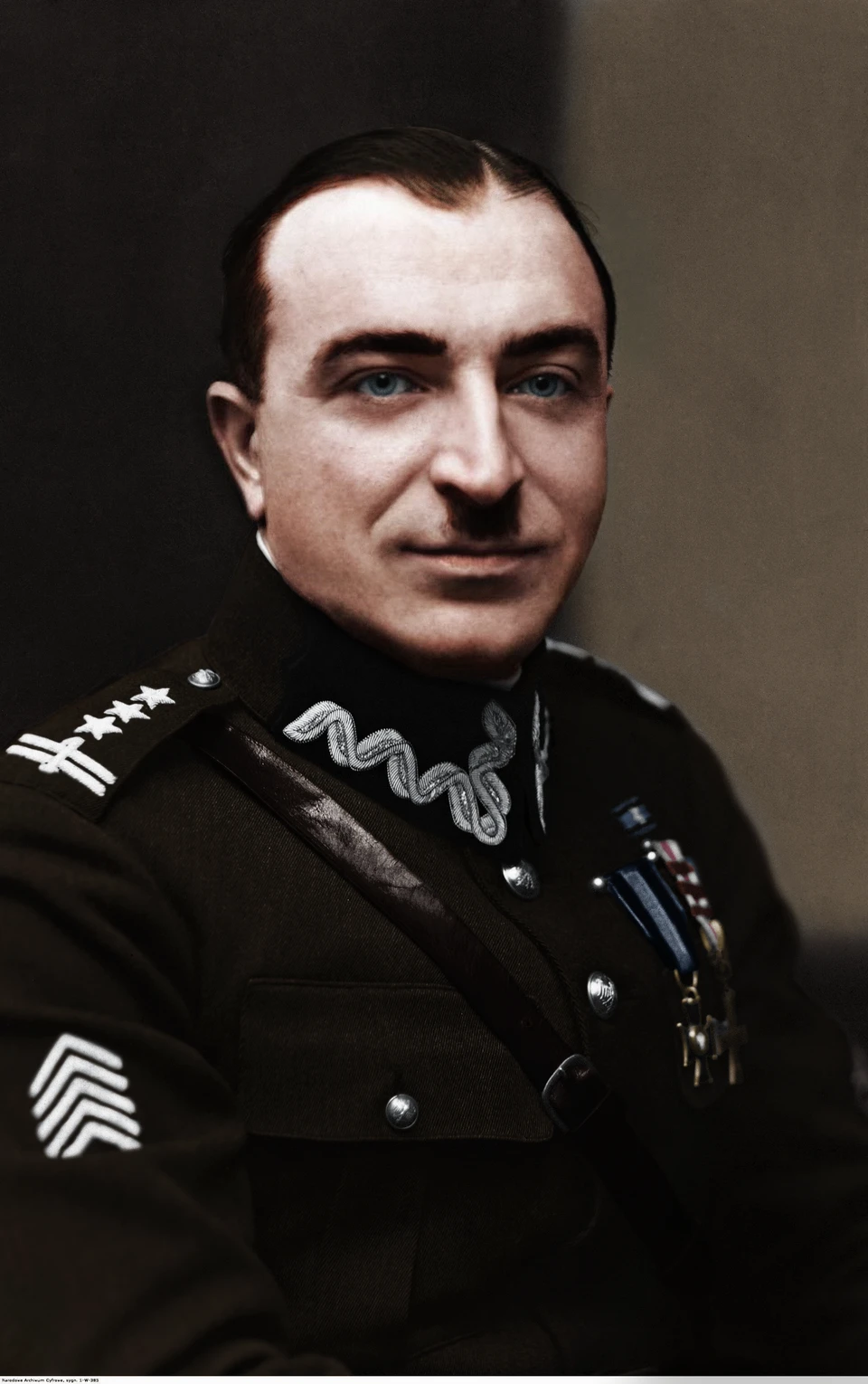
Wytyczno — Orlik-Rückemann after Szack
The Bzura — Kutrzeba faces the trap
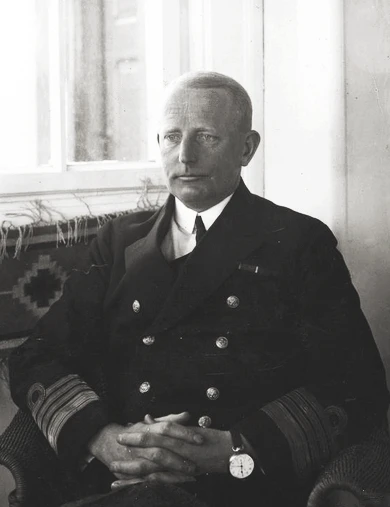
Hel — Unrug faces the German envoy
Brześć — Plisowski faces Guderian
Modlin — Thommée at the last fortress
Praga — Rommel facing the siege
Wizna — Raginis in the Górka bunker
Kock — Kleeberg on the morning of 6 October
Mokra — Filipowicz and the Volhynian Brigade
Westerplatte — Sucharski under the Schleswig-Holstein's guns
Wytyczno — Orlik-Rückemann after Szack
The Bzura — Kutrzeba faces the trap