
After the Sedan breakthrough, notes the collapse of the French command. General , 67, commander-in-chief since 1935, is paralysed by the cascade of events; he refuses to talk to the press and limits exchanges with his own subordinates.
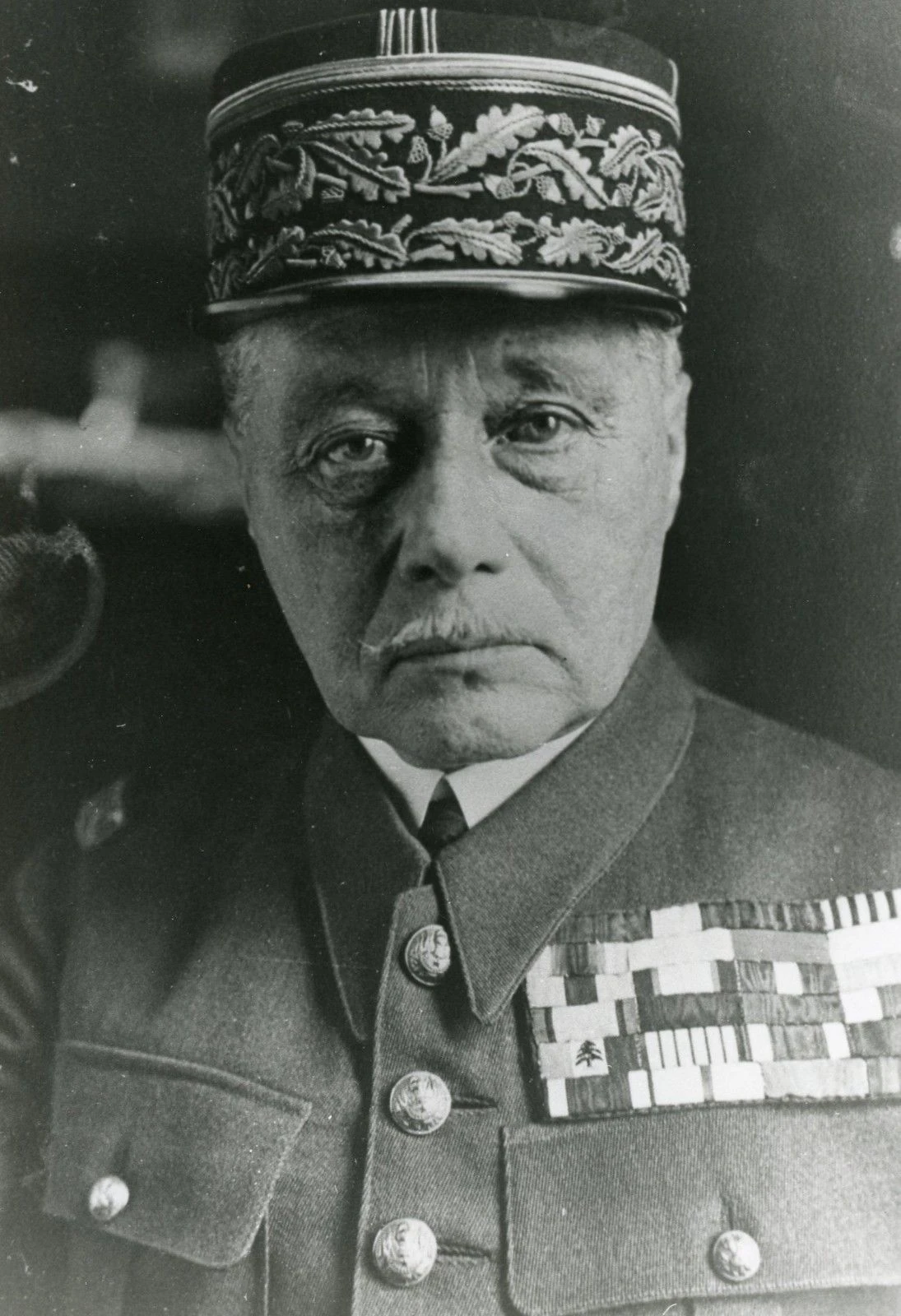
On 19 May 1940, Reynaud acts. He recalls General , 73, from Beirut (Levant), former deputy chief of staff to Foch in 1918, retired since 1935 but reactivated. Weygand arrives in Paris during the night of 19-20 May. At 02:00 on 20 May, he takes up his post at Vincennes HQ. First words to his officers: "I do not know whether it will be possible to save France, but we shall try."
Gamelin departs into retirement. Weygand must choose between pursuing the Gamelin strategy of counter-attack from the Somme, falling back on the Seine, or opening the question of armistice straight away.
Should Weygand continue the counter-attack or pull the front back?
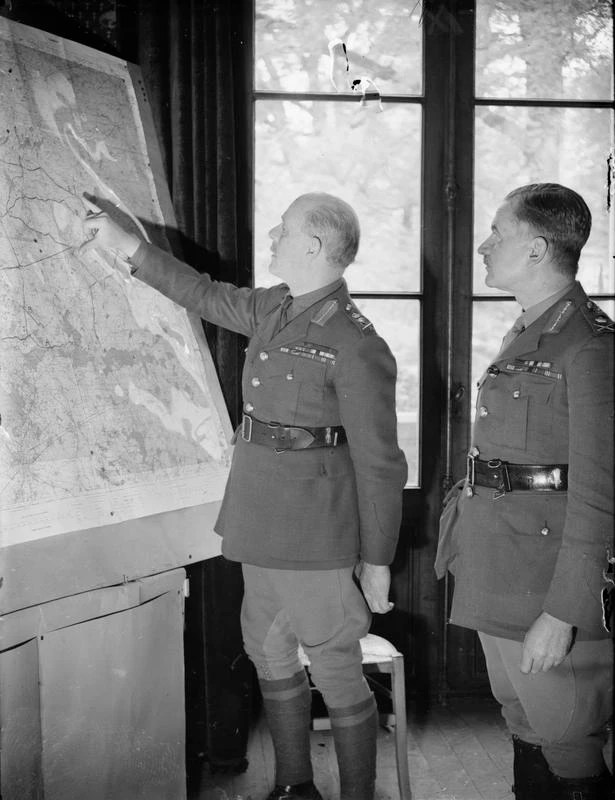
Weygand applies A. On 21 May 1940, he meets Lord Gort and at Ypres to plan a twin counter-attack: the BEF and the French 1st Army attacking south, () attacking north — aiming to meet at Arras. This is the Weygand Plan. But coordination is impossible: Billotte dies in a car accident on the evening of 21 May, Blanchard succeeds him 24 hours late, Gort hesitates and the British are in reality preparing for evacuation. The Weygand Plan fails within 72 hours. Weygand then swings towards the armistice request he advocates from 25 May. He becomes Pétain's Defence Minister (June-September 1940), then Delegate General in French North Africa. Arrested by the Germans in late 1942, deported, released in 1945. Tried in France in 1948, the case was discontinued. He dies in 1965. As for Gamelin, he is arrested by Vichy in September 1940, tried at Riom in 1942, deported to Buchenwald 1942-1945, survives and dies in 1958. The Weygand Plan remains described by memoirists as a belated attempt at coordination, in circumstances many judge untenable.
Learn more about this event
Related polls
10
Gort at Habarcq — trust in the French plan
Bulson — Lafontaine and the 02:00 rumour
Calais — Nicholson facing the ultimatum
Commanding a battle without radio
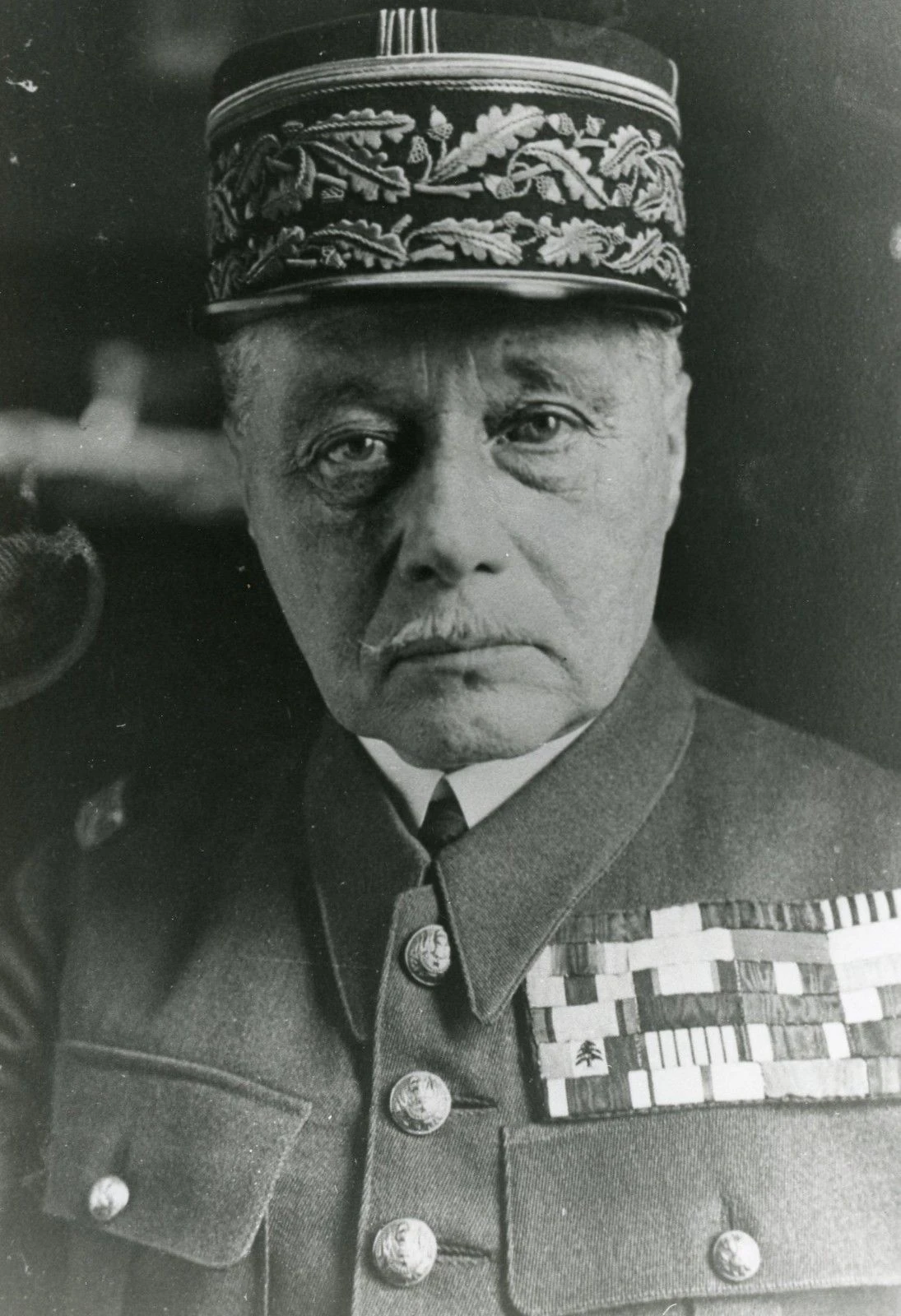
Gamelin, one last order before the envelope
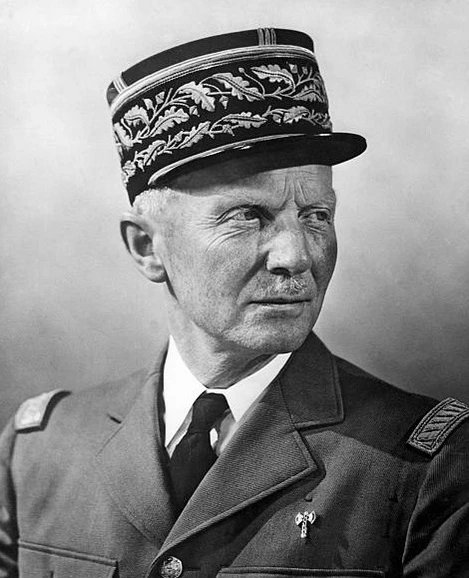
Huntziger over the Sedan reports — 13 May

Monthermé — Portzert in the Meuse loop
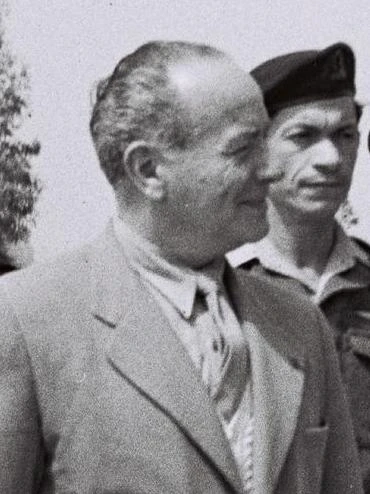
Stonne — Billotte facing the Panzer column
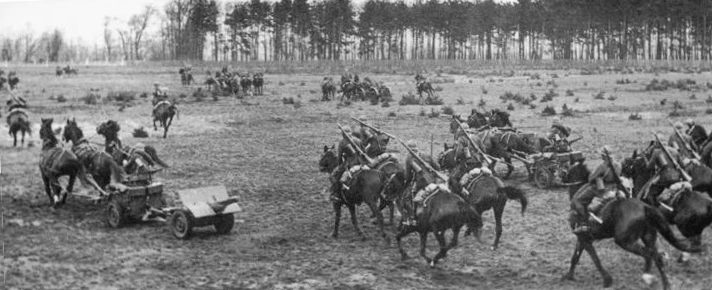
The Bzura — Kutrzeba faces the trap
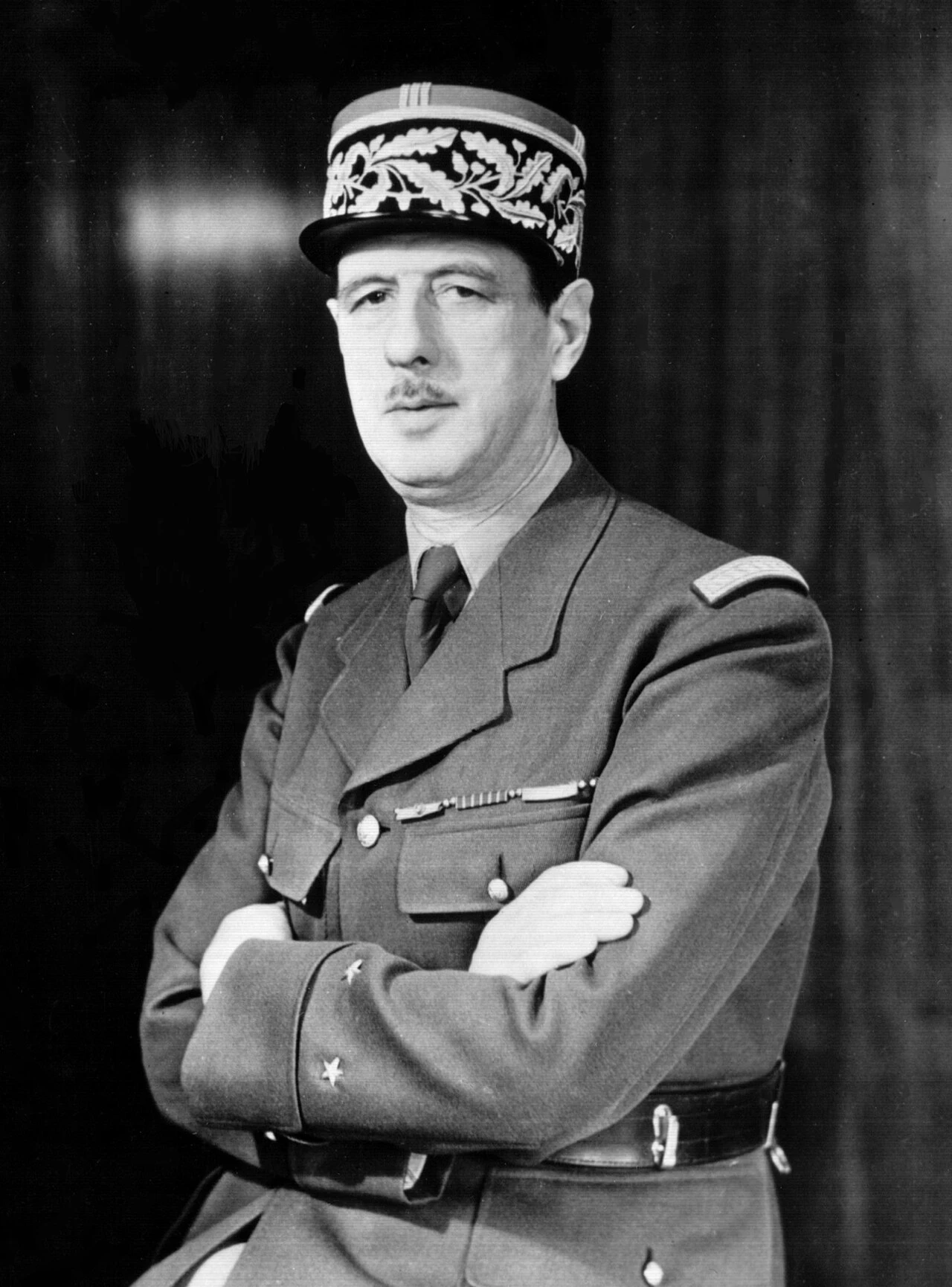
De Gaulle joins the government — 5 June
Gort at Habarcq — trust in the French plan
Bulson — Lafontaine and the 02:00 rumour
Calais — Nicholson facing the ultimatum
Commanding a battle without radio
Gamelin, one last order before the envelope
Huntziger over the Sedan reports — 13 May
Monthermé — Portzert in the Meuse loop
Stonne — Billotte facing the Panzer column
The Bzura — Kutrzeba faces the trap