
Graziani inherits the Libyan desert
Marshal , 57, takes over the supreme command of Italian North Africa in the summer of 1940. The post has just been brutally vacated: his predecessor, Marshal , was shot down by his own anti-aircraft fire over Tobruk on 28 June during a British raid. Graziani arrives with a reputation as a ruthless pacifier of Libya and Ethiopia, but also as a methodical commander, reluctant to improvise.
In Tripoli he finds an army numerous on paper — over 200,000 men — but ill equipped for modern desert war: obsolete light tanks, horse-drawn artillery, insufficient motorisation, and shortages of parts and water. Facing him, on the British Egyptian frontier, a far smaller in number but mobile is already harassing the Italian outposts.
Meanwhile calls for a swift offensive toward Suez and the canal, to strike the British Empire where it hurts and offer fascist propaganda a resounding victory. Even Balbo had judged the Libyan army unfit for such a campaign without reinforcements. Graziani inherits the dilemma: satisfy the Duce, or temporise.
Should one launch without delay the offensive into Egypt that Mussolini demands, or temporise with an ill-prepared army?
Graziani opts first for B, then partly yields to A: he piles up requests for equipment and puts the offensive back week after week, to Mussolini's growing irritation. Pressed to act, he finally launches on 13 September 1940 a cautious advance that halts at Sidi Barrani, some 100 km inside Egypt, where his troops dig into a line of fortified camps. The Italian army does not resume its progress. In December, the British Operation Compass, led by O'Connor with far inferior forces, sweeps these camps away and captures tens of thousands of prisoners. Graziani, broken by the disaster, resigns in February 1941; it will take the dispatch of Rommel's to restore the situation. His initial caution, judged in the light of the rout that follows, remains the object of lively historiographical debate.
Learn more about this event
Related polls
10
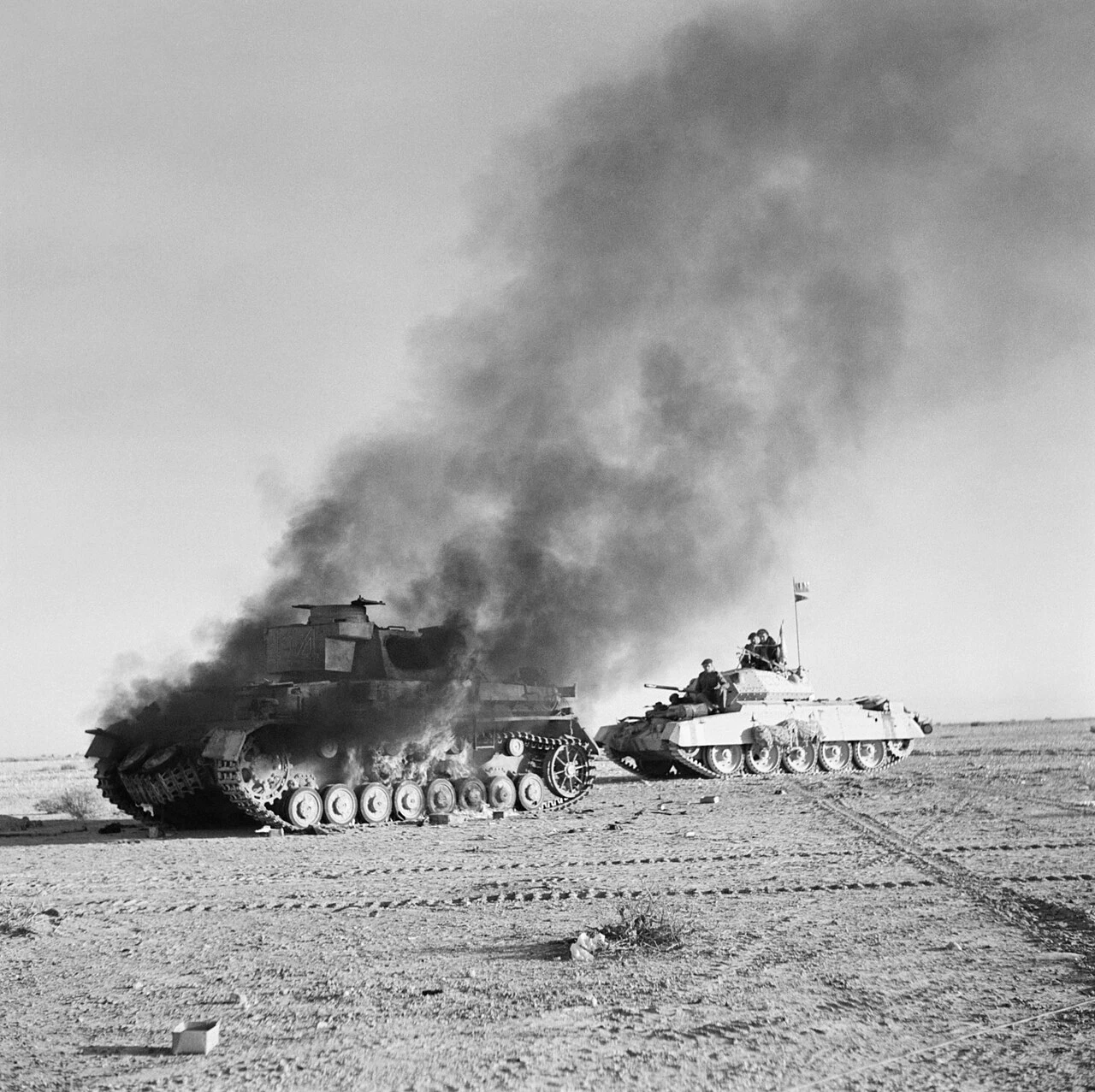
Crusader: The Generals' Doubt
Fall Gelb — the order of 9 May 20:00
Guderian and the stop order
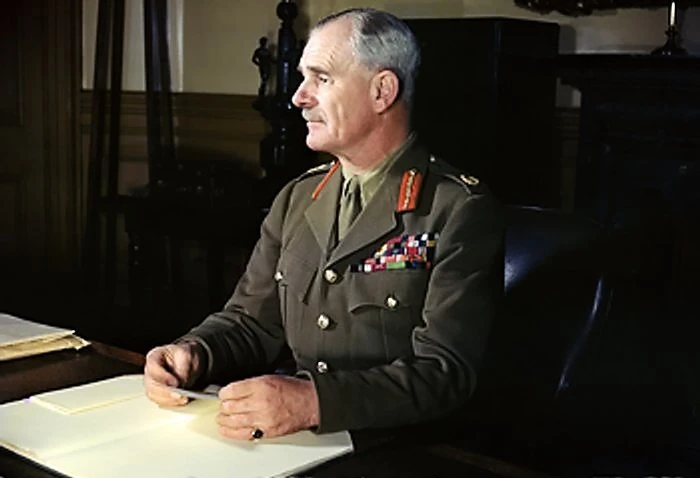
Wavell Against the 150,000 Italians — Egypt, September 1940
Peng Dehuai — the Hundred Regiments Offensive
Peng Dehuai — leaving guerrilla war behind?
Platt before Kassala — January 1941
The Mud, the Winter and the Road to Moscow
Perekop: the Iron Gate of Crimea
Which heart to strike in the East?
Crusader: The Generals' Doubt
Fall Gelb — the order of 9 May 20:00
Guderian and the stop order
Wavell Against the 150,000 Italians — Egypt, September 1940
Peng Dehuai — the Hundred Regiments Offensive
Peng Dehuai — leaving guerrilla war behind?
Platt before Kassala — January 1941
The Mud, the Winter and the Road to Moscow
Perekop: the Iron Gate of Crimea