
Menton, the sole Italian gain
On 20 June 1940, the Italian army launched its offensive in the Alps, hoping to wrest territorial gains from a dying France before the armistice. But it ran up against General Olry's Army of the Alps, far inferior in numbers but solidly entrenched in mountainous terrain and modern fortifications. The offensive stalled everywhere.
The Italian command, pressed by Mussolini to obtain results before the fighting ended, had to choose where to direct its effort. To persevere along the entire Alpine front despite the failure and the losses, in an attempt at a breakthrough. To concentrate the effort on the coast, towards Menton, where a limited advance seemed possible. Or to suspend a costly and futile offensive.
The stakes were above all political: Mussolini wanted conquests to present at the armistice table, however symbolic. But the Italian army, poorly prepared, managed to penetrate French territory only to a derisory extent. The prestige of the Fascist regime was at stake in this improvised campaign.
Should the Italian command persevere along the entire Alpine front, concentrate the effort towards Menton, or suspend the offensive?
The Italians combined A and B, without notable success: the Alpine offensive was a near-total failure against the French defence, and the only tangible gain was the partial occupation of the town of Menton, on the coast — a derisory advance in view of the resources committed. At the armistice of 24–25 June, Italy had barely penetrated French territory and obtained only a small occupation zone. The Alpine campaign, presented by Fascist propaganda as a victory, was in reality a military humiliation that revealed the unpreparedness of the Italian army — an omen of the setbacks to come for Mussolini in Greece and in Africa.
Learn more about this event
Related polls
10
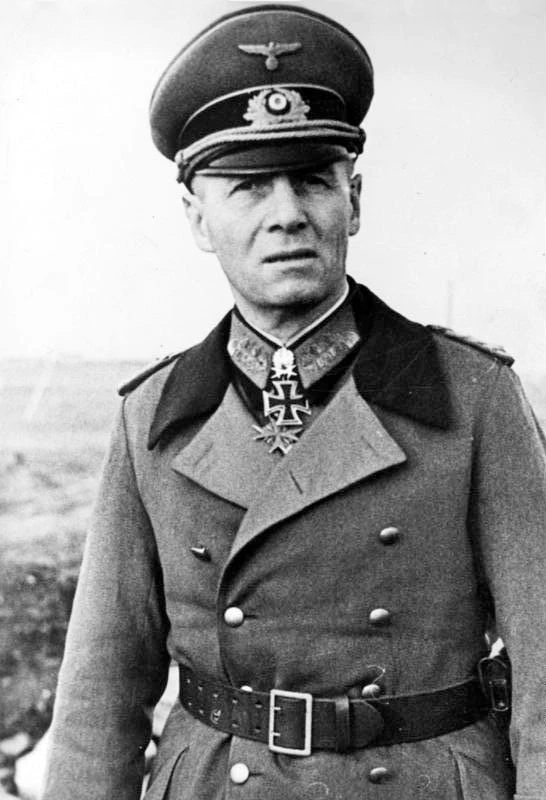
Rommel before the Serre — the Crécy bridge
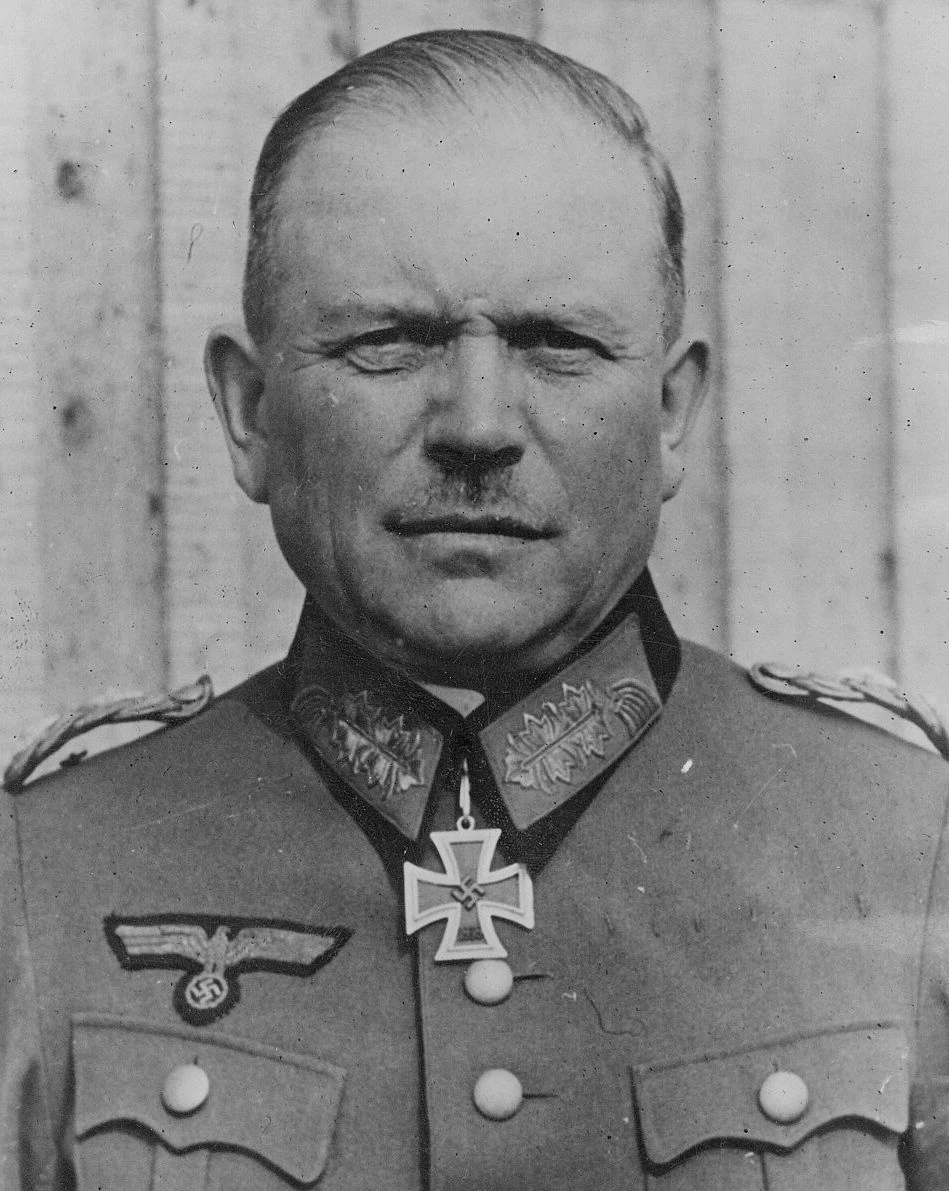
Sedan — Guderian on the Meuse
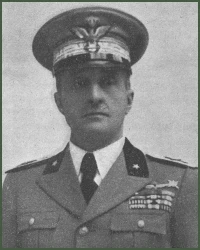
Pintor in the Alps — 21 June
The Houx weir
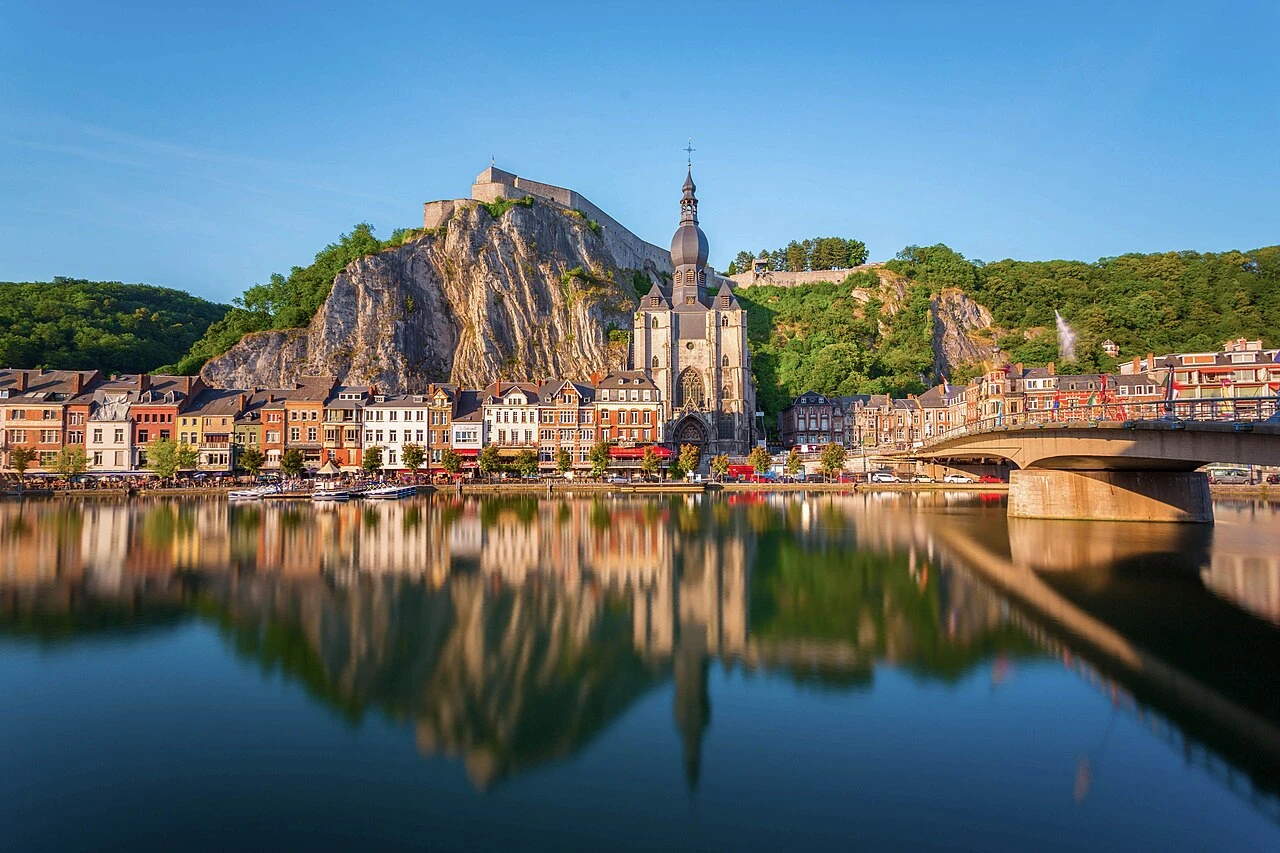
The crossing of the Meuse at Dinant
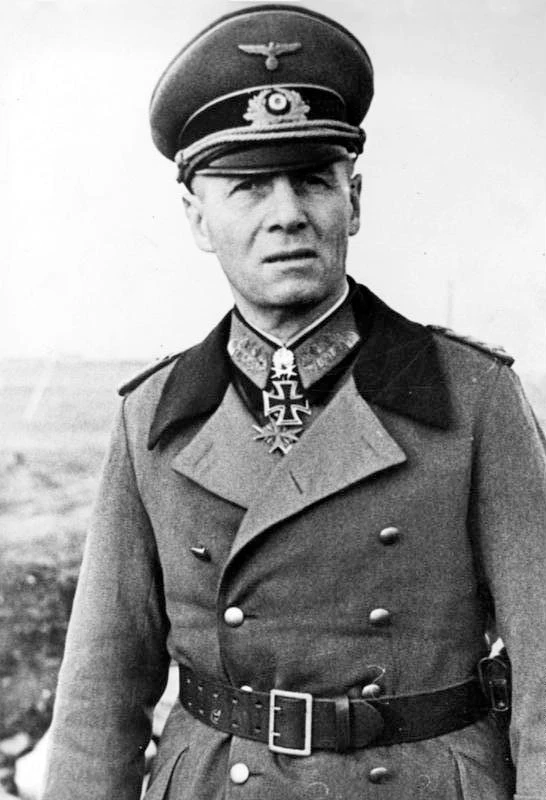
Rommel before the Meuse — Dinant, 13 May
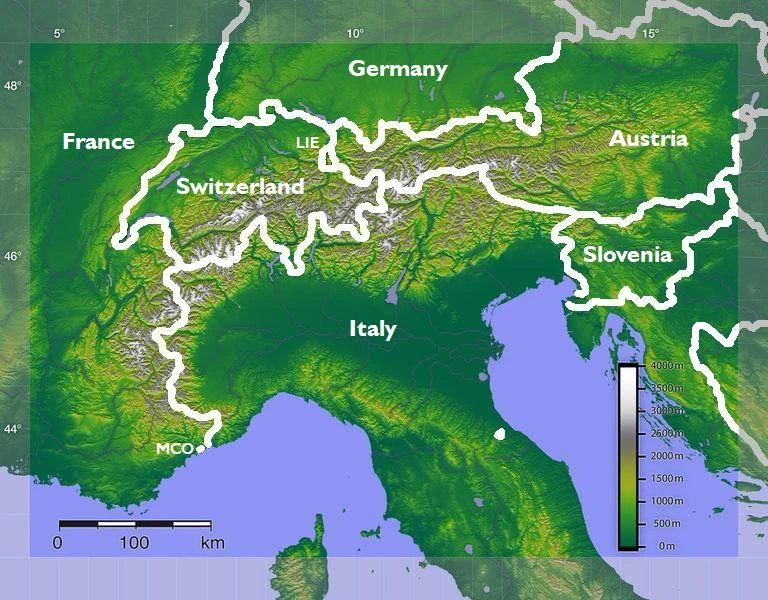
The Army of the Alps against the Italians
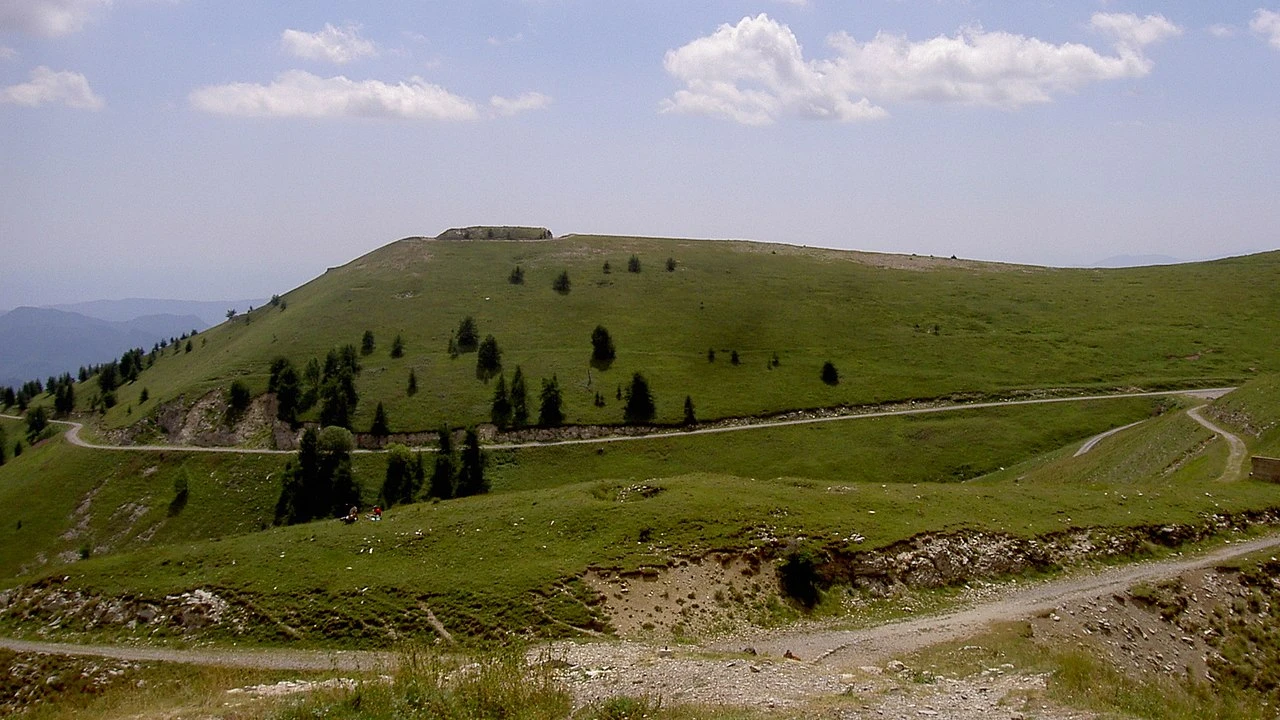
Boutmy at Mont-Cenis
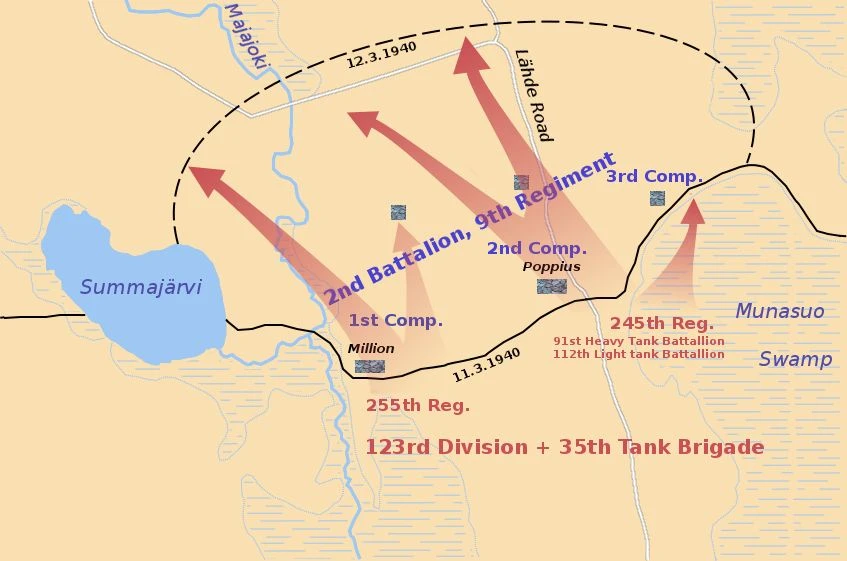
Lähde — Yakovlev against the Mannerheim bolt
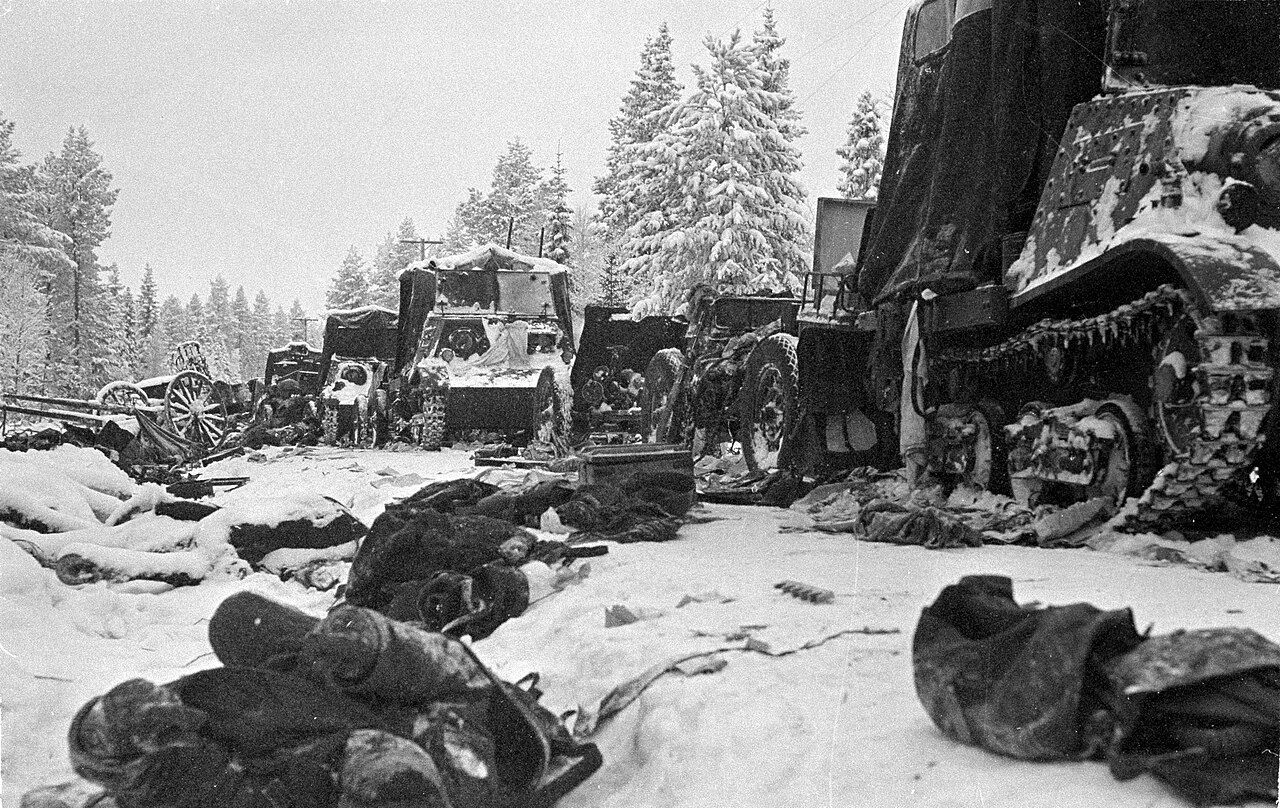
Raate — Vinogradov on the frozen road
Rommel before the Serre — the Crécy bridge
Sedan — Guderian on the Meuse
Pintor in the Alps — 21 June
The Houx weir
The crossing of the Meuse at Dinant
Rommel before the Meuse — Dinant, 13 May
The Army of the Alps against the Italians
Boutmy at Mont-Cenis
Lähde — Yakovlev against the Mannerheim bolt