
Hannah Arendt, Stateless and Interned, Facing Exile
Stripped of her German citizenship in 1937, had been living in Paris as a stateless person since fleeing Nazi Germany in 1933, working for organizations that aided Jewish refugees.
In the spring of 1940, the French authorities interned nationals of the Reich as "enemy subjects." In May 1940, Arendt was sent to the Gurs camp in the southwest of the country. The German invasion in June threw the camp into confusion.
Taking advantage of this disorder, hundreds of the internees escaped. Arendt, stateless and Jewish, must decide: attempt to reach the United States, remain in France despite the German advance, or seek refuge elsewhere.
Having escaped the internment camp amid the chaos of the invasion, what does Arendt choose?
Arendt escapes from Gurs in the chaos of June 1940, reunites with her husband , and then makes her way to Marseille. With the help of the network run by the American , the couple obtains visas and travels through Spain and Portugal; after a wait in Lisbon, they embark for New York, arriving in May 1941. There Arendt would become one of the great thinkers of the twentieth century (The Origins of Totalitarianism, 1951) and would obtain American citizenship in 1951. Her experience as a stateless person would inform her reflection on "the right to have rights."
Learn more about this event
Related polls
10
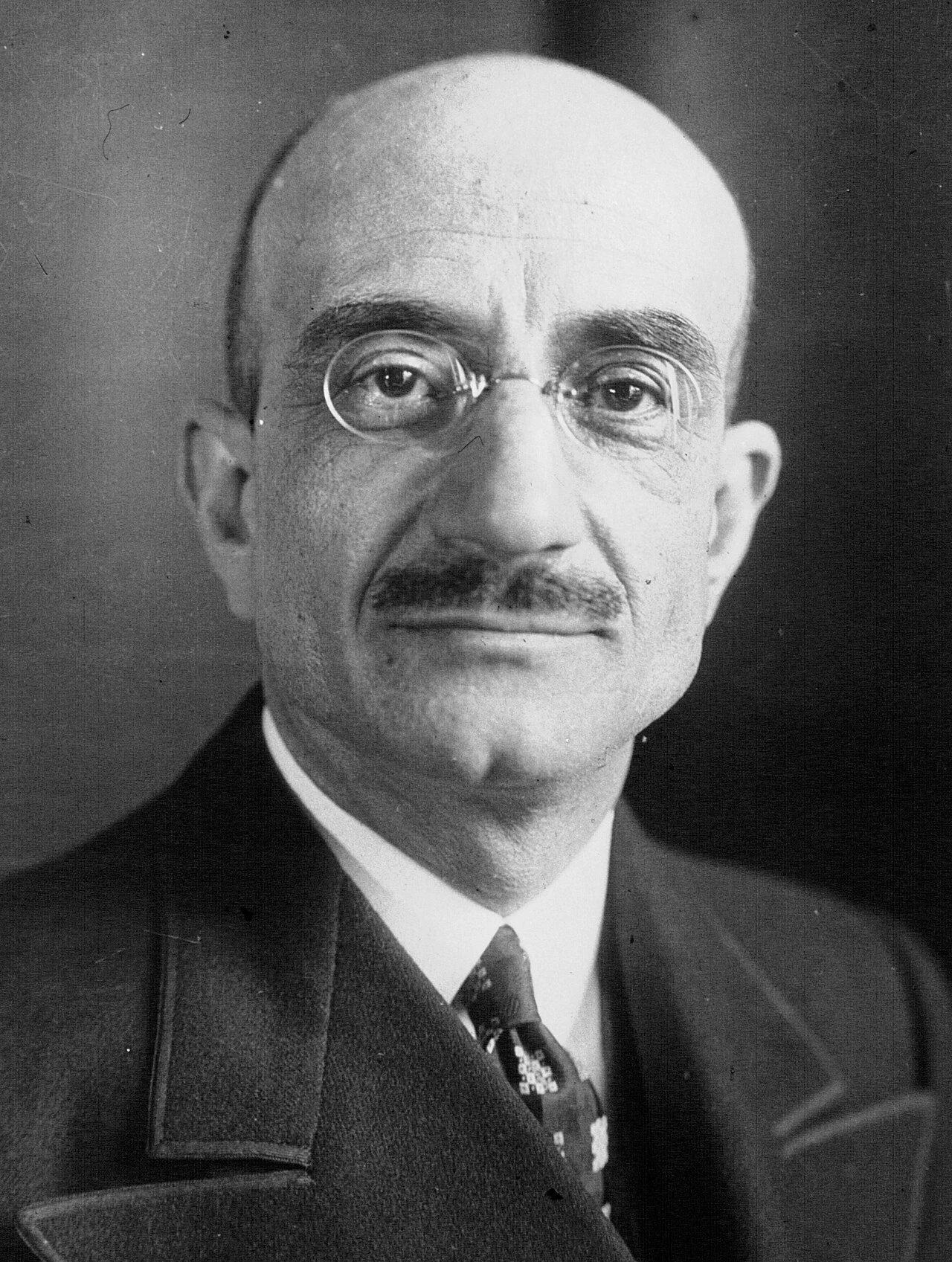
Langeron — Prefecture of Police, 14 June
Ciano summons the ambassadors — 10 June
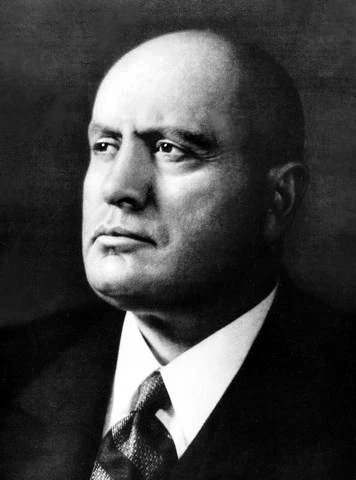
Mussolini on the balcony — 10 June, 18:00
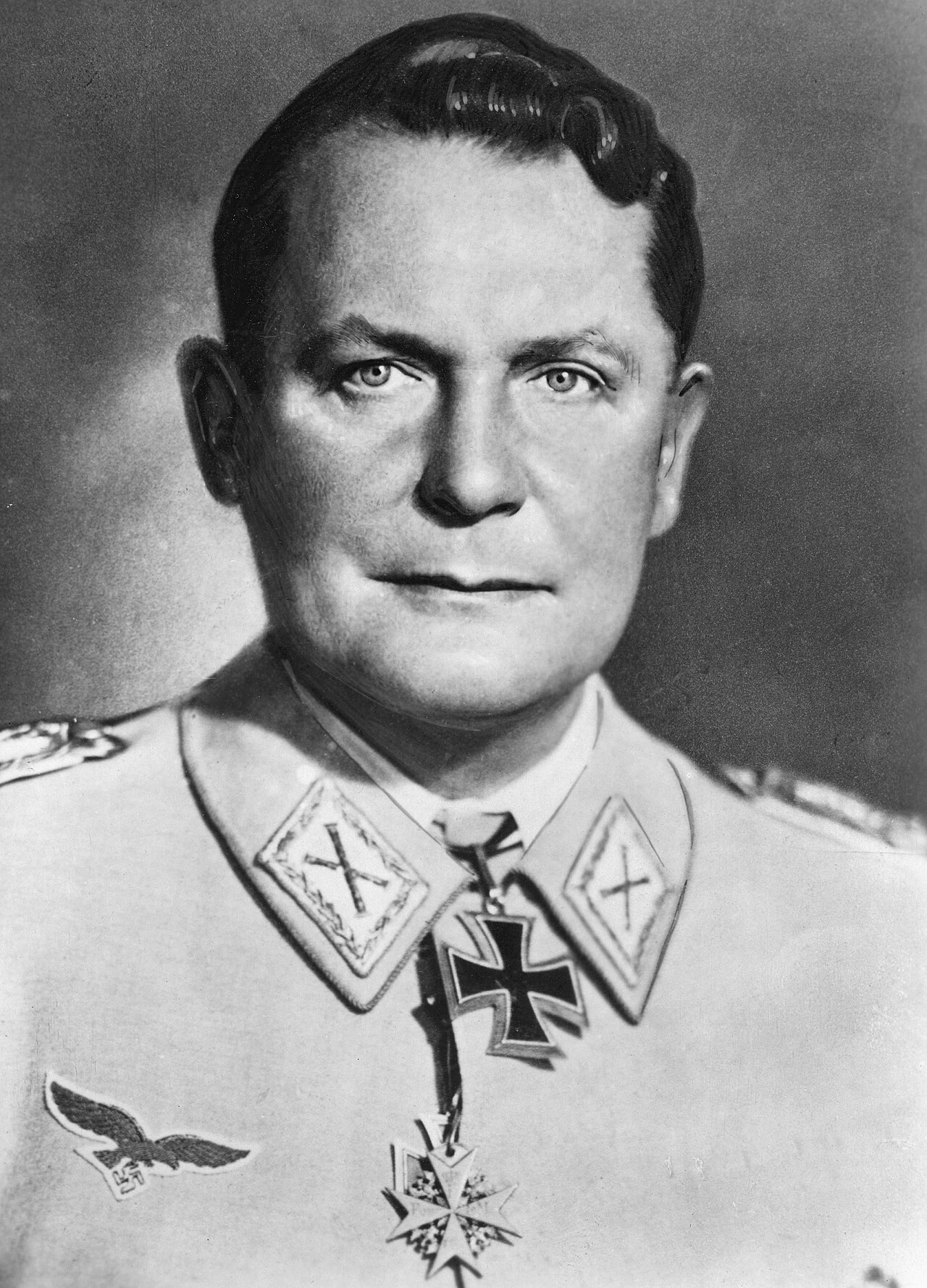
Goering at Carinhall — the promise to Hitler
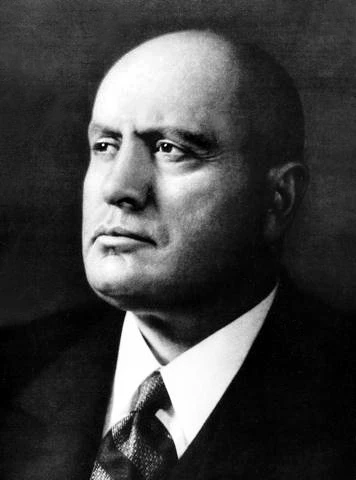
Mussolini on the Riviera — 21 June
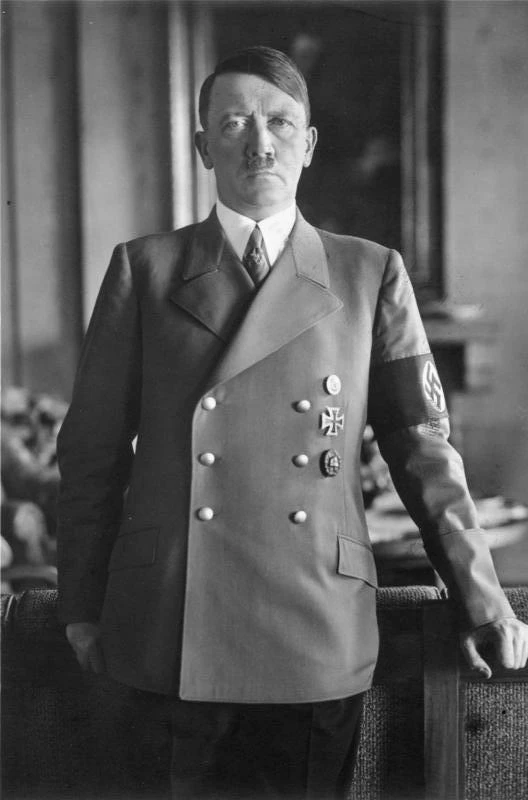
Hitler at Compiègne — 22 June 4:30 p.m.
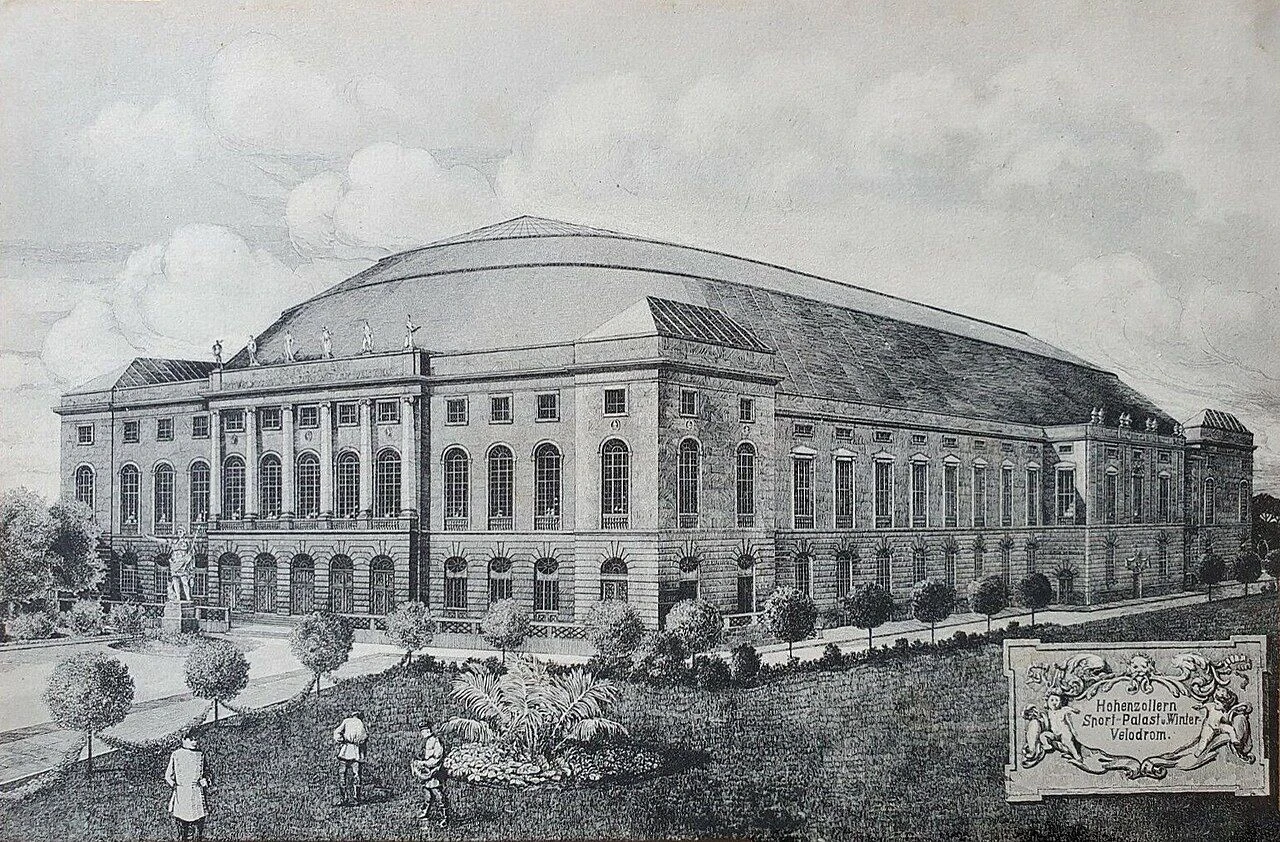
Hitler at the Sportpalast — 30 January, 8 pm
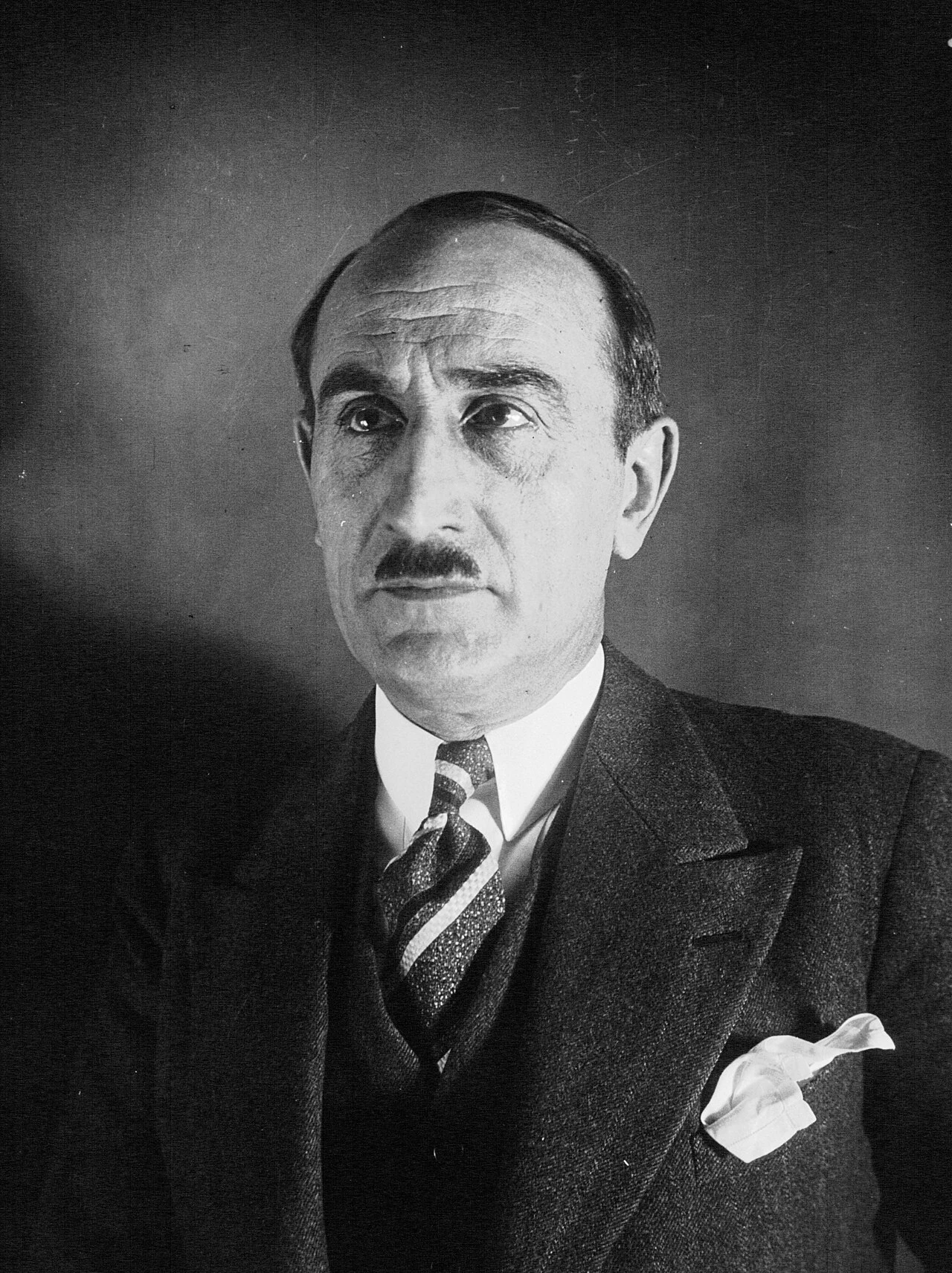
Marquet — Bordeaux overwhelmed, 12 June

Pierre Caron facing the exodus — the archivist and his post
When the Louvre Must Vanish
Langeron — Prefecture of Police, 14 June
Ciano summons the ambassadors — 10 June
Mussolini on the balcony — 10 June, 18:00
Goering at Carinhall — the promise to Hitler
Mussolini on the Riviera — 21 June
Hitler at Compiègne — 22 June 4:30 p.m.
Hitler at the Sportpalast — 30 January, 8 pm
Marquet — Bordeaux overwhelmed, 12 June
Pierre Caron facing the exodus — the archivist and his post