
Karaszewicz-Tokarzewski — Founding the SZP
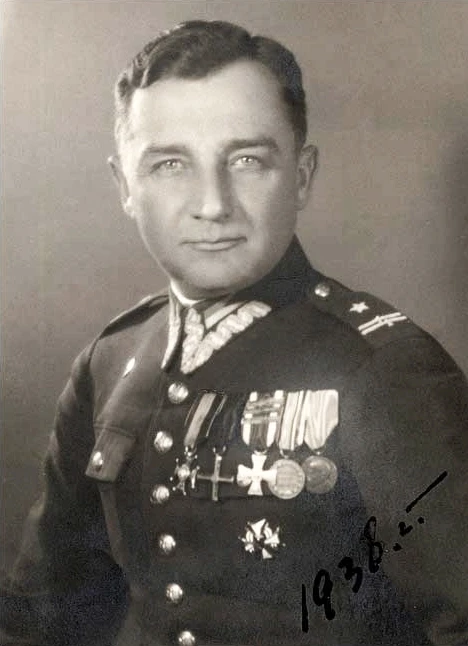
, forty-six, is a Polish general — veteran of Pilsudski's , commander of the Modlin infantry division in September 1939. At the surrender of Warsaw on the afternoon of 27 September 1939, while the military negotiations are being concluded at the Wawel and the Polish officers discuss the surrender protocol at General Rommel's villa, Tokarzewski refuses to go into captivity.
A few hours before the official surrender (which becomes effective on the morning of 28 September), Rommel signs — under a procedure devised in agreement with Sikorski through the French liaison mission — a decree authorising Tokarzewski to organise clandestine resistance on Polish soil. This decree is the founding act of the Polish Underground State (Polskie Panstwo Podziemne) — a sovereign structure continued under occupation, one of the most elaborate and complete of all occupied Europe.
Tokarzewski at once organises the ("Service for Poland's Victory," SZP), a direct emanation of the government-in-exile (Sikorski in Paris) and therefore the legitimate continuation of the Polish Republic. But its internal architecture remains to be defined: should it be a decentralised regional structure, a strictly military apparatus closed to the parties to avoid divisions, or an organisation associating the political forces under a common discipline?
What structure should be adopted for the SZP in the first weeks?
Tokarzewski chooses a military structure open to the political parties (PPS, SL, SN) under common discipline. The SZP opens itself from October 1939 to representatives of the principal pre-war parties; the Polski Komitet Polityczny (Polish Political Committee) is created in November. Tokarzewski also creates the armed branch — which will become the (ZWZ, Union of Armed Struggle) in January 1940 on Sikorski's order. Tokarzewski becomes its commander for the Soviet zone of occupation. He is arrested by the NKVD at Lwow on 6 March 1940 as he attempts to cross clandestinely to Budapest, and deported to the Lubyanka in Moscow. He survives torture, is freed in August 1941 under the Sikorski-Maisky agreement. He joins the Anders army in the USSR. Fights in Italy. He refuses to return to communist Poland. He goes into exile in the United Kingdom, where he dies in 1964, aged seventy-one. The SZP → ZWZ → (Home Army, February 1942) becomes the largest resistance organisation in occupied Europe, with 380,000 members at its 1944 peak. The Polish Underground State remains one of the most impressive politico-military constructions of the Second World War.
Learn more about this event
Related polls
10
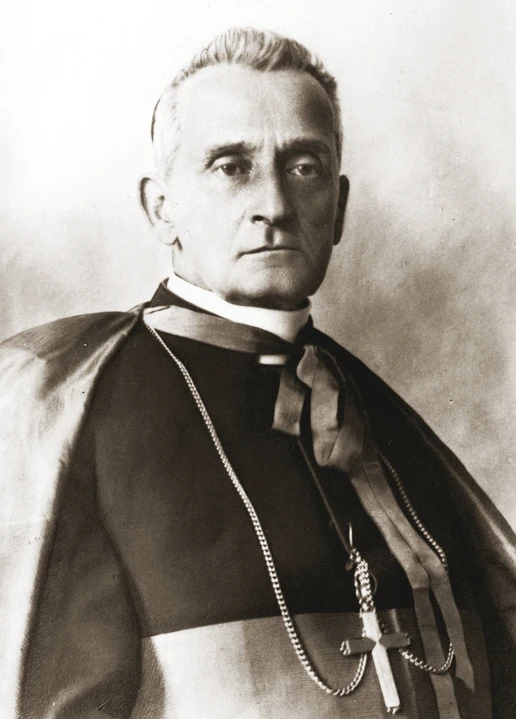
Cardinal Sapieha — Krakow under Occupation
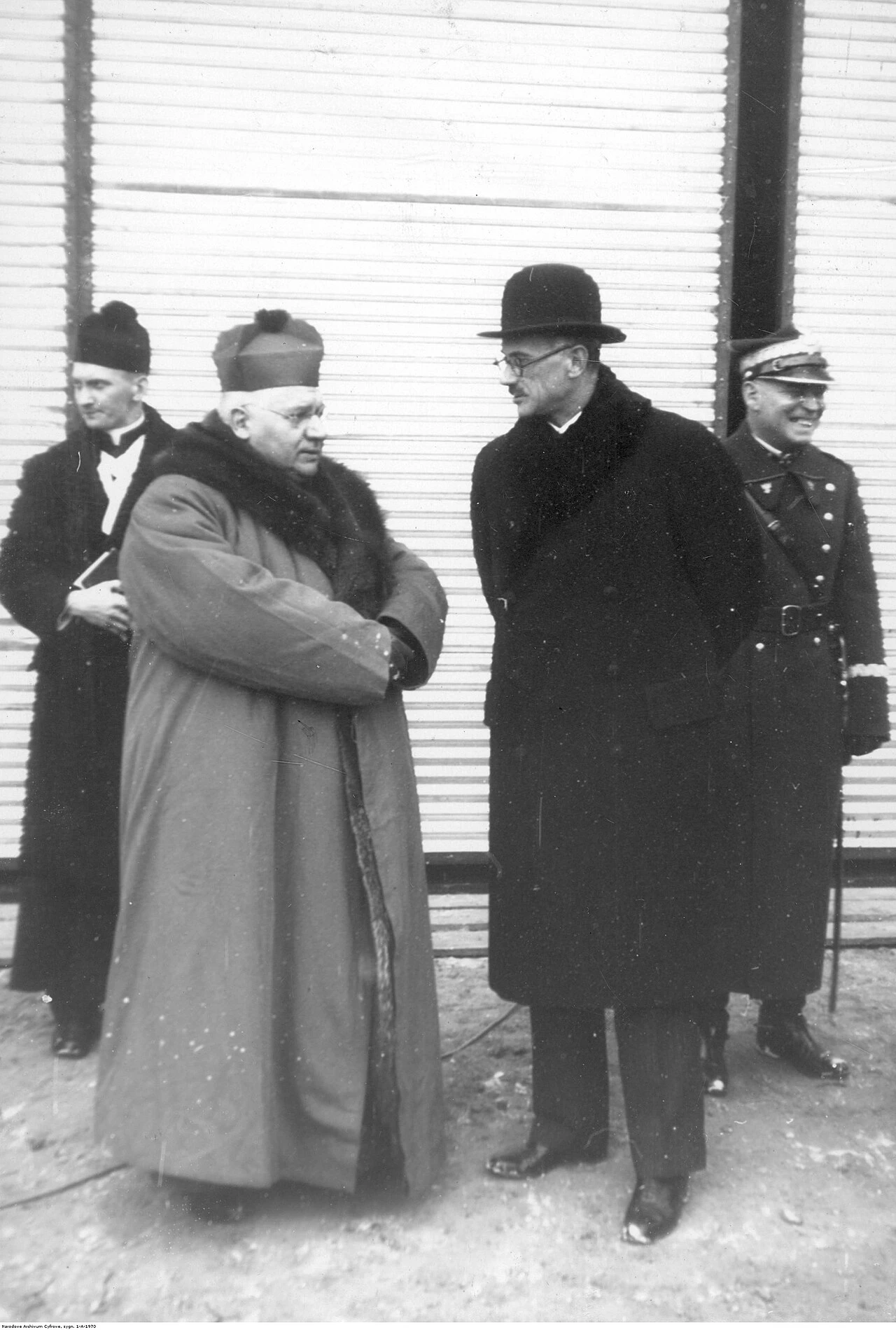
Bishop Adamski in annexed Katowice
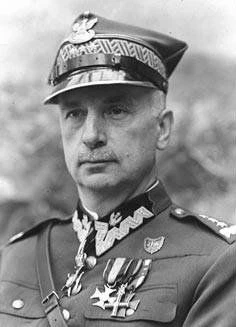
Sosnkowski — KSK, 27 November
Rydz-Śmigły at Kuty — the directive of 17 September
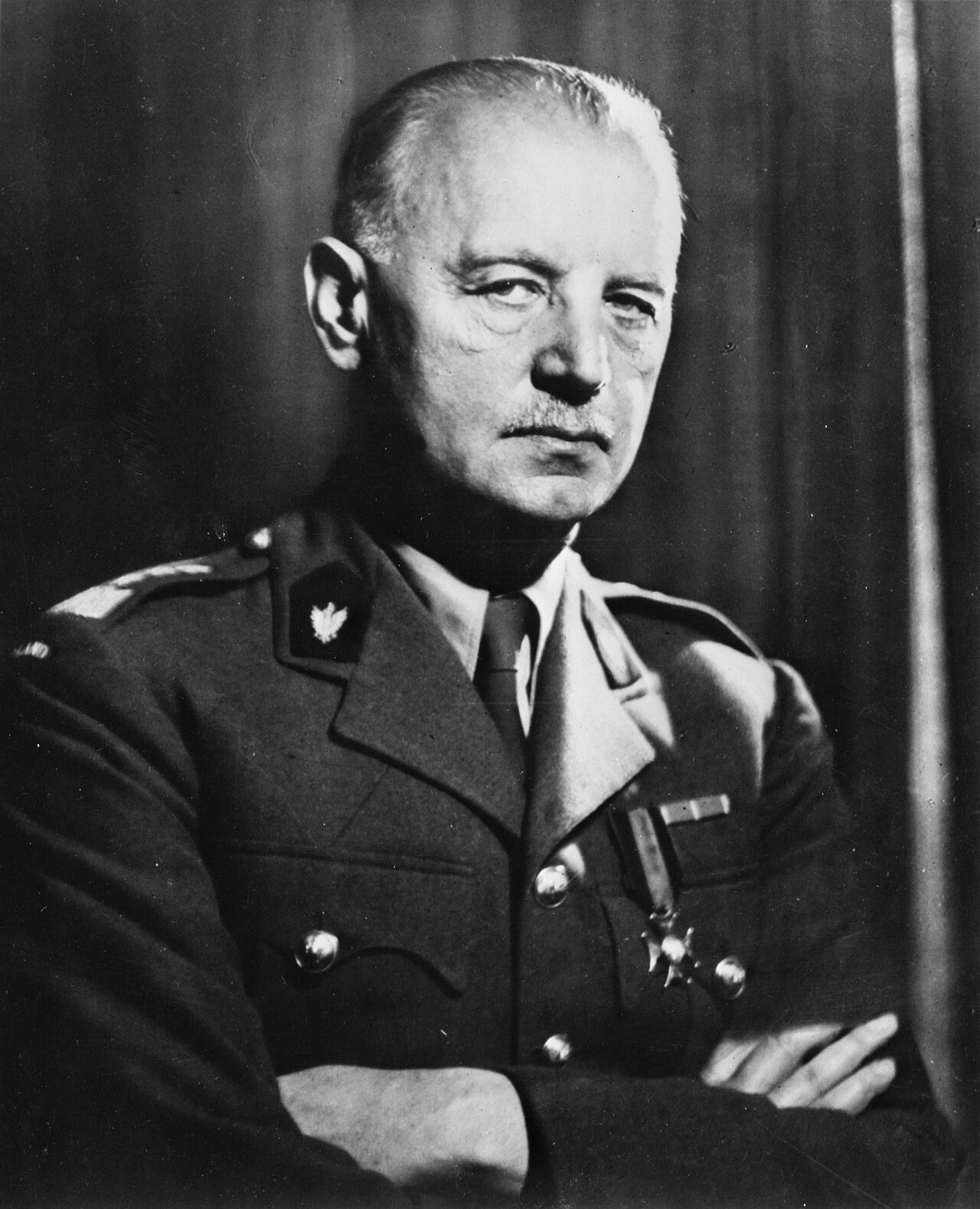
Sikorski leaves Bordeaux — 18 June
Borakowski and the merchant fleet
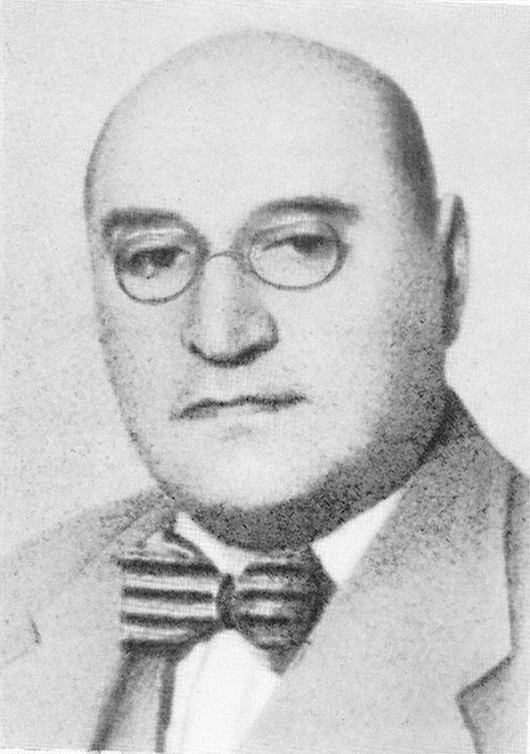
Czerniaków — the offer of the Judenrat
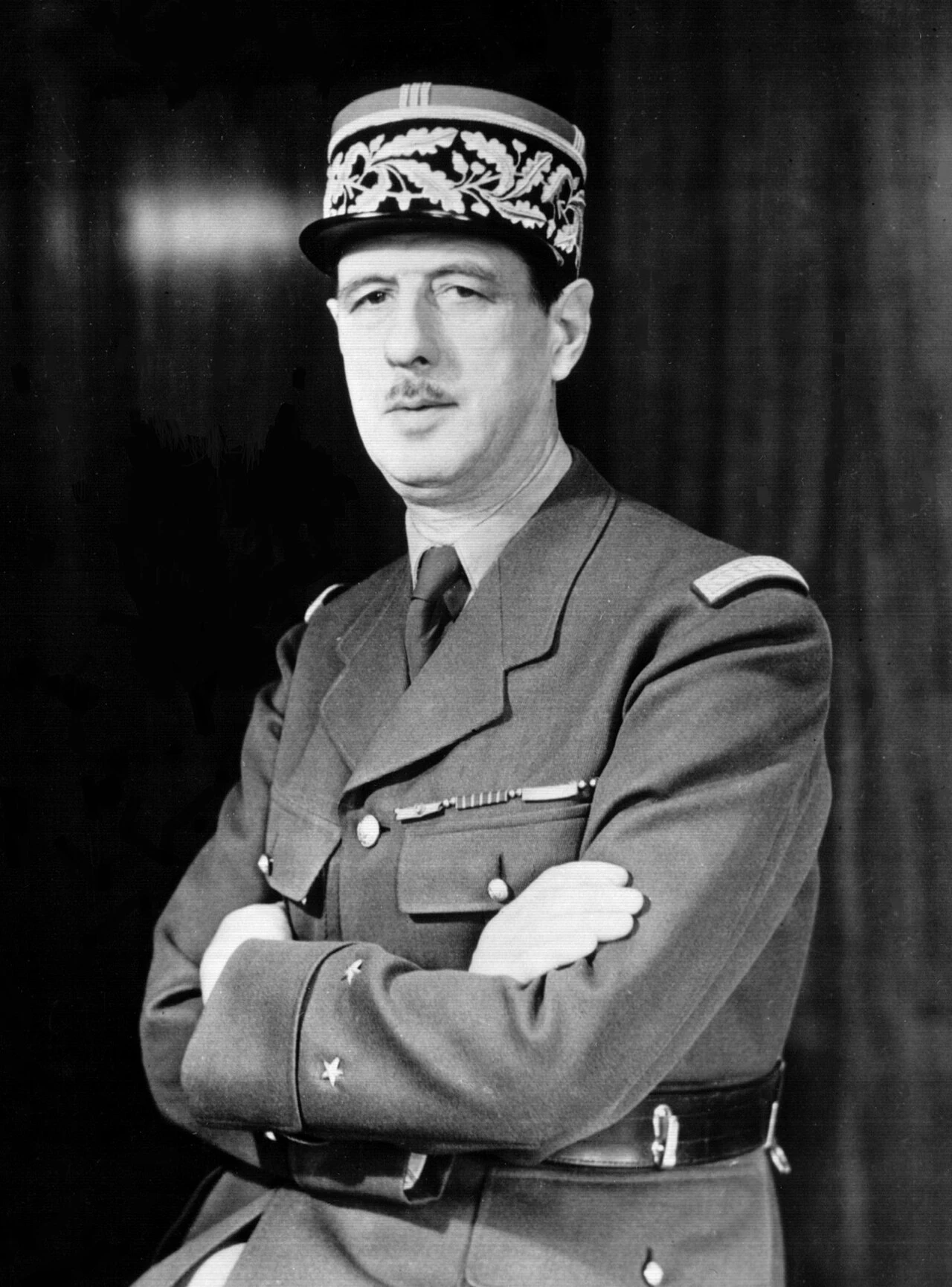
De Gaulle at the BBC microphone — 18 June, 18:00
Hubal — after the order to disband
The University of Warsaw under the Bombs
Cardinal Sapieha — Krakow under Occupation
Bishop Adamski in annexed Katowice
Sosnkowski — KSK, 27 November
Rydz-Śmigły at Kuty — the directive of 17 September
Sikorski leaves Bordeaux — 18 June
Borakowski and the merchant fleet
Czerniaków — the offer of the Judenrat
De Gaulle at the BBC microphone — 18 June, 18:00
Hubal — after the order to disband