
The first jump: a raid with no safety net for the return
At the beginning of 1941, Great Britain still possesses no real airborne force. Struck by the successes of the German paratroopers in 1940, Churchill has demanded the creation of a parachute troop; the very young , derived from , has barely finished training. The staff is looking for a first mission to test the new weapon.
The objective chosen is the Tragino Aqueduct, in southern Italy, near Calitri, which supplies water to the region and to the military port of Taranto. Destroying it would disrupt the supply of an area sheltering large bases. About thirty men — seven officers and thirty-one NCOs and soldiers, designated X Troop under Major Pritchard — are to be dropped by night by Whitley bombers.
The weak point is the extraction. No aerial recovery is possible: after the sabotage, the men will have to march some fifty miles across mountainous enemy territory to the mouth of the river Sele, where a submarine, HMS Triumph, is theoretically to pick them up. The staff knows that this plan for the return is extremely fragile.
Should the British planners launch this first airborne raid despite the lack of a reliable extraction?
The staff chooses A: during the night of 10-11 February 1941, Operation Colossus sends X Troop onto the Tragino. The aqueduct is blown up, and a nearby bridge collapses. But what follows confirms the fears: a broken-down Whitley, tasked with a diversion, ditches near the rendezvous point; fearing that the Italians had intercepted its radio message and would set a trap, the command cancels the dispatch of the Triumph. Deprived of extraction, all 38 men are captured within a few days. The Italo-British interpreter will be shot in Rome. The aqueduct, moreover, is repaired before the water reserves run out. A tactical failure, the operation nonetheless provides decisive lessons that will lead to the expansion of the British airborne forces.
Learn more about this event
Related polls
10
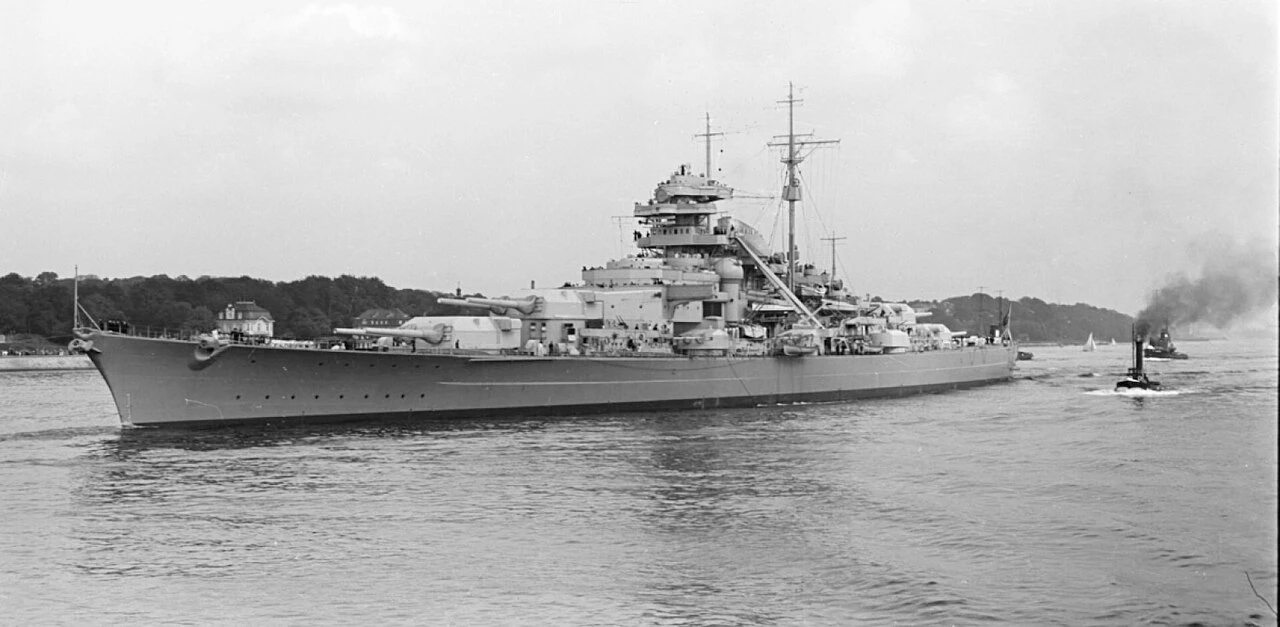
Tovey — the Bismarck running for France
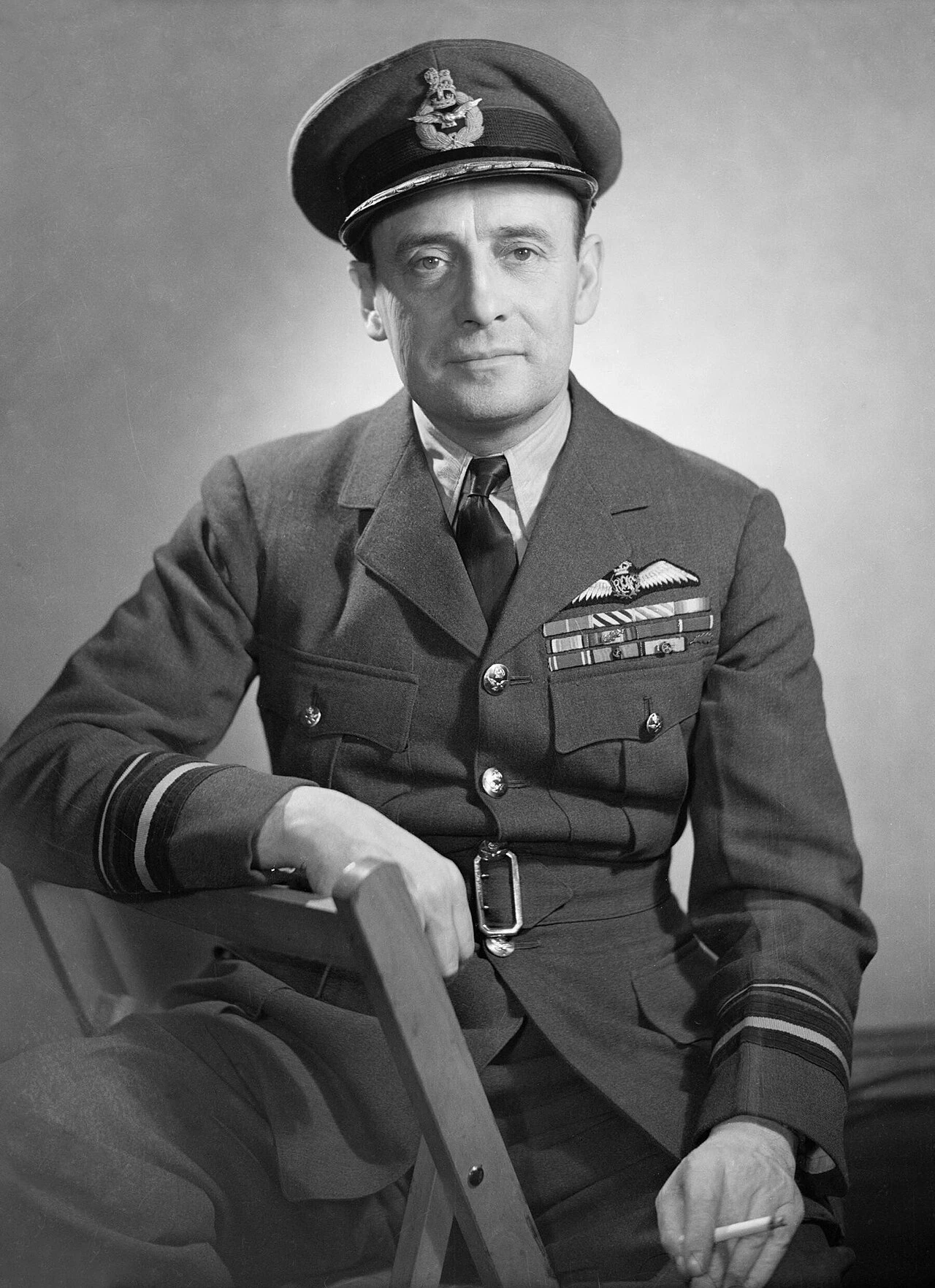
Habbaniya — the Anglo-Iraqi War
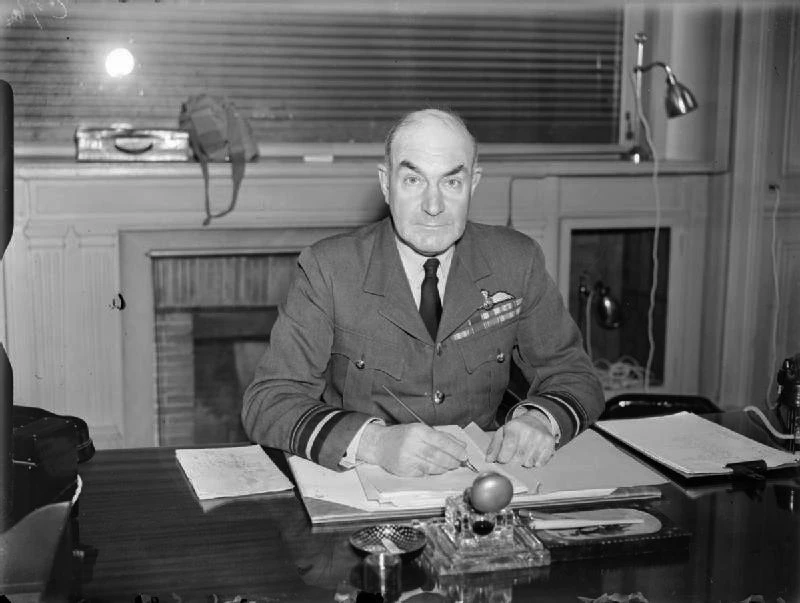
The bridges of Maastricht — the sacrifice of the Battles
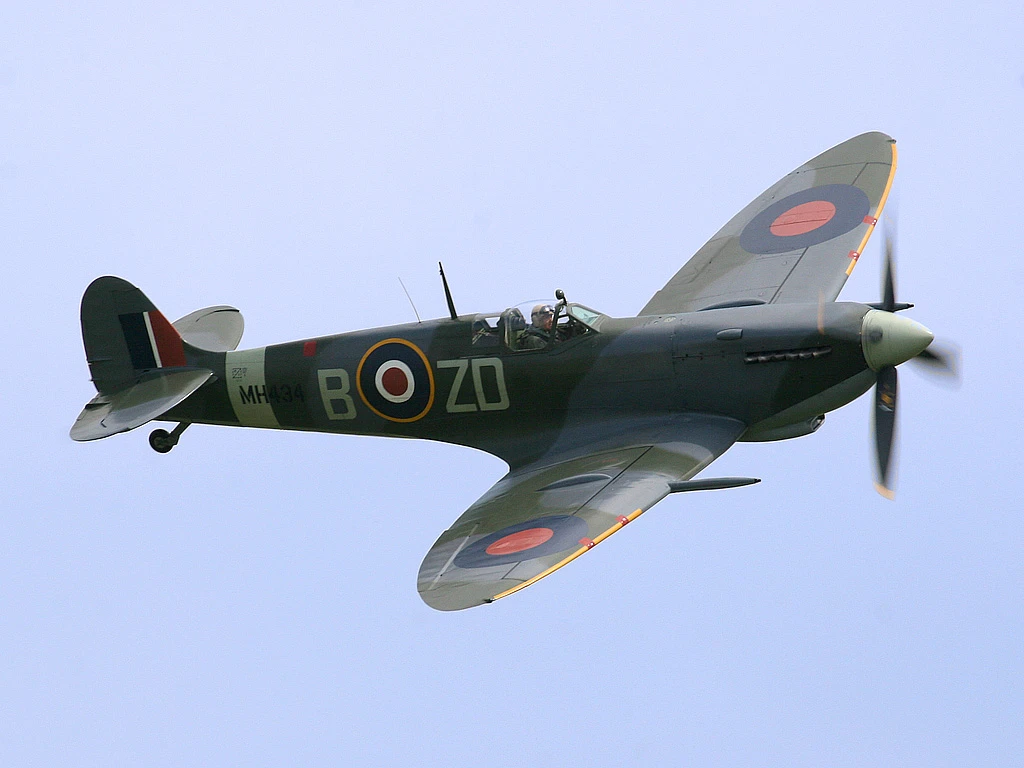
A Spitfire pilot's first combat
Władysław Gnyś — the Dorniers over Olkusz
Cape Matapan — Cunningham against Iachino
Excess: getting the convoy through under a new threat
The Greeks at the Klisura Pass
'Fortresses do not surrender'
Barbarossa — 3:15 a.m.
Tovey — the Bismarck running for France
Habbaniya — the Anglo-Iraqi War
The bridges of Maastricht — the sacrifice of the Battles
A Spitfire pilot's first combat
Władysław Gnyś — the Dorniers over Olkusz
Cape Matapan — Cunningham against Iachino
Excess: getting the convoy through under a new threat
The Greeks at the Klisura Pass
'Fortresses do not surrender'