
Ludlow-Hewitt and Operation Nickel
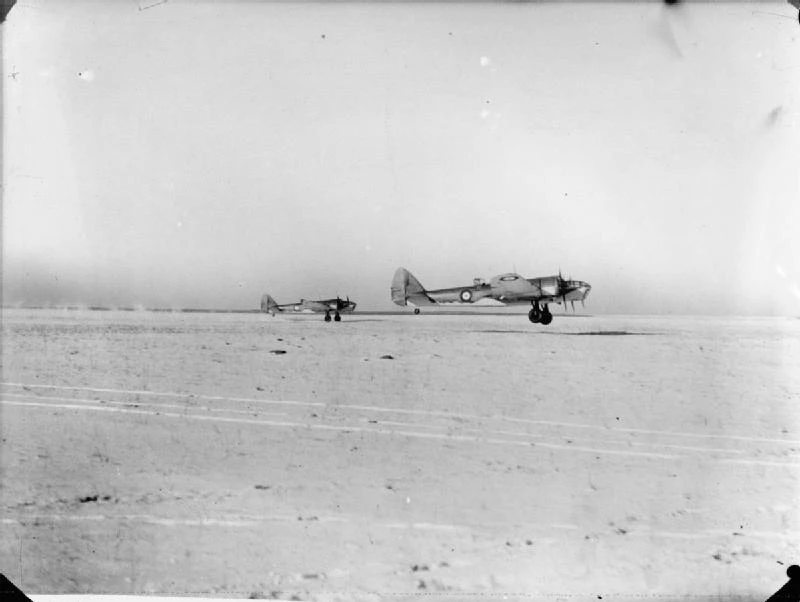
At the outbreak of war RAF Bomber Command fielded 23 operational squadrons — roughly 500 bombers (Vickers Wellingtons, Handley Page Hampdens, Armstrong Whitworth Whitleys). Its theoretical mission was the strategic bombing of the Ruhr basin to strangle German industry. But in September 1939 Chamberlain had forbidden any bombing of industrial or urban targets for fear of German reprisals against British cities — a moral protection of civilians by doctrine.
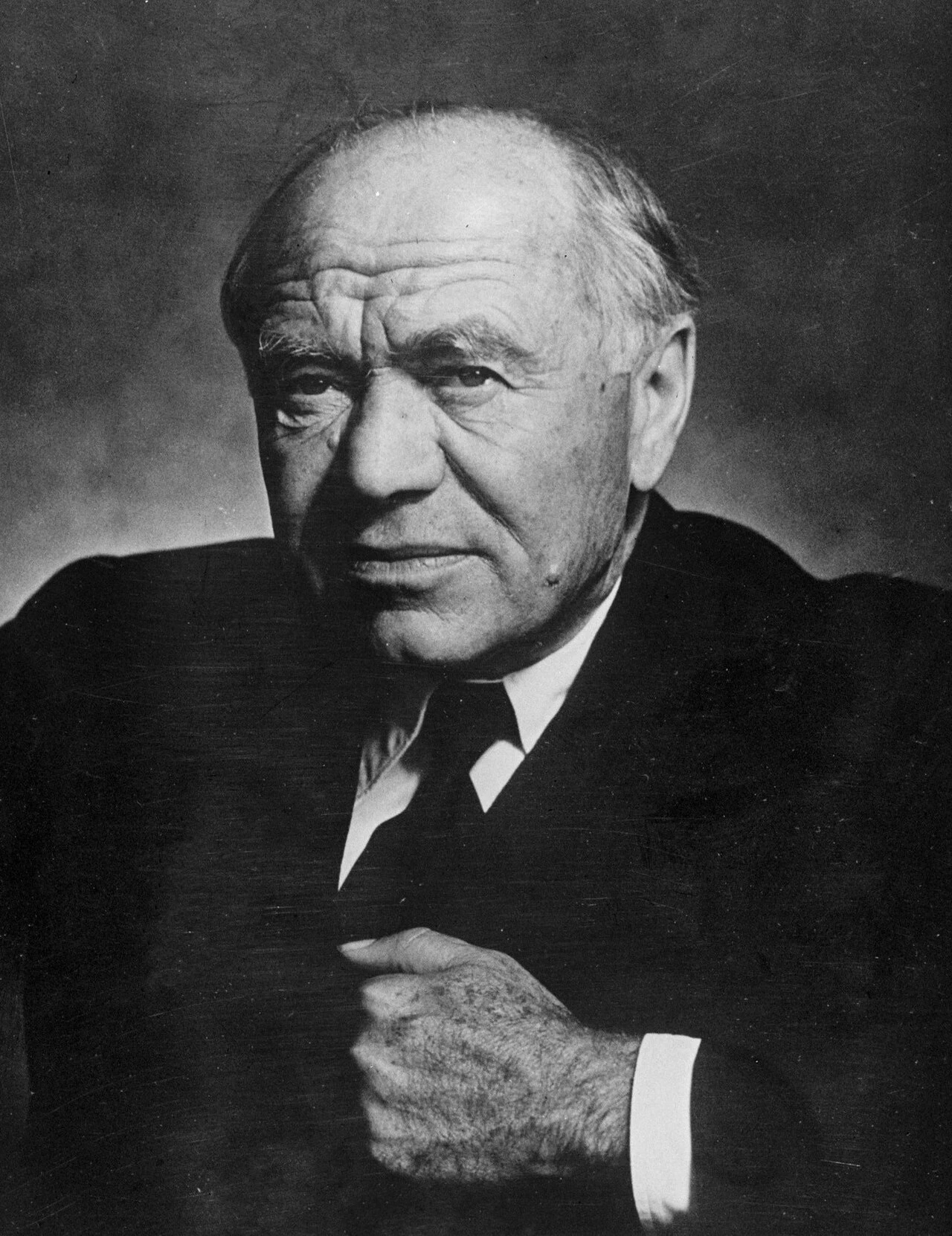
, 53, had commanded Bomber Command since 1937. He thought the restrictive doctrine militarily questionable. His bombers were given substitute missions: leaflet drops over Germany (Operation Nickel), photographic reconnaissance, bombing of limited military targets (naval bases, isolated armament works).
Between 3 September 1939 and 29 February 1940 Bomber Command flew 78 Nickel missions over Berlin, Hamburg, Munich, Stuttgart and Bremen — roughly 12 million leaflets dropped. The leaflets carried flattering photographs of Hitler set against unflattering ones of Goering, statistics on Allied agricultural output, and German-language texts arguing the futility of the war.
Aircrew thought the missions absurd. From November 1939 several crews refused them or turned back. Ludlow-Hewitt had to decide what to do with these leaflet missions.
How should Ludlow-Hewitt judge the effectiveness of the Nickel doctrine?
Ludlow-Hewitt applied B. He protested regularly to Whitehall but carried out the Nickel missions. The tally: 8 bombers lost over 78 sorties, around 50 men killed, and no identifiable material or moral effect on the German side. By March 1940 the Nickel missions were gradually being abandoned. On 10 May 1940, the day Fall Gelb began, Churchill became Prime Minister and immediately authorised the bombing of German industrial targets — the transition to strategic bombing. Ludlow-Hewitt was sacked on 3 April 1940 — before Fall Gelb — by political decision; the more offensively minded replaced him. Ludlow-Hewitt served on as Inspector-General of the RAF until 1945. He died in 1973.
Learn more about this event
Related polls
10
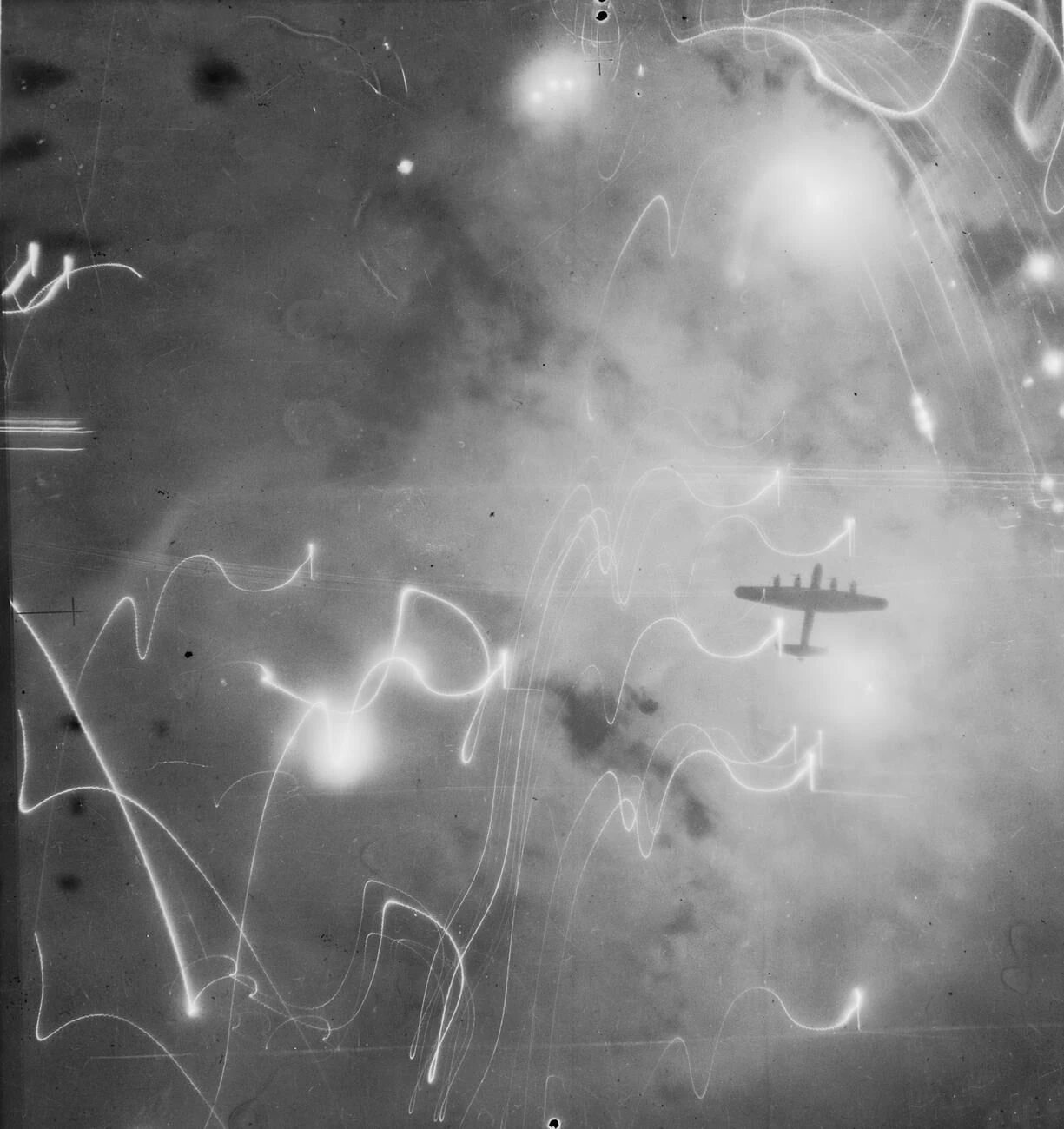
Bombing London — and the reply on Berlin
Casting Out the Victors — Air Ministry, November 1940
The British Soldier Sent to France with the BEF
The Anglo-Polish Alliance
Baku in the crosshairs — Operation Pike
Cambridge, 1939: The Evacuated LSE Student and Conscription
Chamberlain — 11:15 BST
The Last-Chance Mediation
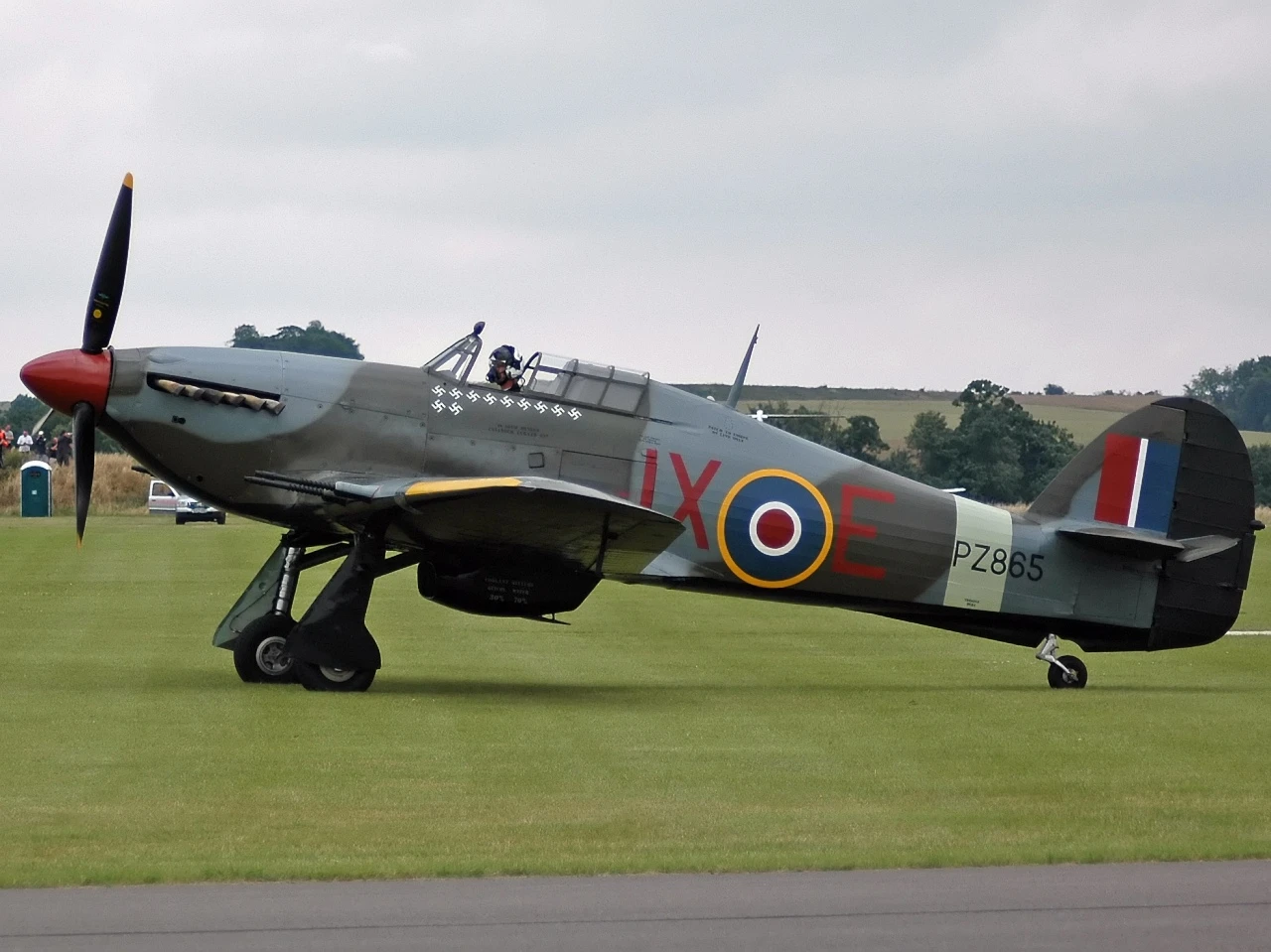
The RAF — Fighters or Bombers
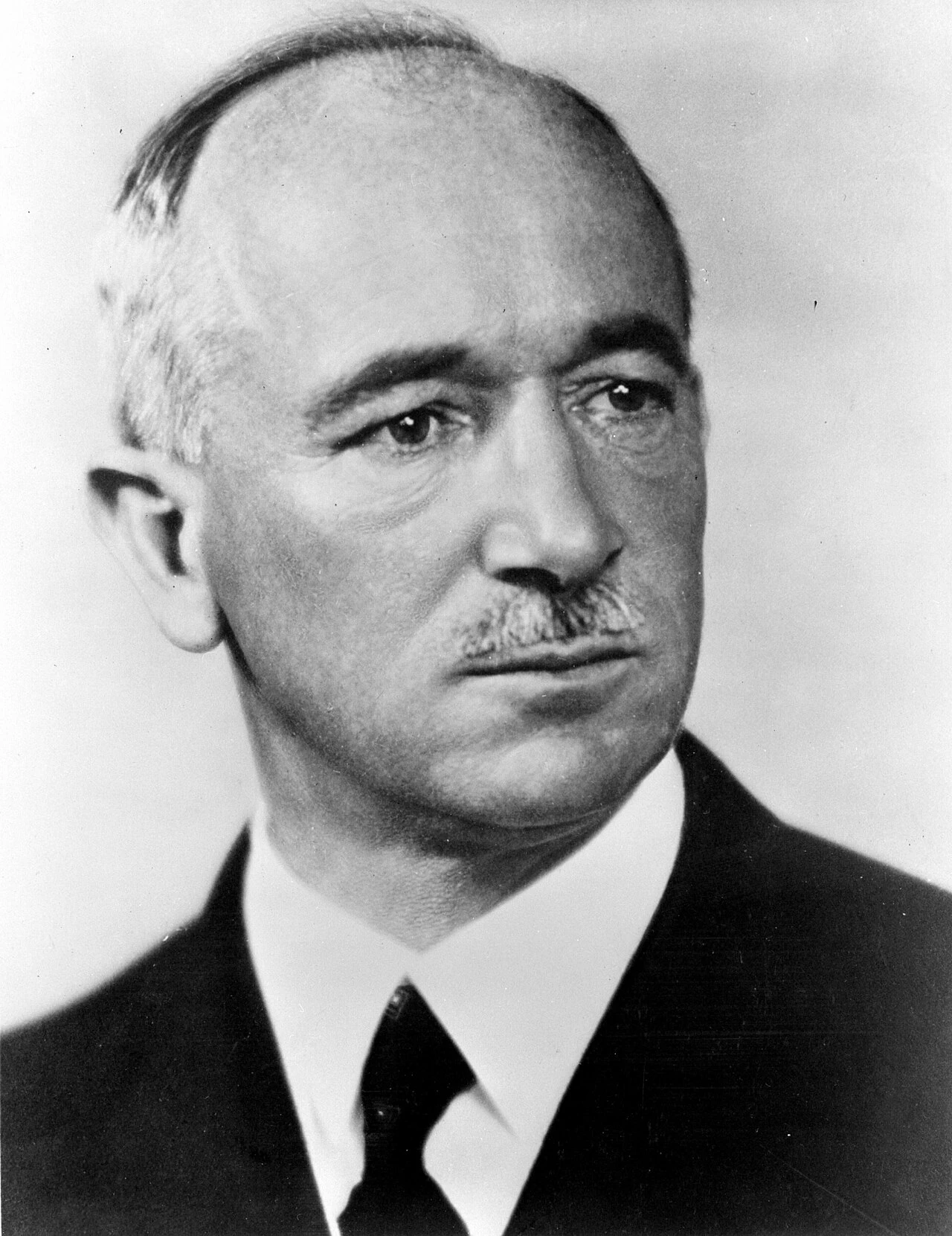
Beneš in London — autumn 1939
Bombing London — and the reply on Berlin
Casting Out the Victors — Air Ministry, November 1940
The British Soldier Sent to France with the BEF
The Anglo-Polish Alliance
Baku in the crosshairs — Operation Pike
Cambridge, 1939: The Evacuated LSE Student and Conscription
Chamberlain — 11:15 BST
The Last-Chance Mediation
The RAF — Fighters or Bombers