
Touchon on the Aisne — Fall Rot
Dunkirk barely evacuated, on 5 June the Wehrmacht launches Fall Rot ("Case Red"), the second phase of the campaign in France, intended to finish off what remains of the French army on the Somme-Aisne line. General commands the , a force hastily improvised on the Aisne between Soissons and the Compiègne area.
His means are mixed: a dozen heterogeneous divisions — survivors of the Belgian battle, fragments of large units, colonial troops — supported by de Gaulle's . Facing them is a far superior German concentration, Panzerdivisionen at the head, backed by mastery of the air.
The doctrine adopted is Weygand's "hedgehog defence": strongpoints that must hold even when encircled. Touchon must cover a wide front with half the forces planned. His line holds for four days. On 9 June the pressure grows so heavy that rupture threatens at Soissons. Touchon does not know whether a sacrifice in place would serve any purpose, or whether he must preserve his divisions for a line further back.
On 9 June, should Touchon hold the Aisne at all costs or order withdrawal to the Marne?
Touchon chooses B and orders withdrawal to the Marne. But the Wehrmacht moves faster than the disengagement: the Marne line is pierced around 12 June, Paris is declared an open city on the 13th and occupied on the 14th. The defence of the Aisne, heroic in places, will have delayed the inevitable by only a few days. Touchon escapes captivity, is appointed military governor of Algiers in the summer of 1940, then sidelined by Vichy. His battle illustrates the drama of the French armies of June 1940: a real resistance, but overwhelmed by the speed of the enemy and the collapse of the high command. He dies in 1949.
Learn more about this event
Related polls
10
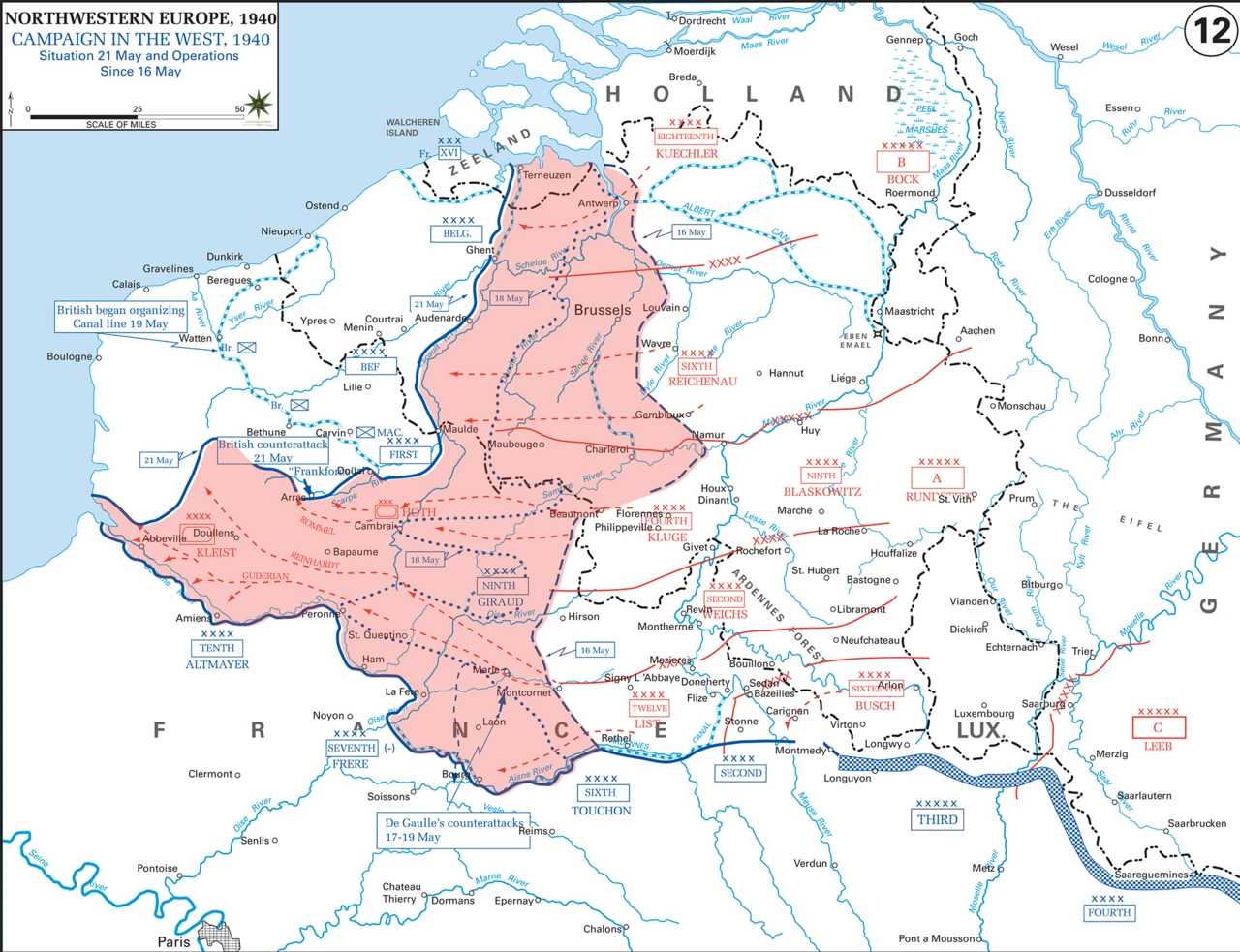
Boulogne — Fox-Pitt and the Guards facing the port
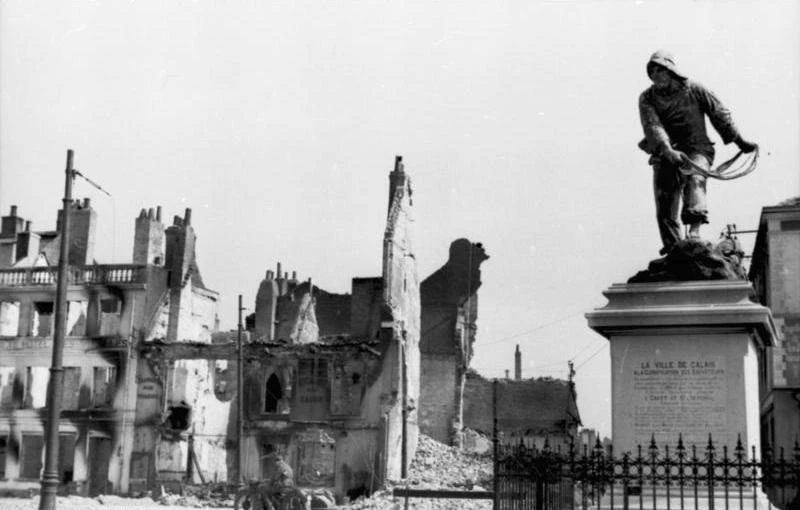
Calais — Nicholson facing the ultimatum
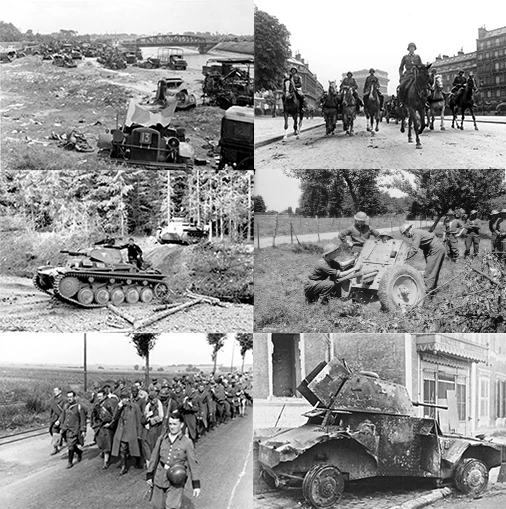
The Weygand Line on the Somme
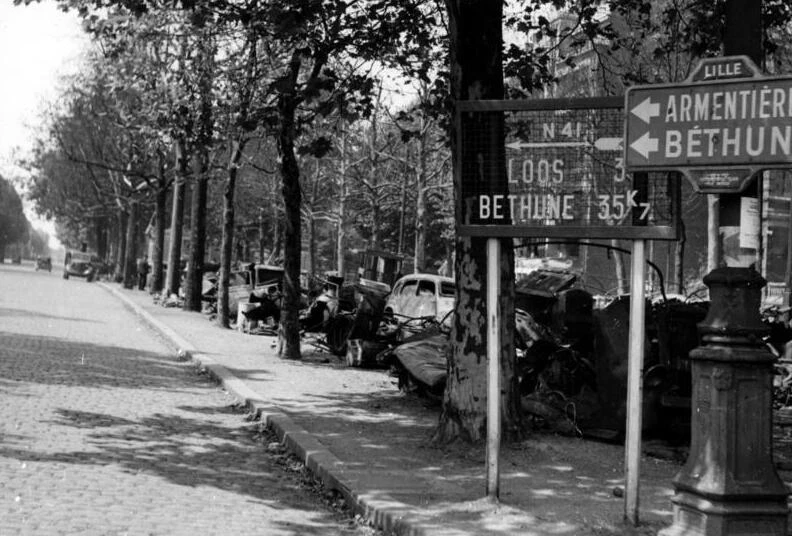
The Lille Pocket
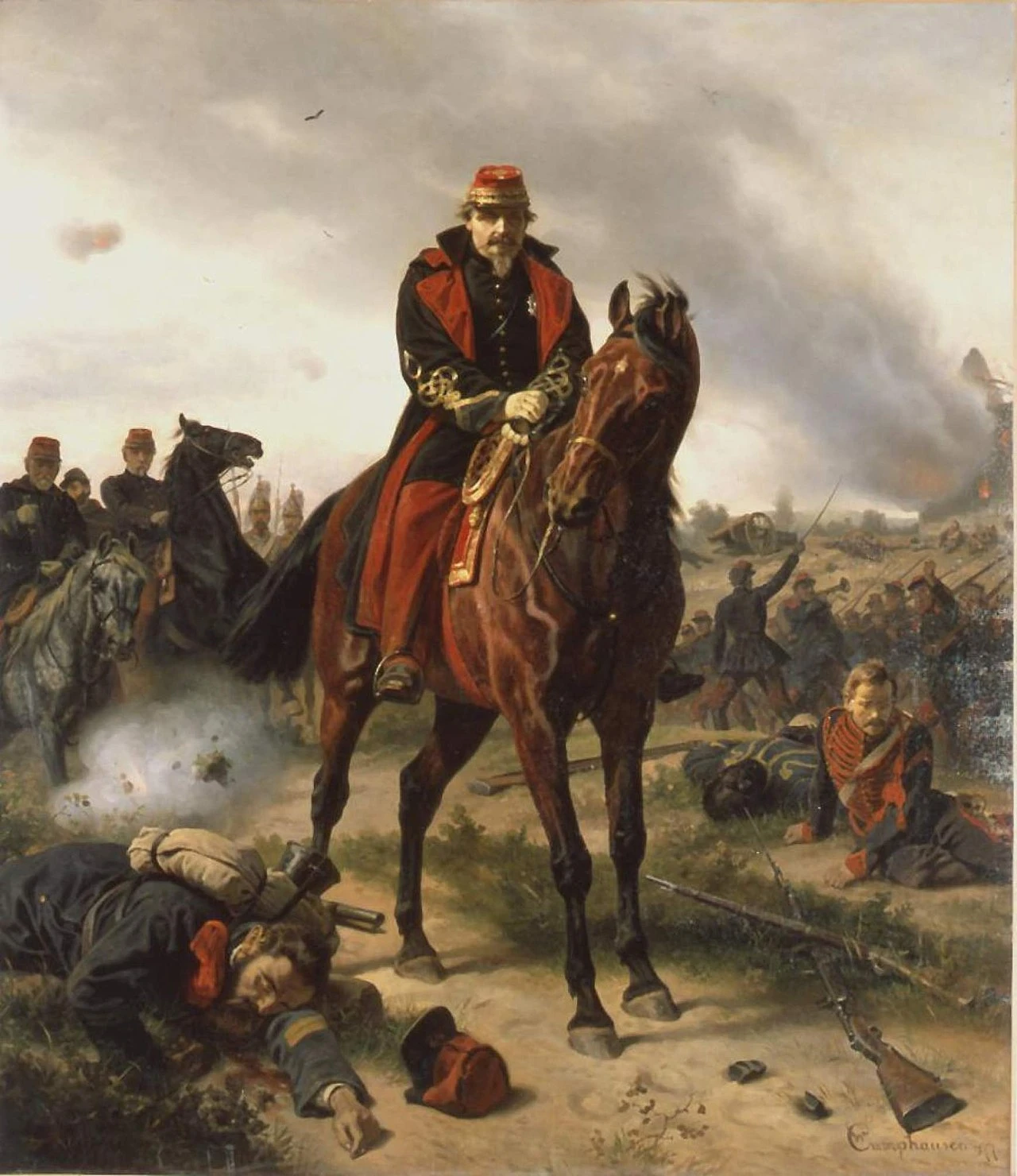
Bulson — Lafontaine and the 02:00 rumour
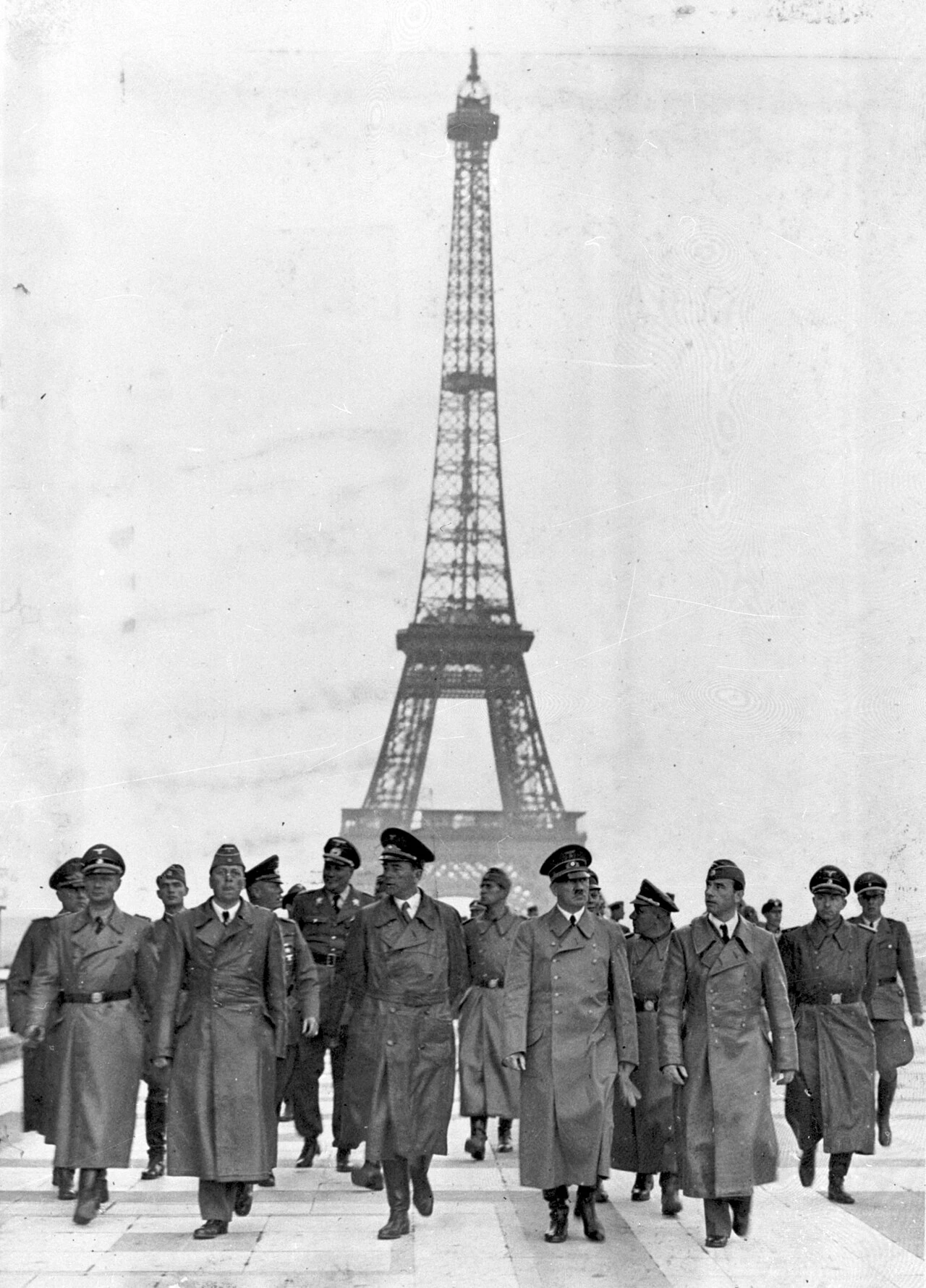
The Defence of Boulogne
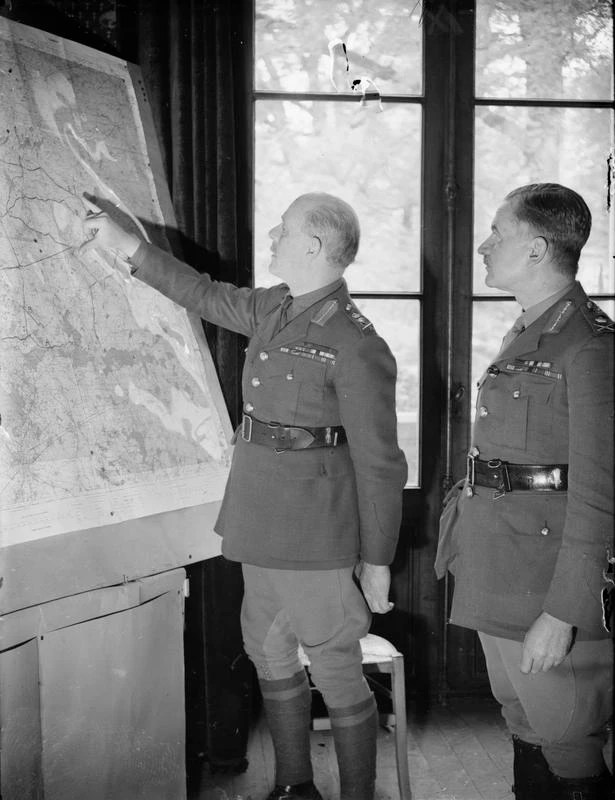
Gort at Habarcq — trust in the French plan
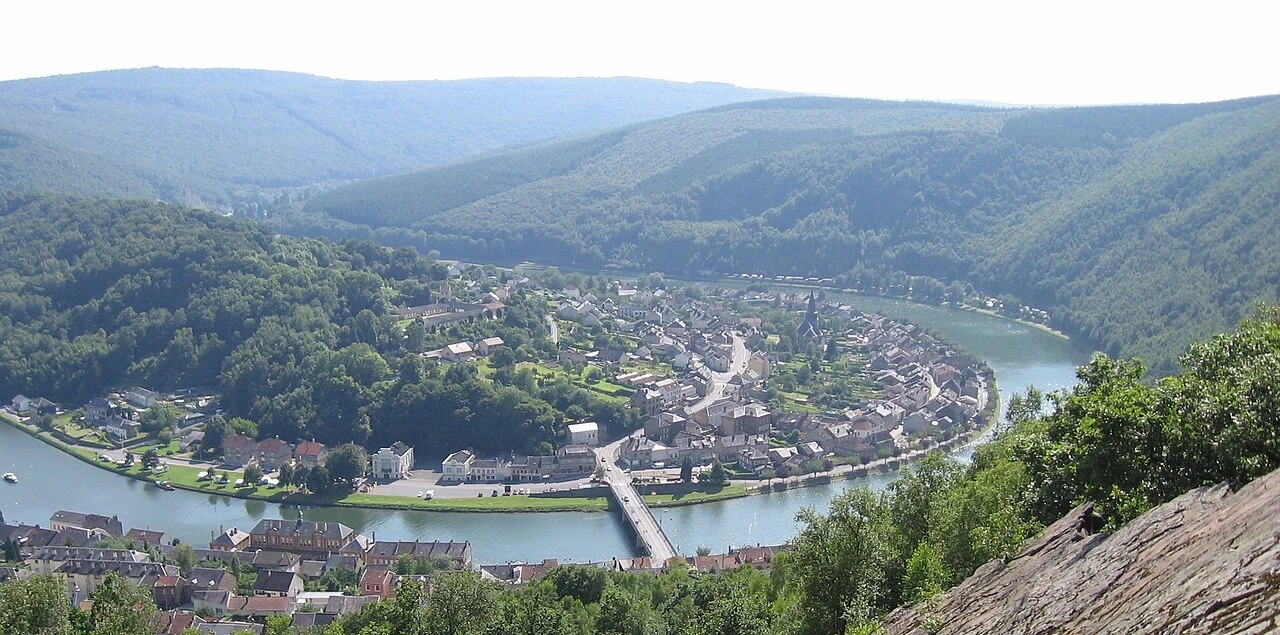
Monthermé — Portzert in the Meuse loop
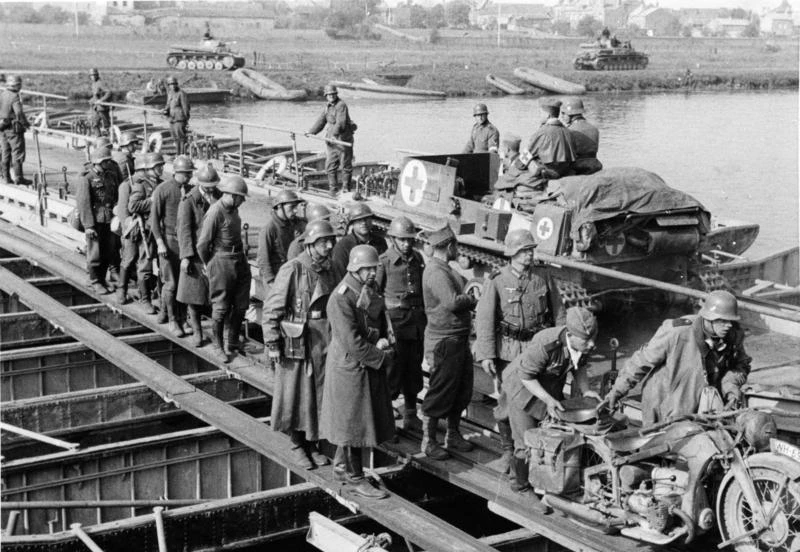
The panic of Bulson
Stonne — Billotte facing the Panzer column
Boulogne — Fox-Pitt and the Guards facing the port
Calais — Nicholson facing the ultimatum
The Weygand Line on the Somme
The Lille Pocket
Bulson — Lafontaine and the 02:00 rumour
The Defence of Boulogne
Gort at Habarcq — trust in the French plan
Monthermé — Portzert in the Meuse loop
The panic of Bulson