
Japan enters southern Indochina
The invasion of the USSR reshuffles the cards for Japan: should it 'strike north' against the weakened Soviets, or 'strike south' toward the riches of South-East Asia (oil of the Dutch East Indies, rubber, tin)? Imperial Conferences are held in Tokyo in July 1941 to arbitrate this decisive orientation, while the risks of a clash with the Western powers loom.
French Indochina, already under tutelage since 1940, is a central stake: to occupy its southern part would give Japan air and naval bases (Saigon, Cam Ranh) ideally placed to threaten British Malaya, Singapore and the Dutch East Indies. Vichy, powerless, would scarcely have the means to oppose it.
The Japanese government must weigh the risk: occupy southern Indochina, accepting a probable break with Washington and London; confine itself to the North already held so as not to provoke the United States; or suspend the expansion. Tokyo knows that such an advance would cross an American red line — but must wager on Roosevelt's reaction, up to the total embargo that would asphyxiate the Japanese war economy.
Should Japan occupy southern Indochina, at the risk of a break with Washington?
Japan chooses to occupy southern Indochina to prepare the expansion southward. At the end of July 1941, its troops occupy southern Indochina with the coerced 'consent' of Vichy. The American reaction is lightning-swift and far harsher than anticipated: as early as 26 July, Roosevelt freezes Japanese assets in the United States, followed by the British and the Dutch, which leads in effect to an embargo on oil. American oil covers nearly four-fifths of Japanese needs, and the tap is now in Washington's hands. Deprived of the bulk of its oil imports, Japan finds itself before a fatal choice: bow to American demands (evacuate China) or seize the resources of the South by force. This is the chain of events that leads straight to Pearl Harbor in December 1941. The occupation of southern Indochina is the tipping point toward the Pacific War.
Learn more about this event
Related polls
10
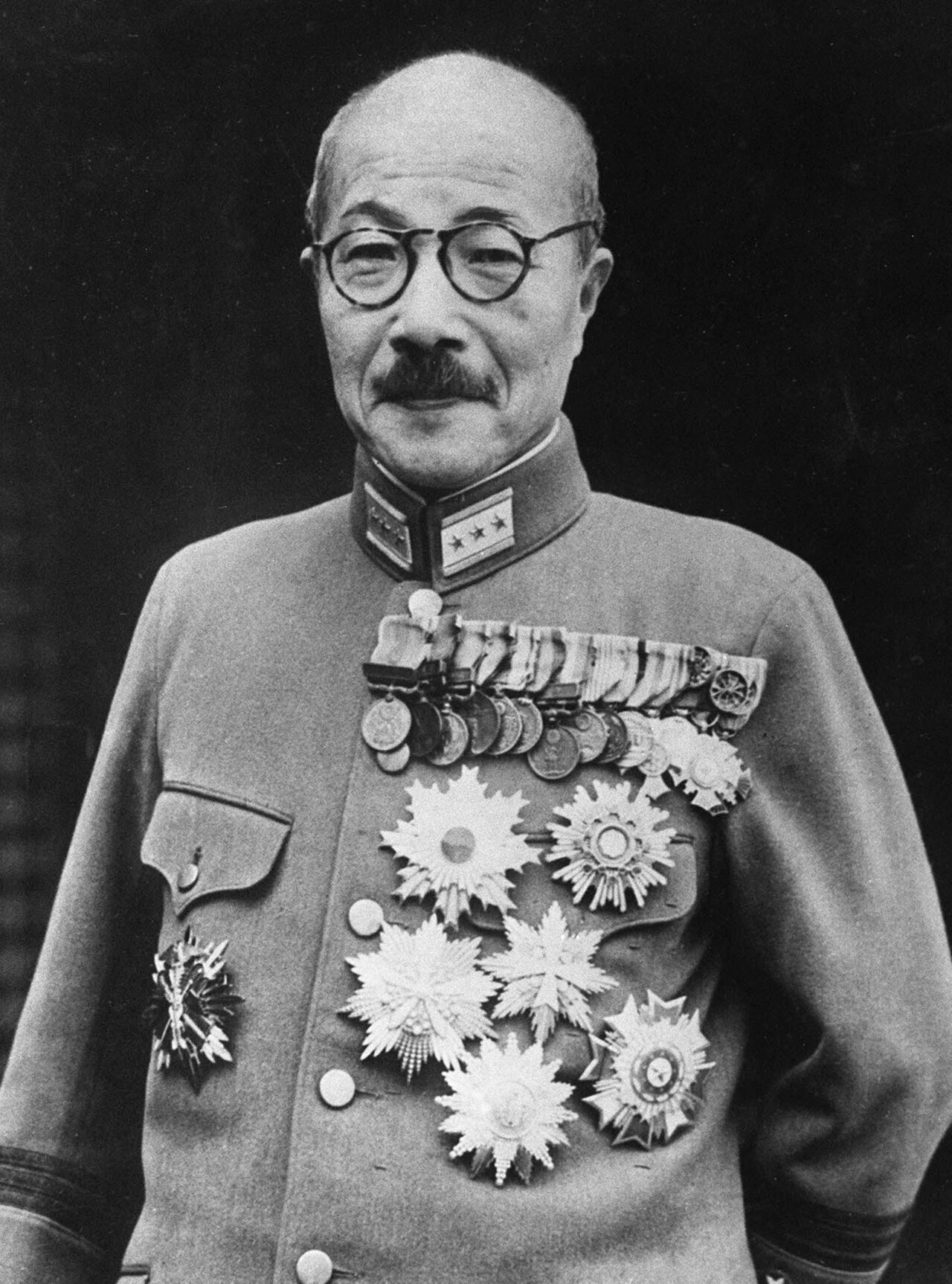
Japan and the Southern Resource Zone
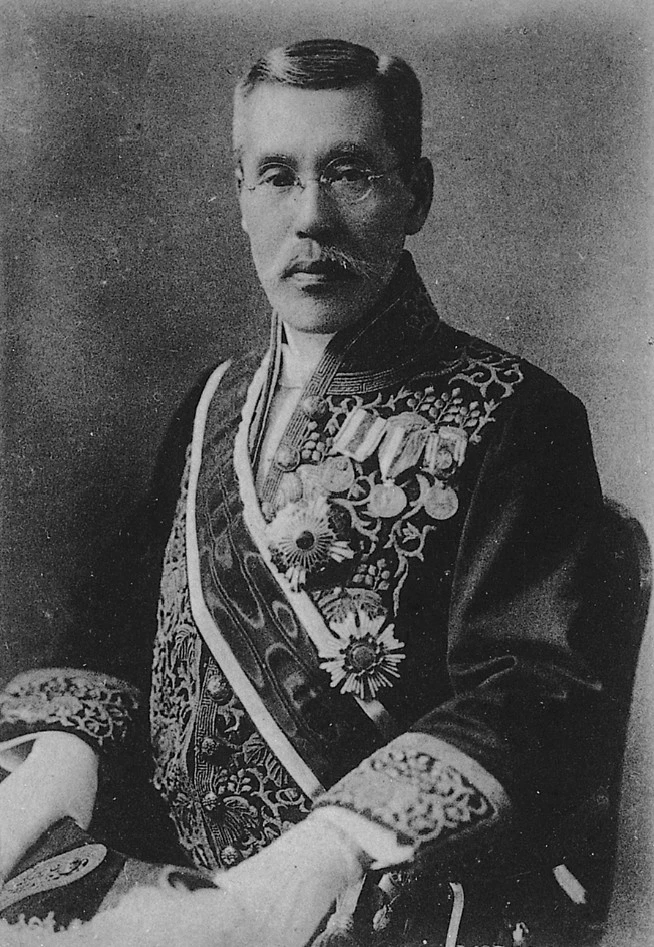
Japan Disoriented
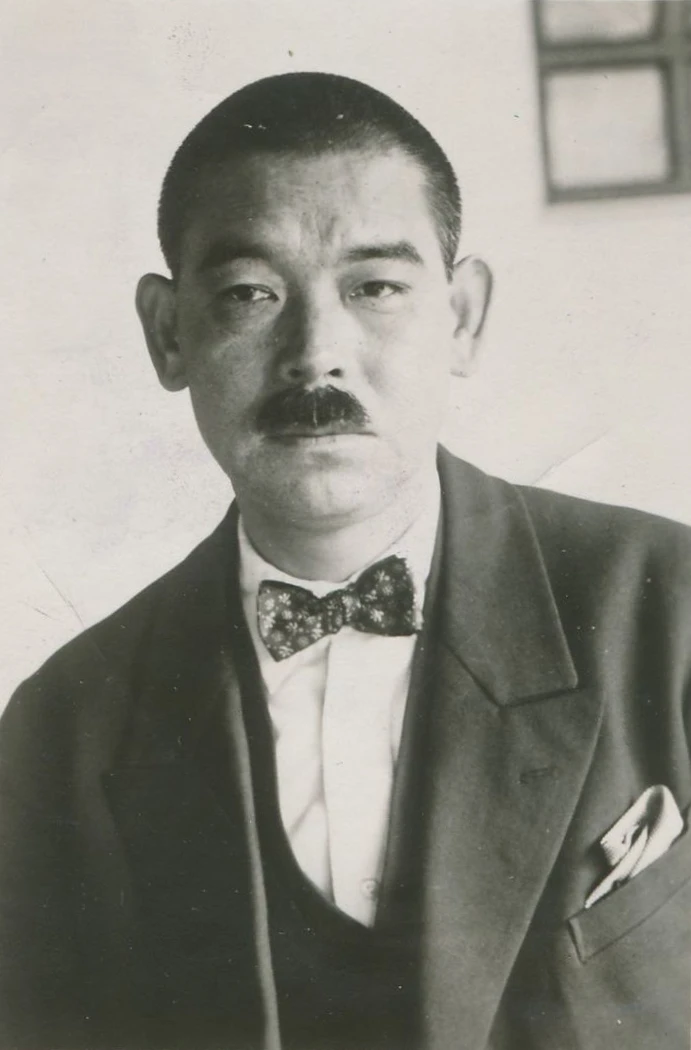
Tokyo — Japan and the Tripartite Pact
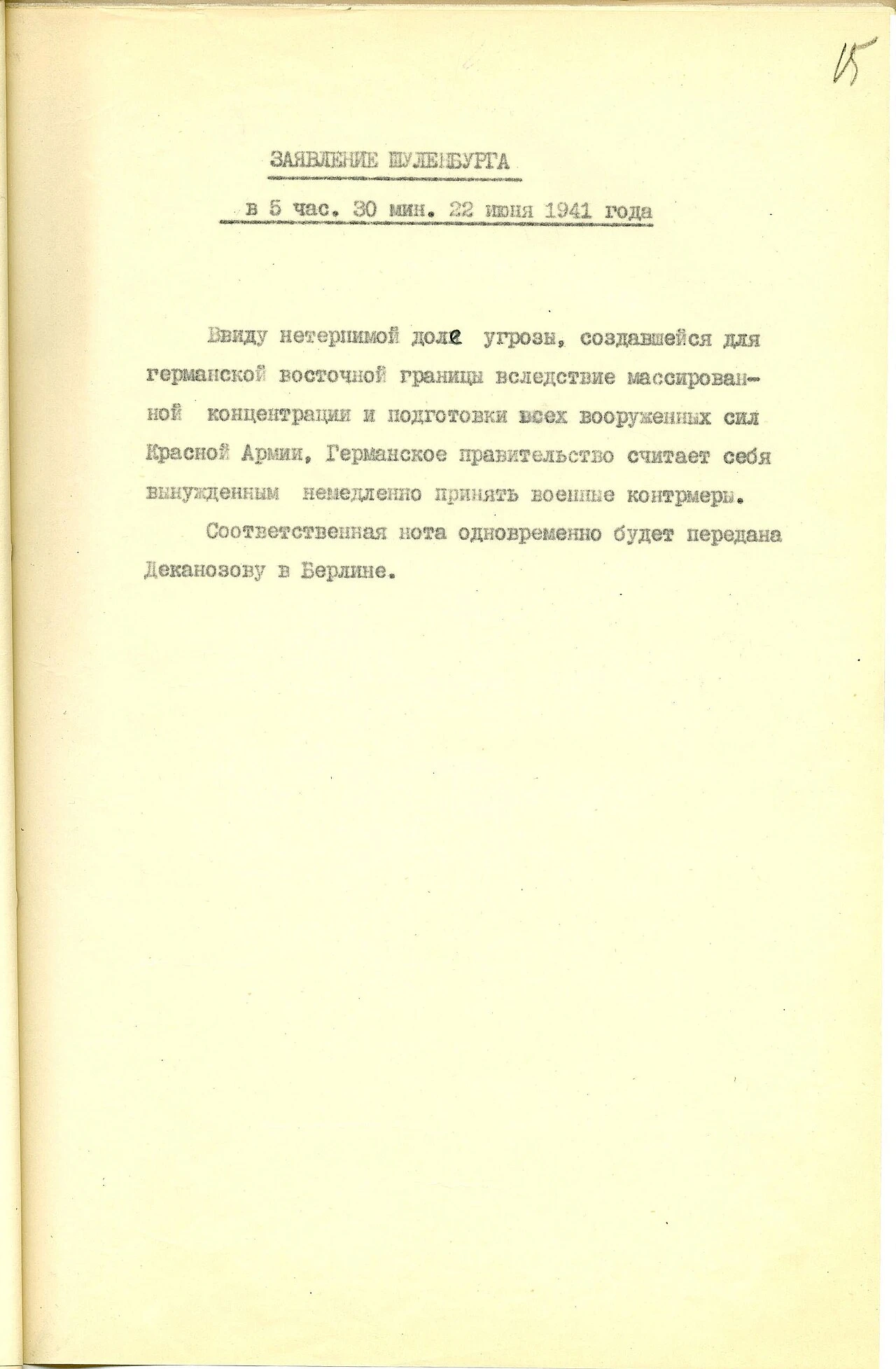
Hitler — the Eve of Barbarossa
The Indische Legion — Subhas Chandra Bose in Berlin
Bulgaria: lock of the Balkans, a price to pay
The Obersalzberg Speech
Hitler After Molotov — Berlin, November 1940
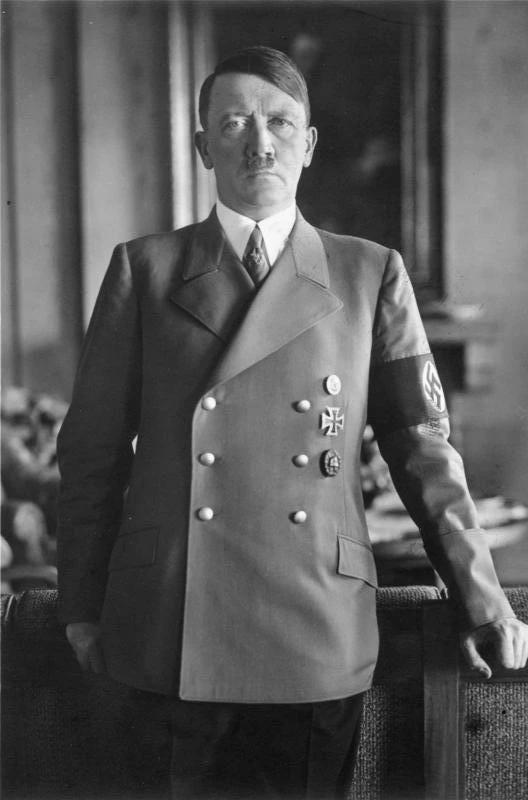
Hitler Before His Generals
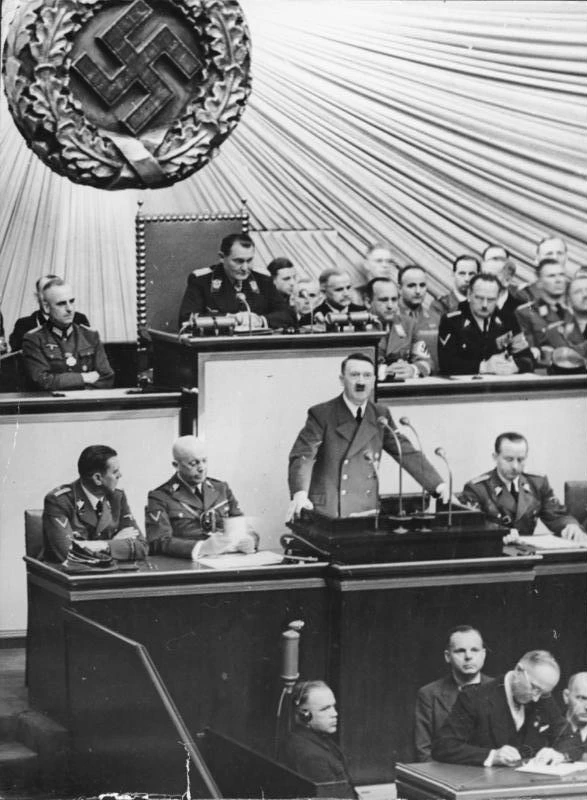
Hitler — the Reichstag Speech
Japan and the Southern Resource Zone
Japan Disoriented
Tokyo — Japan and the Tripartite Pact
Hitler — the Eve of Barbarossa
The Indische Legion — Subhas Chandra Bose in Berlin
Bulgaria: lock of the Balkans, a price to pay
The Obersalzberg Speech
Hitler After Molotov — Berlin, November 1940
Hitler Before His Generals