
Odessa, October 1941: The Sea or Death
Since late August 1941, the port of Odessa has been besieged by the 4th Romanian Army, Germany's ally, which has launched the southern offensive against the Soviet rear. The Odessa Defensive Region, made up of the 51st Division, sailors of the Black Sea Fleet, and workers' militias, has held for two months, inflicting losses on the besiegers but also wearing itself down under pressure that does not let up.
Farther north, the Wehrmacht has broken through in Ukraine and is advancing toward Crimea, the lock of the Black Sea and base of the Sevastopol fleet. Odessa finds itself isolated hundreds of kilometers behind enemy lines. Across the entire southern front, manpower reserves are lacking, battle-hardened units are scarce, and every sector demands reinforcements that the USSR struggles to supply simultaneously.
The Black Sea remains contested, the land routes stay cut off by the enemy, and the balance of forces around the city shifts from day to day. The command of the Odessa Defensive Region, placed under the authority of the Stavka, must decide within a few days, under fire and in secret, between contradictory military, logistical, and political constraints. The decision commits the fate of an entire garrison and will weigh on the whole Soviet posture in the south.
What should the Soviet command at Odessa decide in the face of a siege that is no longer tenable and a threatened Crimea?
The command chose to evacuate the garrison by sea to reinforce Crimea. On orders from the Stavka, from 1 to 16 October 1941, the Black Sea Fleet organized one of the most successful maritime evacuations of the war: between 80,000 and 86,000 soldiers, along with civilians, equipment, and artillery pieces, were transported to Crimea, primarily to Sevastopol. The operation was carried out in remarkable secrecy: the Romanians, who continued their assaults, only realized the departure too late, and the Soviet troops disengaged from the front by night, in phases, without letting the enemy exploit the gap. Odessa, which no longer held decisive operational value once Crimea was threatened, fell on 16 October 1941. The evacuated forces immediately reinforced the defense of Crimea and Sevastopol, which would hold out until July 1942. The defense of Odessa, which had tied down the Romanian army for 73 days, became one of the first "Hero Cities" of the Soviet Union.
Learn more about this event
Related polls
10
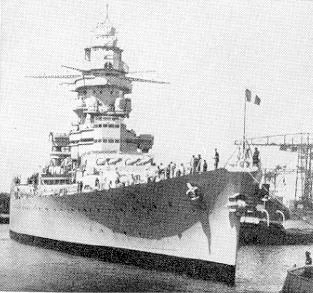
The Admiralty and the Strasbourg Rumour
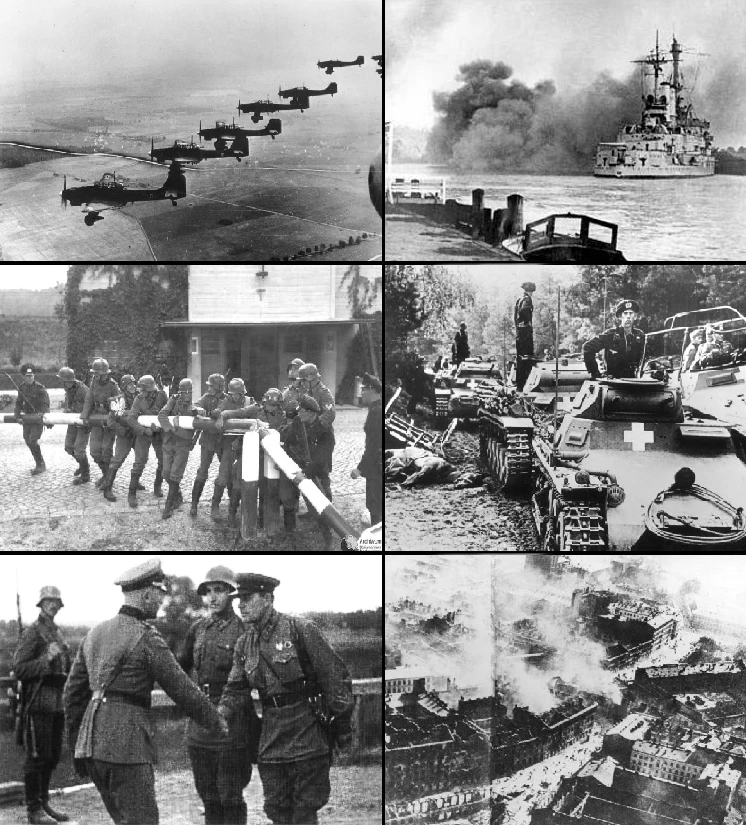
The Polish Army and the Deployment
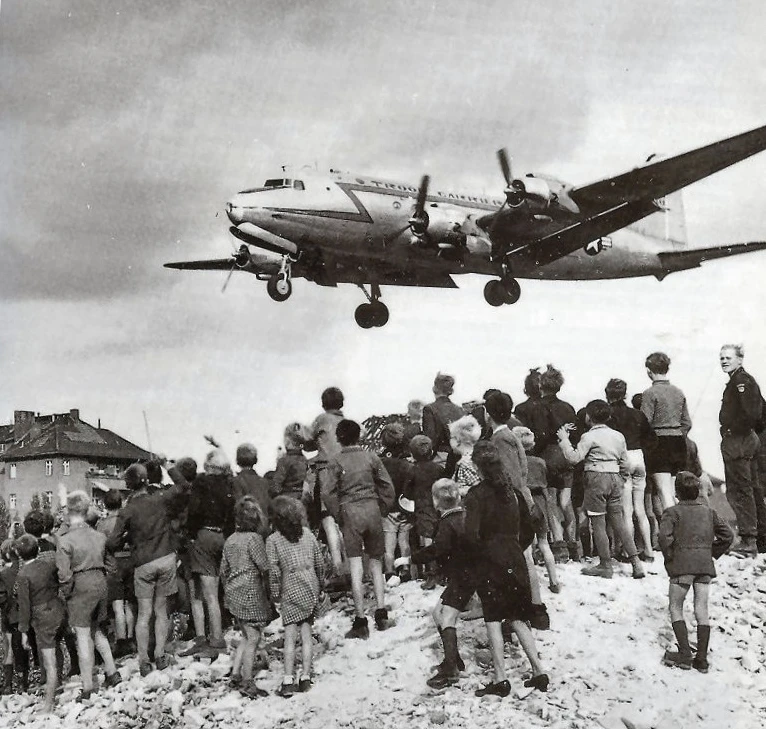
The blockade of Germany
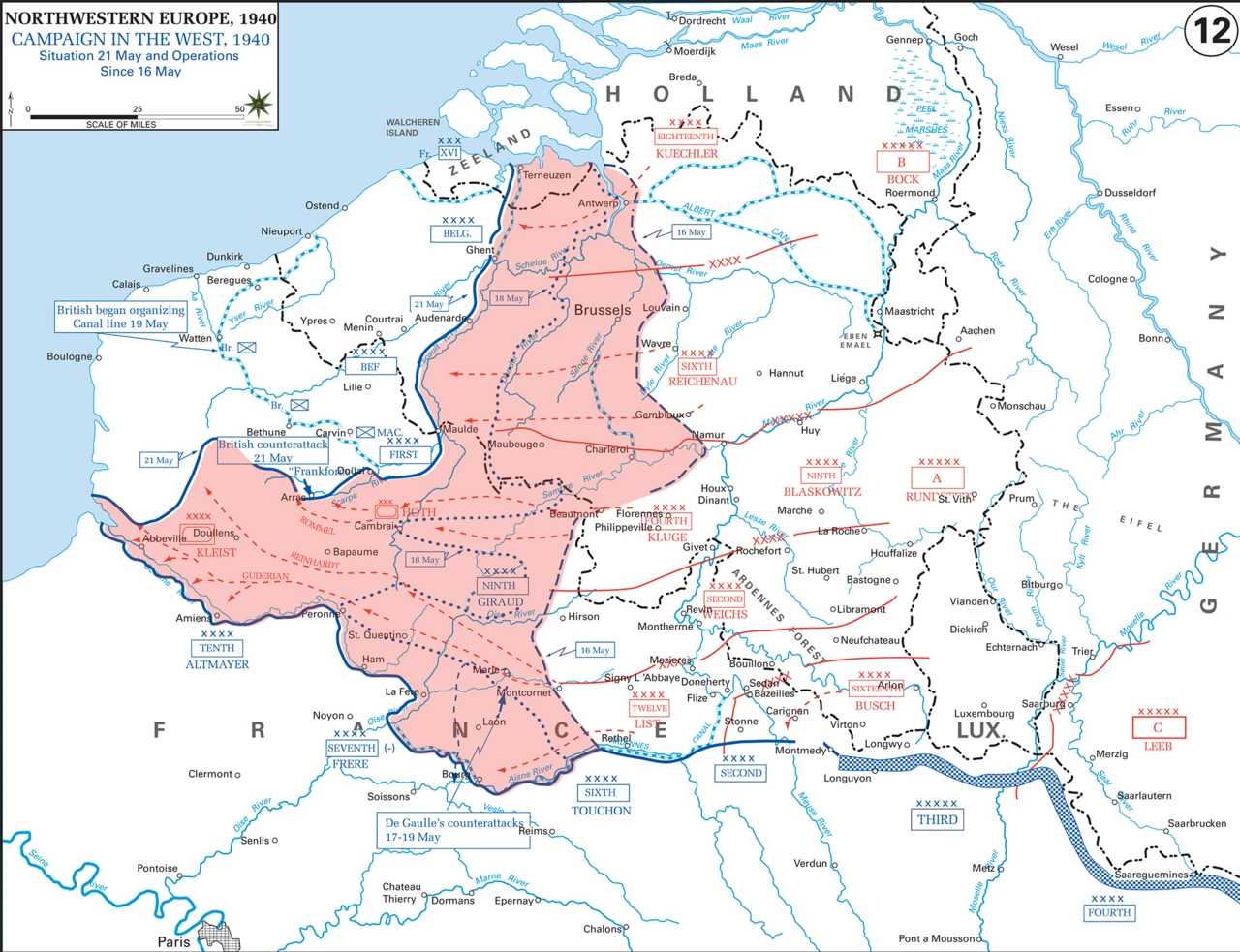
Boulogne — Fox-Pitt and the Guards facing the port

"Cromwell" — England, 7 September 1940
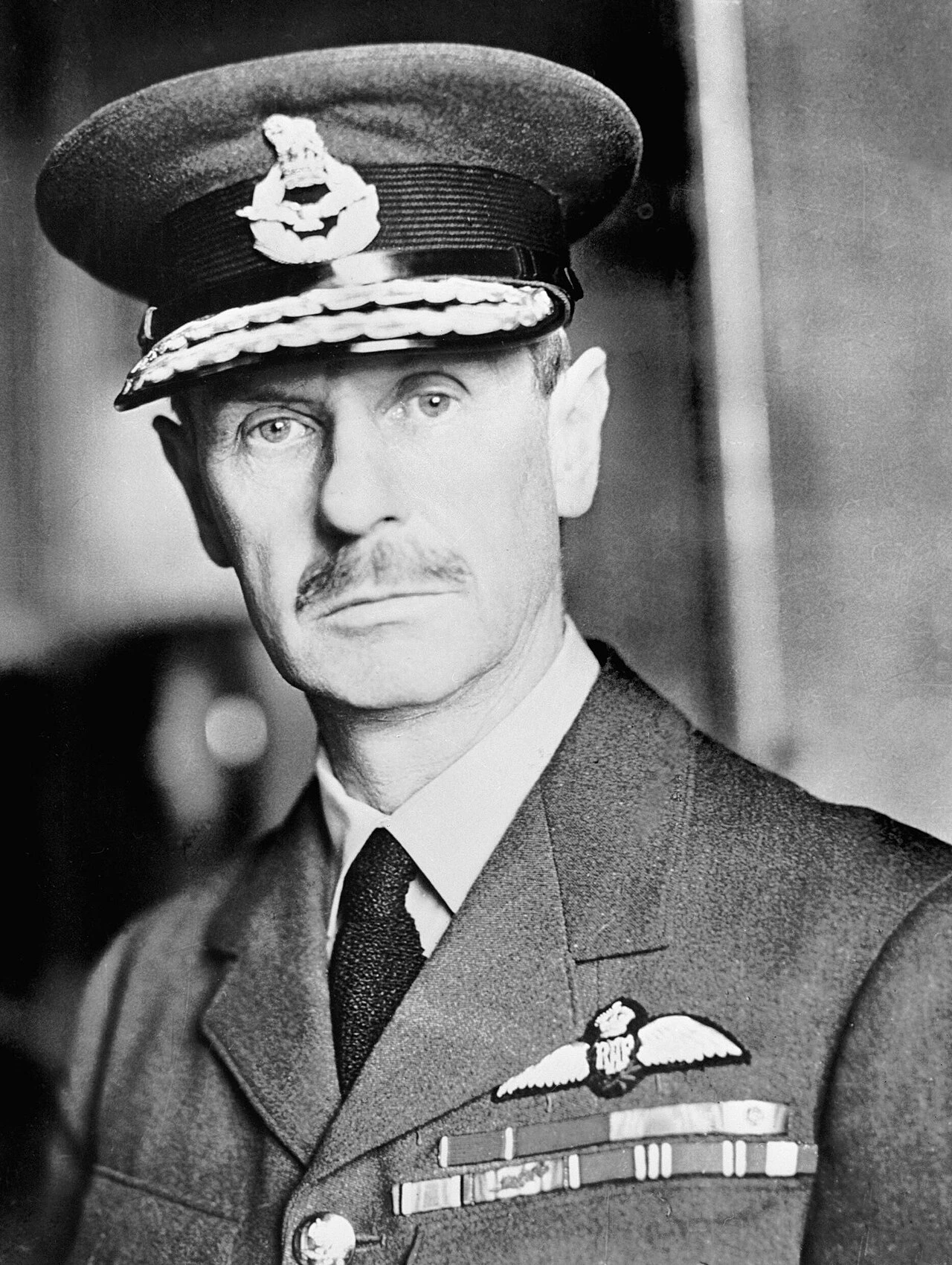
Dowding — Keep the Fighters?
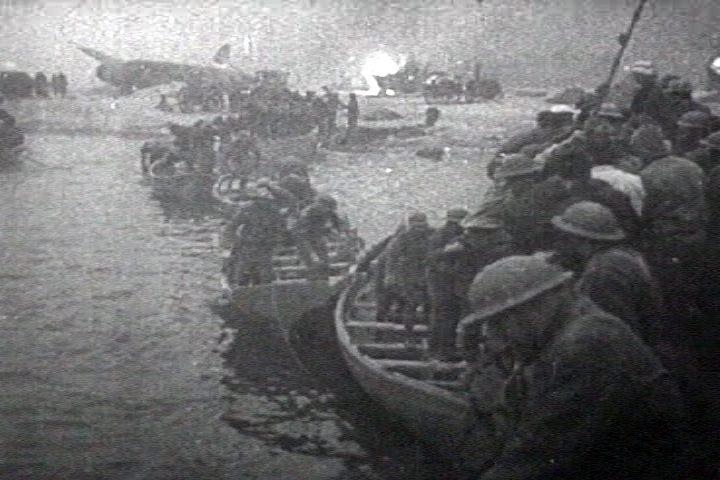
Dunkirk — Tennant and the devastated port
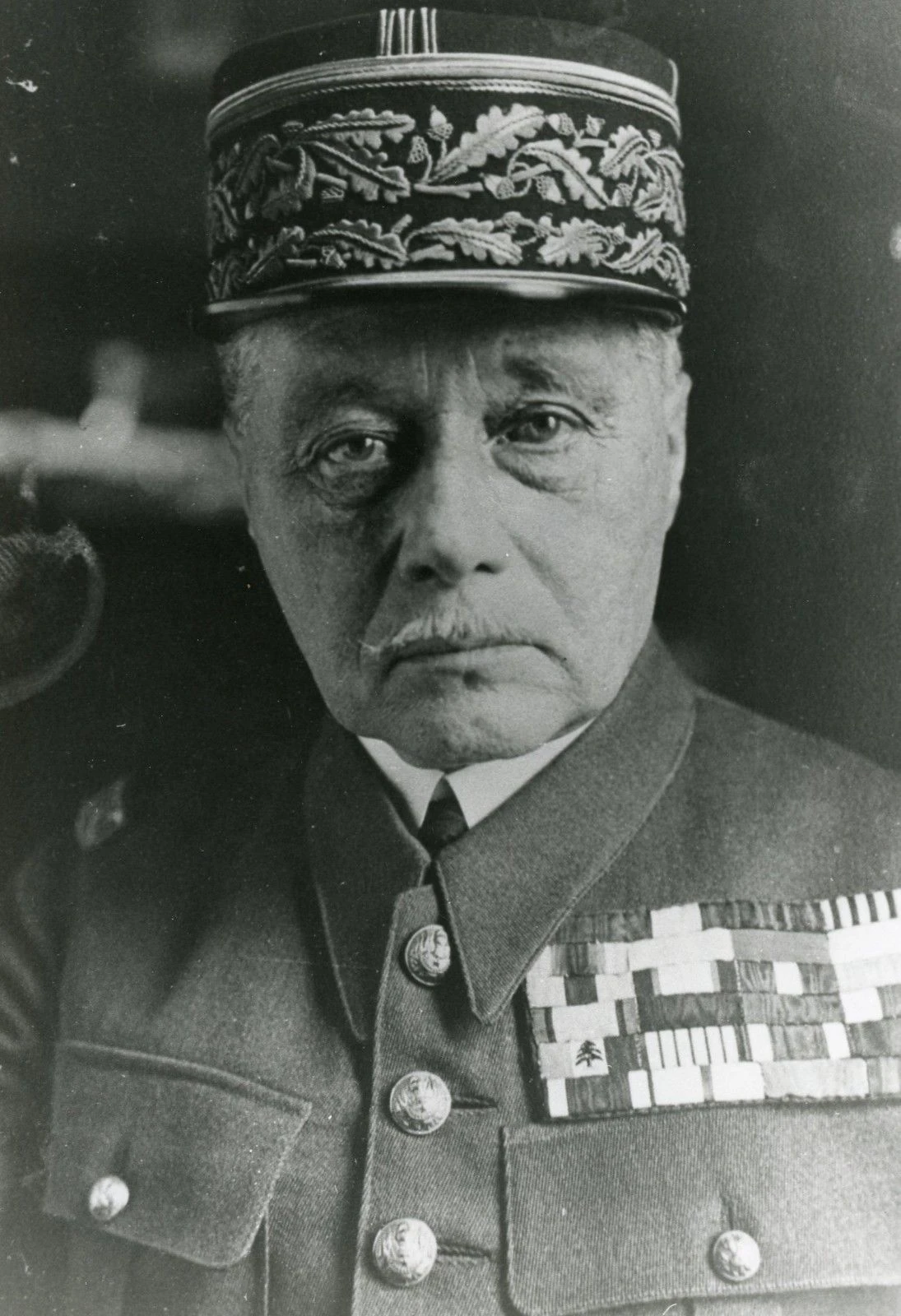
Gamelin and the defensive posture
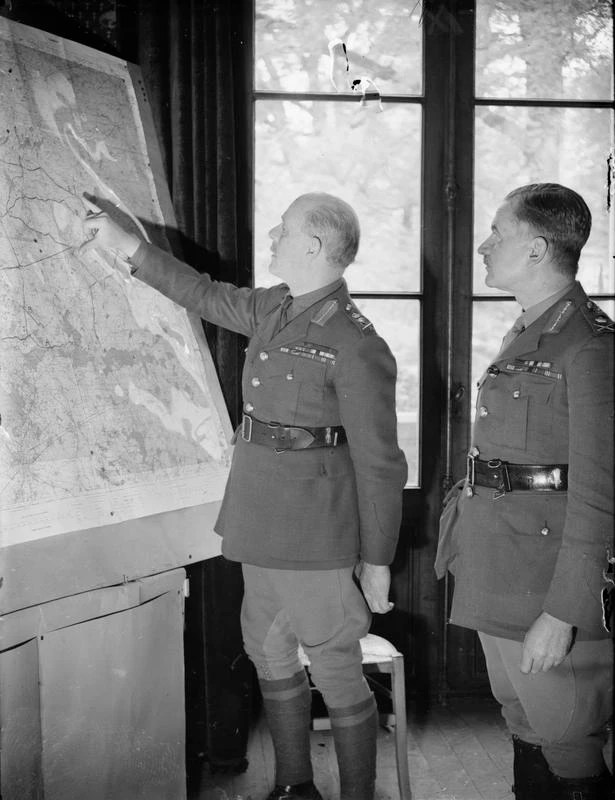
Gort at Habarcq — trust in the French plan
Gudbrandsdal — Ruge imposes his line
The Admiralty and the Strasbourg Rumour
The Polish Army and the Deployment
The blockade of Germany
Boulogne — Fox-Pitt and the Guards facing the port
"Cromwell" — England, 7 September 1940
Dowding — Keep the Fighters?
Dunkirk — Tennant and the devastated port
Gamelin and the defensive posture
Gort at Habarcq — trust in the French plan