
Sumner Welles — Preparing the European Mission
, forty-seven, has been Under-Secretary of State in the Roosevelt administration since 1937 — right hand of Secretary of State but enjoying direct access to the White House through his long personal friendship with Roosevelt (they had known each other at Groton School in the 1900s). A career diplomat, specialist in Latin America and Europe, polyglot, married to a New York heiress.
After the fall of Poland, Roosevelt and Welles devise a project: send Welles on an exploratory mission in Europe to meet Mussolini (Rome), Hitler (Berlin), Daladier (Paris), Chamberlain (London), perhaps Stalin (Moscow). The stated aim would be "to sound out the chances of a negotiated peace." But the exact nature of the mandate — mere gathering of information, the buying of time, or a genuine attempt at mediation — remains to be settled, and will shape the whole diplomatic apparatus and the manner of communicating it.
Hull is sceptical: he fears that a Welles mission would publicly legitimise the Nazi and Fascist regimes in mid-war. is hostile: for her, to negotiate with Hitler would be to abandon Poland. But Roosevelt wishes, with the presidential election of November 1940 in view, to demonstrate to Americans that he has "tried everything" for peace before accepting war. The mission is planned for early 1940. Its format remains to be fixed: transparency before the press, discretion reserved for the president, or an intermediate frame. What mandate and what visibility should the journey be given?
How to configure the Welles mission?
Roosevelt and Welles configure an open mission but with an explicit mandate — no negotiation, only listening to the leaders — publicly announced on 9 February 1940. Welles leaves on 17 February 1940 by liner for Naples. He meets Mussolini and Ciano (26 February), Ribbentrop (1 March), Hitler (2 March, at the Sportpalast), Goering (3 March), (4 March). Then Paris (Daladier on 7 March, Reynaud on the 8th), London (Chamberlain on 11 March, Halifax, Churchill as First Lord of the Admiralty on 13 March). No visit to Moscow (refused by Stalin). Return to Washington on 29 March 1940. Report to Roosevelt: Hitler envisages no peace short of total victory; Mussolini hesitates but will lean to the Axis; the Allies are militarily weak and politically divided. The mission, judged in retrospect by some historians () as useless, nevertheless furnished Roosevelt with direct assessments that would guide American policy. Six weeks after Welles's return the German offensive in the West begins (10 May 1940). Did the mission win precious time, or consume a last hope of peace? The debate remains open.
Learn more about this event
Related polls
10
Charles Lindbergh — at the NBC Microphone
Roosevelt — revising the Neutrality Act
Should Stalin Be Armed?
Hans Frank — the taking of the Wawel
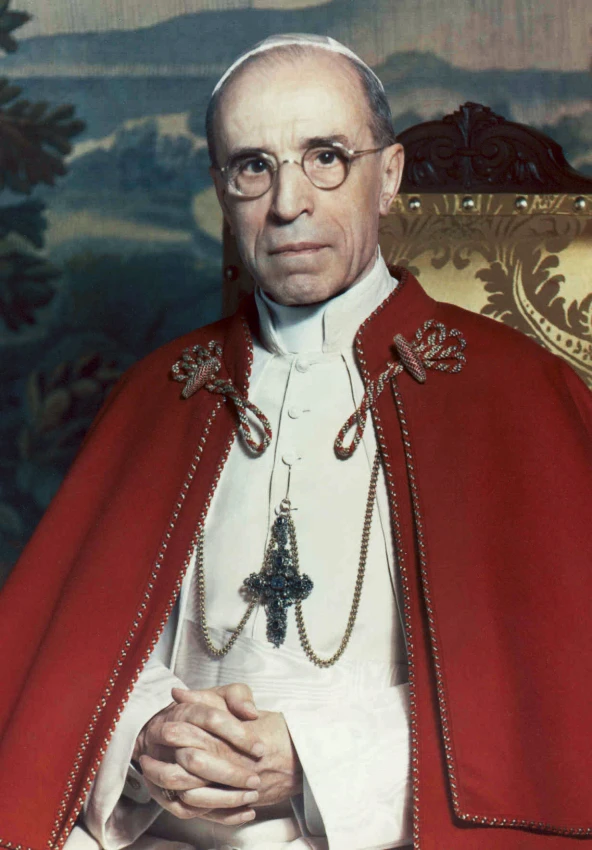
Pius XII — Summi Pontificatus
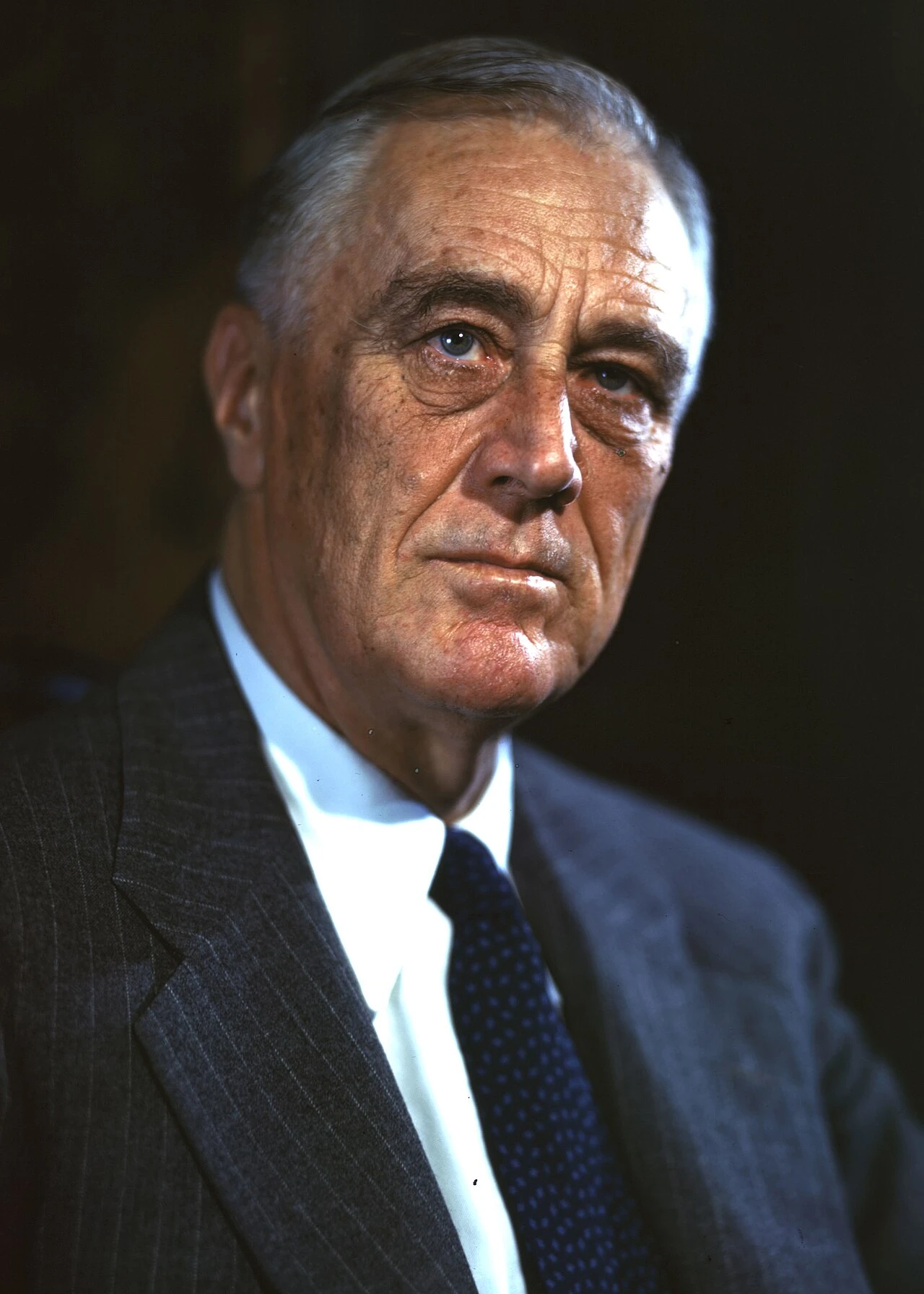
Roosevelt at Charlottesville — 10 June
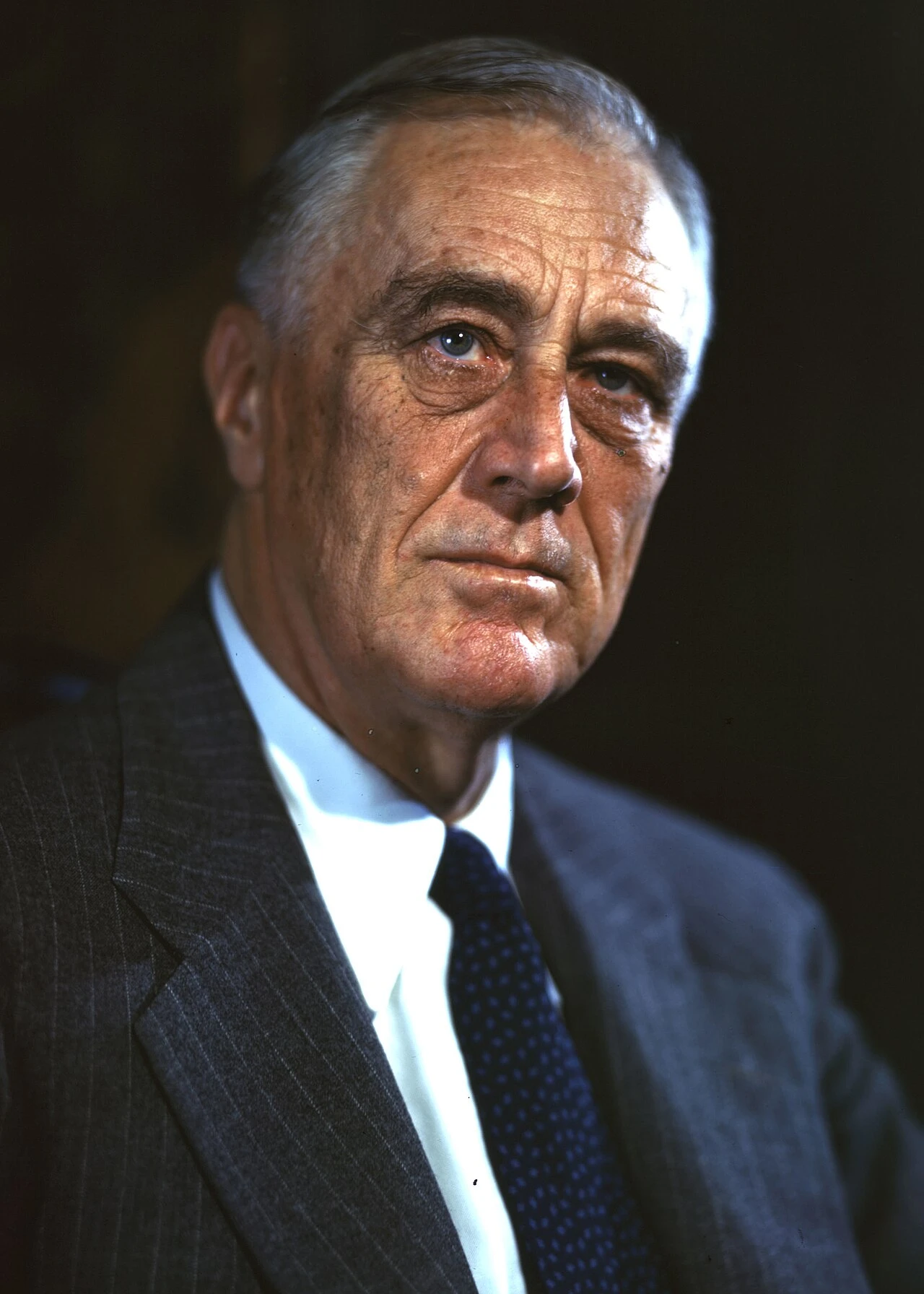
Roosevelt on the stump — "your boys"
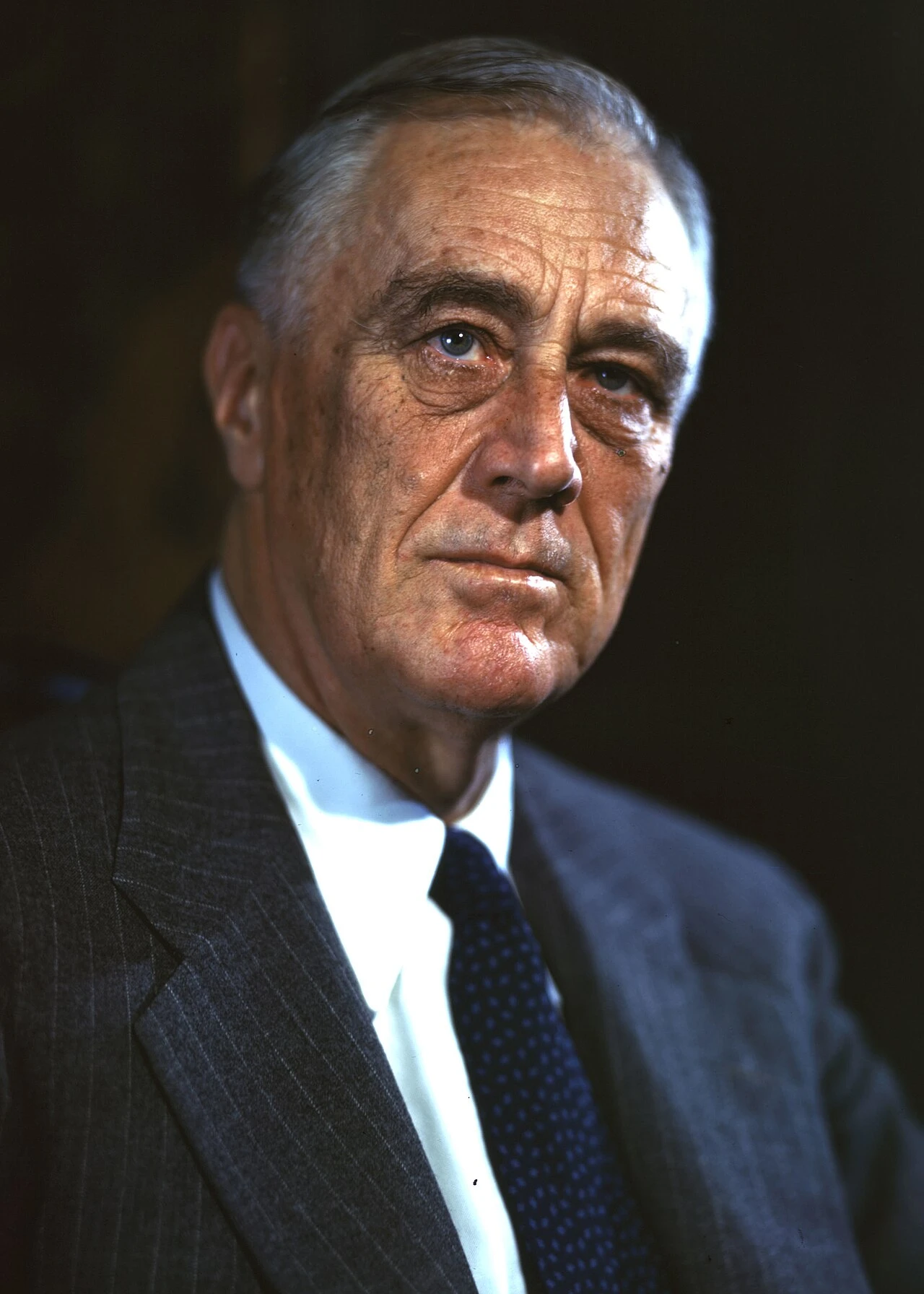
Roosevelt and de Gaulle — 28 June
Anders in the Lubyanka
Beck in Bucharest — the Internee
Charles Lindbergh — at the NBC Microphone
Roosevelt — revising the Neutrality Act
Should Stalin Be Armed?
Hans Frank — the taking of the Wawel
Pius XII — Summi Pontificatus
Roosevelt at Charlottesville — 10 June
Roosevelt on the stump — "your boys"
Roosevelt and de Gaulle — 28 June
Anders in the Lubyanka