
Mechelen — Reinberger, 10 January 11:30
On the morning of 10 January 1940 Major , 36, staff officer of the (Fallschirmjäger, paratroopers), is about to fly in a Messerschmitt Bf 108 Taifun from Münster to Cologne, where he is to present to the commanders of (Bock) the detailed plans for Fall Gelb in the OKH version of 19 October 1939 — the "Schlieffen 2.0" variant calling for an attack through the Netherlands and Belgium.
Pilot of the Bf 108: Major , 47, a veteran of the First World War. Reinberger carries with him his folders of military papers (maps, operational plans, detailed orders) in defiance of a strict ban — to save time at Cologne and to prepare the next morning's conference. The weather is bad: thick fog over the Ruhr.
Hoenmanns loses his bearings. At 11:30 his altitude drops dangerously. He decides to make an emergency landing — but does not know he is 20 km inside Belgian territory, near Mechelen-aan-de-Maas (Belgian Limburg). The aircraft hits the ground hard, without major damage. The two officers climb out — and realise they are in Belgium. Reinberger grasps the potential disaster at once: he is carrying the complete plans for Fall Gelb.
He has at most a few minutes before the Belgian authorities arrive. What to do with the documents?
What should Reinberger do in the thirty minutes after the landing?
Reinberger applies A — but too late and incompletely. He pulls out a lighter and tries to set fire to the bundles of paper. But the damp fog and the icy wind keep the flames from catching. At that moment, Belgian gendarmes alerted by the forced landing arrive. Reinberger throws the partially burnt documents into a ditch and tries to stamp on them. The gendarmes pick them up — roughly 60 percent of the content remains legible. Reinberger is taken to the Maasmechelen barracks, where he tries a second time to burn the documents by asking to use the wood stove — he is interrupted by Adjutant Rodrique. The documents are immediately forwarded to Brussels. General (the Belgian chief of staff) recognises the value of the material. is informed; he alerts Paris and London. The Mechelen incident triggers a strategic earthquake: the German command assumes the Fall Gelb plans are compromised. Hitler orders yet another postponement of the offensive. On 17 February 1940 Manstein gets his audience with Hitler and presents the Sichelschnitt, adopted precisely because the earlier plans seem to be blown. The Mechelen affair is thus indirectly the origin of the Sichelschnitt that will lead to the German victory of May 1940. Reinberger and Hoenmanns are interned in Belgium and exchanged back to Germany in May 1940. Reinberger returned to service, was wounded in Russia in 1942, and survived the war.
Learn more about this event
Related polls
10
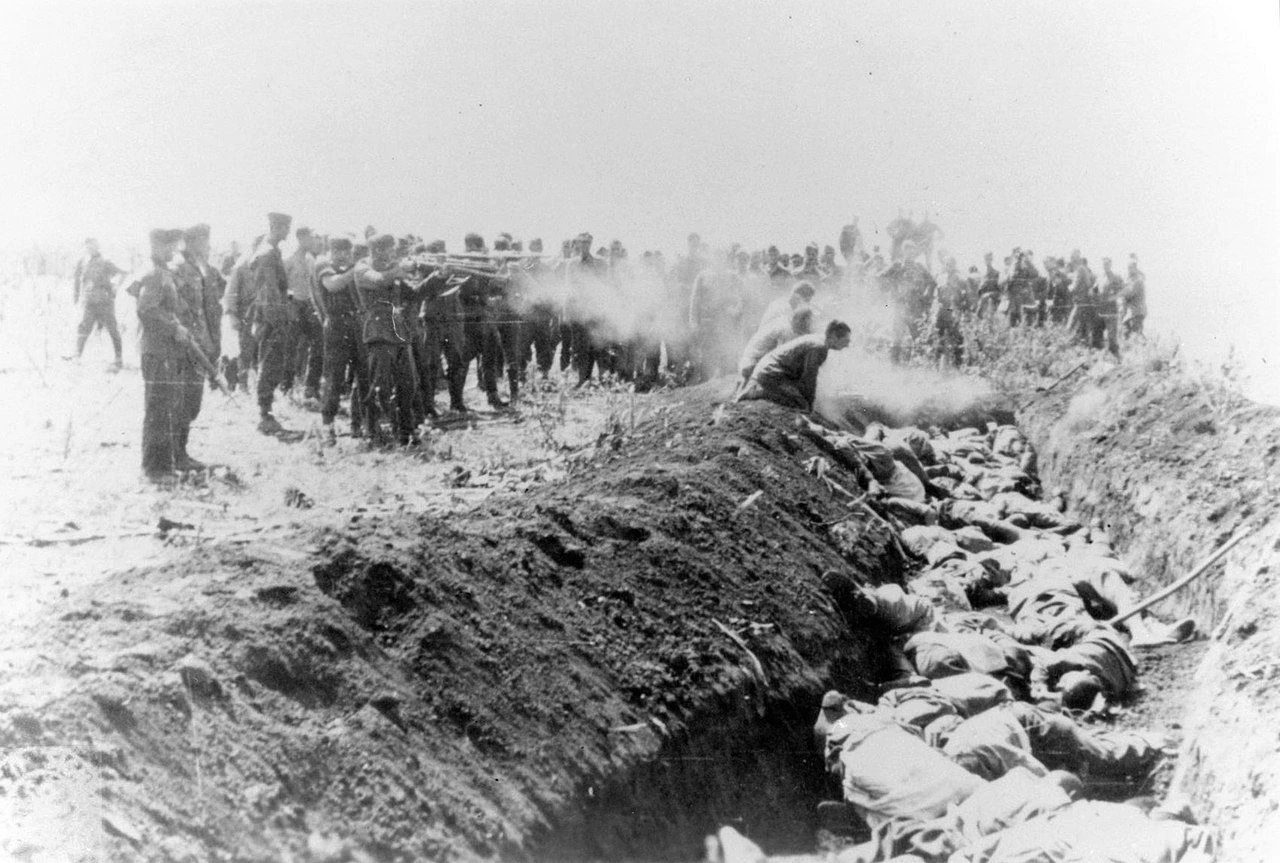
Heydrich — the Conference of 21 September
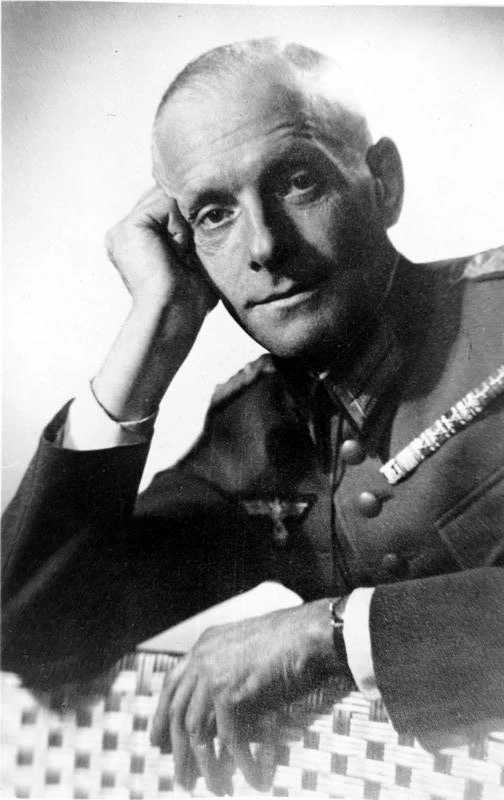
Oster picks up the telephone
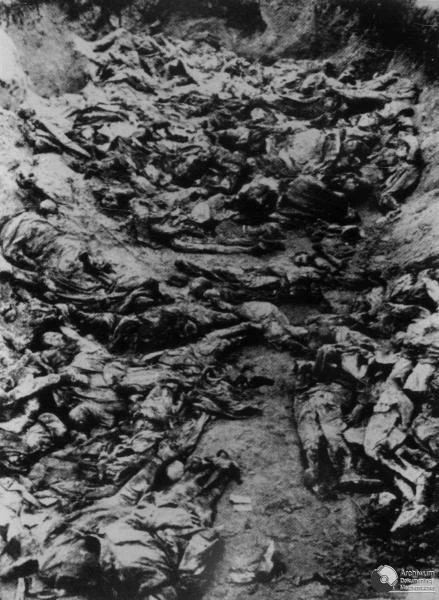
Beria — the NKVD ordinance of 19 September
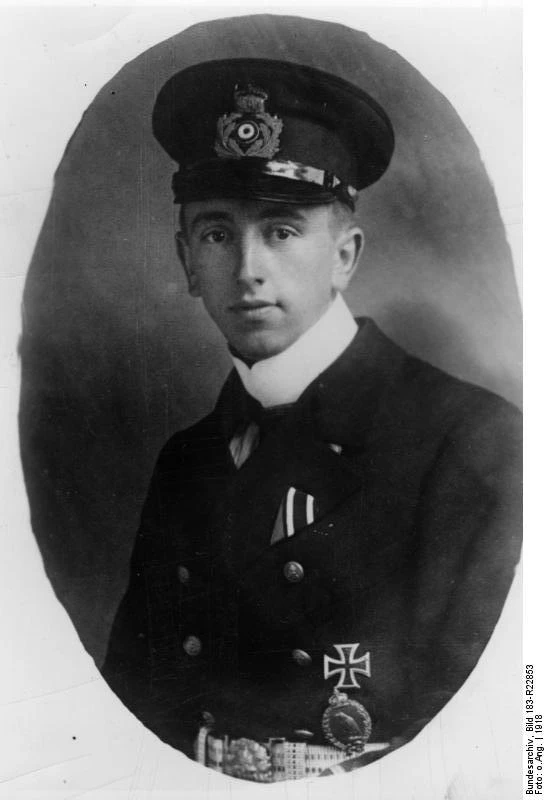
Osterkamp dares to contradict Göring
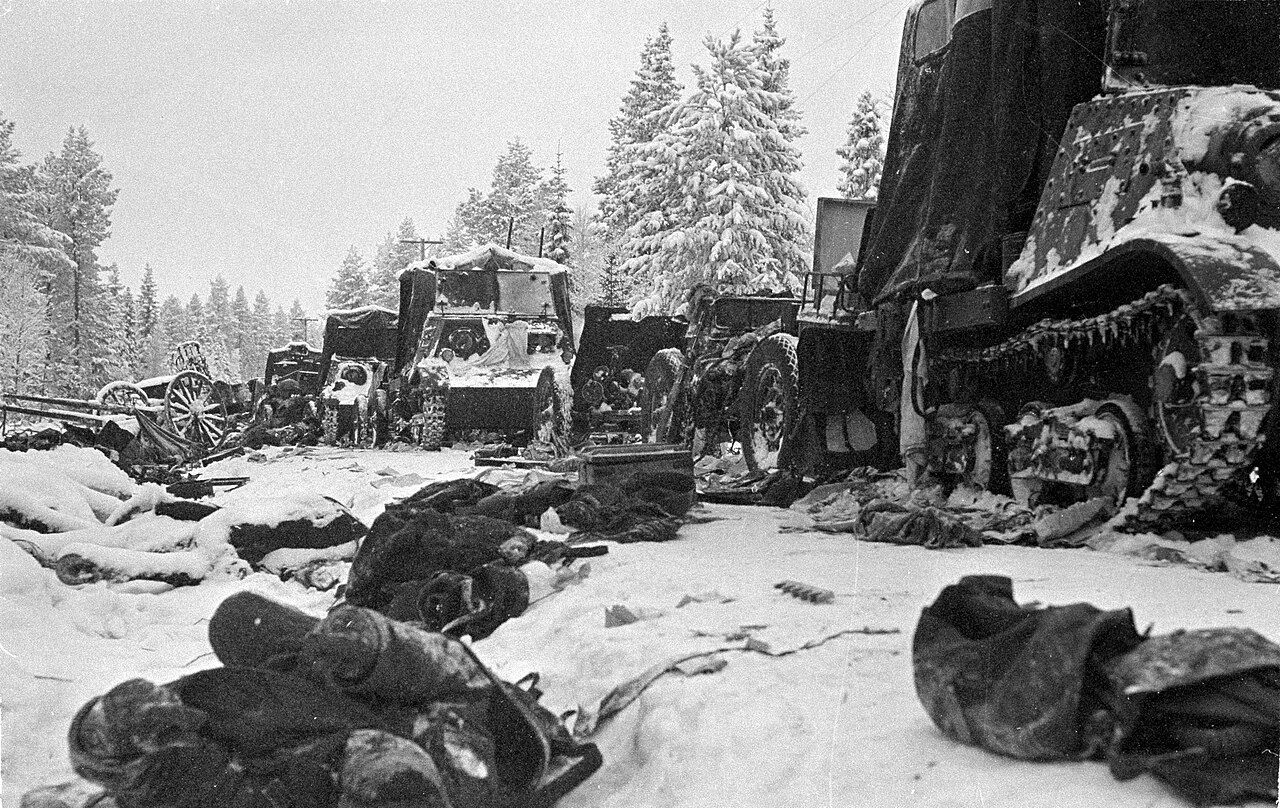
Raate — Vinogradov on the frozen road
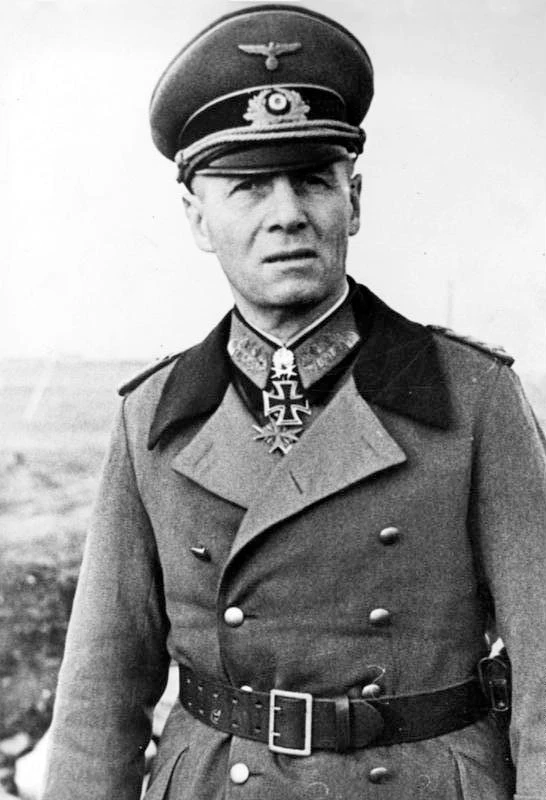
Rommel before the Meuse — Dinant, 13 May
Smushkevich — report to Stalin
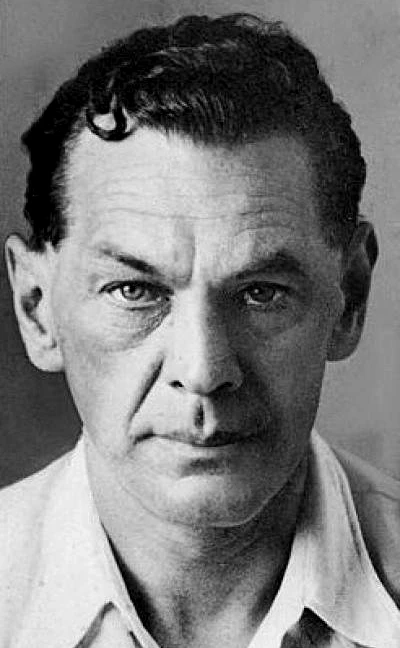
Sorge — where to point the network?
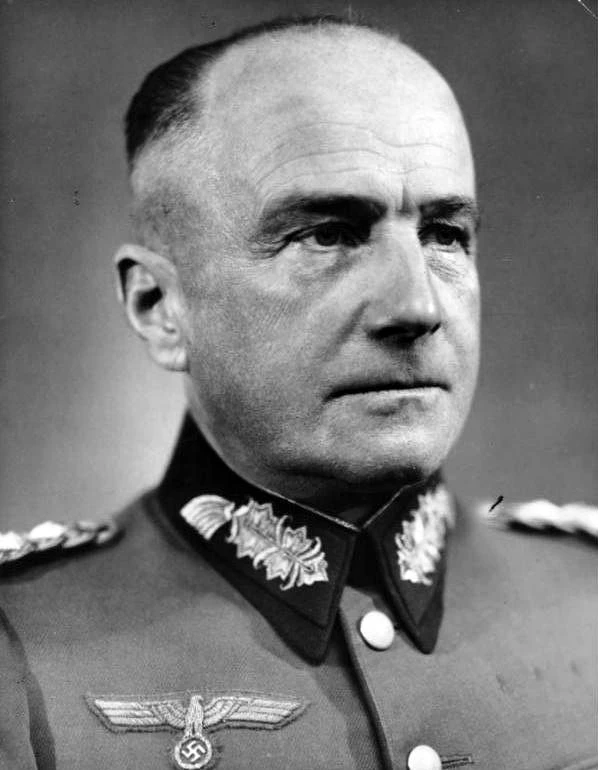
Brauchitsch — Reich Chancellery, 5 November
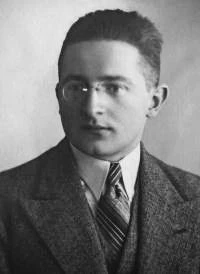
Enigma — the Pyry conference
Heydrich — the Conference of 21 September
Oster picks up the telephone
Beria — the NKVD ordinance of 19 September
Osterkamp dares to contradict Göring
Raate — Vinogradov on the frozen road
Rommel before the Meuse — Dinant, 13 May
Smushkevich — report to Stalin
Sorge — where to point the network?
Brauchitsch — Reich Chancellery, 5 November