
An all-wood combat aircraft
In the autumn of 1939, official doctrine called for metal combat aircraft, heavily armed. De Havilland proposed the opposite: a fast twin-engine machine built of laminated wood, betting everything on speed and lightness rather than defensive armament.
Wood was plentiful and could be shaped by joiners and furniture workshops, outside the saturated metalworking supply chains. But the Air Ministry doubted that an aircraft without turrets or defensive machine guns could survive, and that a wooden aircraft deserved front-line status.
Should this against-the-grain concept be forced through, should more favourable conditions be awaited, or should it be presented under a more modest label so as not to clash with doctrine?
Which technical gamble must de Havilland defend before the Air Ministry?
De Havilland persisted with its concept of a fast, unarmed wooden twin-engine aircraft, relying on speed to escape the enemy. After much reluctance, the Air Ministry placed an order in late 1939-early 1940, and the prototype of the Mosquito flew in November 1940. Powered by Merlins, the aircraft proved to be among the fastest of its time and was developed into a night fighter, light bomber, intruder and photographic reconnaissance aircraft. Its wooden construction, far from being a handicap, freed up capacity and mobilised a woodworking workforce.
Learn more about this event
Related polls
10
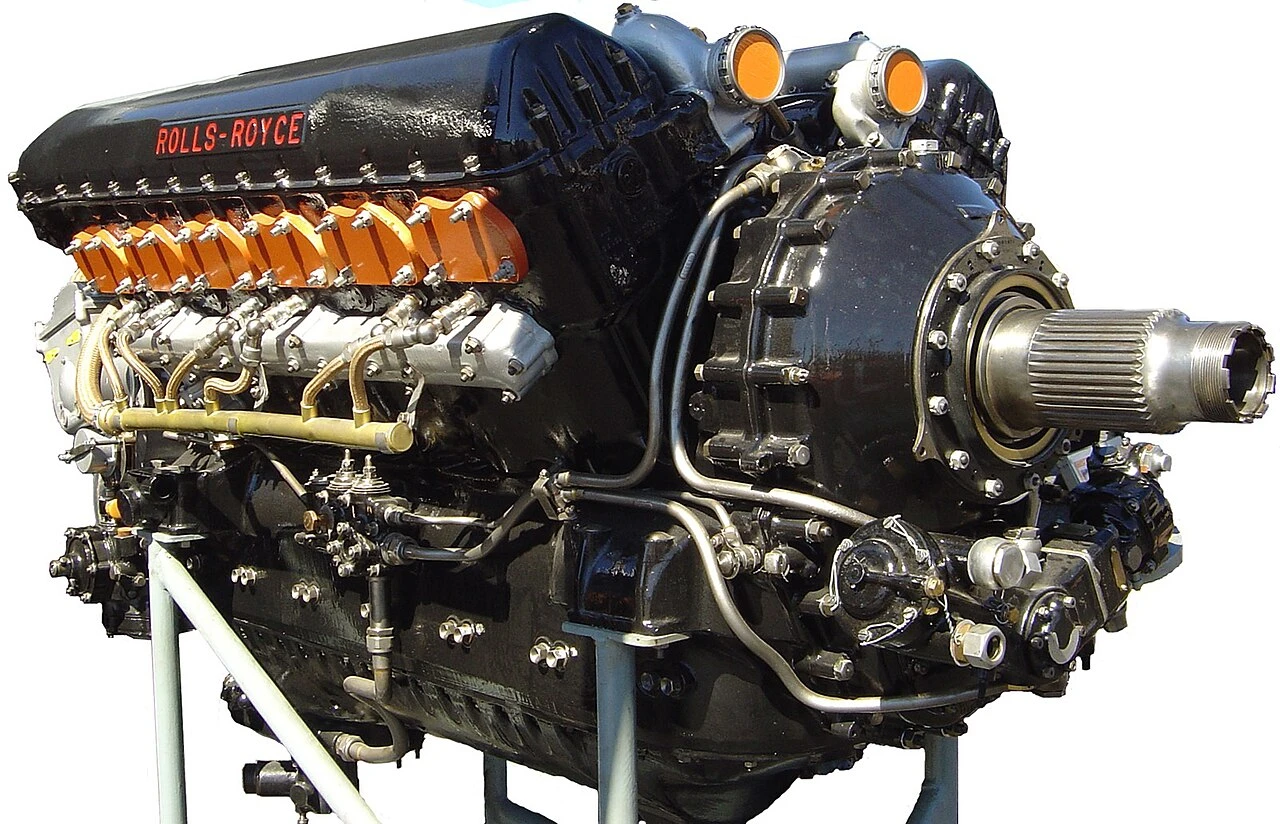
Car assembly lines for an aircraft engine
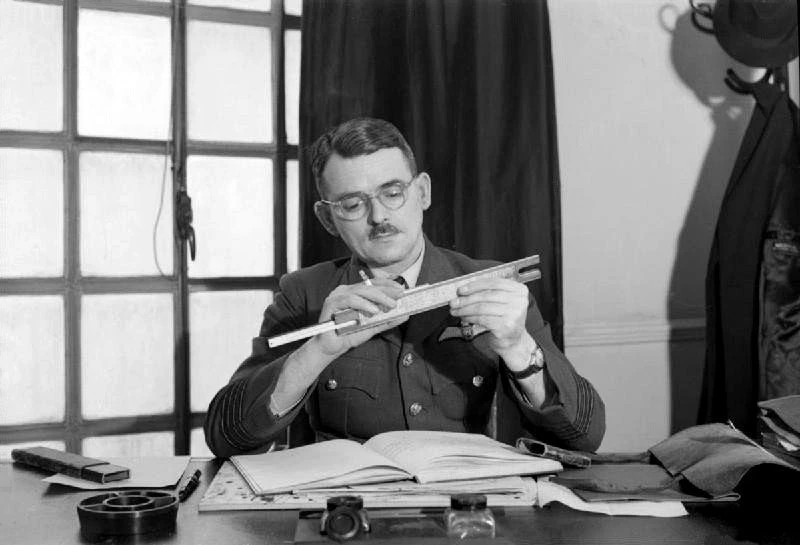
Whittle and the Jet Engine
Chain Home — the Invisible Wall
The wire or the wave: how to command fire

Ouvry and the magnetic mine
The Tczew bridge — Janik and the detonator

Enigma — the Pyry conference
The lattice of steel that defied mass production
Breaking the night Blitz: who owns the darkness?
The Lutterworth Turbine
Car assembly lines for an aircraft engine
Whittle and the Jet Engine
Chain Home — the Invisible Wall
The wire or the wave: how to command fire
Ouvry and the magnetic mine
The Tczew bridge — Janik and the detonator
Enigma — the Pyry conference
The lattice of steel that defied mass production
Breaking the night Blitz: who owns the darkness?