
The United Kingdom has administered Palestine under a League of Nations mandate since 1920, with the contradictory promise of the Balfour Declaration — a 'Jewish national home' — and respect for the rights of the Arab population. The great Arab revolt of 1936-1939 has cost London dearly, mobilising tens of thousands of soldiers to suppress it.
On the eve of a probable European war, the British General Staff judges it vital to secure the goodwill of the Arab world and to secure the Suez Canal and oil. The Colonial Secretary prepares a White Paper revising mandatory policy.
The dilemma is acute. To keep Jewish immigration open, at the moment when refugees from the Reich are knocking at every door, is to honour Balfour but to alienate the Arabs at the hour of danger. To restrict it is to appease the Arab world but to close an escape for the persecuted. MacDonald must arbitrate between moral commitment and strategic calculation. Whatever the outcome, the decision will lastingly mark the relations between London, the Jewish and Arab communities of Palestine, and the entire Arab world.
Should Jewish immigration to Palestine be restricted to secure Arab support on the eve of war?
MacDonald chooses A: the White Paper of 17 May 1939 limits Jewish immigration to 75,000 persons over five years, after which it would depend on Arab agreement, restricts land sales and envisages an independent Palestinian state within ten years. The decision is forcefully denounced by the Zionist organisations, who see in it a betrayal at the worst moment for the Jews of Europe; the Arab Higher Committee also rejects it, judging it insufficient. The text will frame British policy in Palestine until the end of the mandate, in 1948, and will lastingly feed the regional dispute.
Learn more about this event
Related polls
10
The Military Training Act
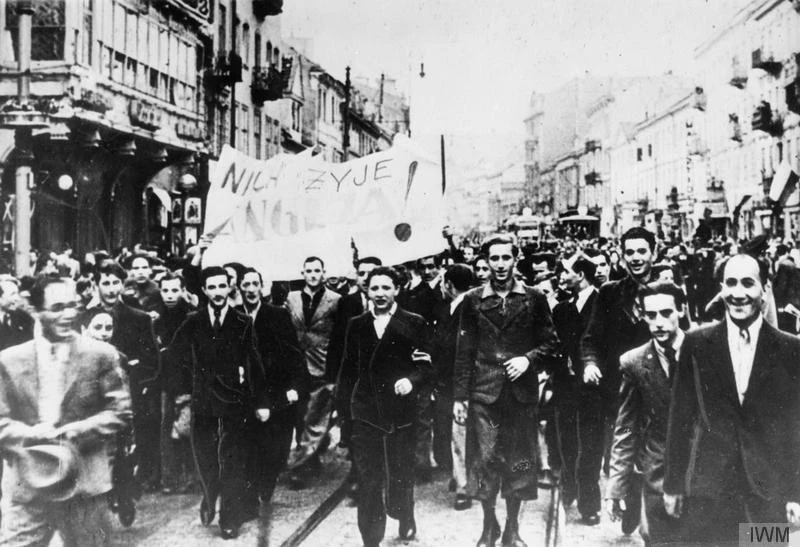
The Guarantee to Poland
The Czech Gold
The Anglo-Polish Alliance
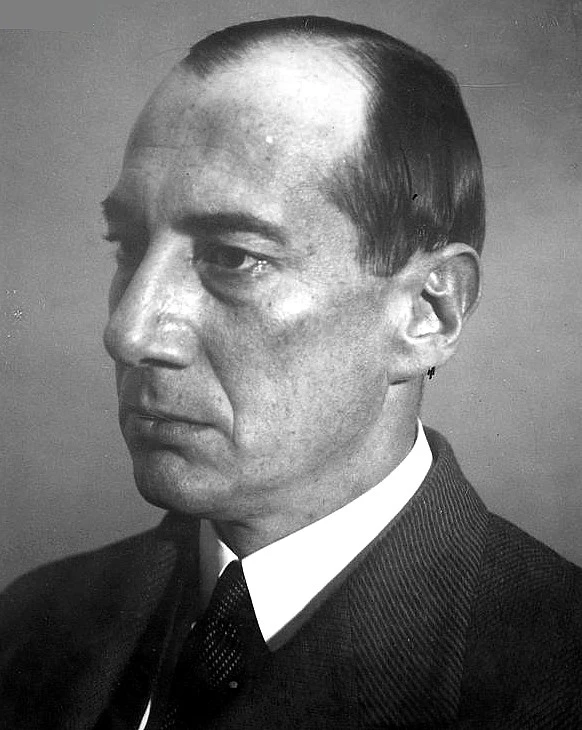
Beck Before the Sejm
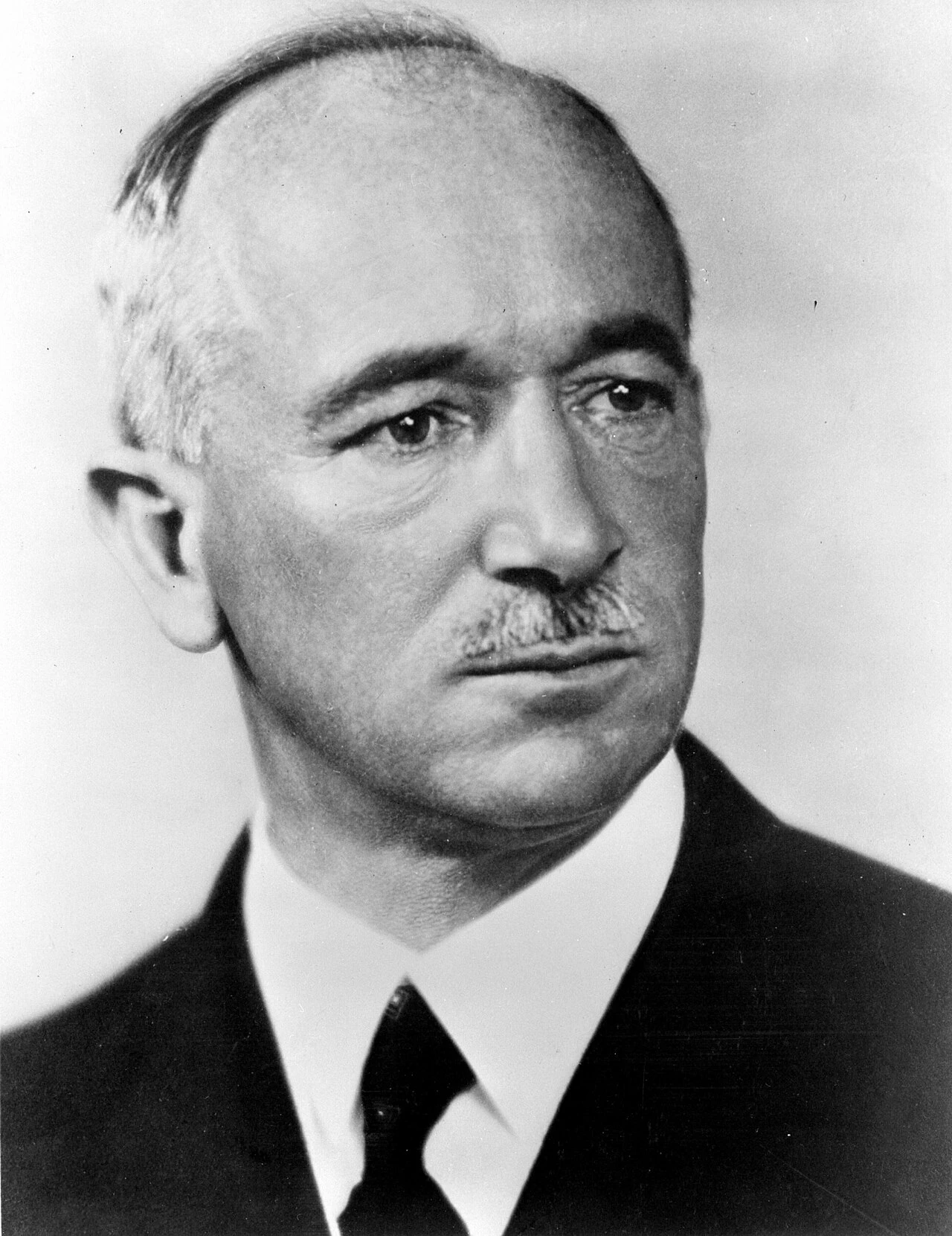
Beneš in London — autumn 1939
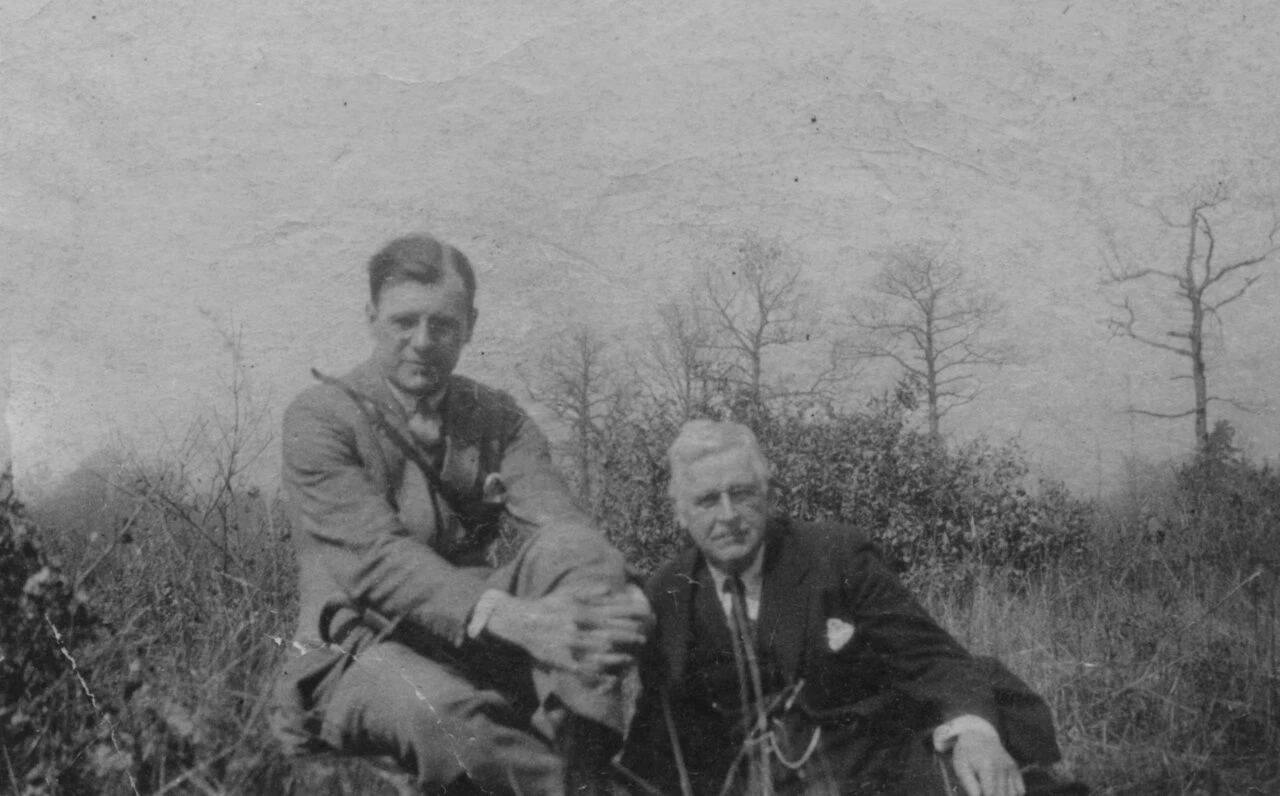
Cambridge, 1939: The Evacuated LSE Student and Conscription
Chamberlain — 11:15 BST
The Last-Chance Mediation
British rationing — Morrison and the principle
The Military Training Act
The Guarantee to Poland
The Czech Gold
The Anglo-Polish Alliance
Beck Before the Sejm
Beneš in London — autumn 1939
Cambridge, 1939: The Evacuated LSE Student and Conscription
Chamberlain — 11:15 BST
The Last-Chance Mediation