
After months of laborious political talks, the United Kingdom and France at last agree to send a military mission to Moscow to attempt to conclude an alliance with the USSR. The delegation, led by the British Admiral and the French General , arrives on 11 August 1939 — not by air, but after a slow voyage by ship, a sign of London's lack of eagerness.
From the first sessions, an insurmountable obstacle arises. To fight Germany, the demands the right to pass its troops through Poland and Romania. But Warsaw, which dreads the USSR as much as Germany, categorically refuses to let the Soviet army onto its soil — fearing it would never leave again.
The mission's heads are up against a wall. Should they press Poland to accept the passage of Soviet troops, overriding its sovereignty to save the alliance? Respect the Polish refusal, at the risk of making the negotiations fail? Or attempt an ambiguous formula that does not decide the matter? The fate of the alliance, and perhaps of the war, hinges on this point.
Should the Allied mission force Poland's hand on the passage of Soviet troops, or respect its refusal?
The mission sticks, in essence, to B: unable to deliver Polish agreement on the passage of troops, and lacking the mandate to sign, Drax and Doumenc see the negotiations bog down. Meanwhile, Moscow had already opened the other door: on 23 August, Ribbentrop signs a non-aggression pact with the USSR in Moscow, rendering the Allied mission moot. The episode illustrates the insoluble dilemma of the tripartite alliance: the USSR could not be obtained without sacrificing Poland, and Poland could not be sacrificed without disavowing the very object of the guarantee. Western slowness and distrust will have done the rest.
Learn more about this event
Related polls
10
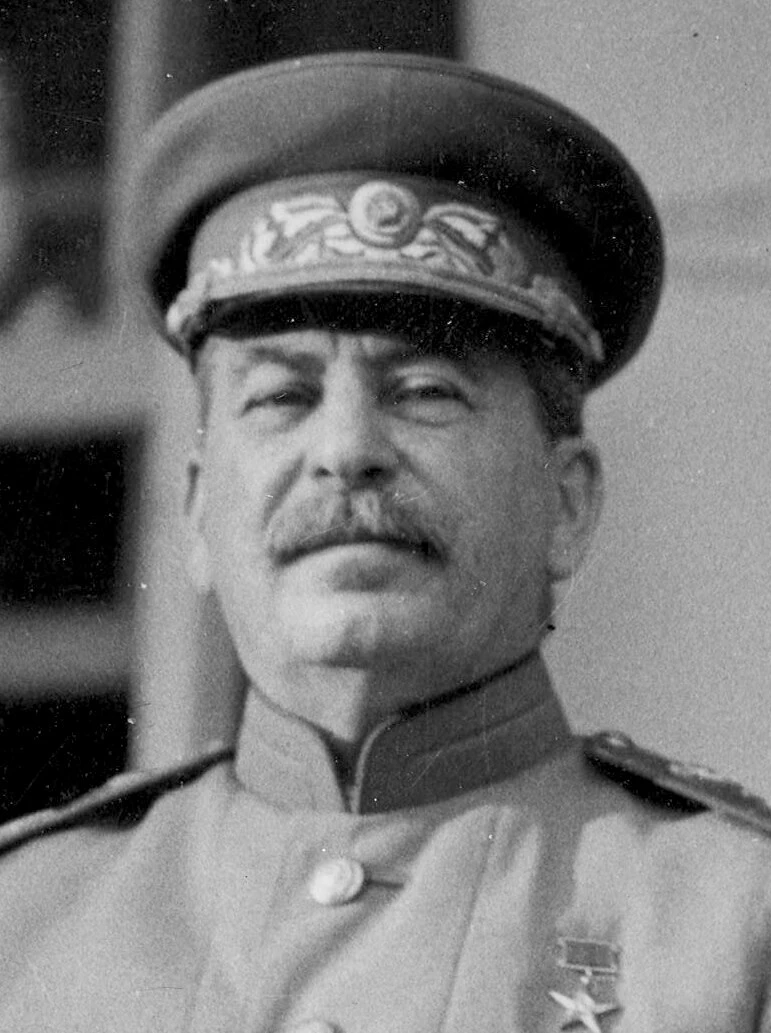
The Nazi-Soviet Pact
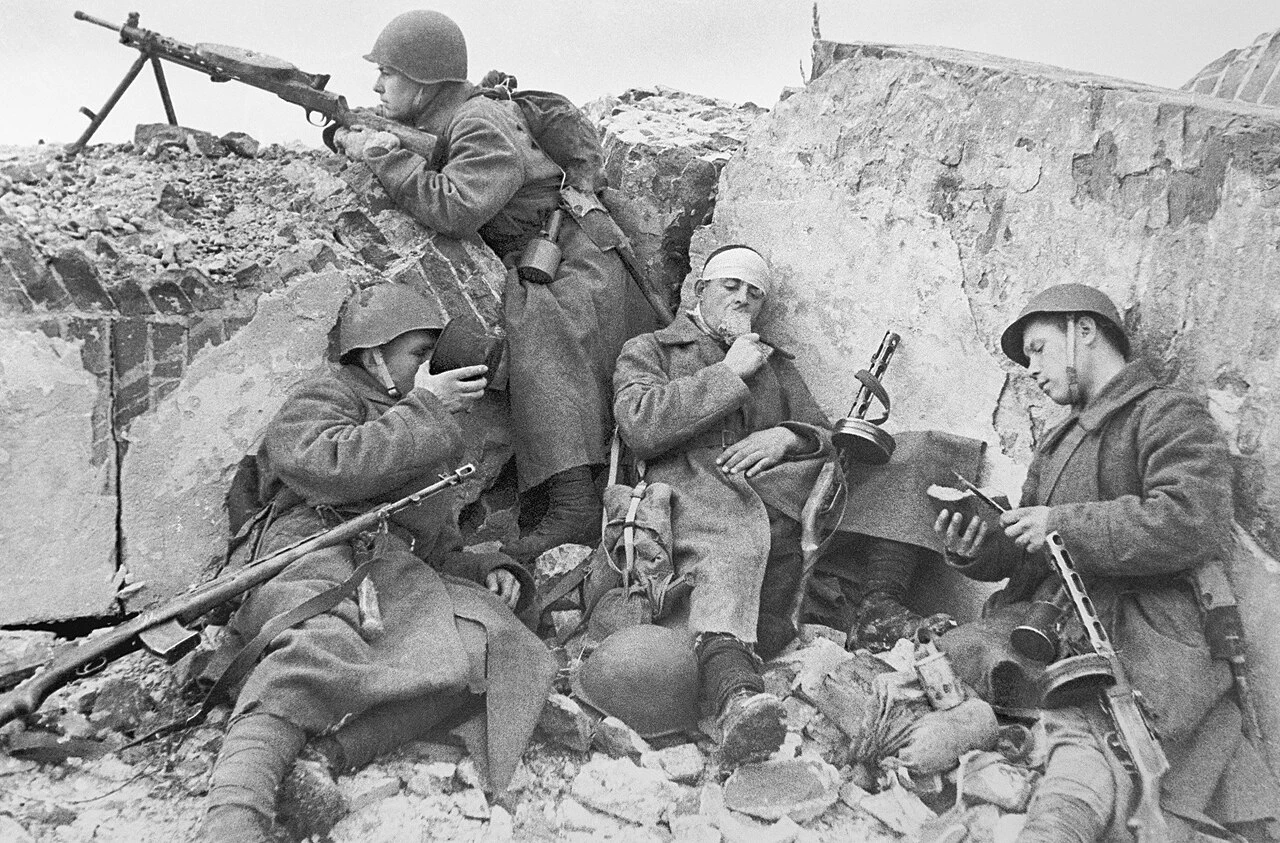
The Moscow Talks
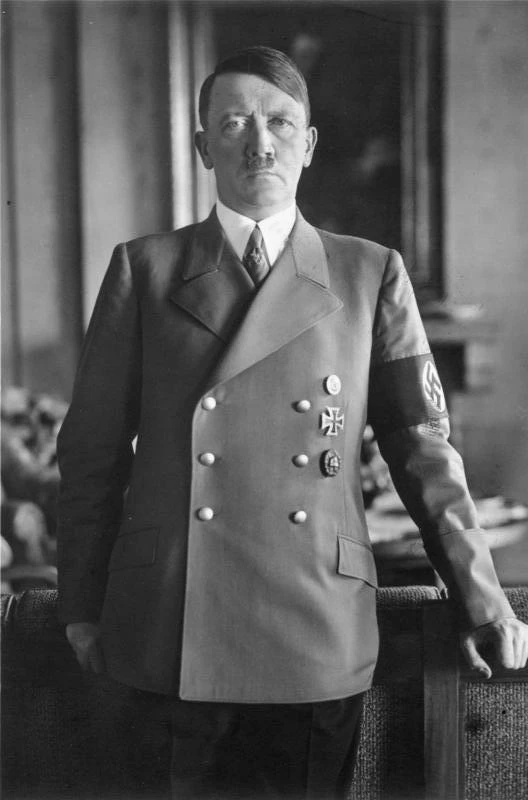
The Obersalzberg Speech
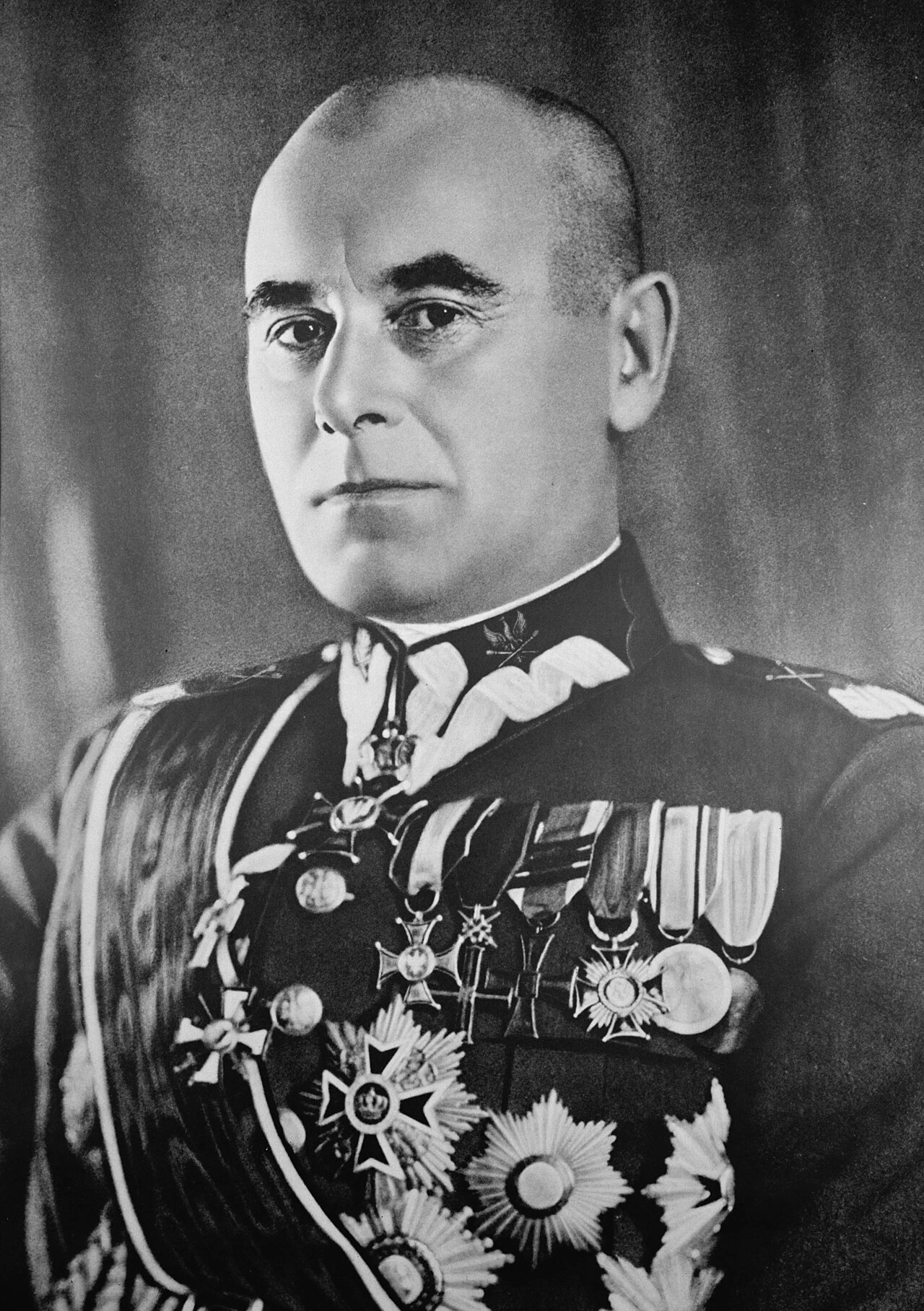
Poland and Mobilisation
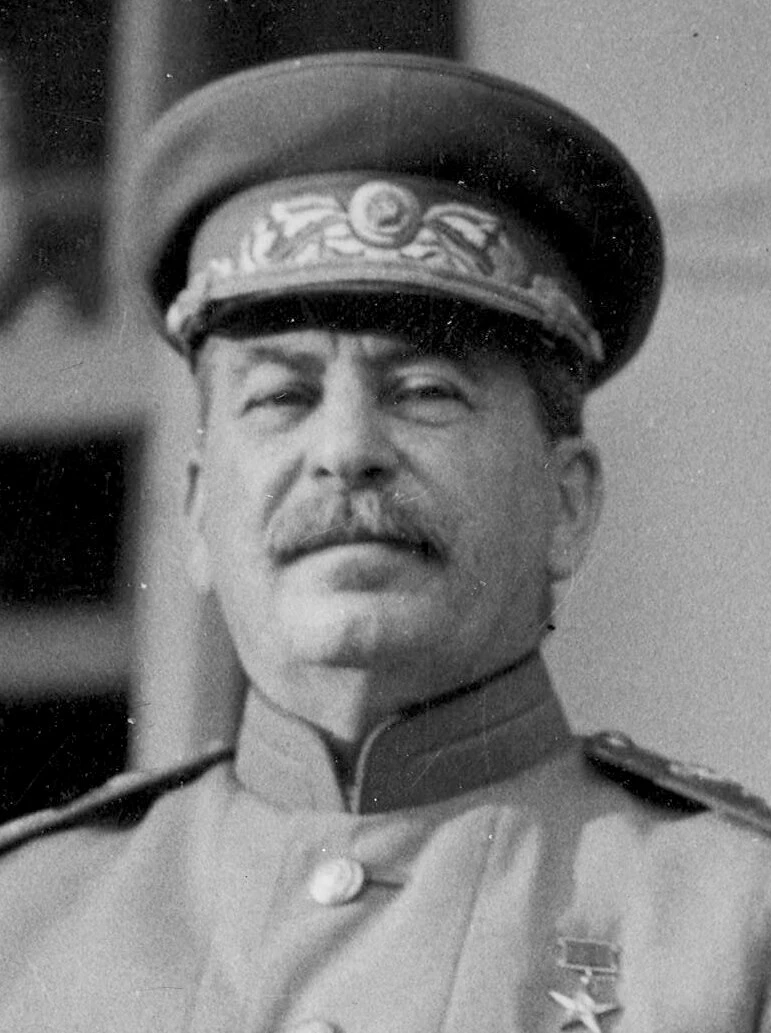
The Dismissal of Litvinov
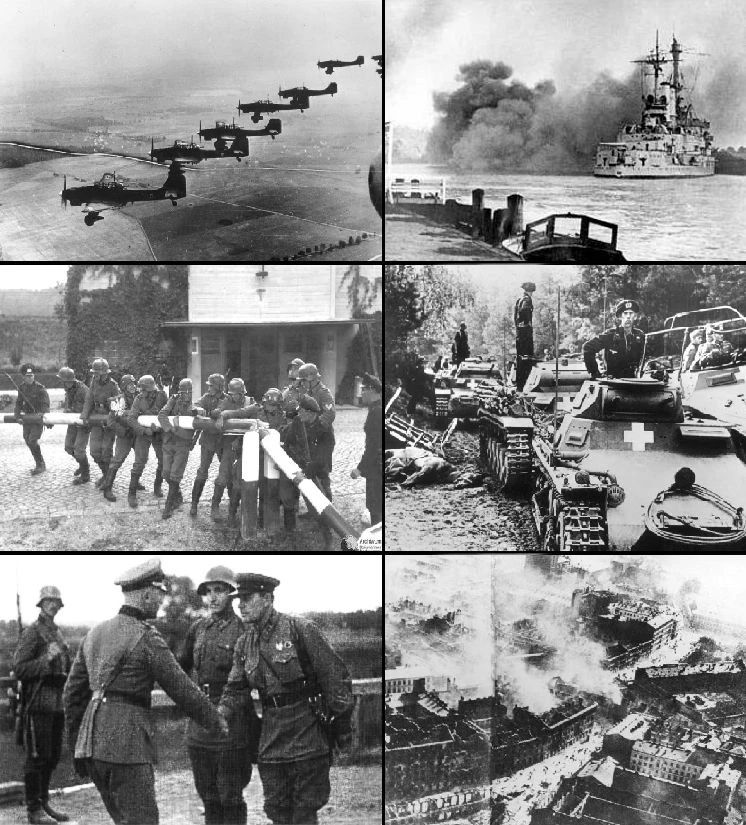
Rydz-Śmigły at Kuty — the directive of 17 September
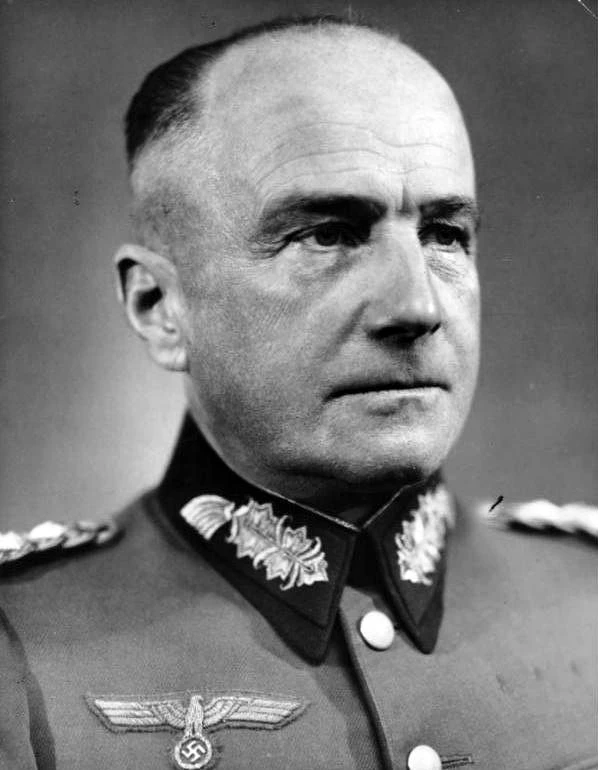
Brauchitsch — Reich Chancellery, 5 November
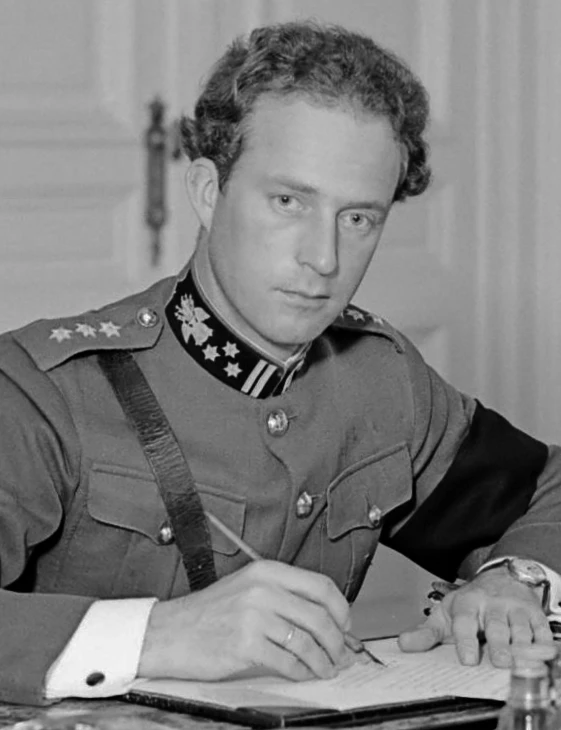
Brussels, September 1939: a small country's tightrope walk
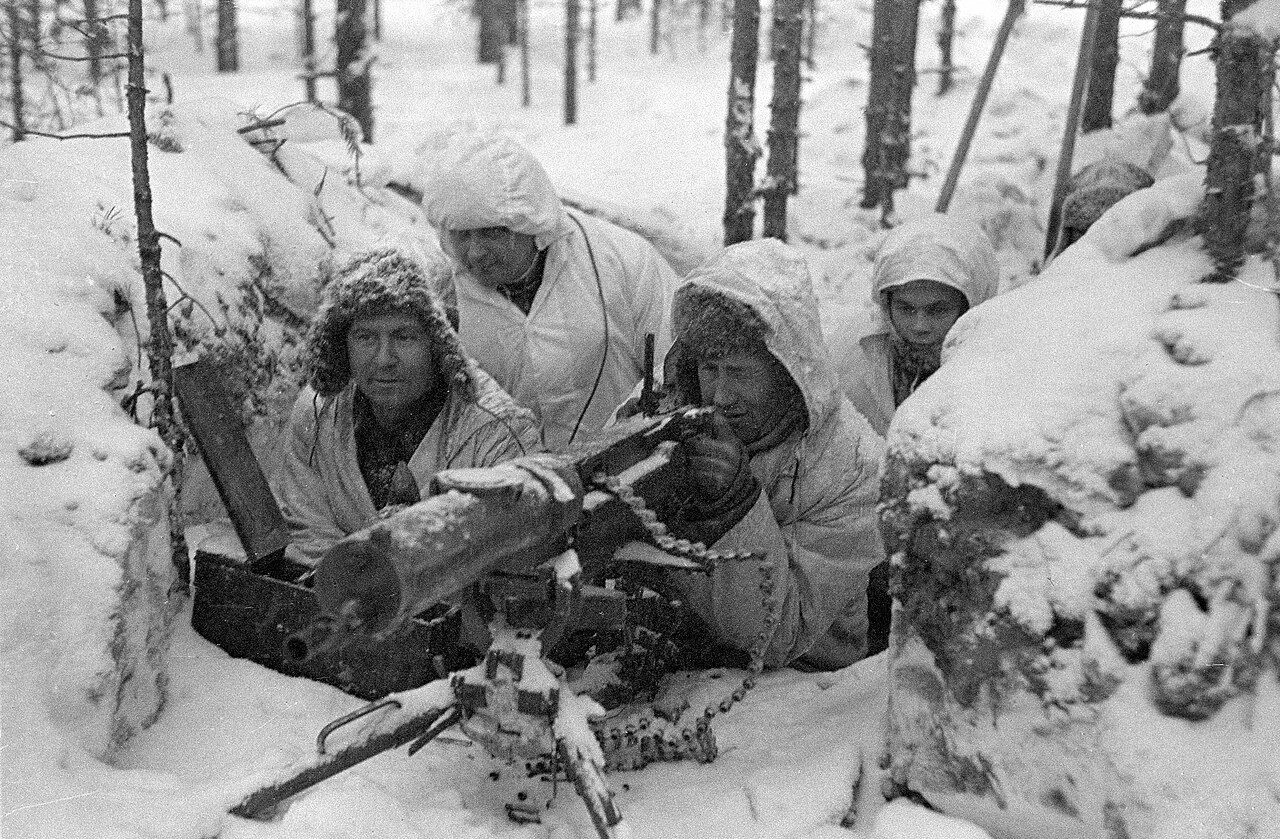
The Supreme Allied Council faces Finland
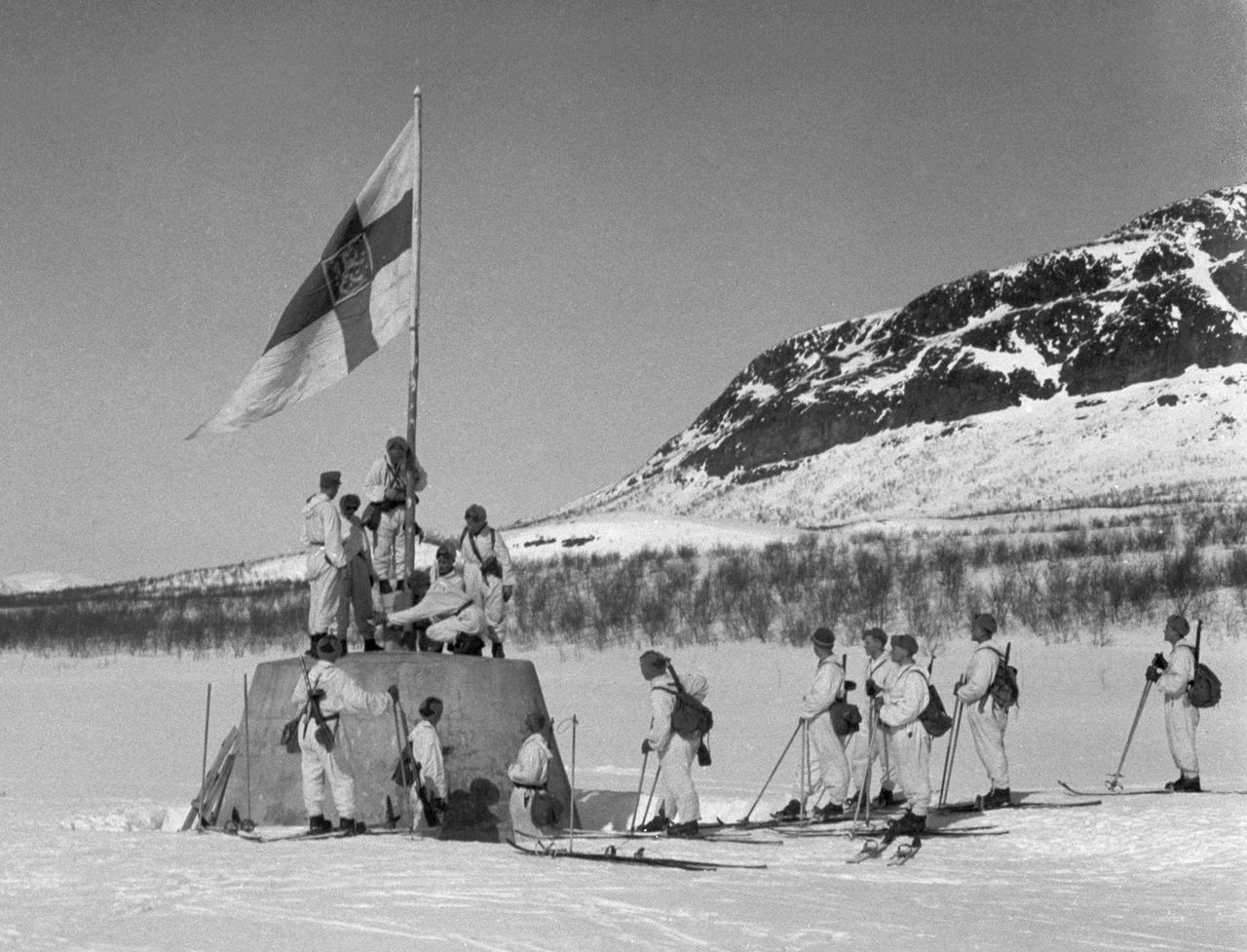
Should Finland be helped?
The Nazi-Soviet Pact
The Moscow Talks
The Obersalzberg Speech
Poland and Mobilisation
The Dismissal of Litvinov
Rydz-Śmigły at Kuty — the directive of 17 September
Brauchitsch — Reich Chancellery, 5 November
Brussels, September 1939: a small country's tightrope walk
The Supreme Allied Council faces Finland