
The Kirov Plant Under the Shells
In early October 1941, Leningrad is encircled. The German armies of Army Group North, supported by the Finns, have cut all the overland routes linking the city to the rest of the USSR since 8 September. Only a thin lifeline across Lake Ladoga remains, under fire. Inside, nearly three million civilians are trapped, and the first food restrictions already foreshadow the famine that is looming with winter.
To the south of the city stands the immense Kirov Plant, the former Putilov works, one of the great industrial centres of the Red Army. But the front is now only a few kilometres away: the workshops, like the surrounding neighbourhoods, now labour within range of German artillery, under bombardment and power cuts. The authorities are seeking at once to sustain a war effort, to move certain equipment and certain teams to safety toward the Urals, and to fortify the threatened approaches to the city.
For the city's women and men workers, each day mixes the danger of the shells, the growing cold, and the rations that keep shrinking. The slogans multiply, sometimes contradictory, and everyone must decide what place they will hold in the defence of Leningrad. For a woman worker on the Kirov assembly lines, the hour of choice has come.
In the autumn of 1941, in besieged Leningrad, what does this Kirov Plant woman worker decide?
Many choose to stay and produce and repair tanks in the shelled plant. While a notable share of Kirov's machine tools and workforce was indeed evacuated to Chelyabinsk — where the Urals "Tankograd" became the great Soviet centre for heavy tanks — teams remained in Leningrad and continued to manufacture, and above all to repair, KVs until the very end of the siege, often only a few kilometres from the front line. The workshops laboured under the shells, in the cold and hunger of the terrible winter of 1941-1942, which killed hundreds of thousands of Leningraders. Losses among the workers, from bombardment as well as from starvation, were heavy; some collapsed at their posts. This industrial resistance, combined with the fierce defence of the city by the troops of Zhukov and then his successors, helped Leningrad hold out for nearly 900 days, until the final lifting of the blockade in January 1944.
Learn more about this event
Related polls
10
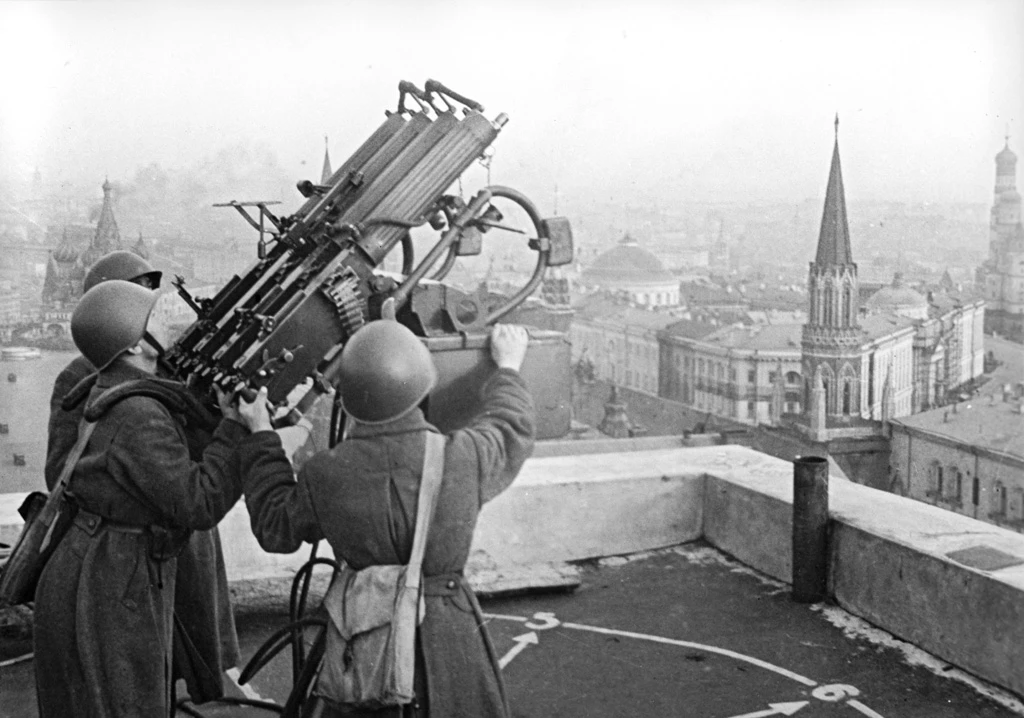
The physics student evacuated from Moscow
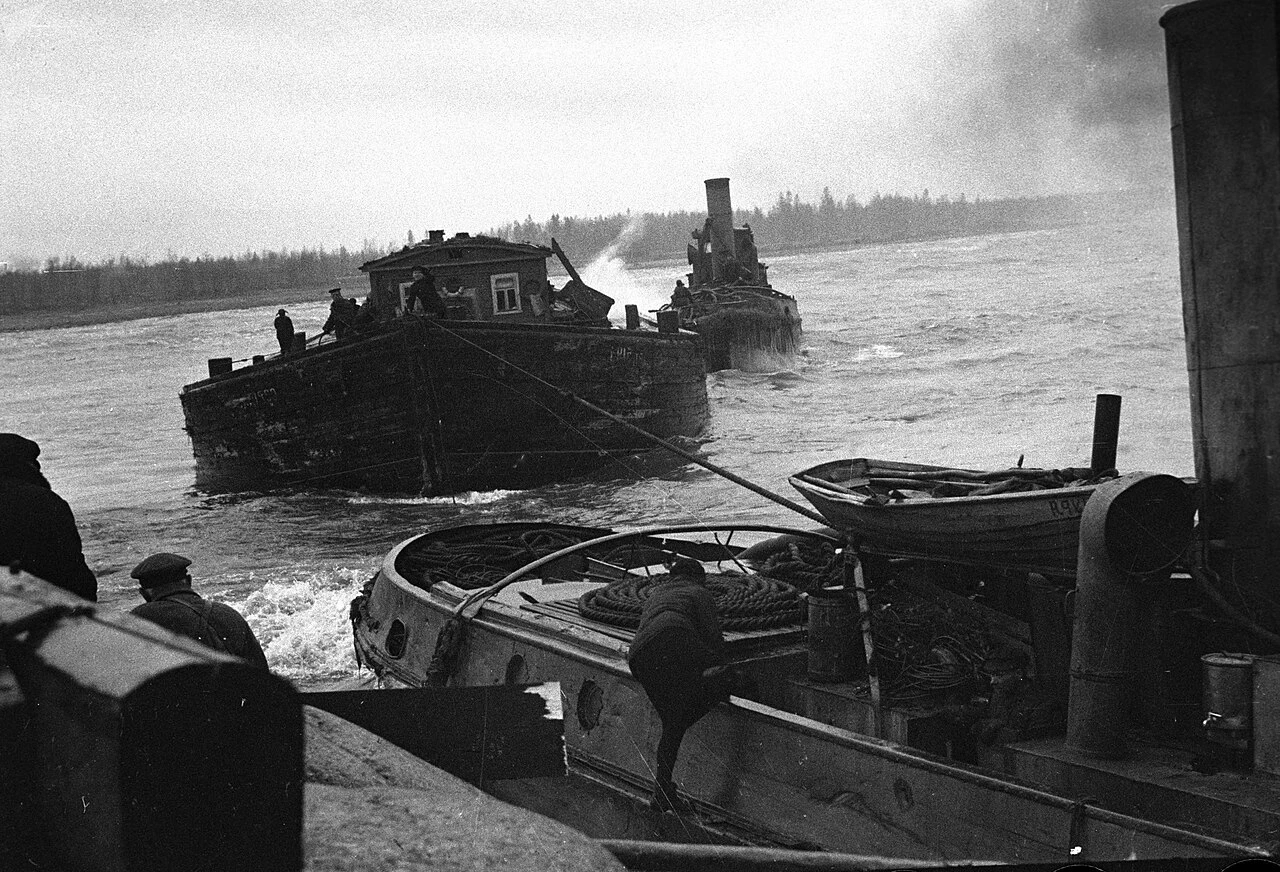
Leningrad: The First Ice on Lake Ladoga
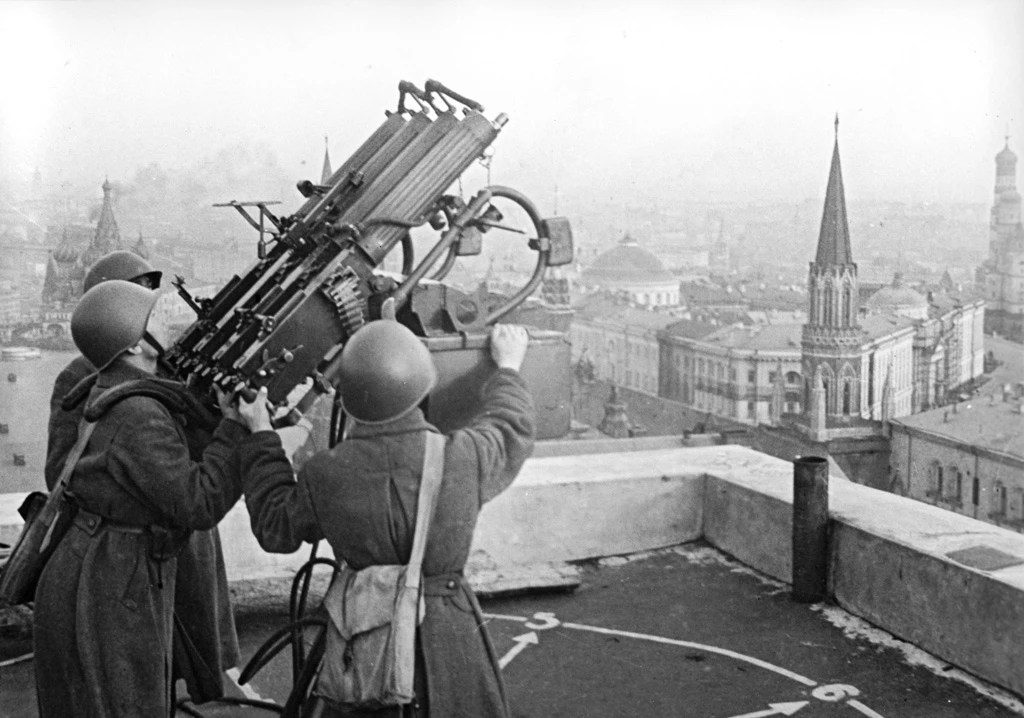
Moscow, 16 October 1941: The Day of Great Panic
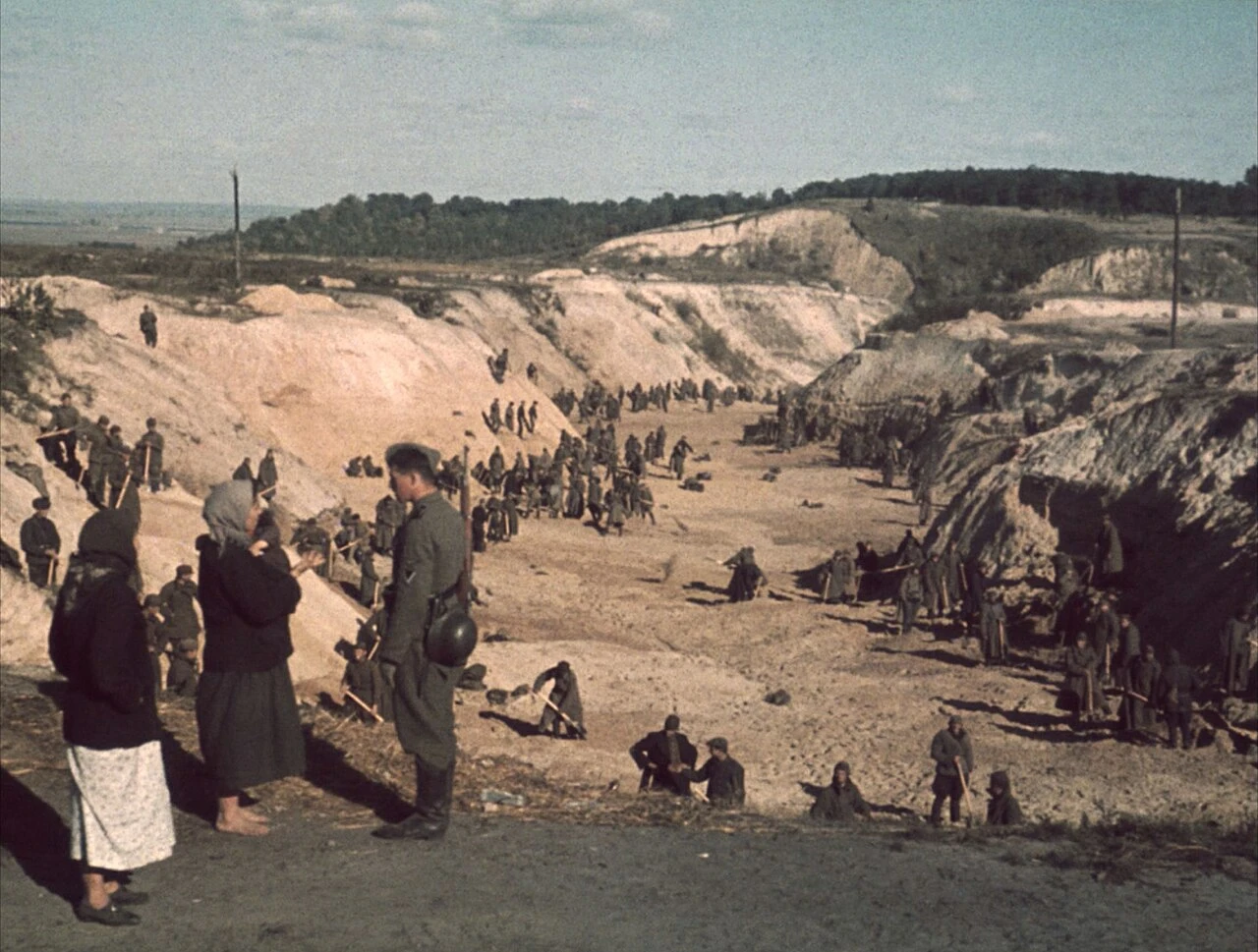
Kiev, 29 September 1941: The Posted Notice
Athens, the Winter of Hunger
The Kharkov worker facing the dismantling of the tank factory
Leningrad University during the siege

The Kharkov railwayman and the Reichsbahn
At the Dahomey pit, the morning of team-rate pay
Billancourt Under the Eye of the Occupier
The physics student evacuated from Moscow
Leningrad: The First Ice on Lake Ladoga
Moscow, 16 October 1941: The Day of Great Panic
Kiev, 29 September 1941: The Posted Notice
Athens, the Winter of Hunger
The Kharkov worker facing the dismantling of the tank factory
Leningrad University during the siege
The Kharkov railwayman and the Reichsbahn
At the Dahomey pit, the morning of team-rate pay