
Rommel's ghost division
After crossing the Meuse, Rommel's was in a position to exploit the breach. Ahead of it, the French rear was in disarray, but communications with the higher echelons and the following infantry remained fragile, and the flanks of any rapid advance would stay exposed.
The command of an armoured division raised a genuine question of doctrine here. To dash ahead, without waiting for the infantry or protecting his flanks, would expose the division to being cut off and destroyed by a counter-attack, and would muddle the overall coordination. Conversely, slowness would give the adversary time to recover and to reconstitute a front.
Rommel can keep dashing ahead, in defiance of flanks and communications, to exploit the panic. Advance cautiously while keeping contact with the infantry and covering his flanks. Or halt to regroup and wait for the infantry. The choice touches on the limits of initiative and the balance between audacity and security.
Should Rommel keep dashing ahead, advance cautiously, or halt to regroup?
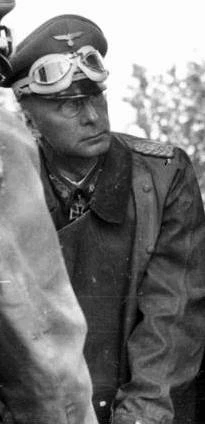
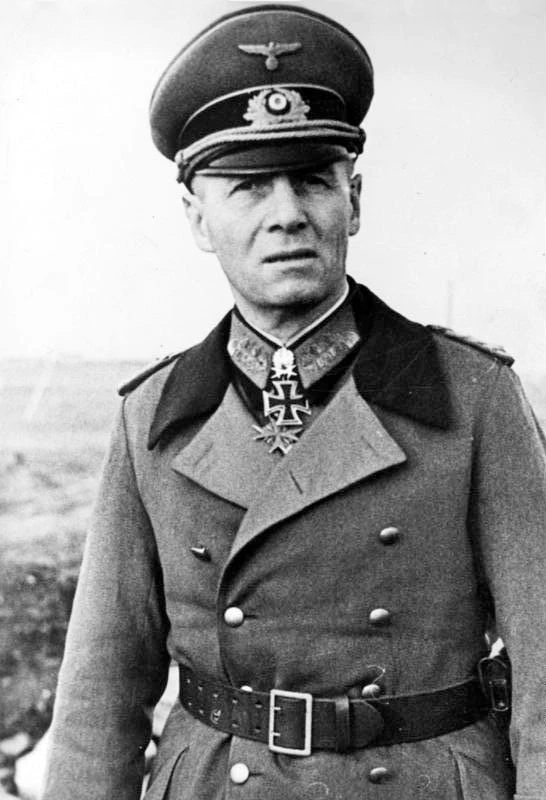
Rommel invariably chooses A: his advances at an astounding pace, capturing thousands of prisoners, passing through French positions before they even realise the threat. It sometimes progresses so fast and so far that the German staff itself loses track of it — hence its nickname of "ghost division" (Gespensterdivision). At the real risk of disaster had the Allies been able to coordinate a counter-attack (as at Arras, which gave him a sharp fright). But the adversary's disorganisation vindicates his gamble. This audacity founds the Rommel legend and illustrates the permanent debate of 1940: speed as a decisive weapon, against the caution of a command fearing the exposure of its flanks. His success crowns the school of initiative.
Learn more about this event
Related polls
10
Reinhardt toward the ports — the Arras threat
Rommel before the Serre — the Crécy bridge
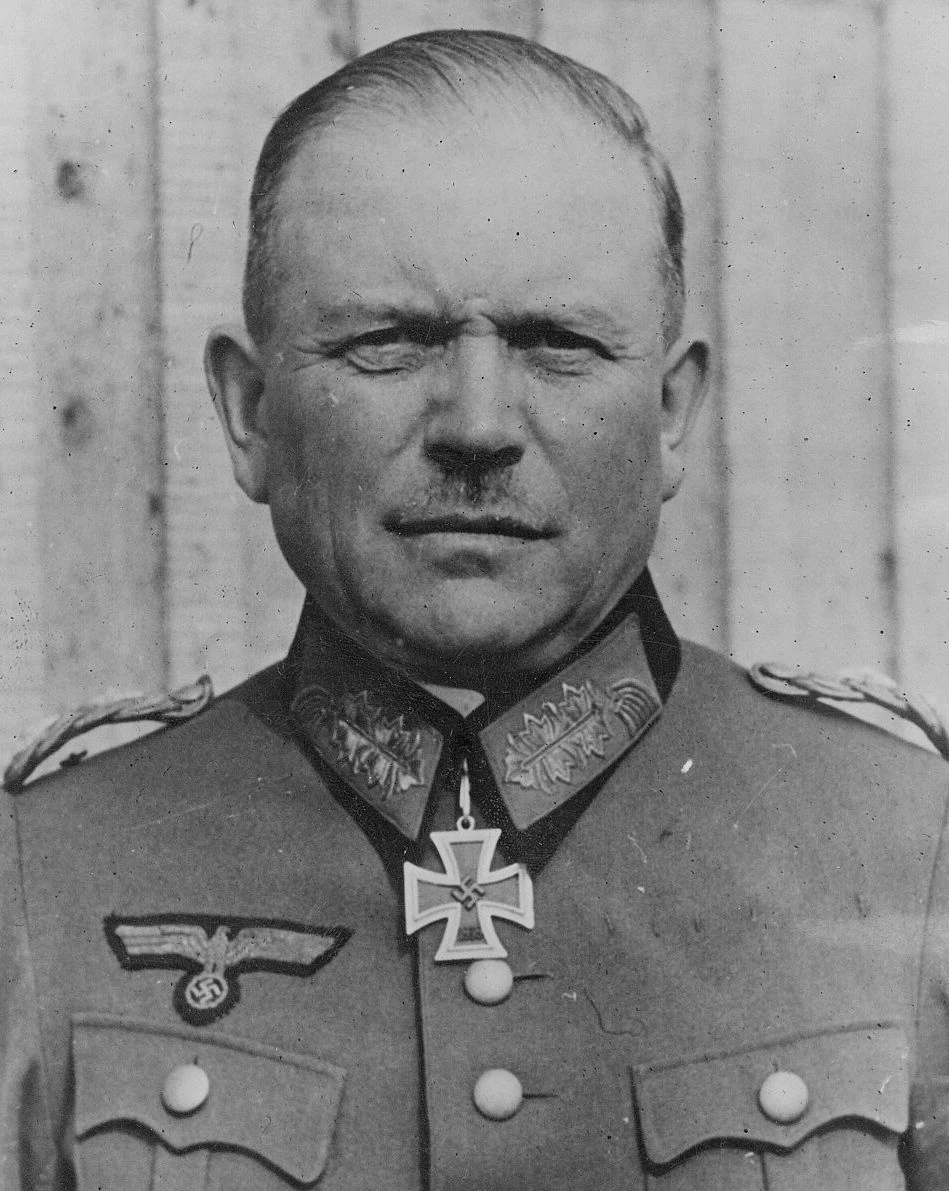
Sedan — Guderian on the Meuse

The Houx weir
Fall Gelb — the order of 9 May 20:00

The crossing of the Meuse at Dinant
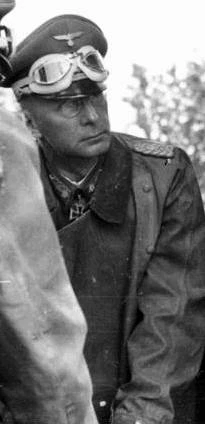
Reinhardt stuck in the Ardennes — 11 May
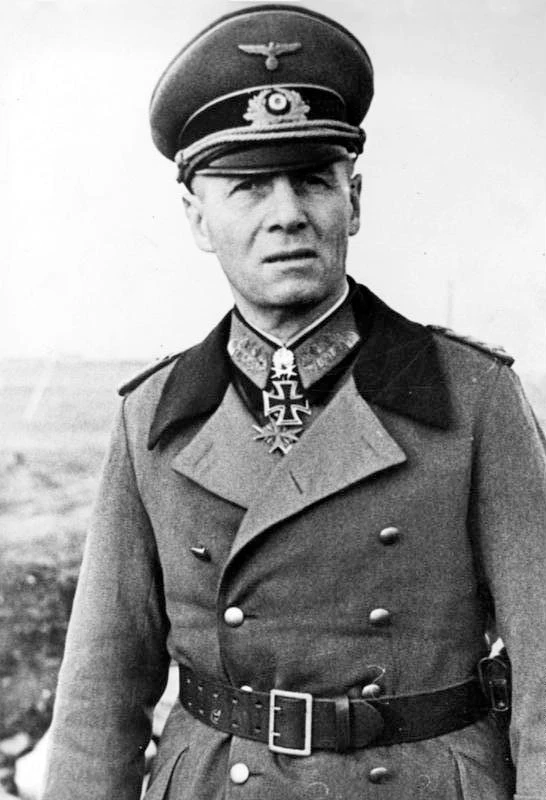
Rommel before the Meuse — Dinant, 13 May
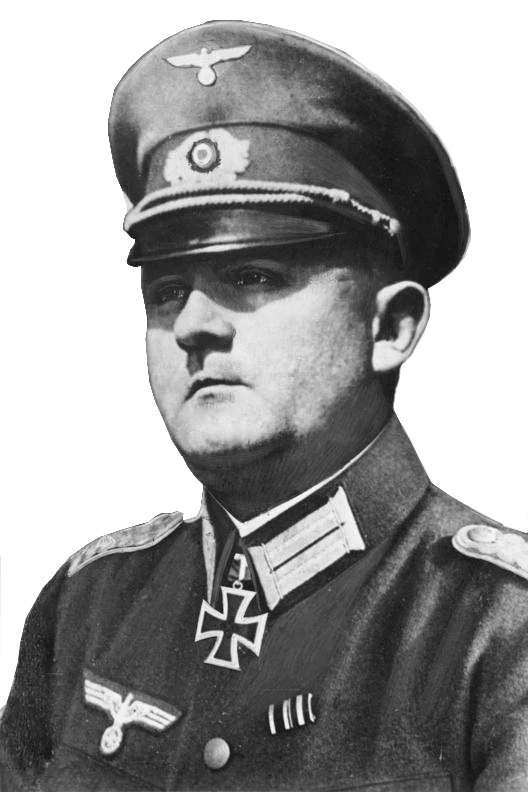
Waalhaven — assault on the Rotterdam airfield
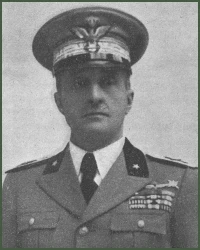
Pintor in the Alps — 21 June
Reinhardt toward the ports — the Arras threat
Rommel before the Serre — the Crécy bridge
Sedan — Guderian on the Meuse
The Houx weir
Fall Gelb — the order of 9 May 20:00
The crossing of the Meuse at Dinant
Reinhardt stuck in the Ardennes — 11 May
Rommel before the Meuse — Dinant, 13 May
Waalhaven — assault on the Rotterdam airfield