
On 13 May 1940, the Dutch defence was falling apart and German airborne troops were prowling around The Hague. Queen Wilhelmine, sovereign since 1898, had to decide her own fate and that of the continuity of the State, while the capture of the head of state by the enemy was a real threat.
The dilemma was that of every invaded head of state. To stay was to share the fate of one's people and risk capture, which would make the sovereign a hostage in the occupier's hands. To leave was to expose oneself to the charge of desertion, but to preserve the independence of the State and the possibility of continuing the war from abroad, alongside the Allies.
Wilhelmine could make for London to embody the continuity of the State and Dutch resistance. She could remain in the Netherlands at the risk of being captured. Or she could withdraw within the country (Zeeland) to hold out as long as possible. A few hours were all she had; the same dilemma would soon confront other invaded sovereigns.
Should Wilhelmine make for London, remain in the Netherlands, or withdraw to Zeeland?
Wilhelmine chose A: on 13 May 1940 she embarked on a British warship (HMS Hereward) and made for London, from where she would direct the Dutch government in exile and embody, through her broadcast messages, the resistance of the Netherlands — Churchill would call her "the only man" among the governments in exile. Her departure ensured the continuity of the State and the Dutch commitment to the war until victory. The contrast is striking with King of Belgium, who a fortnight later would choose to remain a prisoner in his country — two opposing decisions that would weigh lastingly on the legitimacy and image of the two monarchies.
Learn more about this event
Related polls
10
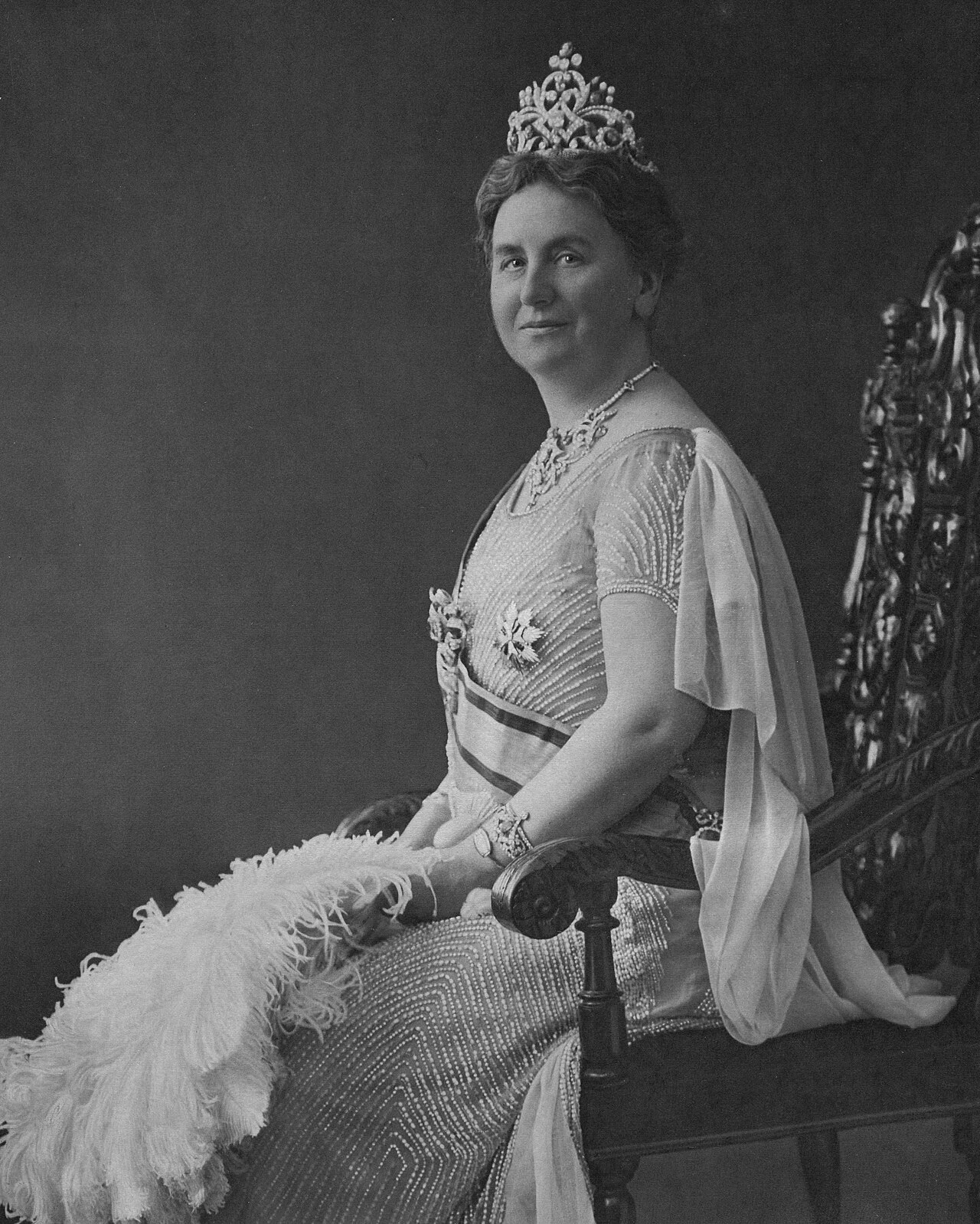
Wilhelmina — Hoek van Holland 13 May
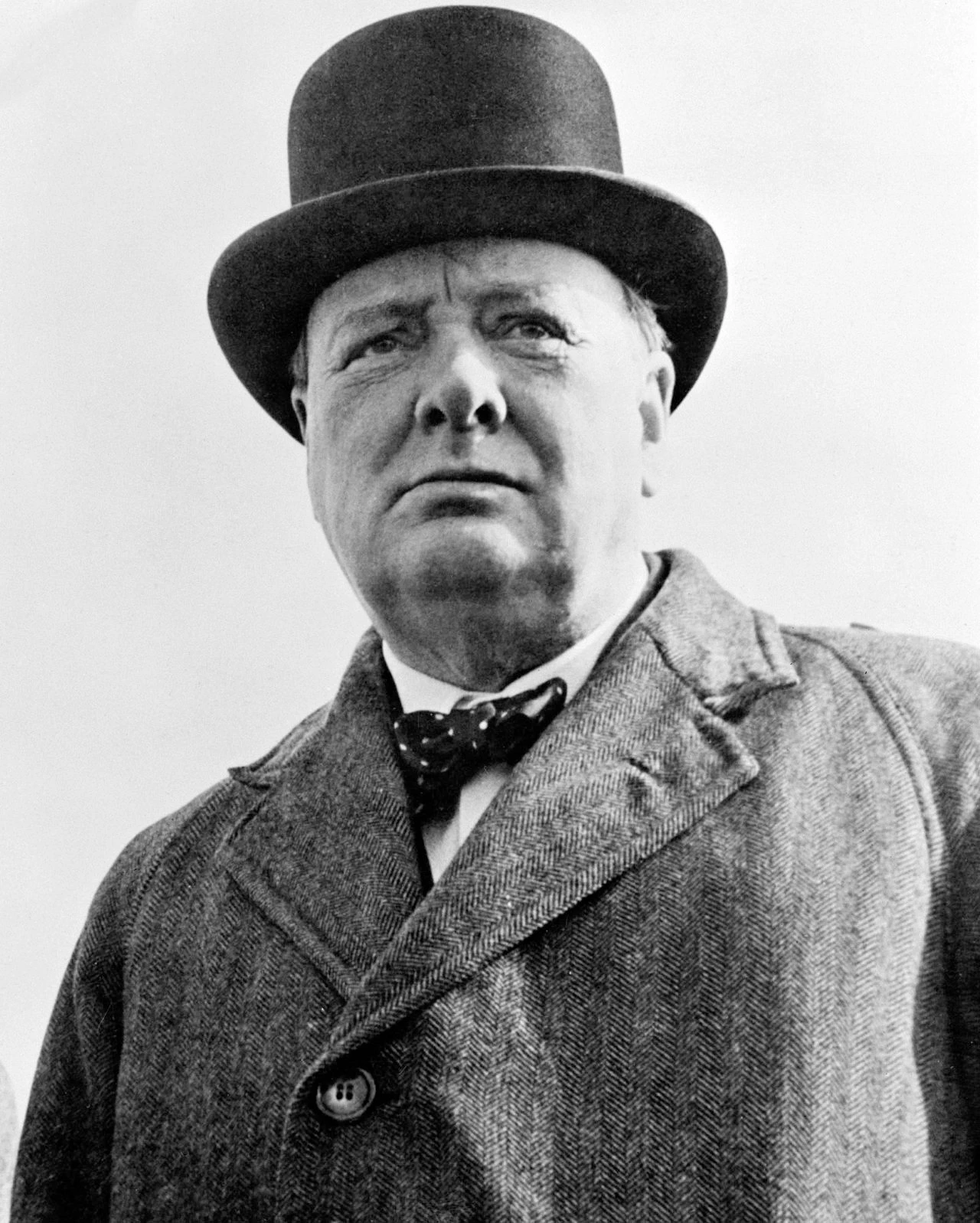
Churchill in power
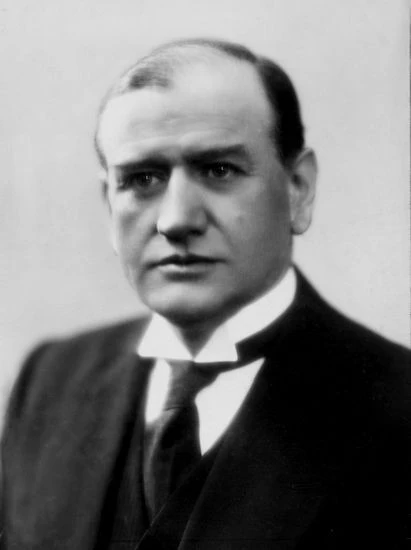
Daladier asked to leave the War Ministry
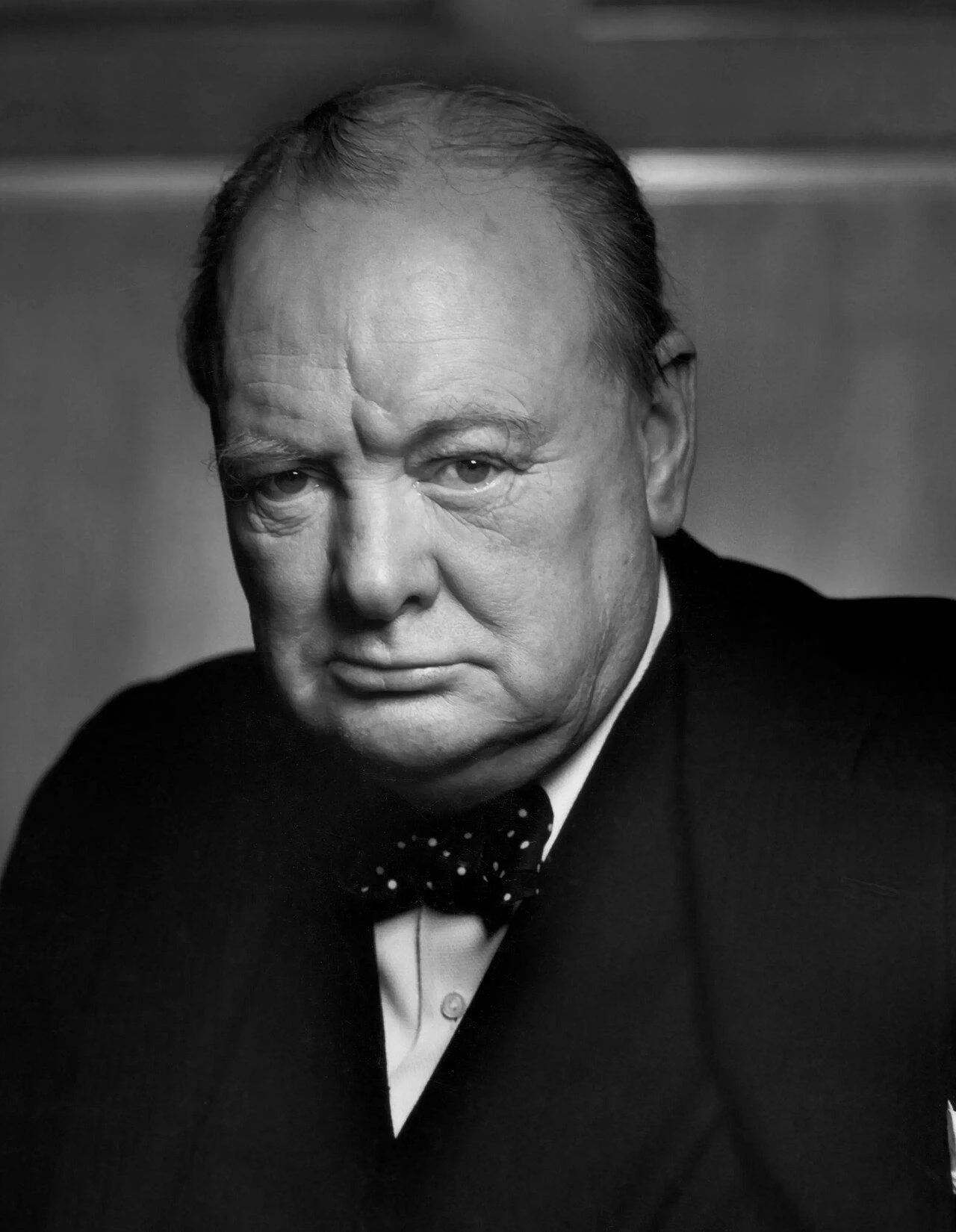
Halifax at the War Cabinet — 25 May 18:00
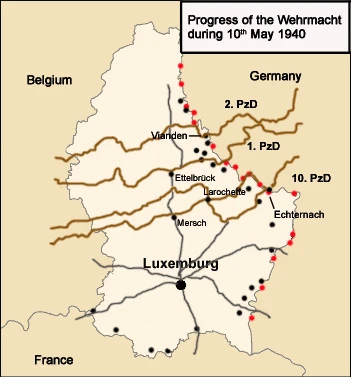
Luxembourg invaded
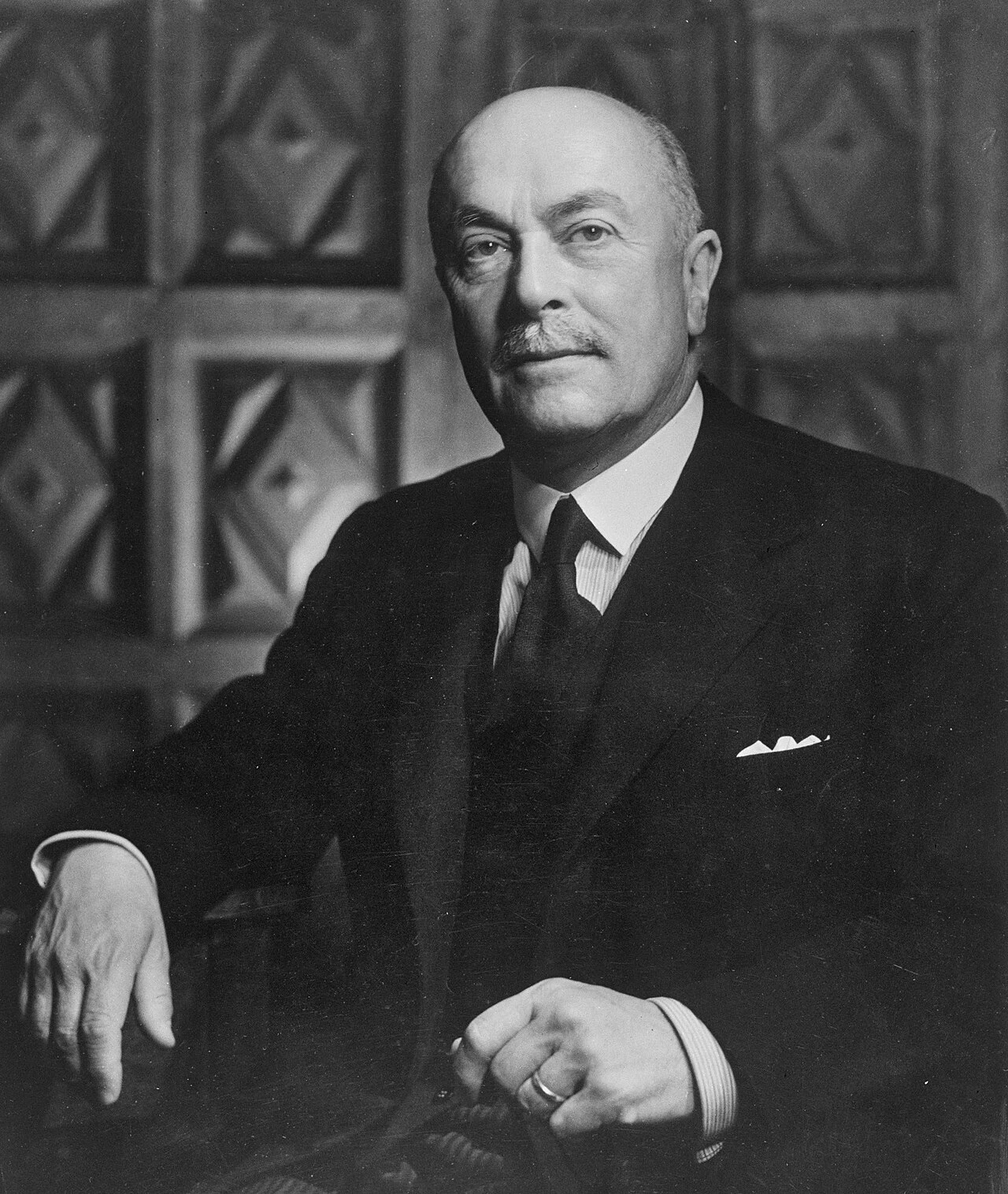
Pierlot at Limoges — from where to carry on?
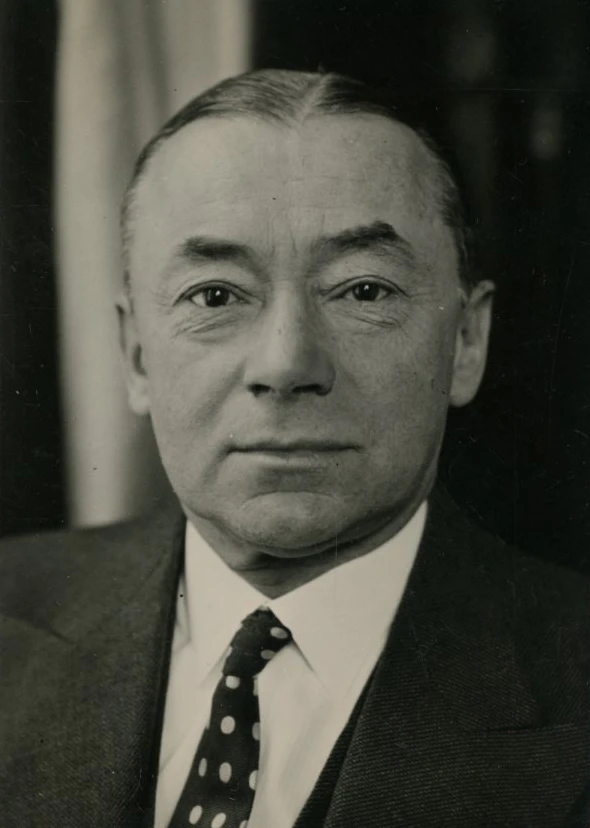
Reynaud in London — 26 May
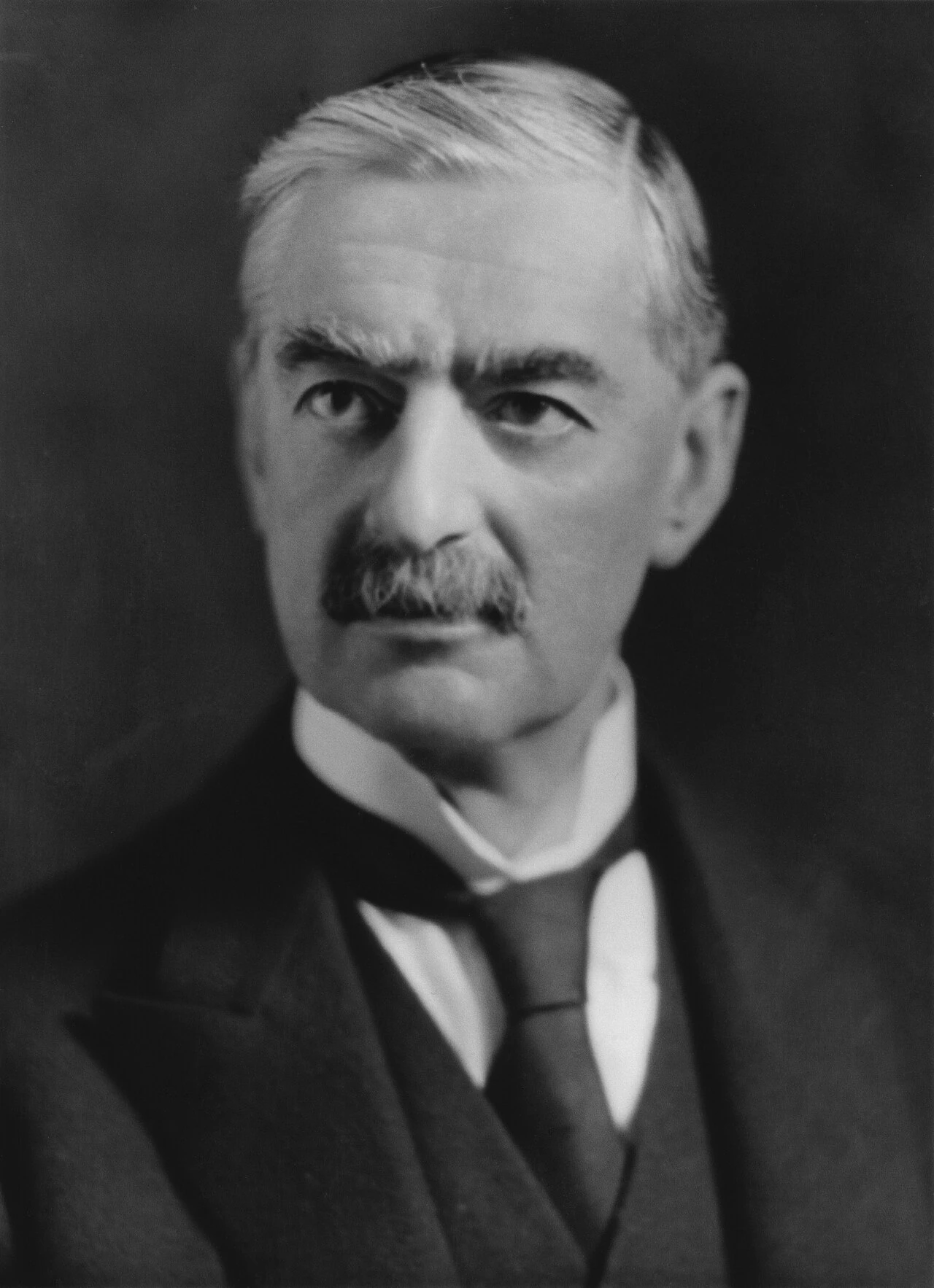
Chamberlain at Central Hall — 4 April
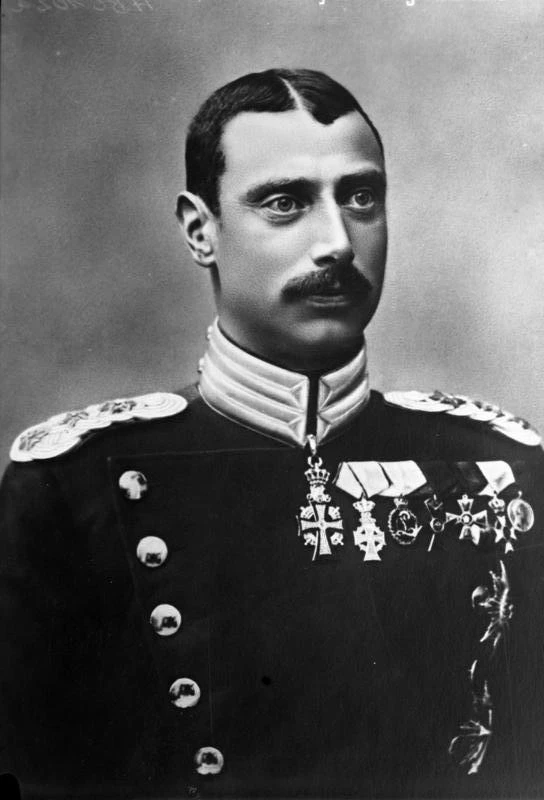
Christian X faces the ultimatum — 9 April
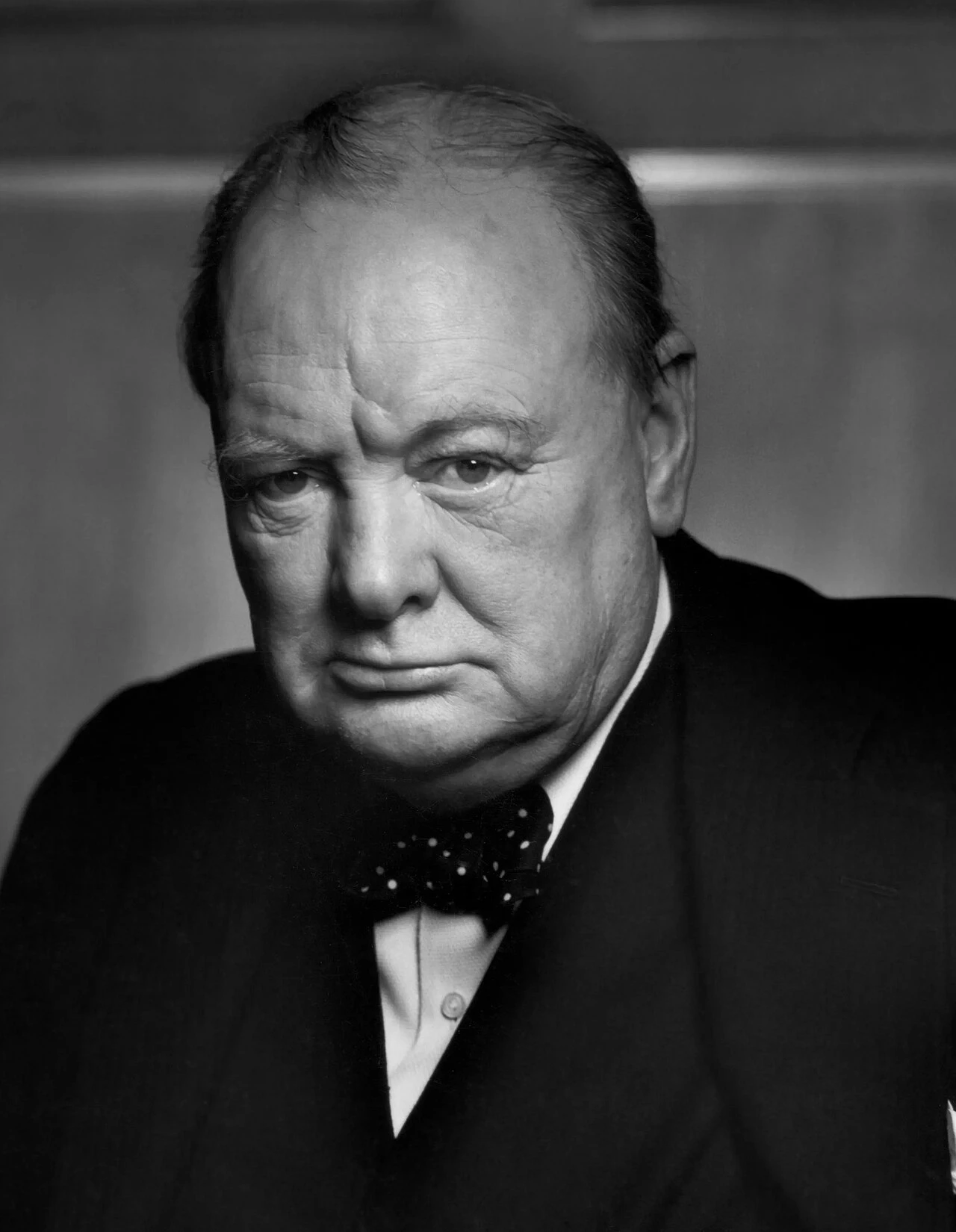
Churchill before the 25 ministers — 28 May 18:00
Wilhelmina — Hoek van Holland 13 May
Churchill in power
Daladier asked to leave the War Ministry
Halifax at the War Cabinet — 25 May 18:00
Luxembourg invaded
Pierlot at Limoges — from where to carry on?
Reynaud in London — 26 May
Chamberlain at Central Hall — 4 April
Christian X faces the ultimatum — 9 April