
The Maginot Line — Hold or Pull Out
The Maginot Line, a formidable fortified system along the eastern frontier, has been largely bypassed by the attack through Belgium and the Ardennes. Its powerful garrisons, intact and well armed, find themselves in mid-June 1940 in an absurd situation: undefeated where they stand, but outflanked by the general collapse of the front to their rear.
The command of the forts faces a cruel dilemma. It may hold the works, which remain all but impregnable from the front, out of duty and to pin down enemy forces — but while remaining encircled, cut off from everything. It may evacuate the garrisons to spare them capture and bring them back south to fight in open country. Or it may surrender once the armistice is secured and all resistance has become futile.
The irony is bitter: the Maginot Line has fulfilled its role (channelling the attack elsewhere) but cannot prevent the defeat that came through where it did not cover. What is to be done with undefeated fortresses in a defeated country? The fate of tens of thousands of men and the symbol of a defensive doctrine are at stake.
Should the Maginot garrisons hold their works, evacuate to fight in the south, or surrender?
The garrisons mainly apply A to the end: most of the great works of the Maginot Line remain undefeated in combat, repelling the few direct German assaults (as at the fort of Schoenenbourg, heavily bombarded but never taken). A few German attempts to break through the line in June fail. But the armistice of 22 June renders the resistance pointless: on the order of the French command, the intact forts capitulate in late June, their garrisons going into captivity with rage in their hearts, not having been defeated where they stood. The fate of the Maginot Line symbolises the tragedy of 1940: an effective but bypassed wall, soldiers undefeated in a war lost elsewhere.
Learn more about this event
Related polls
10
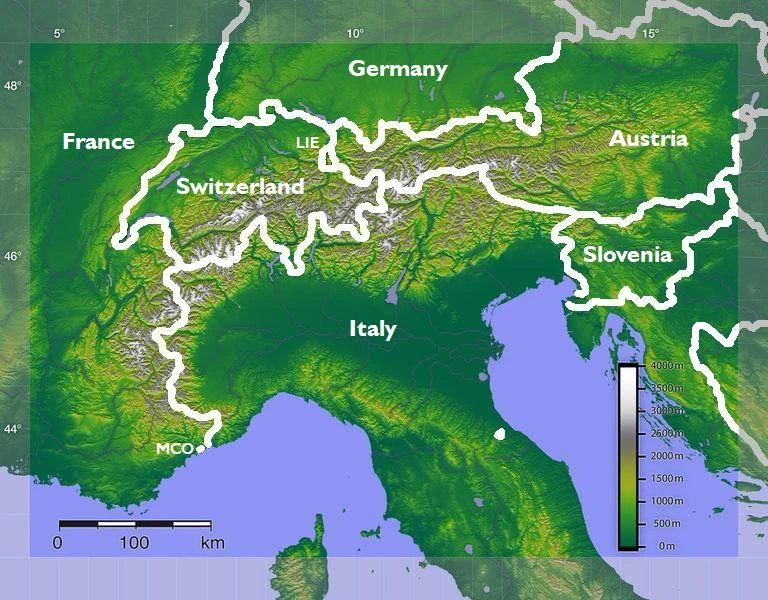
The Army of the Alps against the Italians
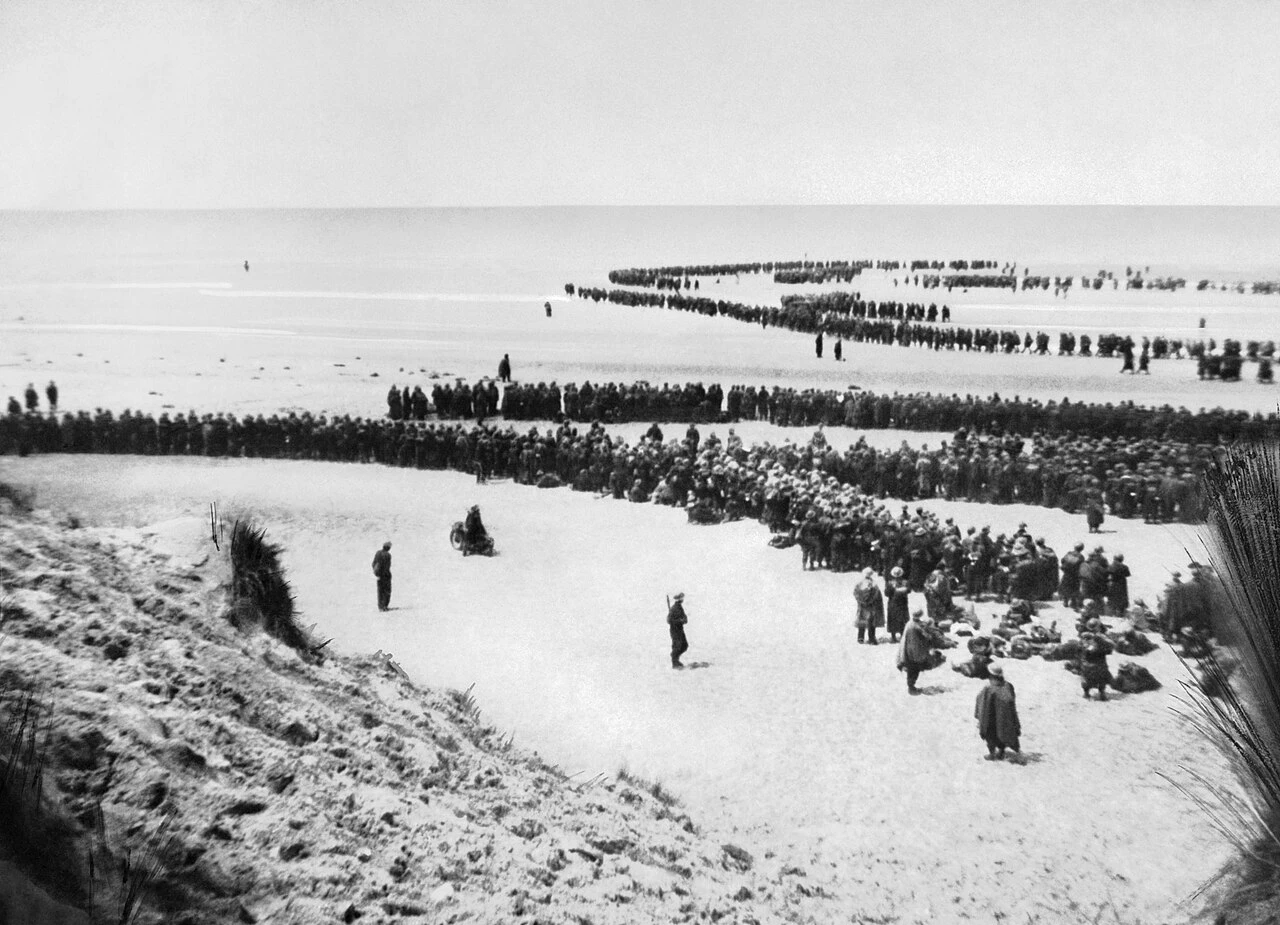
The French Rearguard at Dunkirk
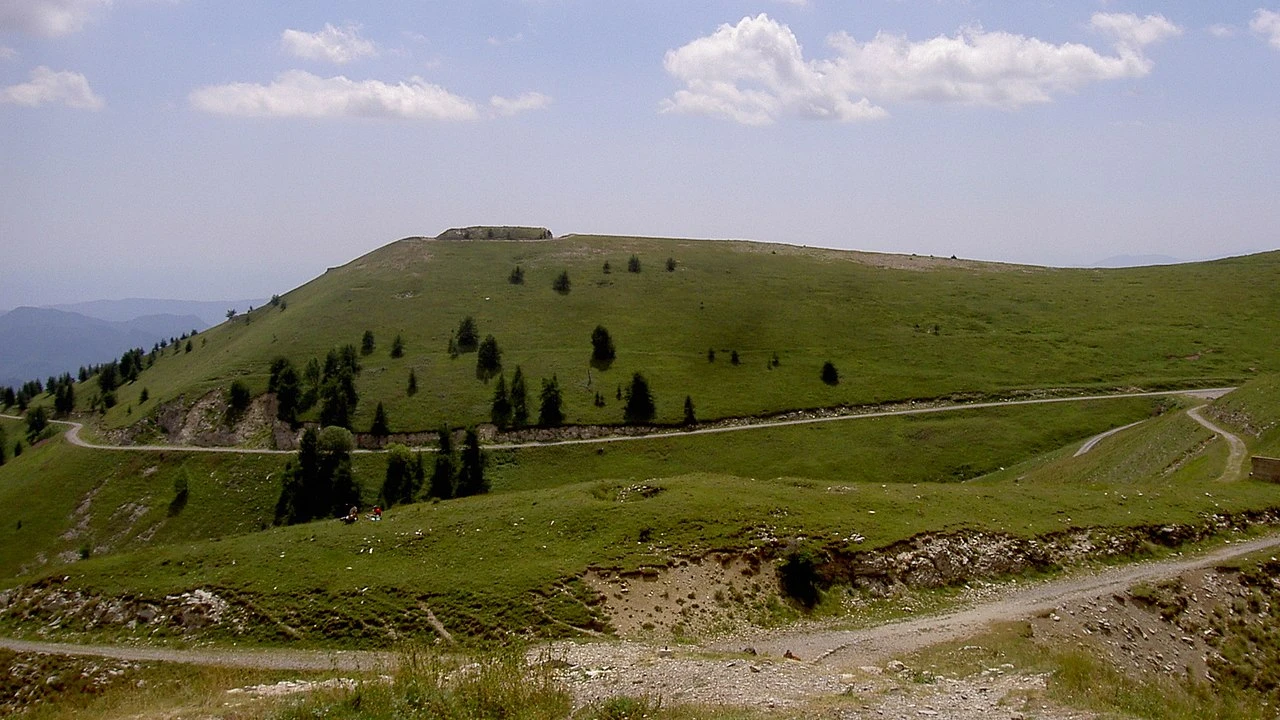
Boutmy at Mont-Cenis
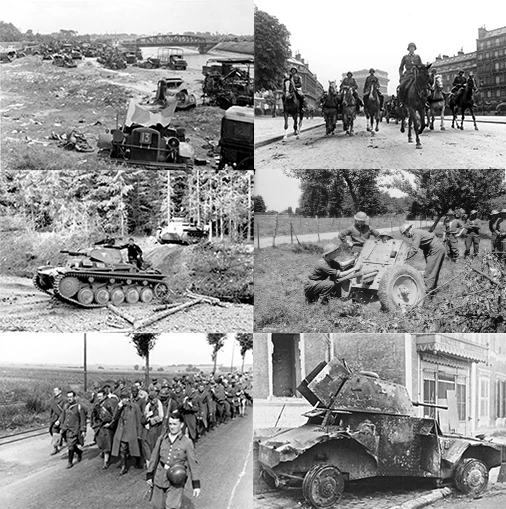
The Weygand Line on the Somme
Touchon on the Aisne — Fall Rot
Boulogne — Fox-Pitt and the Guards facing the port
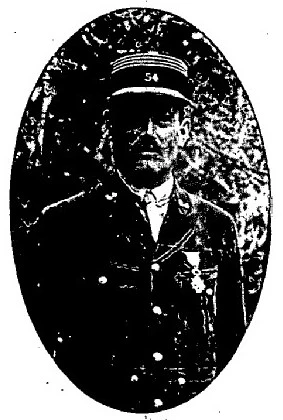
Bulson — Lafontaine and the 02:00 rumour
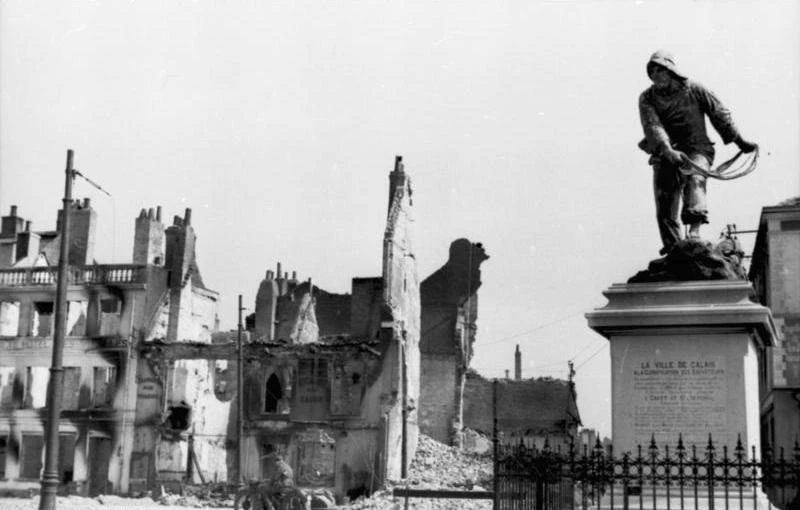
Calais — Nicholson facing the ultimatum
The Defence of Boulogne
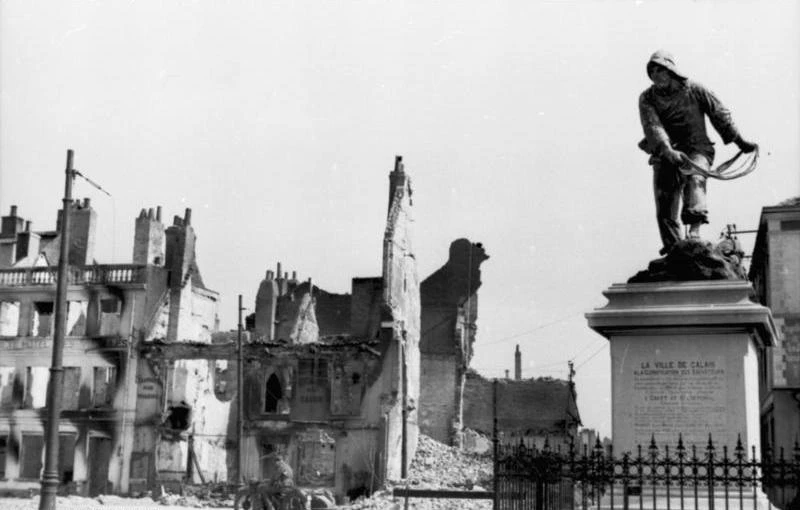
The Defence of Calais
The Army of the Alps against the Italians
The French Rearguard at Dunkirk
Boutmy at Mont-Cenis
The Weygand Line on the Somme
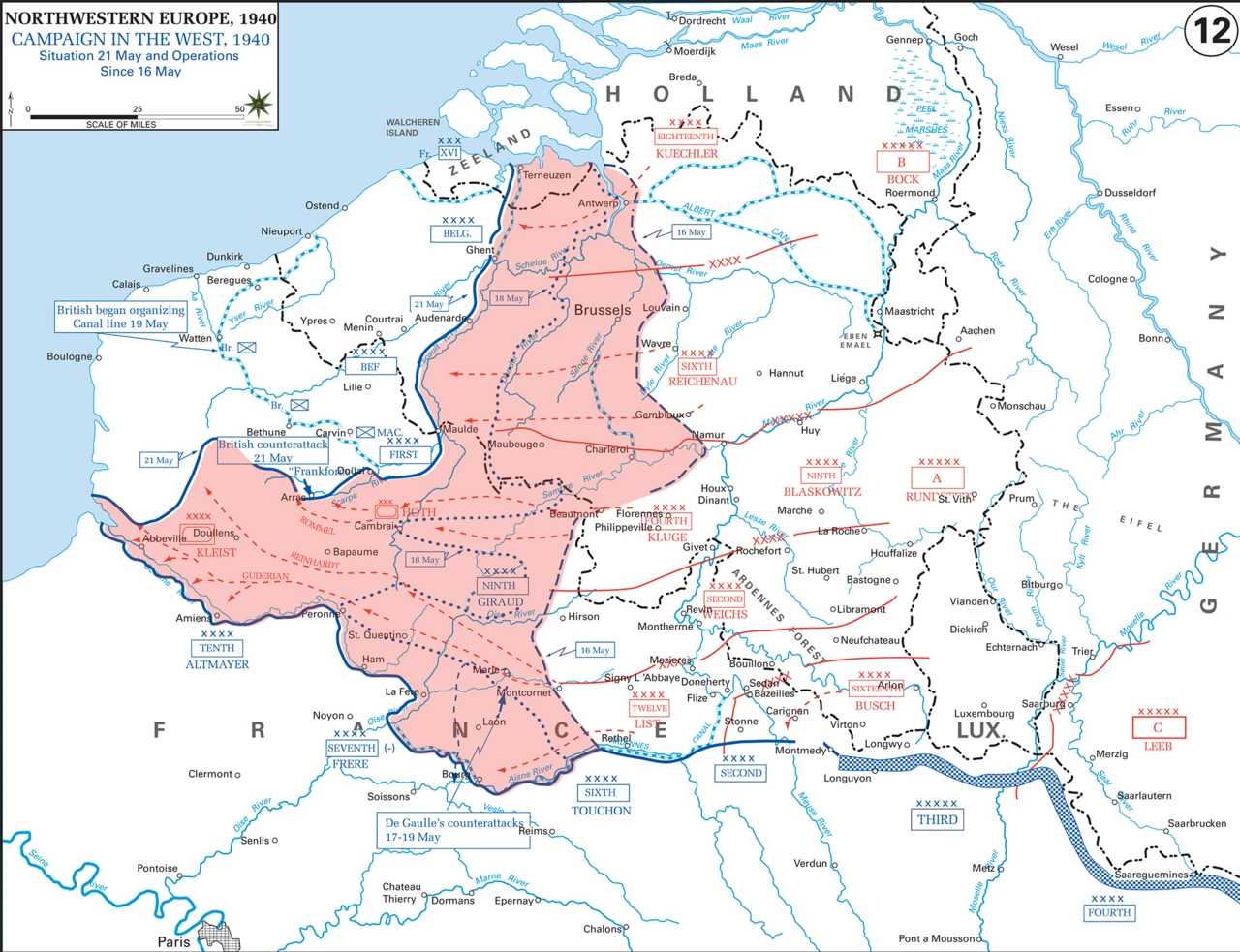
Touchon on the Aisne — Fall Rot
Boulogne — Fox-Pitt and the Guards facing the port
Bulson — Lafontaine and the 02:00 rumour
Calais — Nicholson facing the ultimatum
The Defence of Boulogne