
Appointed People's Commissar for the Tank Industry on 11 September 1941, must organize, in great haste, the withdrawal of the Soviet armoured industry. Factory No. 183 in Kharkov, which produces the T-34, is dismantled and loaded onto trains as the Wehrmacht draws near. At the same moment, the Kirov plant in Leningrad, which builds the heavy KV tanks, is also being evacuated eastward.
The challenge is not merely to flee: production must be restarted as quickly as possible, in a region lacking the necessary infrastructure. Should the entire armoured industry be consolidated on a single giant site, even if it means mixing medium and heavy tanks? Or should the factories instead be dispersed to limit the risks and make use of the Urals' existing industrial capacity?
Malyshev must decide within a few weeks, as every day lost translates into tanks not delivered to the front.
How should Malyshev re-establish in the Urals the Kharkov tank factory evacuated ahead of the German advance?
Factory No. 183 from Kharkov was directed to Nizhny Tagil, where it merged with the Uralvagonzavod (railcar works) to form Ural Tank Factory No. 183 'Stalin', dedicated to T-34 production. The heavy KV tanks, for their part, were concentrated at Chelyabinsk, where the tractor plant absorbed the Kirov works from Leningrad to become the complex nicknamed 'Tankograd'. The two production lines were thus kept separate. The first T-34 assembled at Nizhny Tagil came off the lines in December 1941, and Factory No. 183 became the leading producer of T-34s for the entire war.
Learn more about this event
Related polls
10
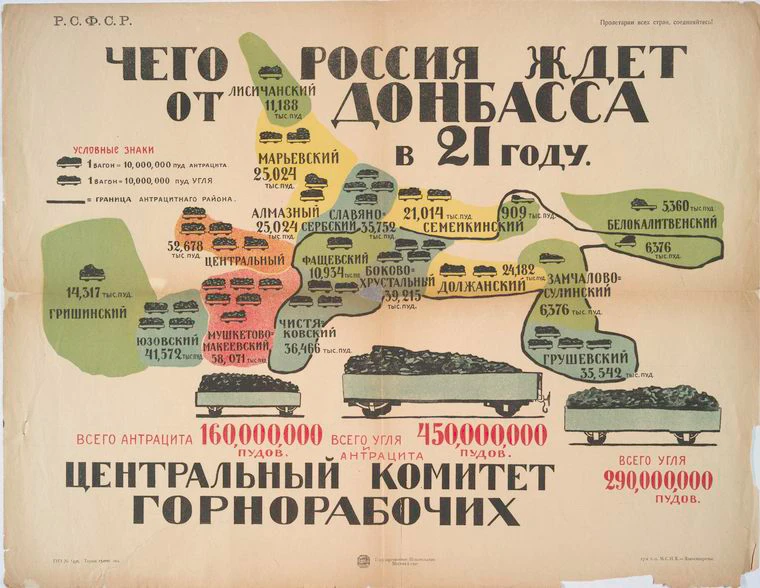
The Donbass Is About to Fall — What to Do With the Basin?
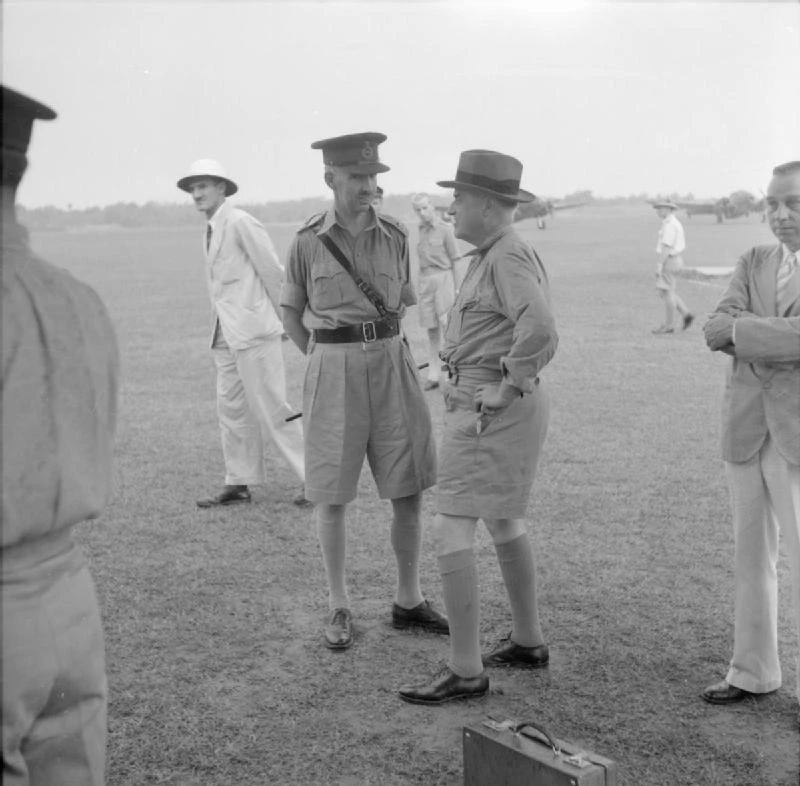
Harriman in Moscow, Face to Face with Stalin
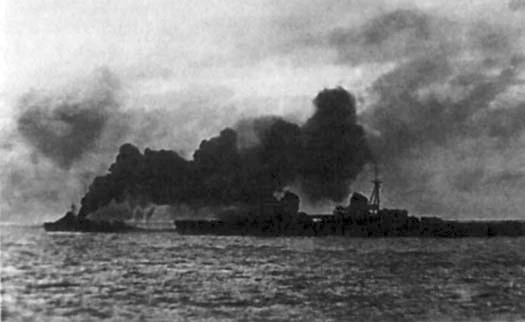
Dismantling a Nation
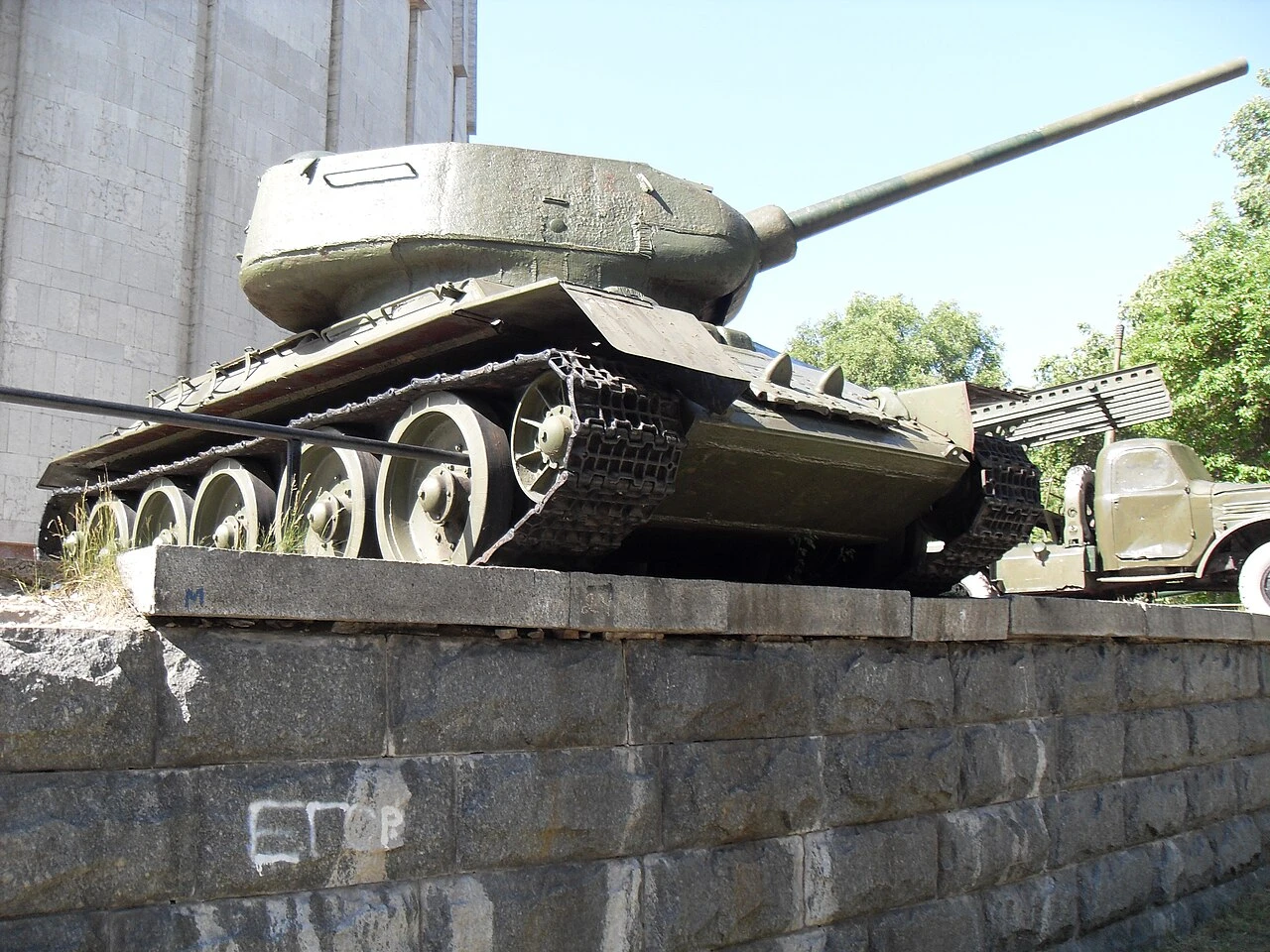
Ten thousand tanks, and nothing on paper
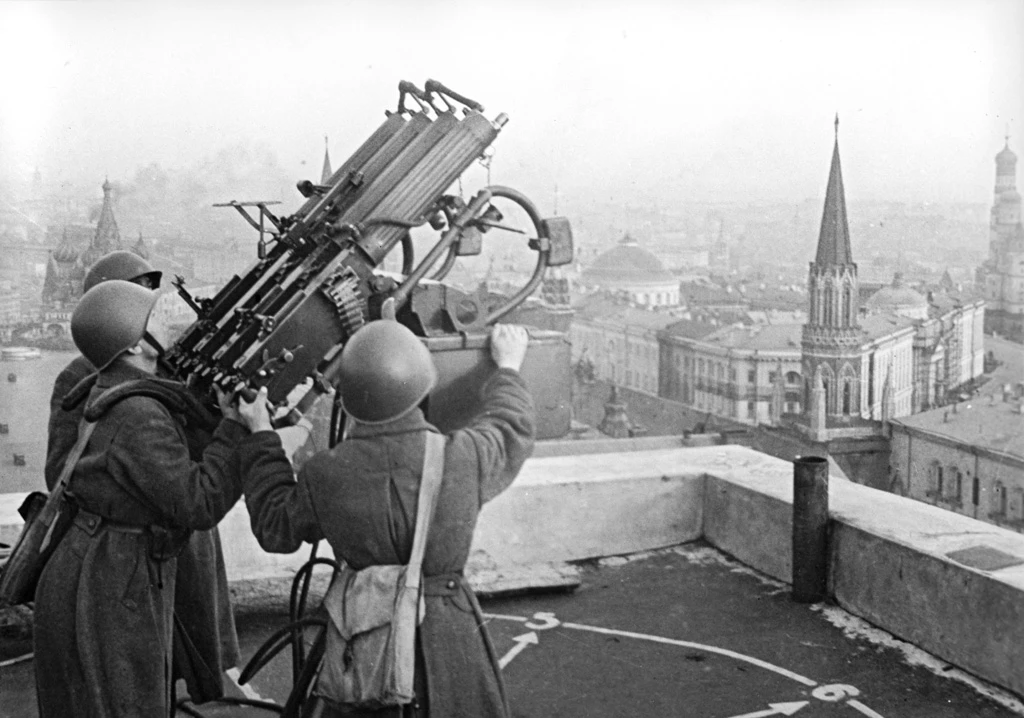
The physics student evacuated from Moscow
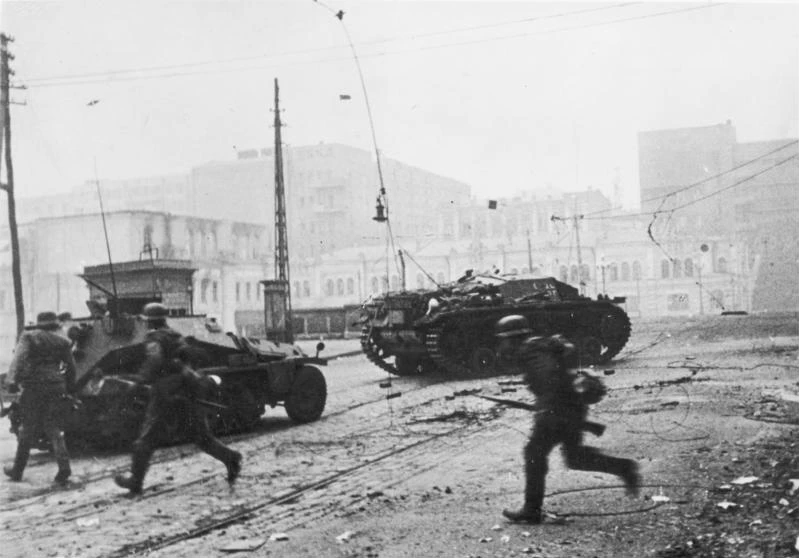
Soviet Sappers at Kharkov
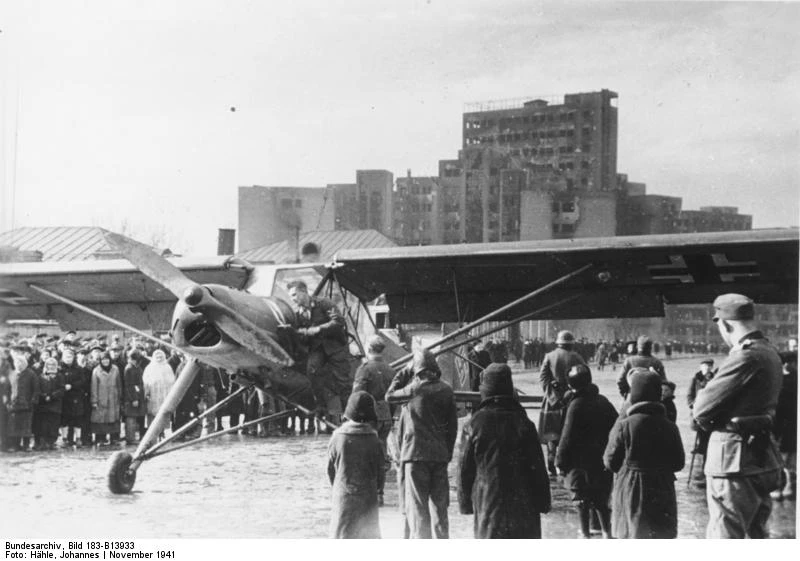
The Kharkov worker facing the dismantling of the tank factory
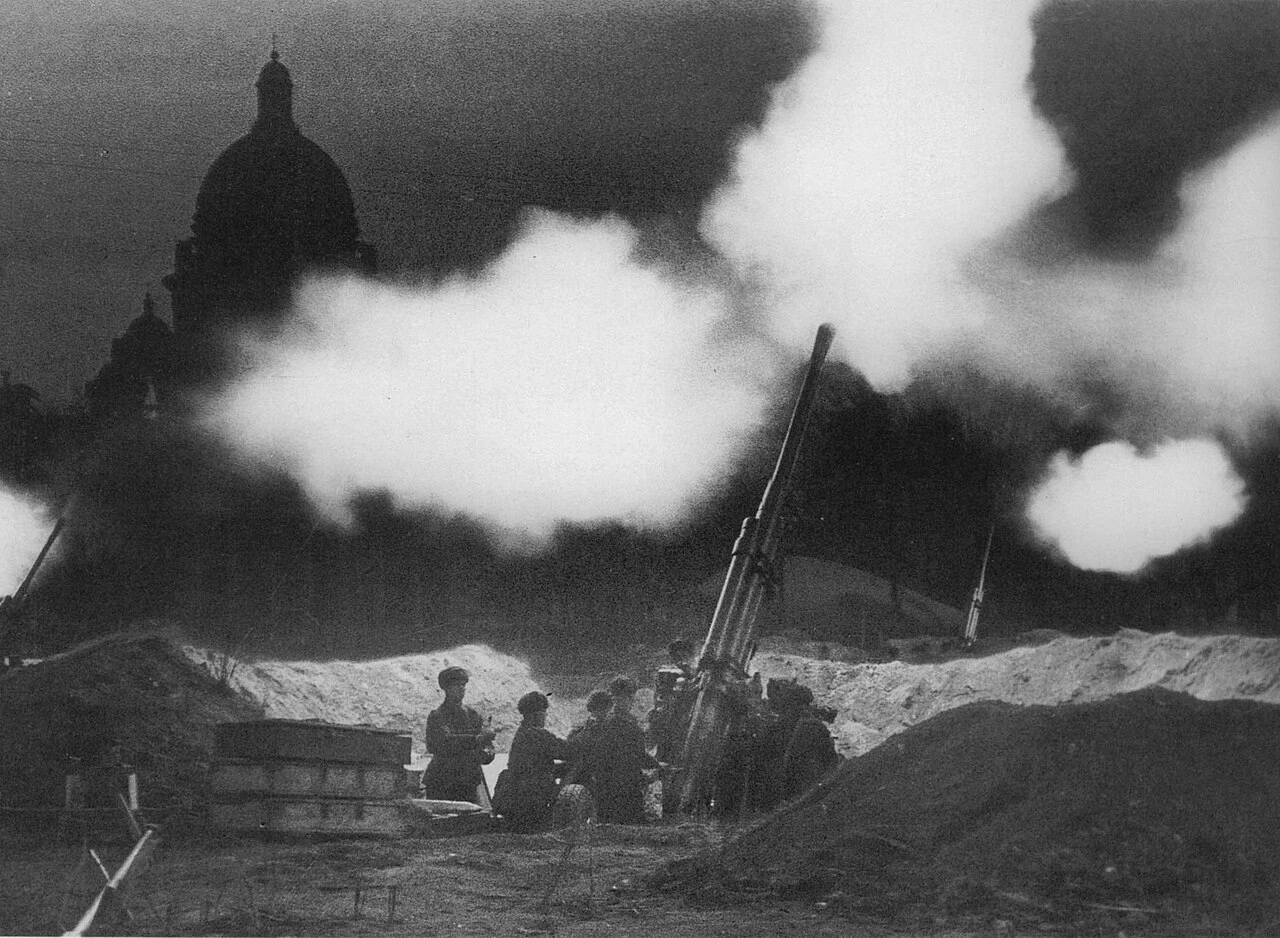
The Kirov Plant Under the Shells

The Kharkov railwayman and the Reichsbahn
The black hole of the Atlantic, October 1941
The Donbass Is About to Fall — What to Do With the Basin?
Harriman in Moscow, Face to Face with Stalin
Dismantling a Nation
Ten thousand tanks, and nothing on paper
The physics student evacuated from Moscow
Soviet Sappers at Kharkov
The Kharkov worker facing the dismantling of the tank factory
The Kirov Plant Under the Shells
The Kharkov railwayman and the Reichsbahn