
On the Eve of Pearl Harbor, a Decision in the Shadows
In the autumn of 1941, heads the Office of Scientific Research and Development. The British MAUD report, transmitted a few weeks earlier, asserts that a uranium bomb is technically feasible and could weigh on the war. The U.S. National Academy of Sciences has just confirmed its conclusions.
Bush and his deputy fear that Germany may already be committed to the same path. The question is no longer whether a bomb is possible, but how quickly the United States should devote itself to it.
Bush must advise the president. Should they bide their time to refine the research, launch a large-scale industrial effort without delay, or make the program contingent on close cooperation with London?
In the autumn of 1941, as the British MAUD report concludes that an atomic bomb is feasible, what pace does Bush recommend to Roosevelt for the American program?
Bush recommends pressing ahead resolutely. As early as the autumn of 1941, Roosevelt agrees to push the program forward, and the decision is sealed on the eve of Pearl Harbor: the project is placed under Bush's authority and oriented toward a very large-scale effort. After the country's entry into the war, this impetus would lead to the Manhattan Engineer District, entrusted to General , who would transform the research into a gigantic industrial enterprise.
Learn more about this event
Related polls
10
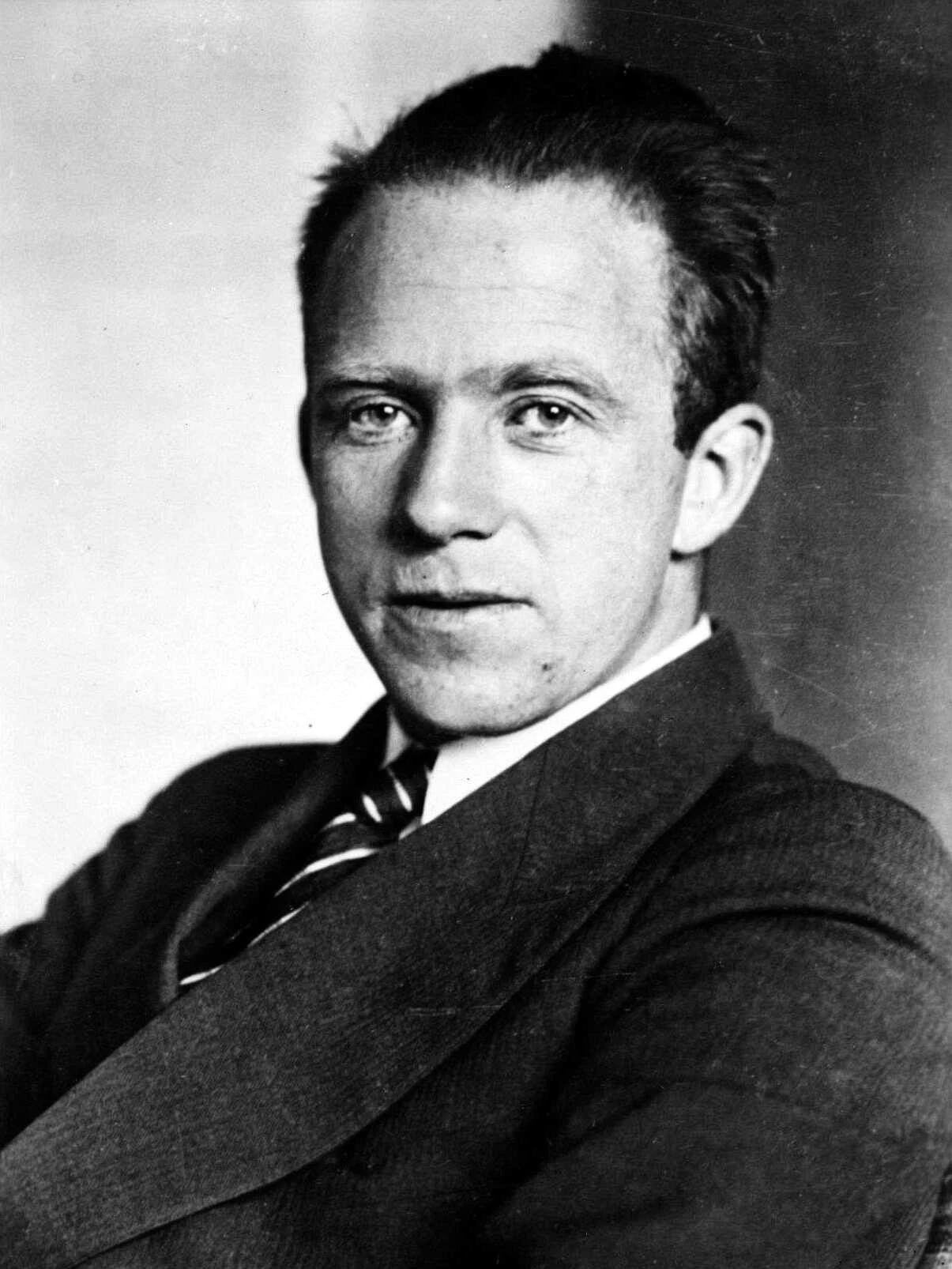
The German "Uranverein": a priority refused
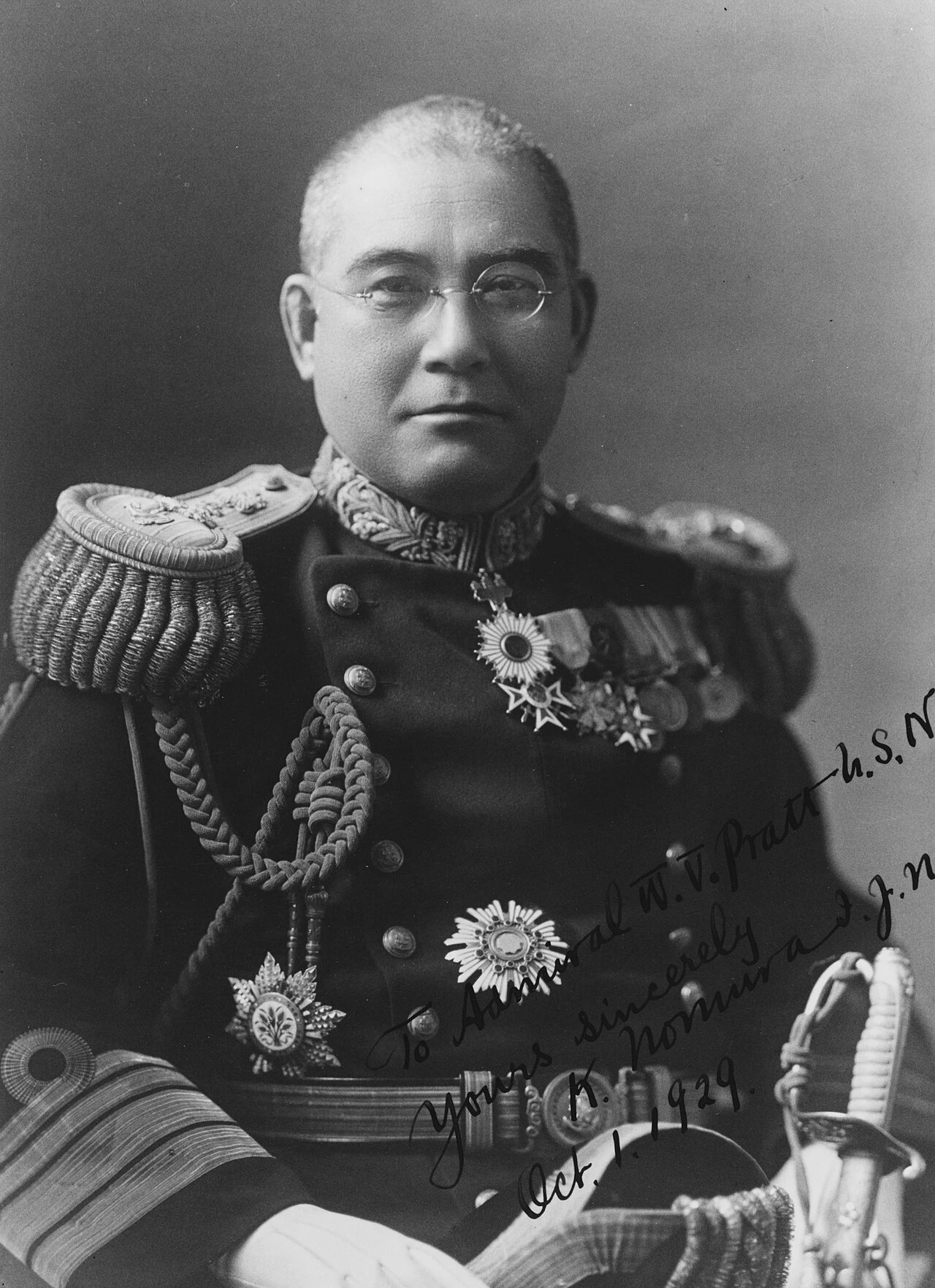
Nomura and the Hull Note: Diplomacy on the Brink

Kaiser, the Rivet and the Electric Arc
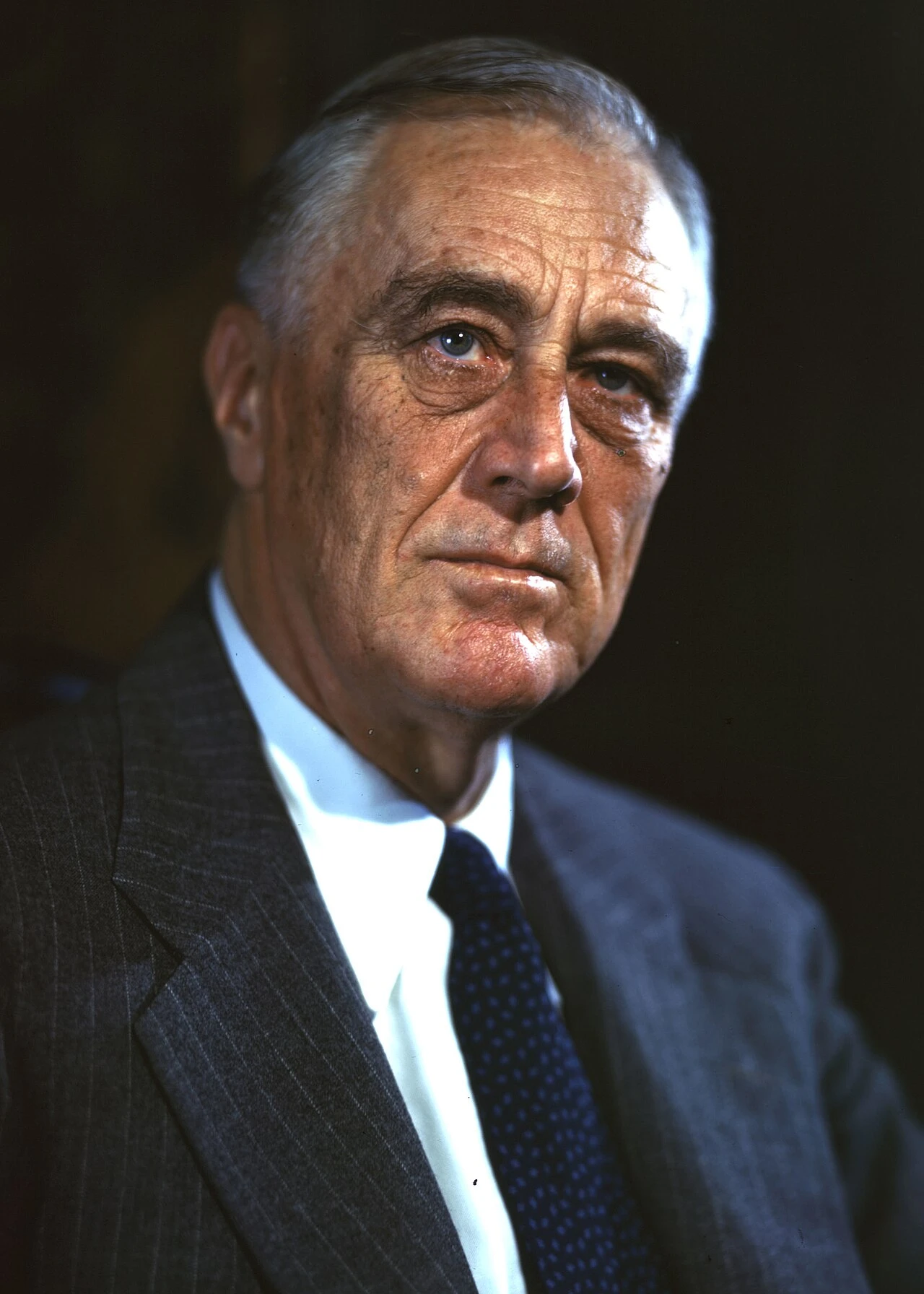
Roosevelt and the Japanese assets
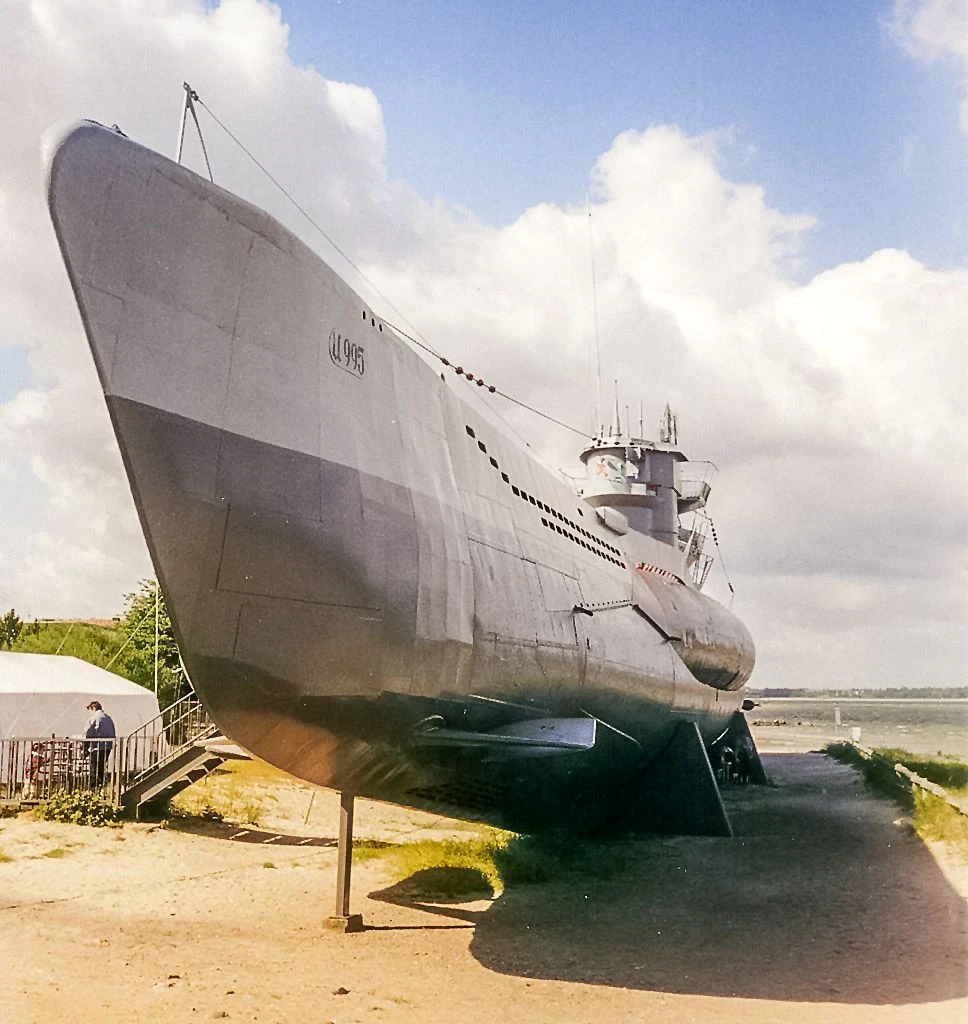
Dönitz at Sengwarden — the winter pause
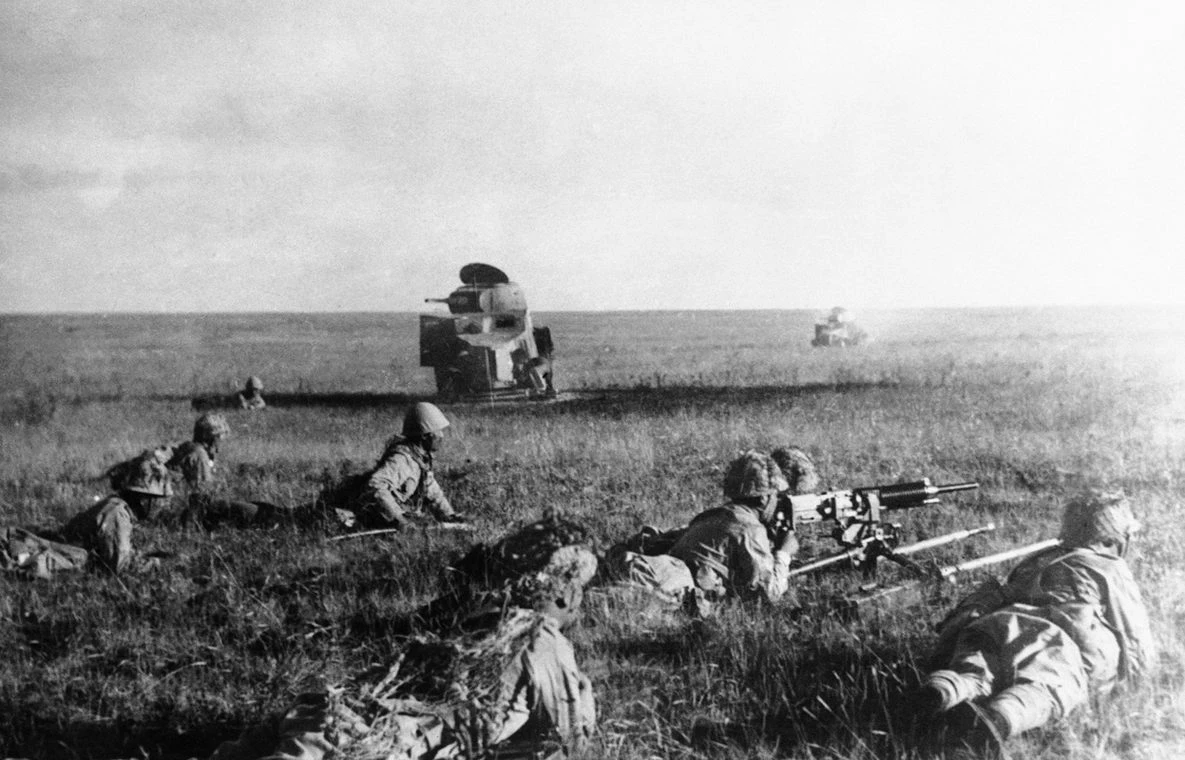
Kharkiv 1939 — track or wheel?
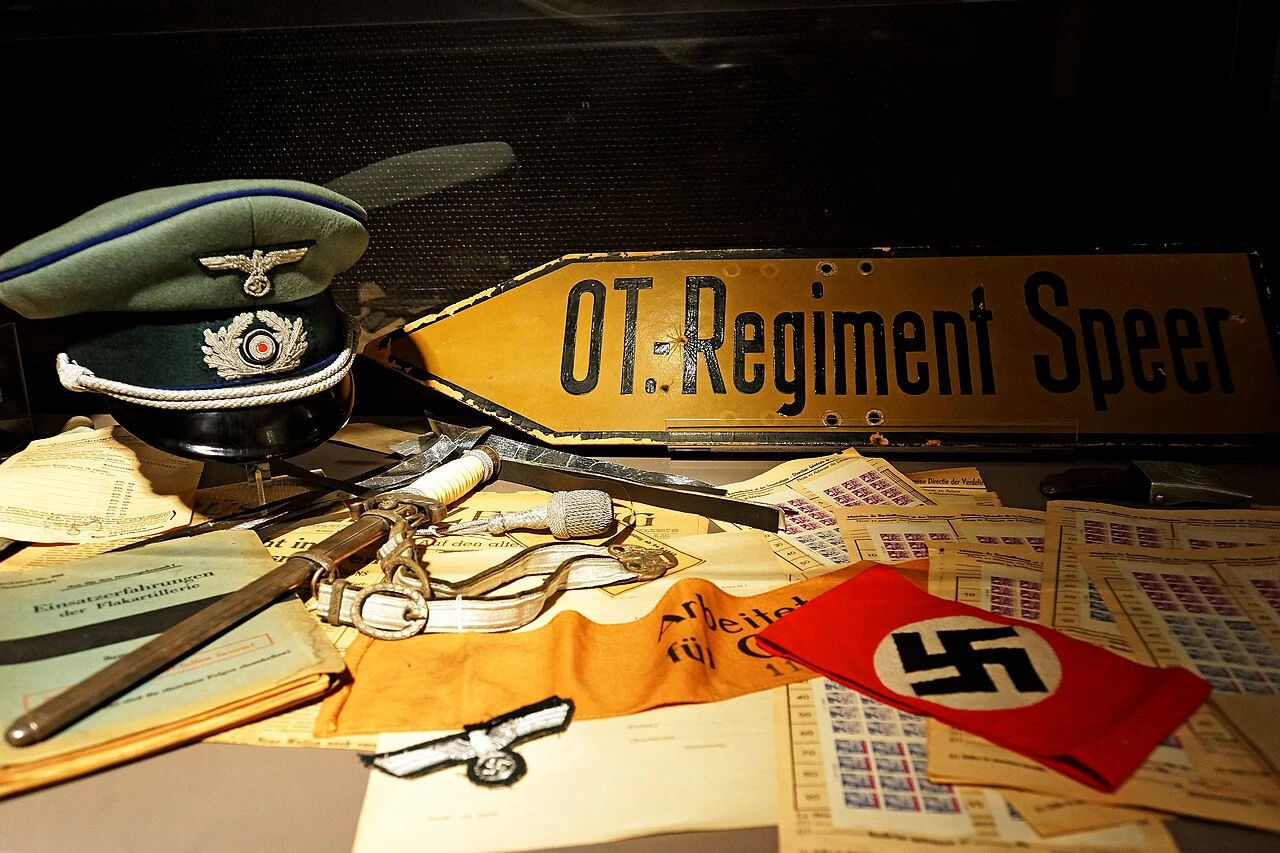
The Reich's Concrete Against the Sea
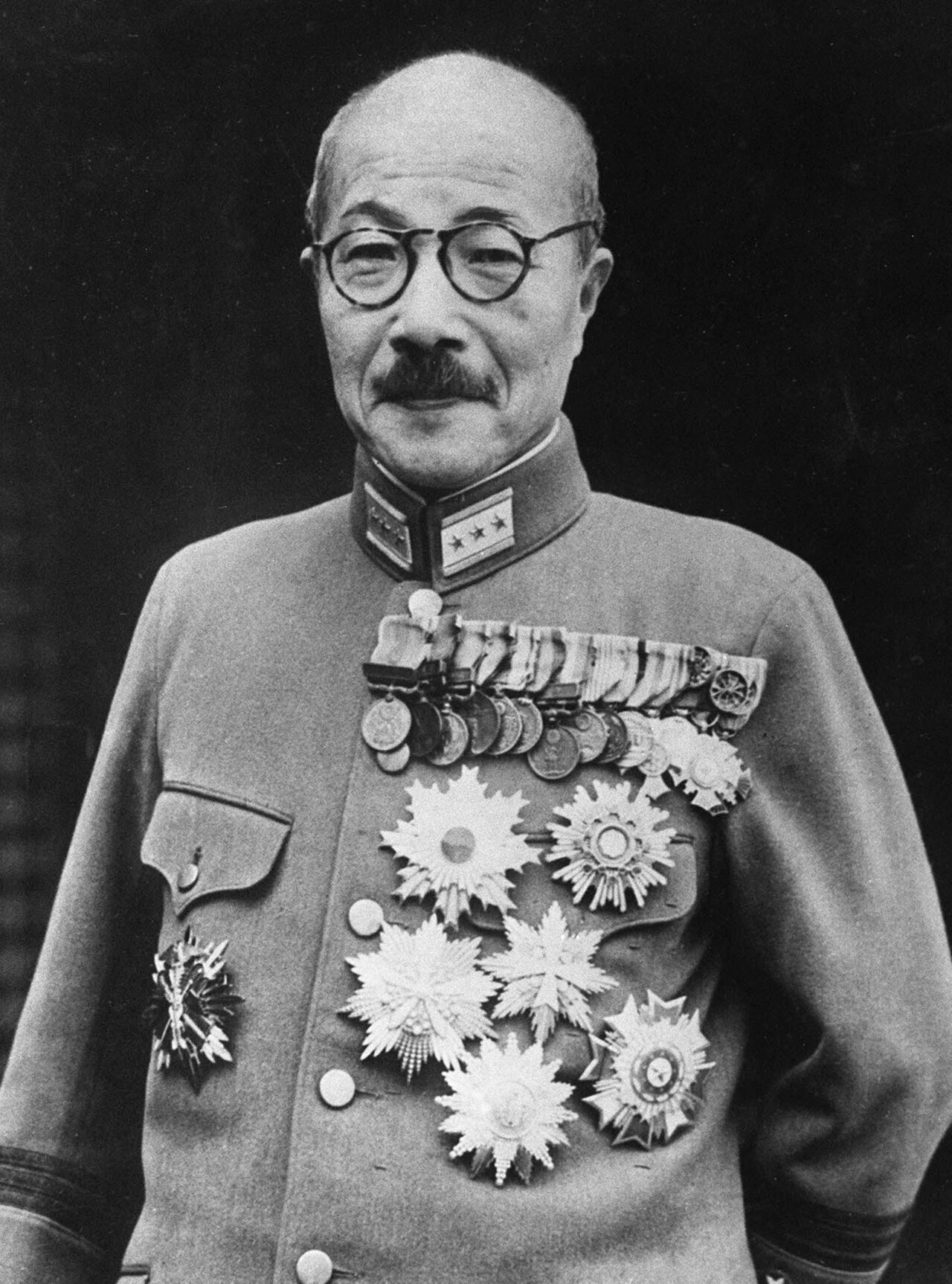
Japan and the Southern Resource Zone
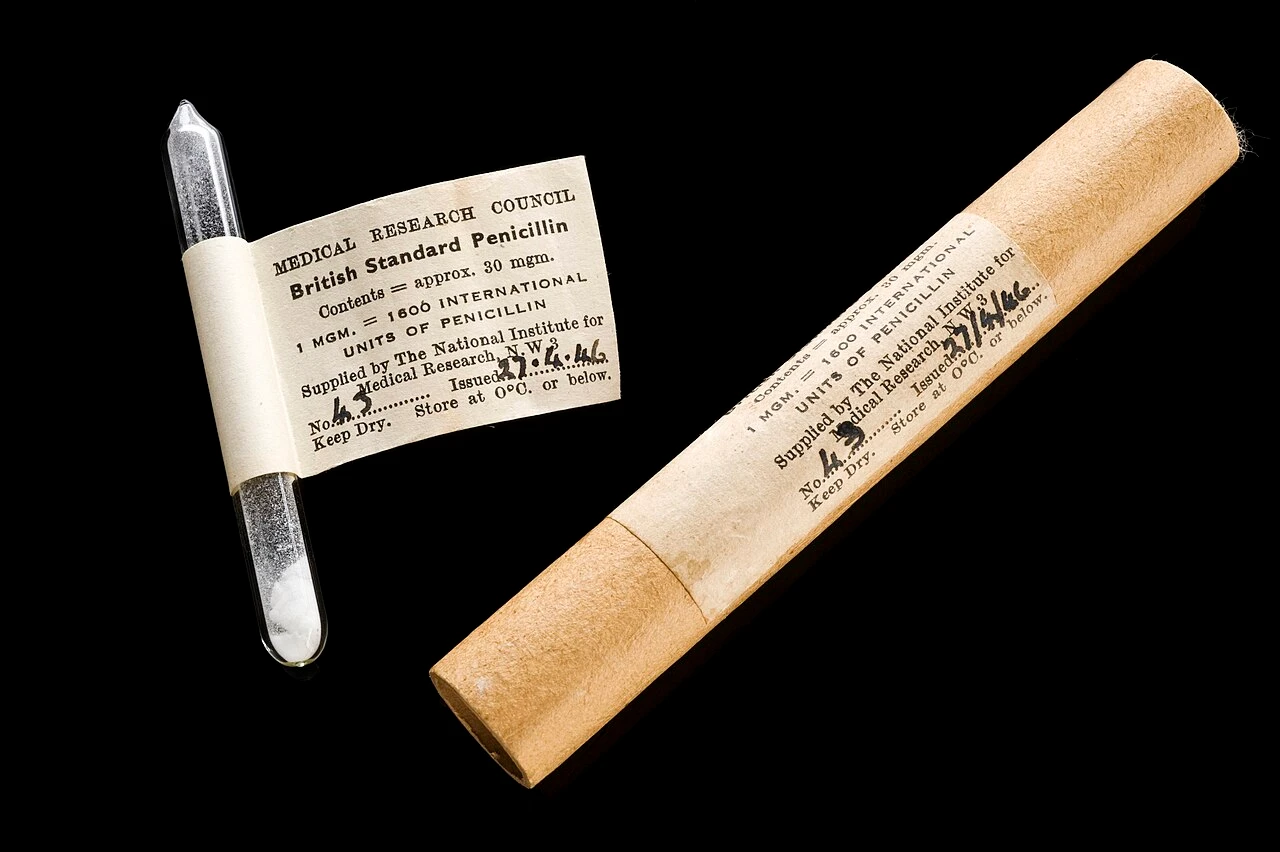
Rationing Penicillin

The Einstein-Szilárd Letter
The German "Uranverein": a priority refused
Nomura and the Hull Note: Diplomacy on the Brink
Kaiser, the Rivet and the Electric Arc
Roosevelt and the Japanese assets
Dönitz at Sengwarden — the winter pause
Kharkiv 1939 — track or wheel?
The Reich's Concrete Against the Sea
Japan and the Southern Resource Zone
Rationing Penicillin