
The Oil of the Indies That Tokyo Demands
, jurist and senior colonial official, heads Economic Affairs of the Netherlands East Indies and leads the delegation negotiating with Tokyo. Above him, Governor-General administers from Batavia an archipelago that produces one of the rare great oil deposits of Asia.
Since the fall of the Netherlands in May 1940, the colony has been orphaned of its metropole, with no fleet or army capable of resisting a great power. Yet Japan, engaged in China and deprived of the American crude that is growing scarce, has made Indonesian oil, according to its envoy, "a matter of life or death".
On 12 September 1940, a delegation of twenty-four Japanese led by Minister disembarks at Batavia. Tokyo demands 3,750,000 tons of petroleum products per year, nearly half the production of the Indies — far beyond the some 570,000 tons delivered in 1939. Six senior officers accompany the mission. England presses the Dutch to block everything; the United States observes.
Van Mook knows that a flat refusal could serve as a pretext for a Japanese descent on the wells, that a capitulation would arm the Japanese war machine, and that the least barrel ceded will be read in Washington as in Tokyo. On the table, the figures swing.
Under pressure from Tokyo and the eye of London, what does Van Mook decide about the oil that Japan demands from the Netherlands East Indies?
Van Mook chose A: the oil companies of the Indies (Bataafsche Petroleum, a Shell subsidiary, and Standard-Vacuum) agreed to sell Japan about 1,800,000 tons a year — less than half the 3.75 million demanded — a large part of it for six months only. Kobayashi, who had at first accepted this compromise, was recalled to Tokyo as early as 2 October 1940; a new envoy, , took up talks that bogged down. The conceded quota remained a calculated minimum: enough not to offer an immediate casus belli, too little to satisfy the Japanese appetite. The Indies would notably refuse aviation spirit. This muted resistance would hold until the summer of 1941; the freezing of Japanese assets and the embargo would put an end to it, and Japan would then decide to take by arms the oil that was being meted out to it.
Learn more about this event
Related polls
10
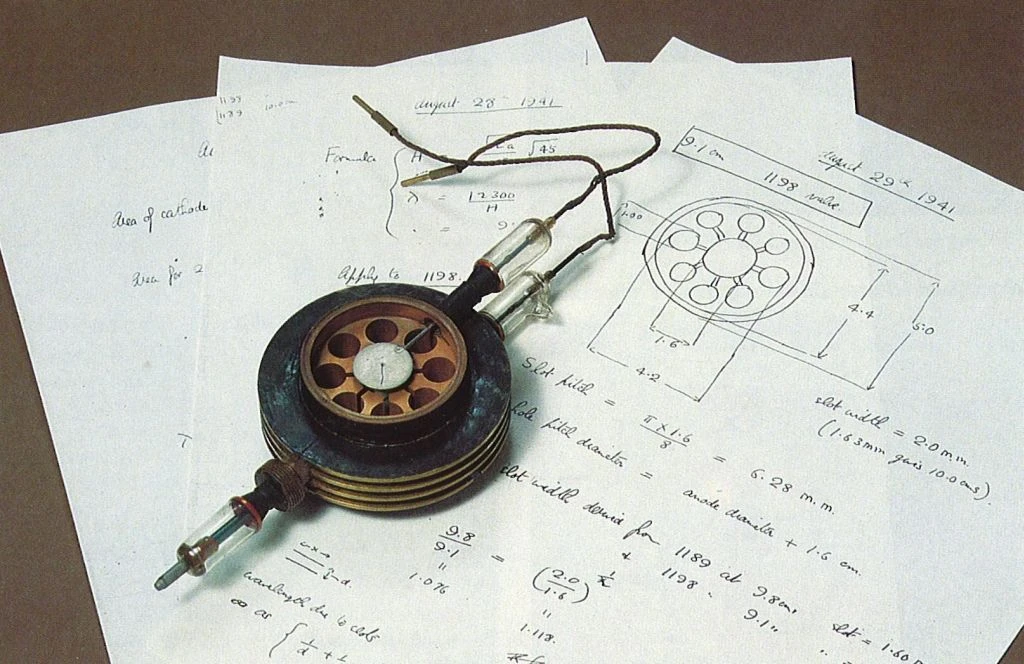
The Tizard Mission's Trunk for America
Buy Each for Themselves or with a Single Voice
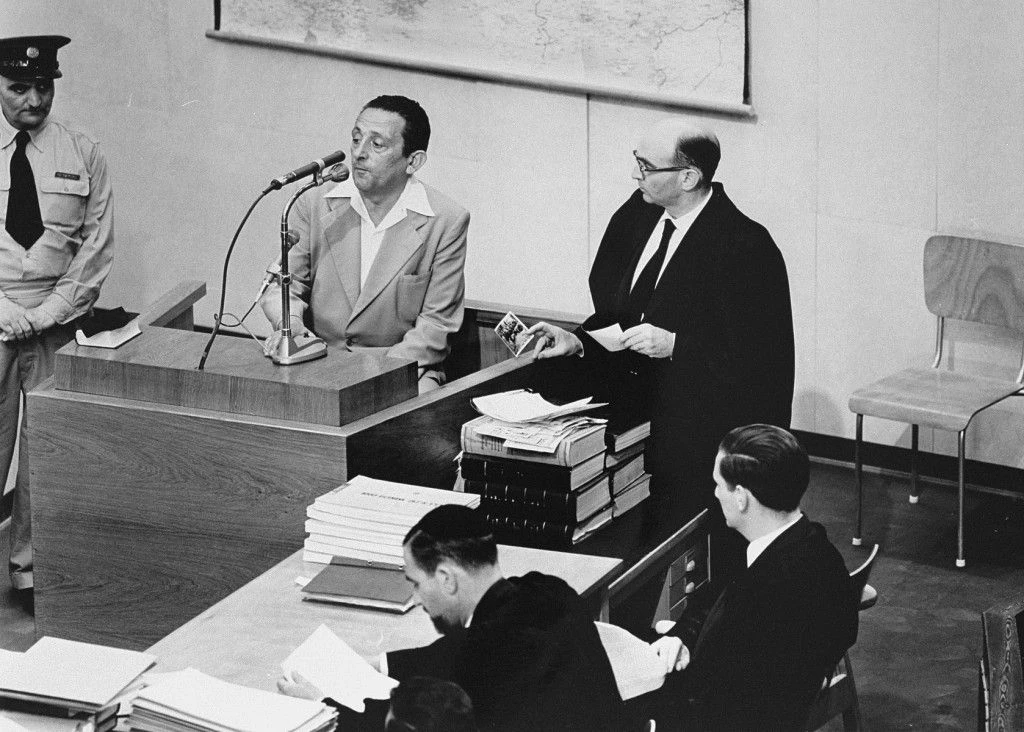
Biebow at Litzmannstadt — 8 February
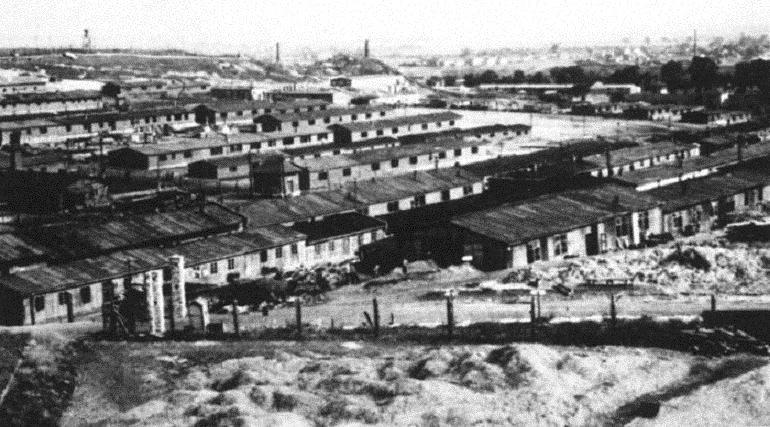
The Upper Silesian Pole Subjected to Forced Labour
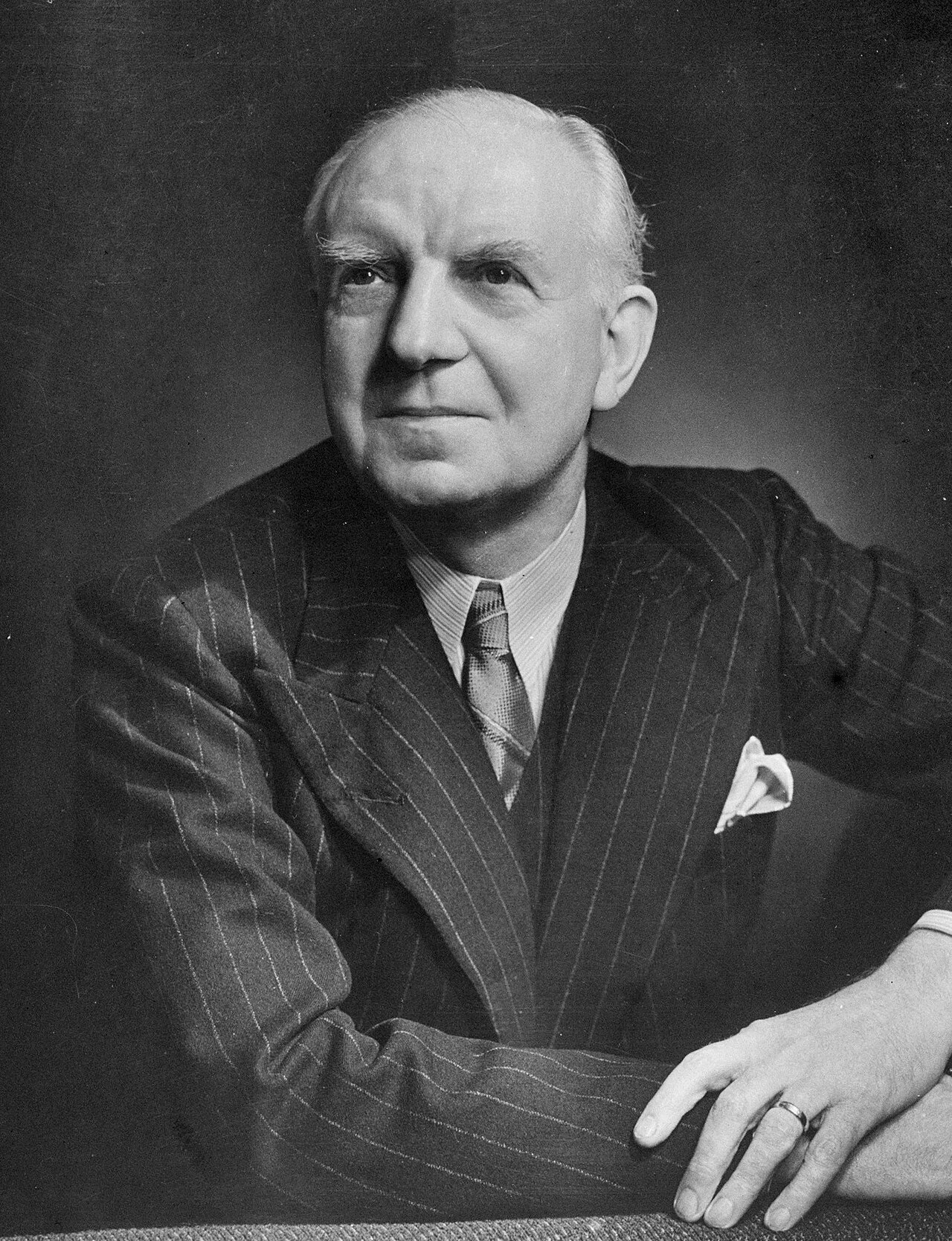
British rationing put to the test in 1941
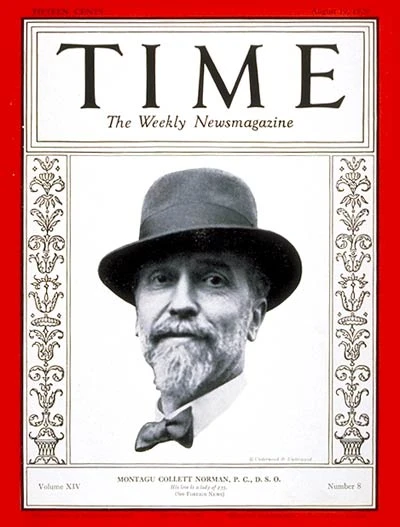
The Gold of the Bank of Poland — the destination of the SS Eocene
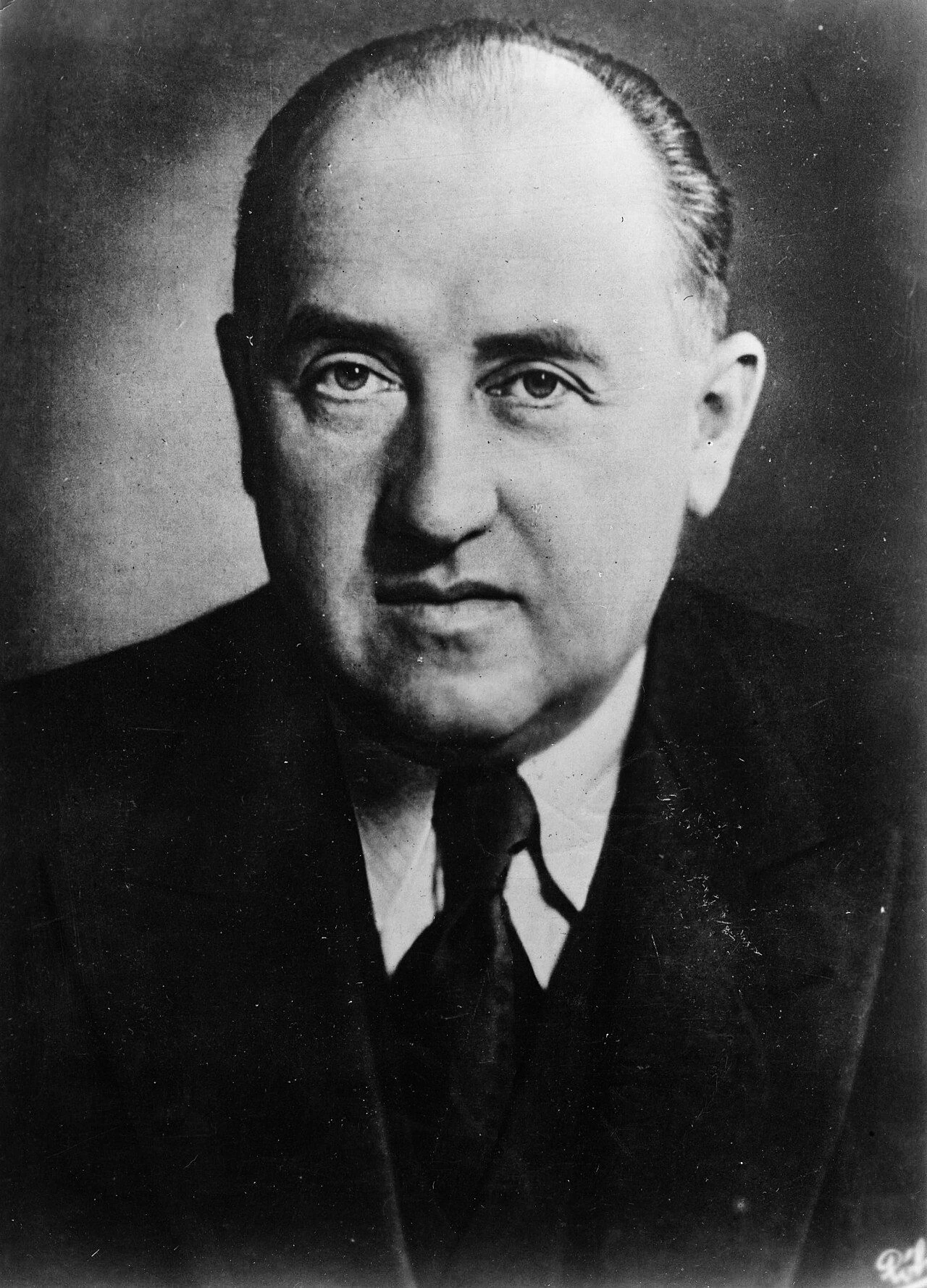
The Czech Gold
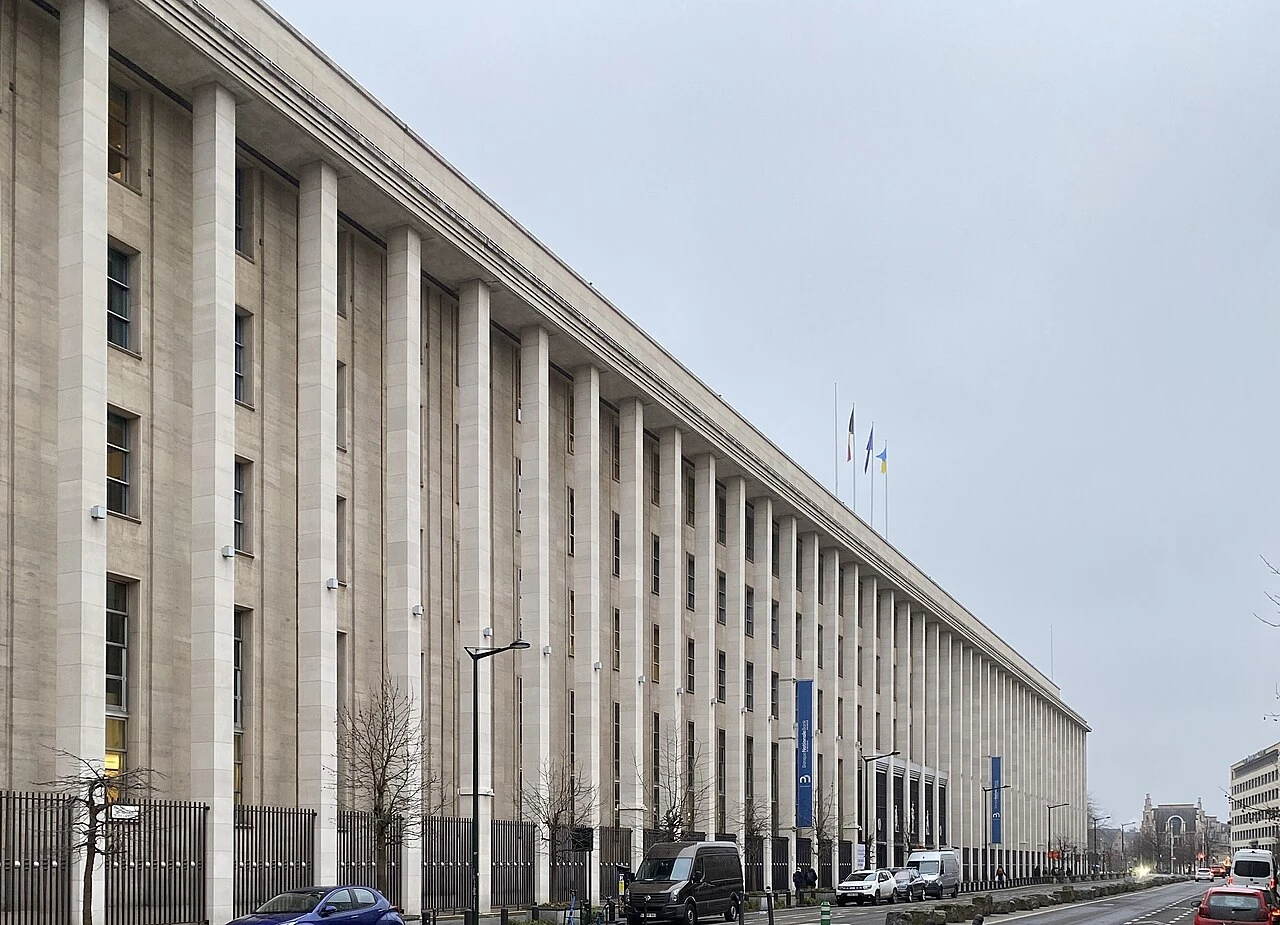
Forty tonnes of gold trapped at Ostend
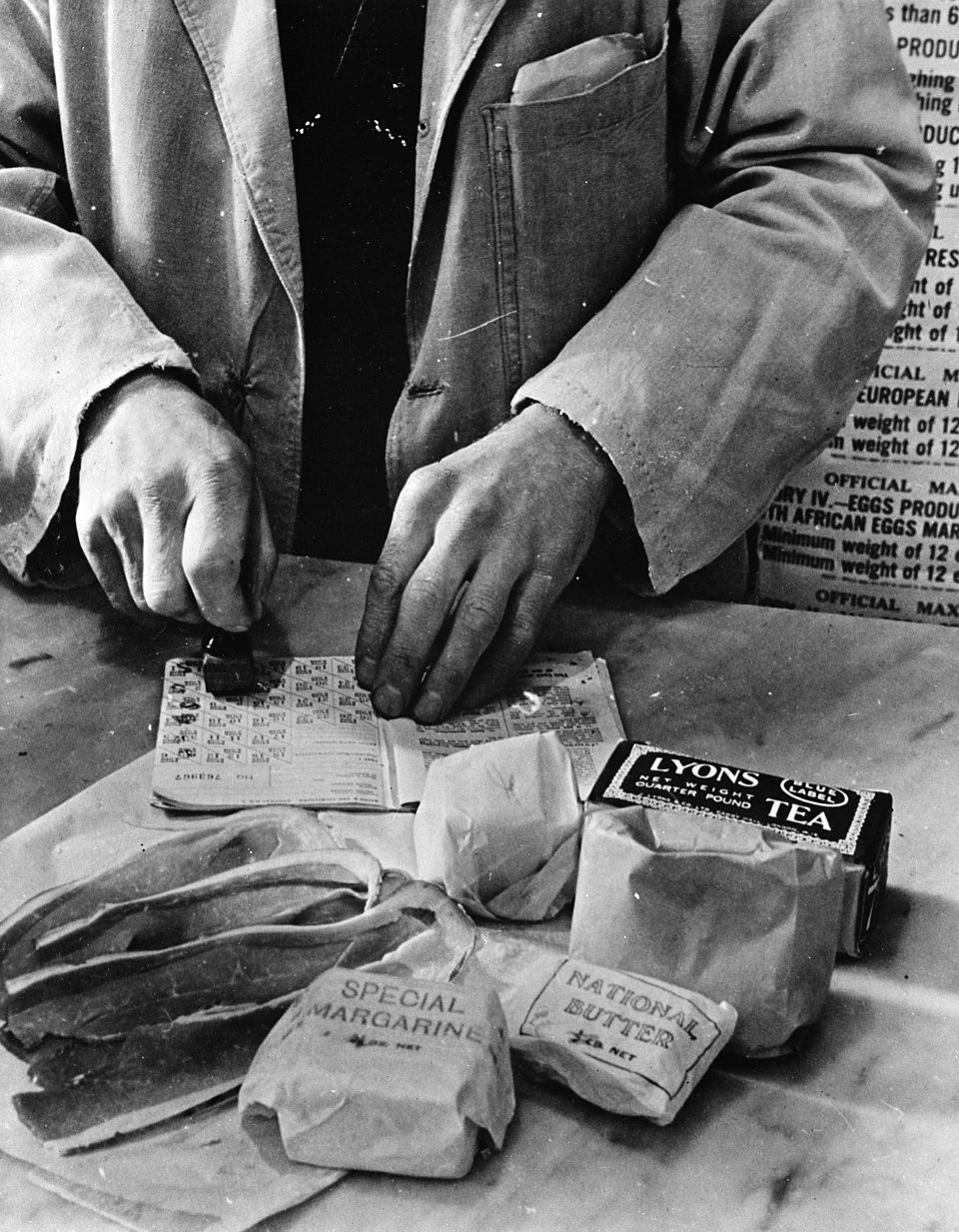
British rationing — Morrison and the principle

Selling to Both Sides
The Tizard Mission's Trunk for America
Buy Each for Themselves or with a Single Voice
Biebow at Litzmannstadt — 8 February
The Upper Silesian Pole Subjected to Forced Labour
British rationing put to the test in 1941
The Gold of the Bank of Poland — the destination of the SS Eocene
The Czech Gold
Forty tonnes of gold trapped at Ostend
British rationing — Morrison and the principle