
Khalkhin Gol — Baïn-Tsagan
In early July 1939, the Japanese go on the offensive at Khalkhin Gol. On the night of 2–3 July, they cross the river to the north and seize Mount Baïn-Tsagan, on the west bank held by the Soviets. If they dig in there and burst into the rear of the Soviet dispositions, Zhukov's entire front risks collapsing.
Zhukov gauges the danger within hours. His armoured brigades are available, but the supporting infantry and the artillery are still far off or in the midst of regrouping. Cautious doctrine would have him wait until he has assembled balanced combined-arms forces before counter-attacking.
But time works against him: every hour left to the Japanese allows them to entrench themselves on the height. Three options present themselves. To launch the tanks alone immediately in an assault on the hill, without waiting for the infantry, at the cost of heavy losses but to seize back the initiative? To wait to regroup a complete combined-arms force, letting the enemy dig in? Or to fall back to establish a new line to the rear? The decision is taken under pressure.
Should Zhukov throw his tanks alone against Baïn-Tsagan, or wait until he has assembled a balanced force?
Zhukov chooses A: he launches his armoured brigades in a frontal counter-attack on Baïn-Tsagan, without waiting for the infantry, accepting heavy losses in tanks so as not to give the Japanese time to entrench. The gamble pays off: caught under the shock of the armour and the fire of the air force, the Japanese are thrown back across the river at the cost of heavy losses. The battle of Baïn-Tsagan breaks the Japanese offensive on the west bank and confirms Zhukov's style — boldness, mass and the acceptance of risk — which will culminate in the August counter-offensive.
Learn more about this event
Related polls
10
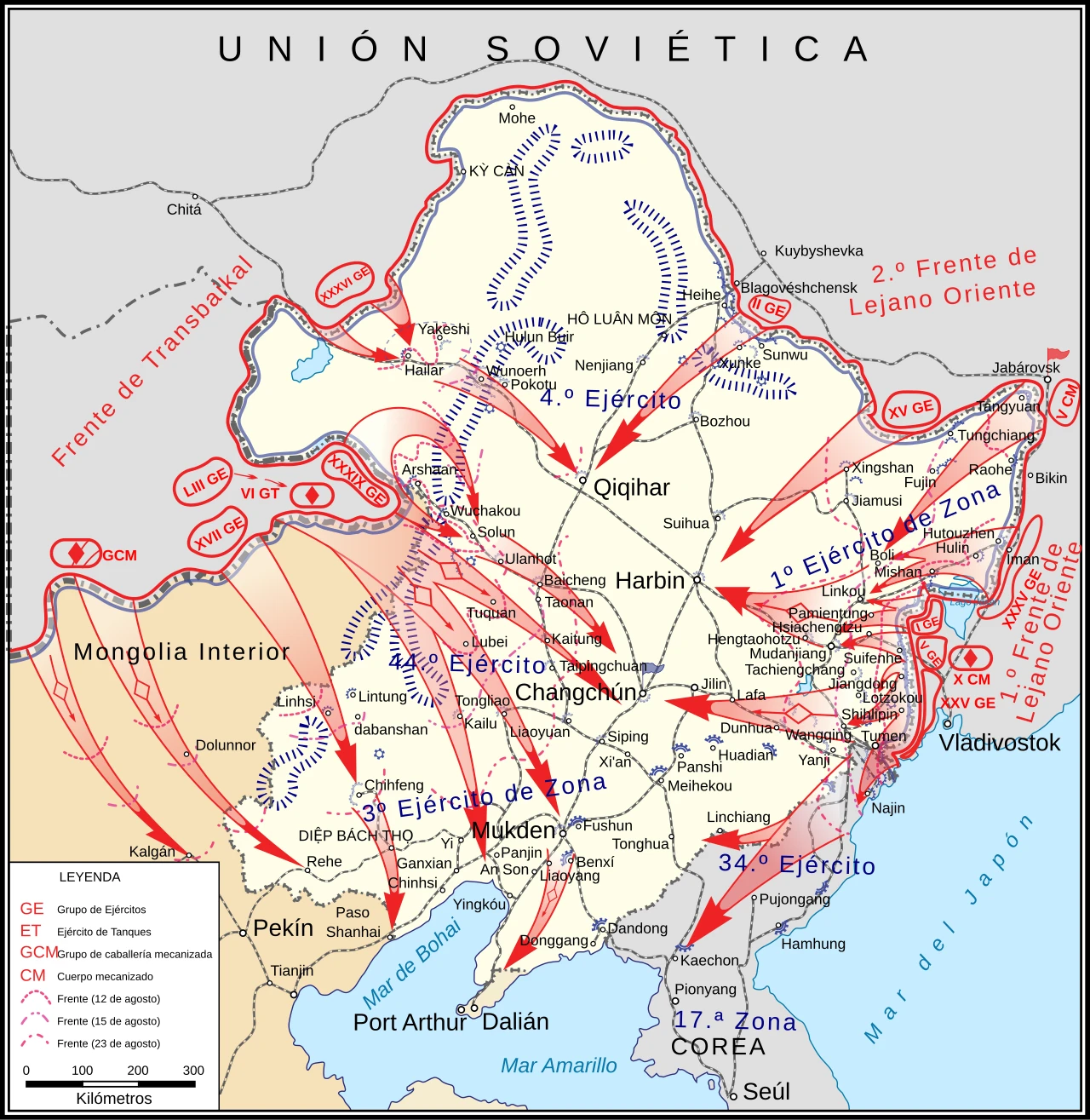
Zhukov Counterattacks
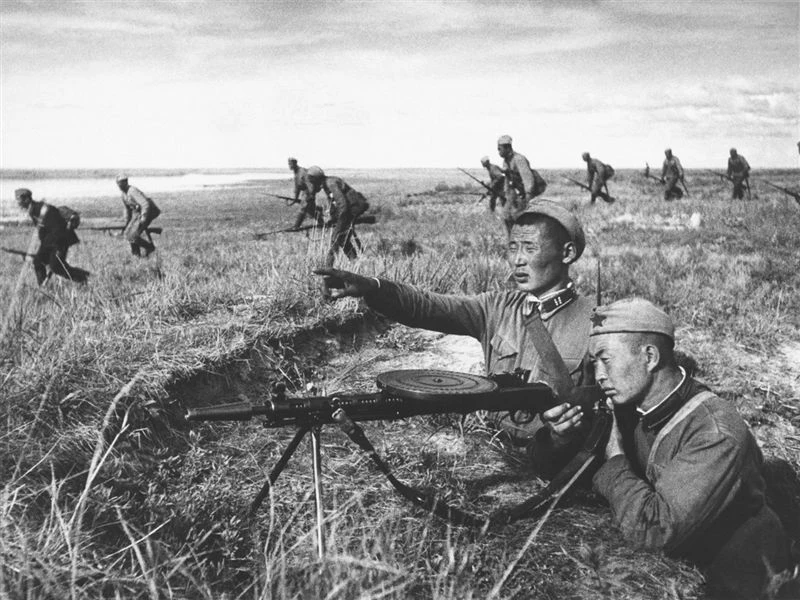
Khalkhin Gol — the First Clash
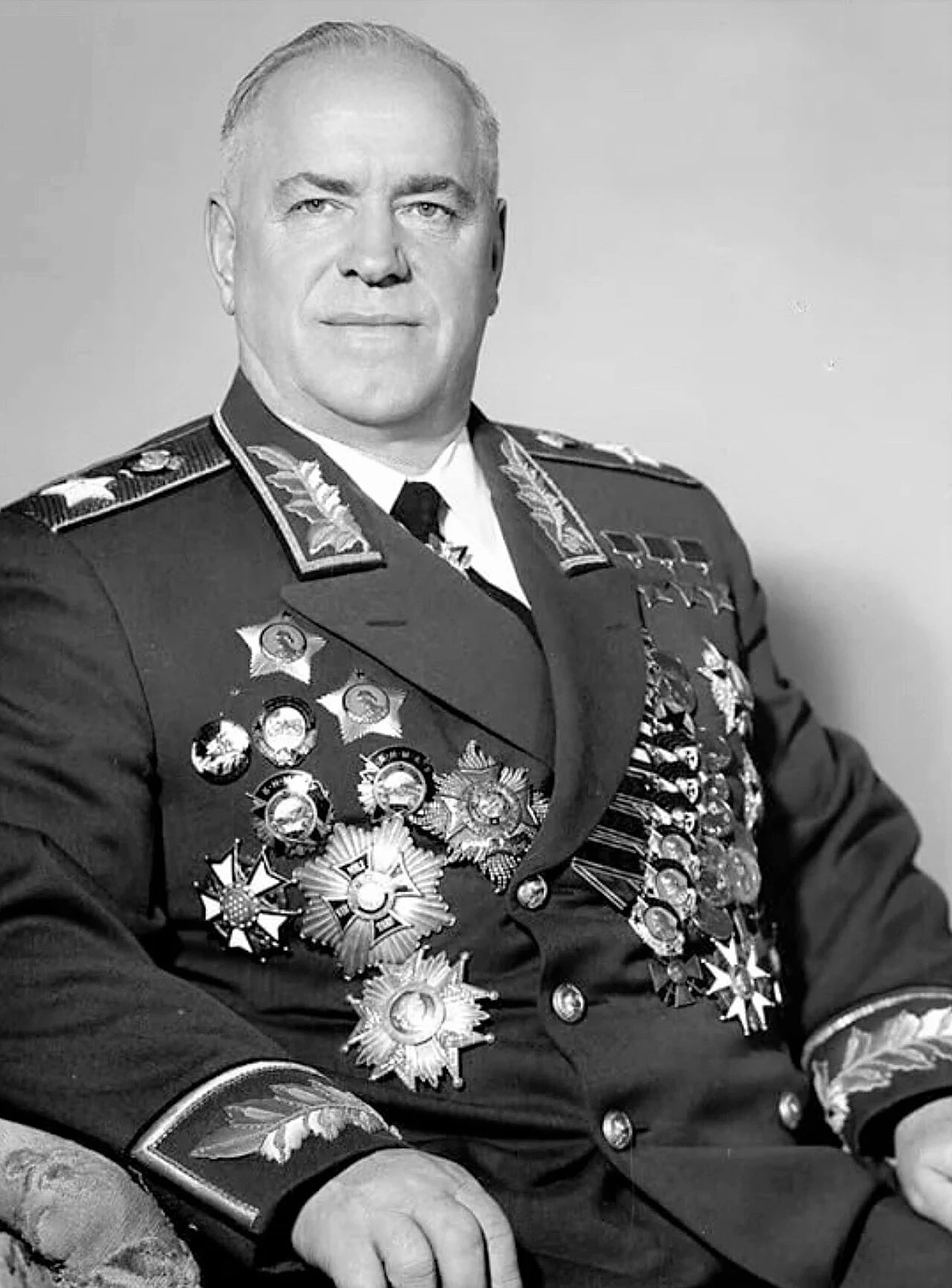
Zhukov Takes Command
The Houx weir
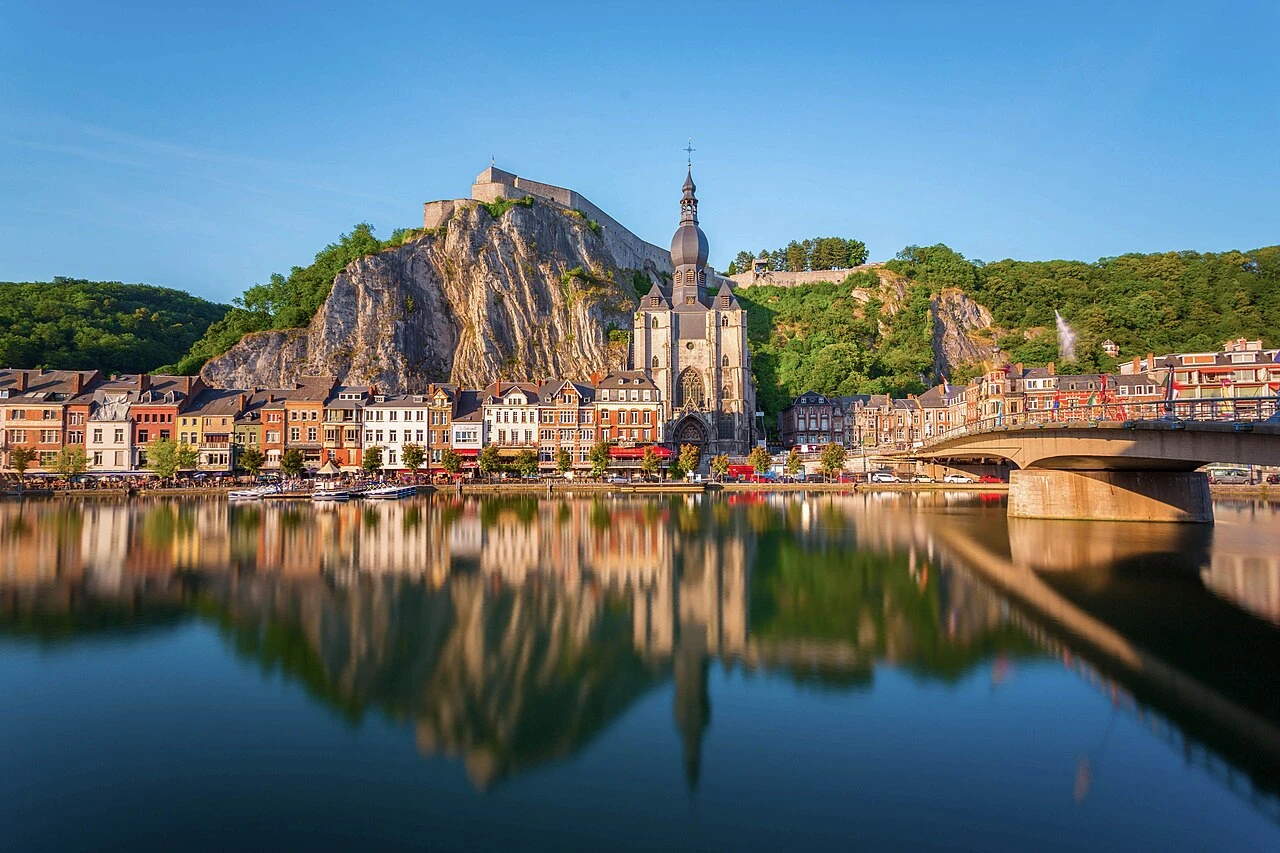
The crossing of the Meuse at Dinant
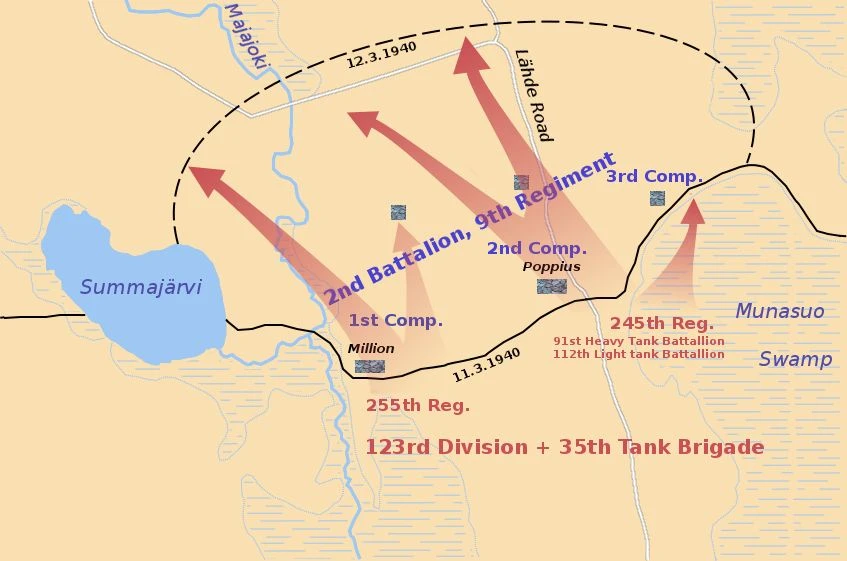
Lähde — Yakovlev against the Mannerheim bolt
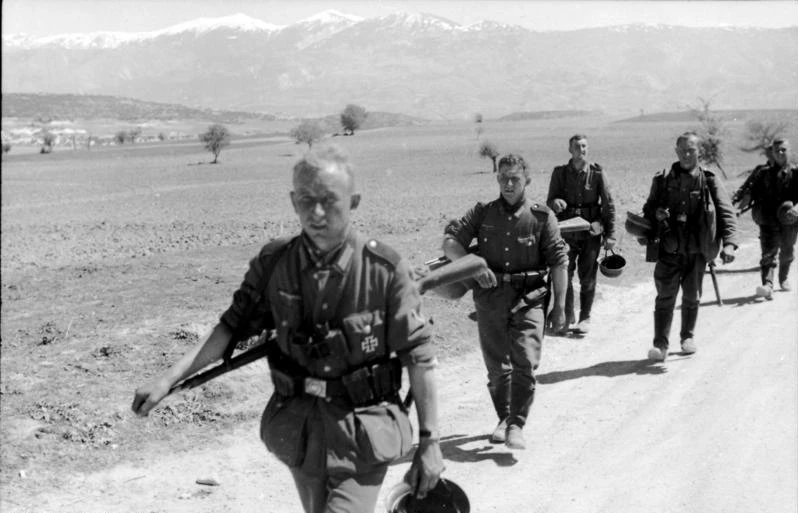
Marita — the invasion of Greece
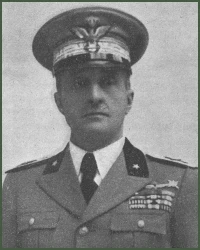
Pintor in the Alps — 21 June
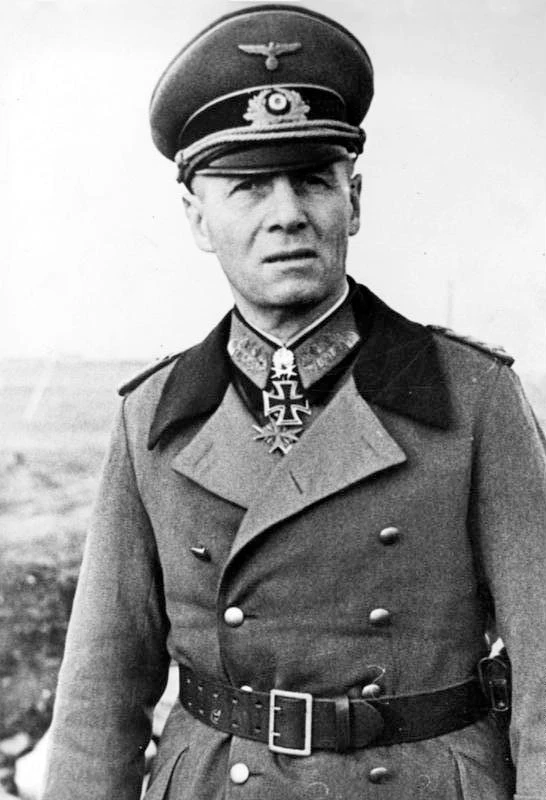
Rommel before the Meuse — Dinant, 13 May
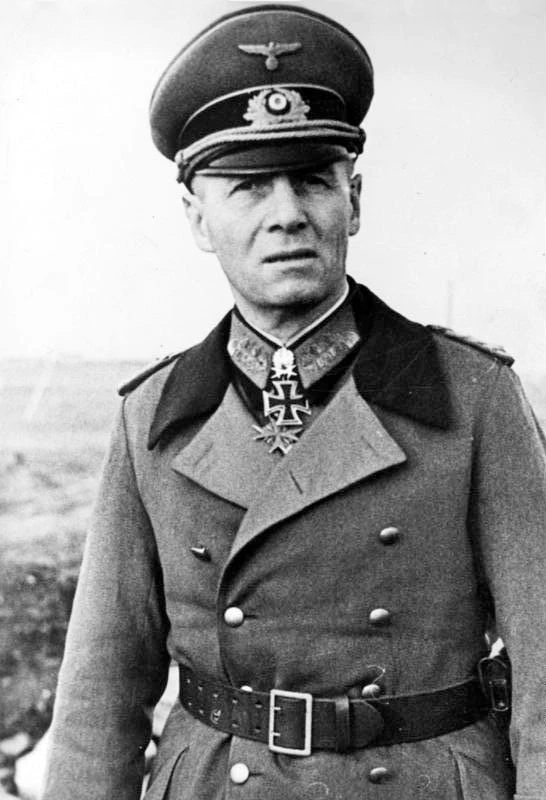
Rommel before the Serre — the Crécy bridge
Zhukov Counterattacks
Khalkhin Gol — the First Clash
Zhukov Takes Command
The Houx weir
The crossing of the Meuse at Dinant
Lähde — Yakovlev against the Mannerheim bolt
Marita — the invasion of Greece
Pintor in the Alps — 21 June
Rommel before the Meuse — Dinant, 13 May