
Metaxas and the torpedoing of the Elli
, 69, a former general trained in Germany, has been President of the Council and master of Greece since the coup that founded the 4th of August Regime in 1936. Authoritarian and German-educated, he has nonetheless always known that Greece's security depended on the British Royal Navy which dominates the Mediterranean.
For months, Mussolini's Italy has multiplied provocations against Athens: hostile press, border incidents in Italian Albania, claims. Tension steadily mounts.
On 15 August 1940, the day of the Dormition of the Virgin, the greatest Orthodox religious feast, thousands of pilgrims throng the harbour of Tinos around the cruiser Elli, sent to honour the ceremony. At 08:25, three torpedoes strike the moored ship: the Elli sinks in the roadstead. Submarine shell fragments recovered on board are Italian — the submarine Delfino is responsible — but Rome fiercely denies any involvement.
Metaxas knows the truth. To strike back is to enter the war against Italy without allies on Greek soil. To stay silent is to swallow the humiliation in order to gain time. He holds the choice of war or peace.
Should one strike back at the torpedoing and enter the war, or remain neutral by concealing Italian responsibility?
Metaxas applies B: he refuses to be drawn by the provocation. The navy's inquiry establishes the Italian origin of the torpedoes, but the government officially conceals the finding so as not to give Rome the pretext for a war Greece is not ready to fight. Athens proceeds only with a partial and discreet mobilisation, while strengthening its defences. The calculation holds until autumn: on 28 October 1940, Mussolini sends Metaxas an ultimatum demanding the entry of Italian troops into Greece. Metaxas replies with a refusal — the famous 'Ochi' ('No') celebrated each year as a national holiday — and war breaks out. The Greek army will push the Italian invasion back into Albania. Metaxas dies on 29 January 1941, before the German intervention. His restraint in August 1940 is still seen as a lucid reprieve won by a country too weak to choose its hour.
Learn more about this event
Related polls
10
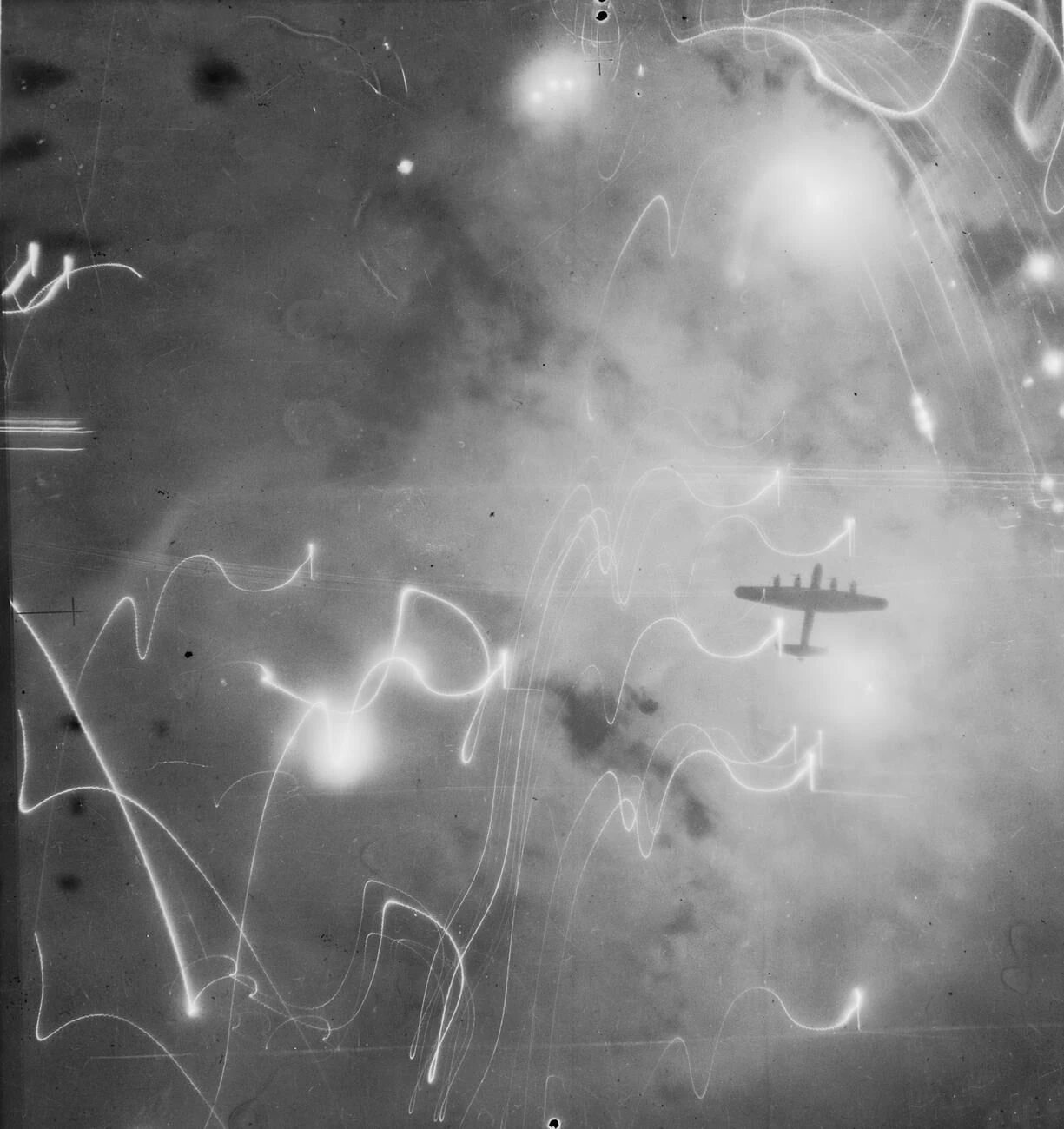
Bombing London — and the reply on Berlin
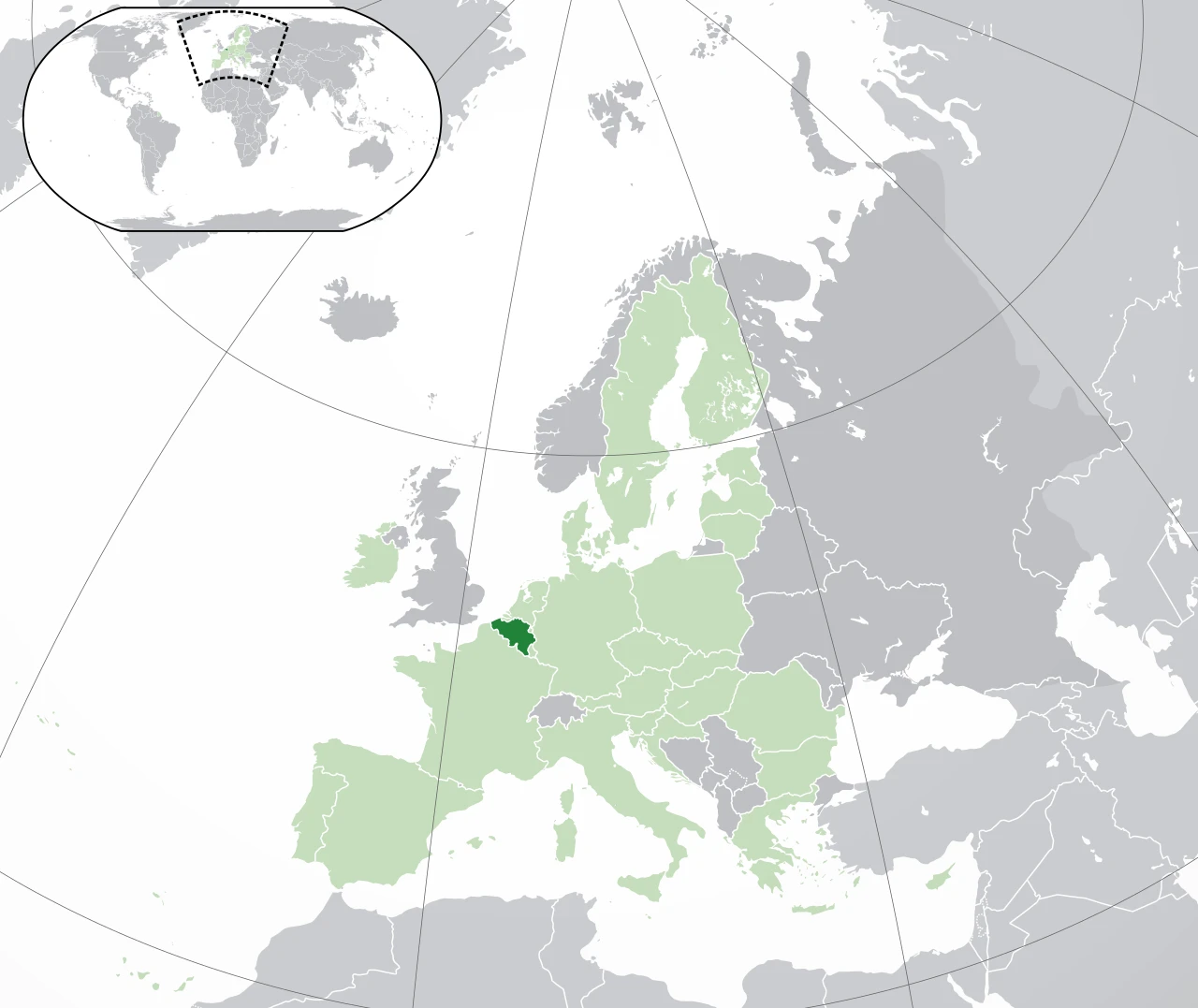
Joining the VNV or Rex
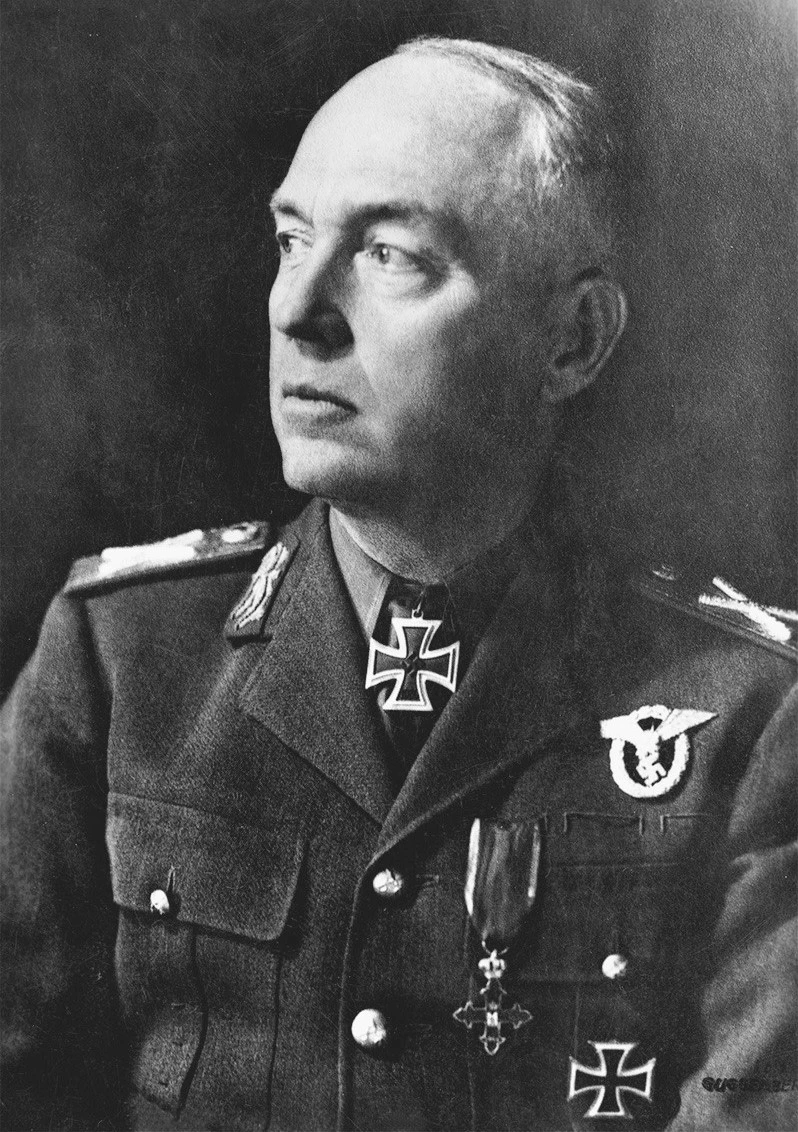
Antonescu and the Iron Guard — Bucharest
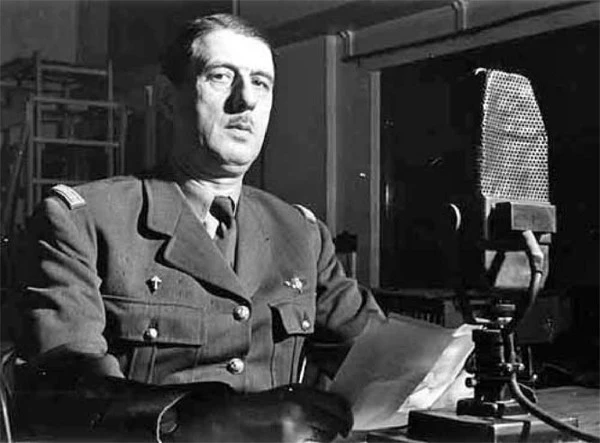
The Appeal of 18 June
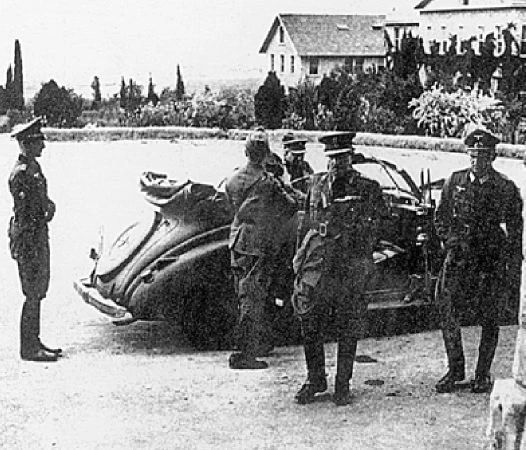
Tsolakoglou and the surrender of the Greek army
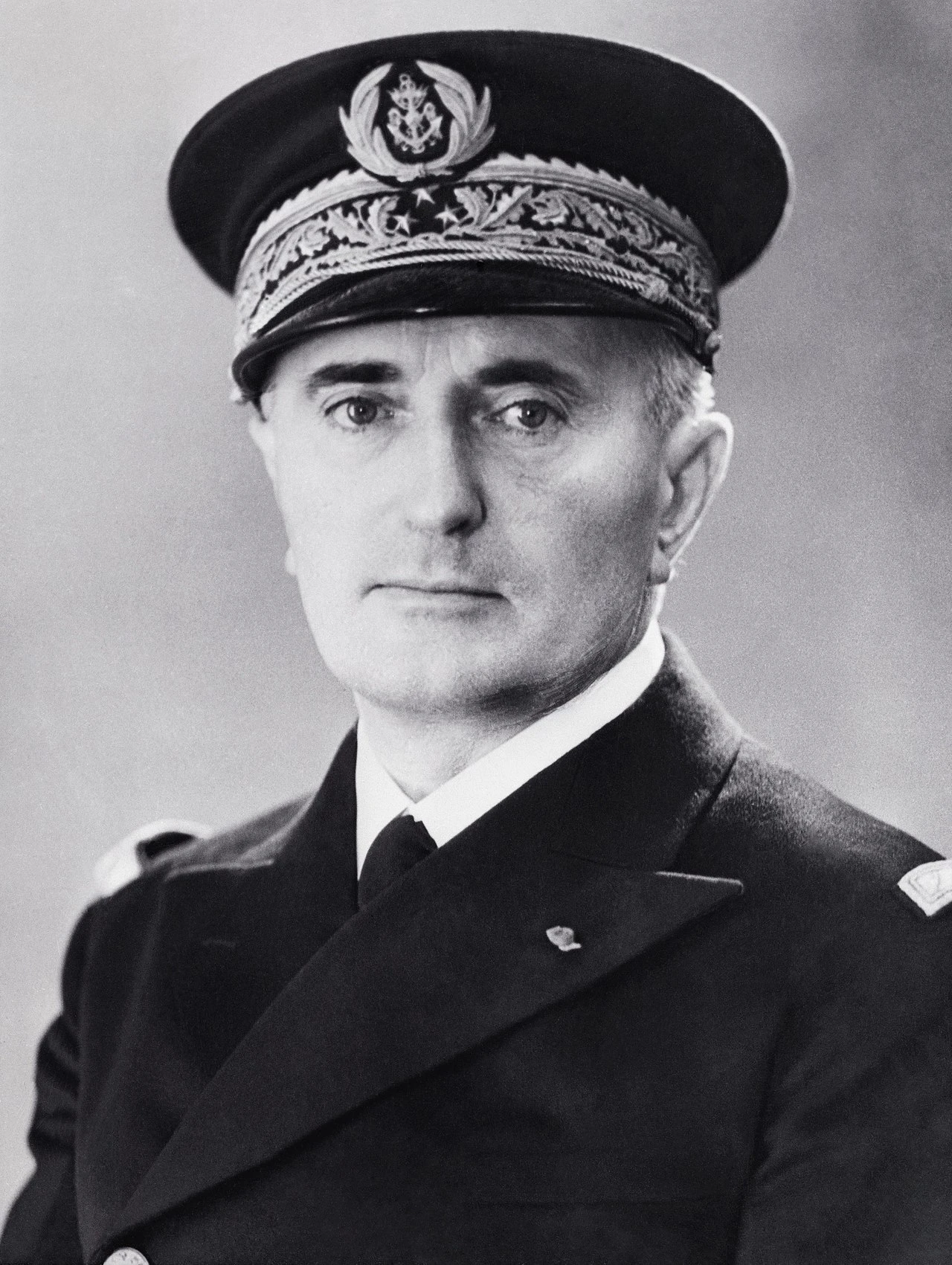
Darlan and the fleet — 20 June
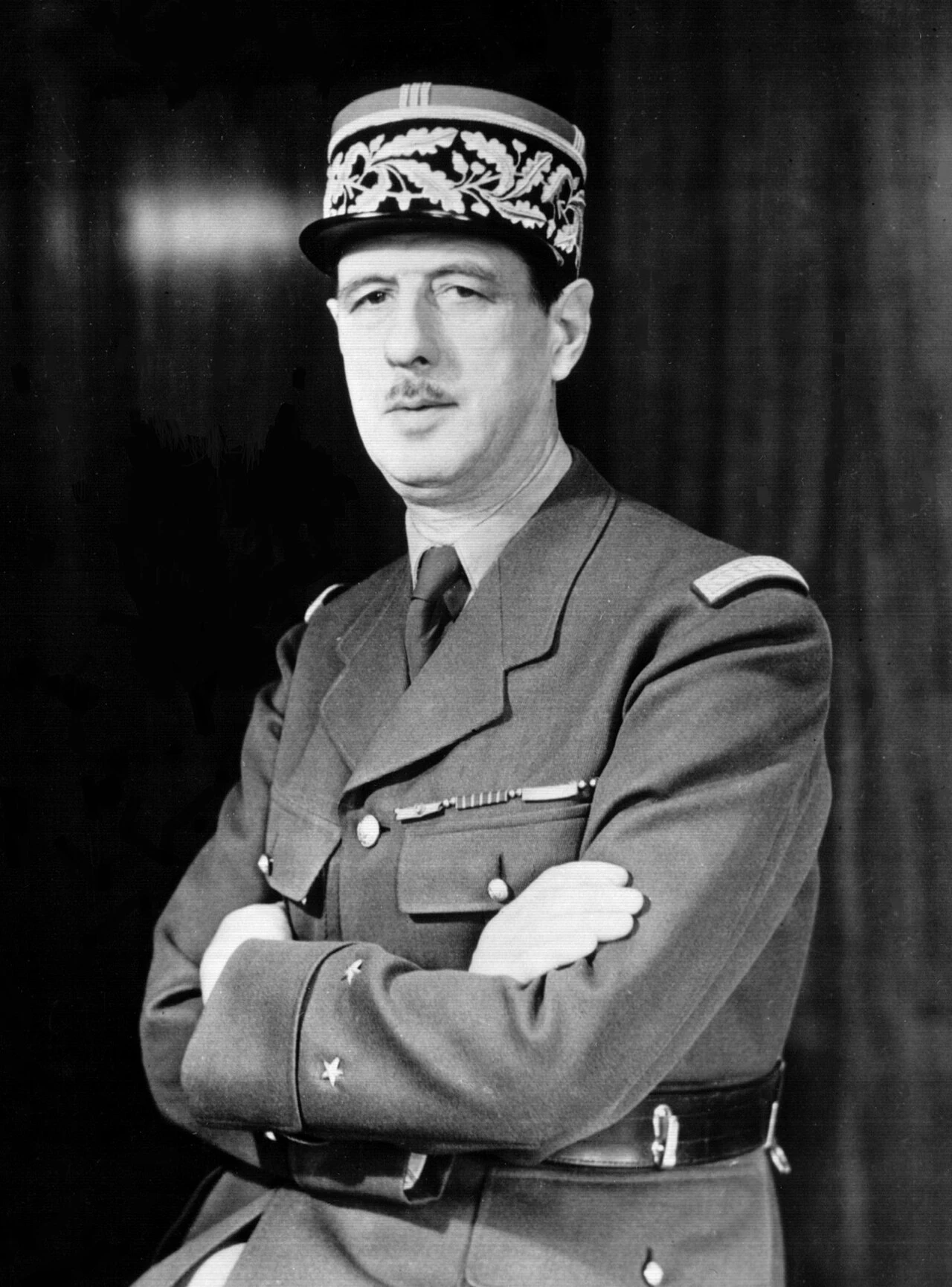
De Gaulle at the BBC microphone — 18 June, 18:00
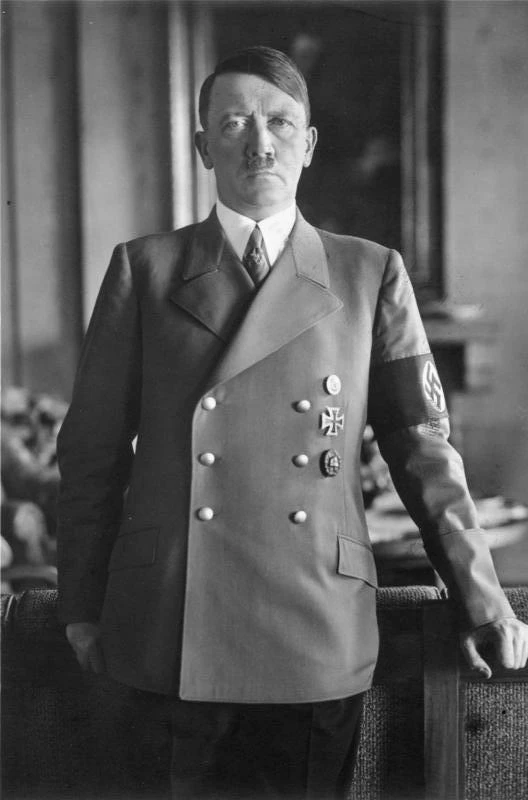
Hitler at Compiègne — 22 June 4:30 p.m.
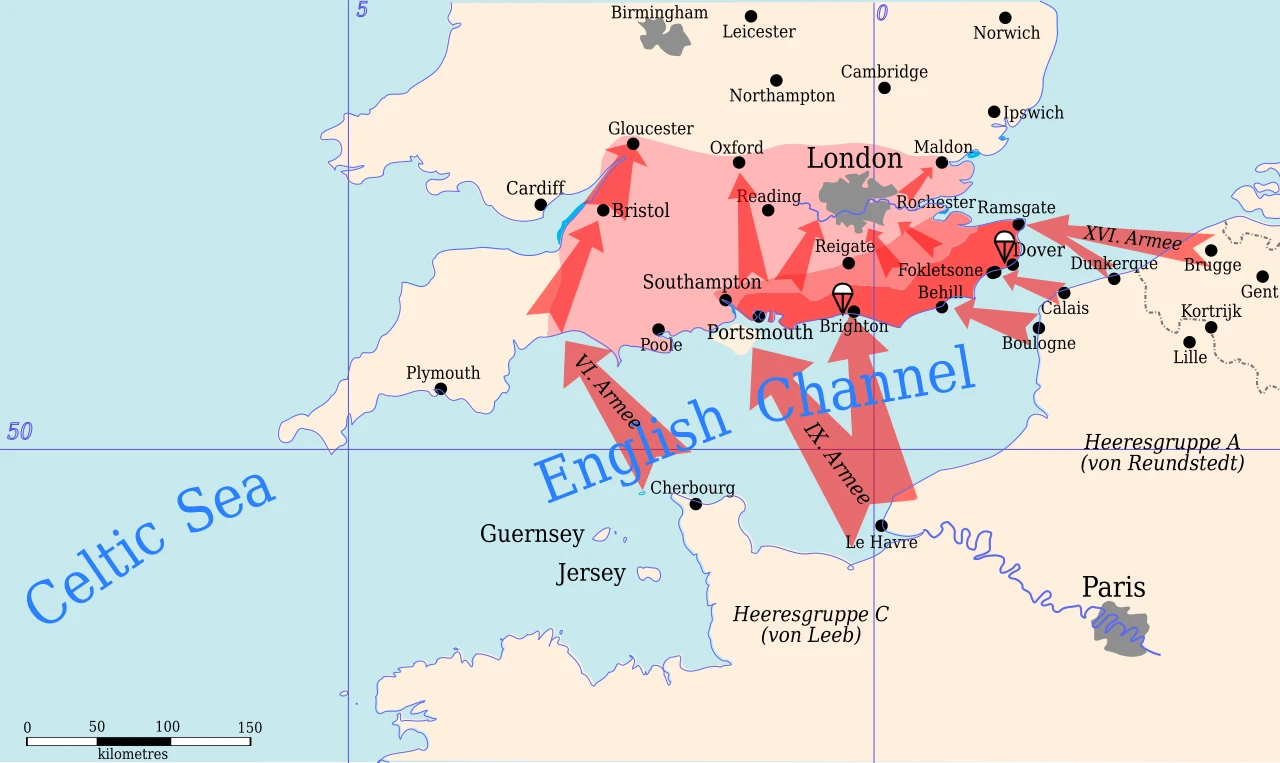
Hitler faces Sea Lion — September 17
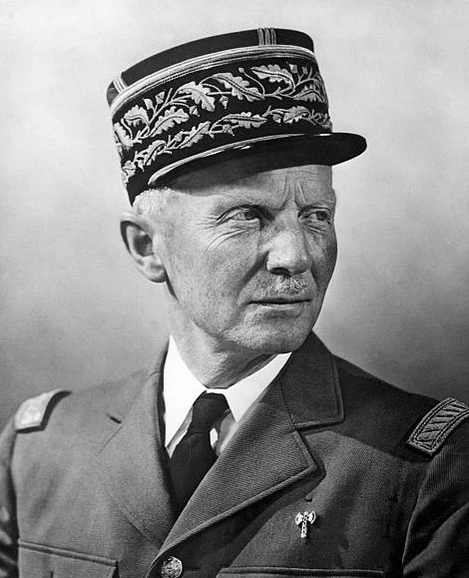
Huntziger in Foch's Carriage — 22 June
Bombing London — and the reply on Berlin
Joining the VNV or Rex
Antonescu and the Iron Guard — Bucharest
The Appeal of 18 June
Tsolakoglou and the surrender of the Greek army
Darlan and the fleet — 20 June
De Gaulle at the BBC microphone — 18 June, 18:00
Hitler at Compiègne — 22 June 4:30 p.m.
Hitler faces Sea Lion — September 17