
Carol II in Bucharest — the Romanian balance
, 46, had been King of Romania since 1930 (after returning from exile) and had set up a personal authoritarian regime in 1938 by dissolving the political parties. Romania was in a critical geopolitical position: an oil producer (the refineries of Ploiești: 6 million tons a year, 40 percent of German consumption), sharing a border with the USSR (Bessarabia), close to fallen Poland (Polish refugees passing through), a traditional ally of France but under mounting German pressure.
In the autumn of 1939 had granted benevolent internment to the Polish government in exile. From December 1939 to February 1940 came German pressure for the maximum economic delivery of oil and Soviet pressure for the cession of Bessarabia. The Prime Minister (National Liberal) leaned towards Paris and London; the Foreign Minister pursued armed neutrality.
The Iron Guard — the antisemitic fascist movement which had crushed in 1938-1939 (with the killing of Codreanu in November 1938) — was increasingly active, backed from Berlin. The Ploiești oilfields became the central issue: the Royal Navy set up an economic sabotage mission (buying up capacity at high prices to prevent delivery to Germany) while the German Abwehr counter-mined the operation.
had to choose his diplomatic line for the winter of 1939-1940.
What diplomatic line should Carol II hold to in the winter of 1939-1940?
applied B. Through the winter of 1939-1940 Romania did indeed step up its oil exports to Germany (the monthly volume rising from 1.2 to 2.1 million tons) but officially kept its neutrality. Tătărescu and Gafencu negotiated trade contracts with Paris in parallel. The British sabotage mission (under of SOE) bought up stocks at exorbitant prices. But the position became untenable from June 1940: the collapse of France, the Soviet ultimatum on Bessarabia (28 June 1940), the loss of Romania's eastern lands; then a Hungarian ultimatum on northern Transylvania (30 August 1940, the Vienna Award); then a Bulgarian ultimatum on southern Dobruja (7 September 1940). lost a third of his territory in two months. On 6 September 1940 he abdicated under pressure from Hitler and the Iron Guard. His son Mihai, 18, became king in name. took effective power as Conducător. went into exile in Portugal, then Brazil and Mexico. He died in 1953 at Estoril.
Learn more about this event
Related polls
10
Goering — the economic mobilization plan
The Gold of the Bank of Poland — the destination of the SS Eocene
Salazar in Lisbon — under triple pressure
Borakowski and the merchant fleet
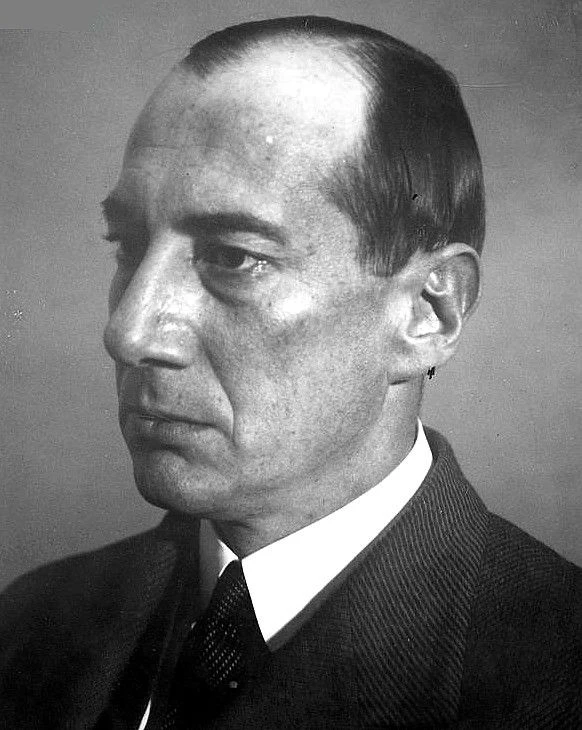
Beck in Bucharest — the Internee
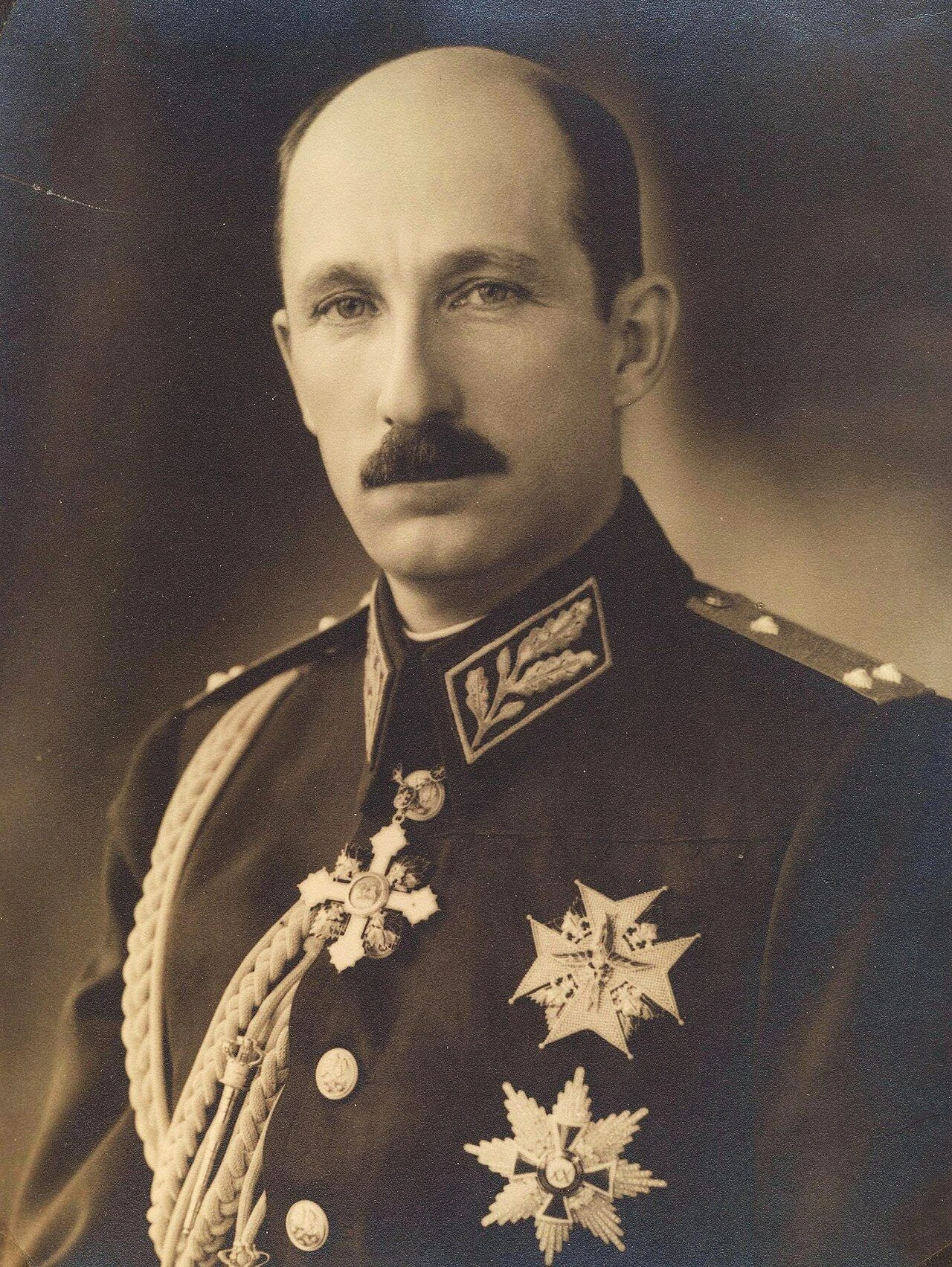
Boris III — the Bulgarian balancing act
Cvetković under pressure
Erkko — the minister of 1 December
Should Stalin Be Armed?
Kuusinen — Terijoki, 1 December
Goering — the economic mobilization plan
The Gold of the Bank of Poland — the destination of the SS Eocene
Salazar in Lisbon — under triple pressure
Borakowski and the merchant fleet
Beck in Bucharest — the Internee
Boris III — the Bulgarian balancing act
Cvetković under pressure
Erkko — the minister of 1 December
Should Stalin Be Armed?