
, 50, had been Prime Minister of Portugal since 1932 — an authoritarian conservative regime (the Estado Novo) founded on corporatism, social Catholicism and nationalism. A former professor of public finance at the University of Coimbra, Salazar governed by technocracy — silent, methodical, uncharismatic.
Portugal's geopolitical position on 1 September 1939: - Anglo-Portuguese Alliance since the Treaty of Windsor of 1373 (the oldest alliance still in force in the world) - Close commercial ties with Germany (60% of German tungsten imports came from Portuguese Wolfram — a mineral critical for armour and munitions) - Ideological sympathy for Franco (neighbouring Francoist Spain) and Mussolini, but caution towards Nazism (Salazar remained Catholic-conservative, anti-totalitarian) - Atlantic colonial empire (Azores, Madeira, Cape Verde, Angola, Mozambique, Goa, Macau, Timor) — exposed to designs from both Axis and Allies
During the winter of 1939-1940, Salazar had to navigate between three pressures: - London (Halifax) demanded strict observance of the Anglo-Portuguese Alliance - Berlin (Ribbentrop) offered favourable commercial agreements to secure the tungsten (5,800 tons a year, 80% of Portuguese exports) - Franco (Spain) demanded Iberian solidarity — pressure for a parallel neutrality
Which line does Salazar adopt?
Salazar applied B with remarkable diplomatic subtlety. Portugal remained officially neutral but kept the British alliance as its frame of reference. Tungsten was exported to both sides simultaneously (with price controls via taxation — Salazar took a 15% margin on every shipment). He refused to grant Germany military facilities in the colonies. In October 1943, under massive British pressure, Salazar granted the Allies use of the air bases in the Azores — a decisive move in the Allied victory in the Battle of the Atlantic (the Azores closed the mid-Atlantic air gap). Salazar kept his regime in place throughout the war, emerged unscathed, and extended the Estado Novo until his death in 1970. His successor would be overthrown by the Carnation Revolution of 25 April 1974. Portuguese diplomacy from 1939 to 1945 remains a textbook case of active neutrality.
Learn more about this event
Related polls
10
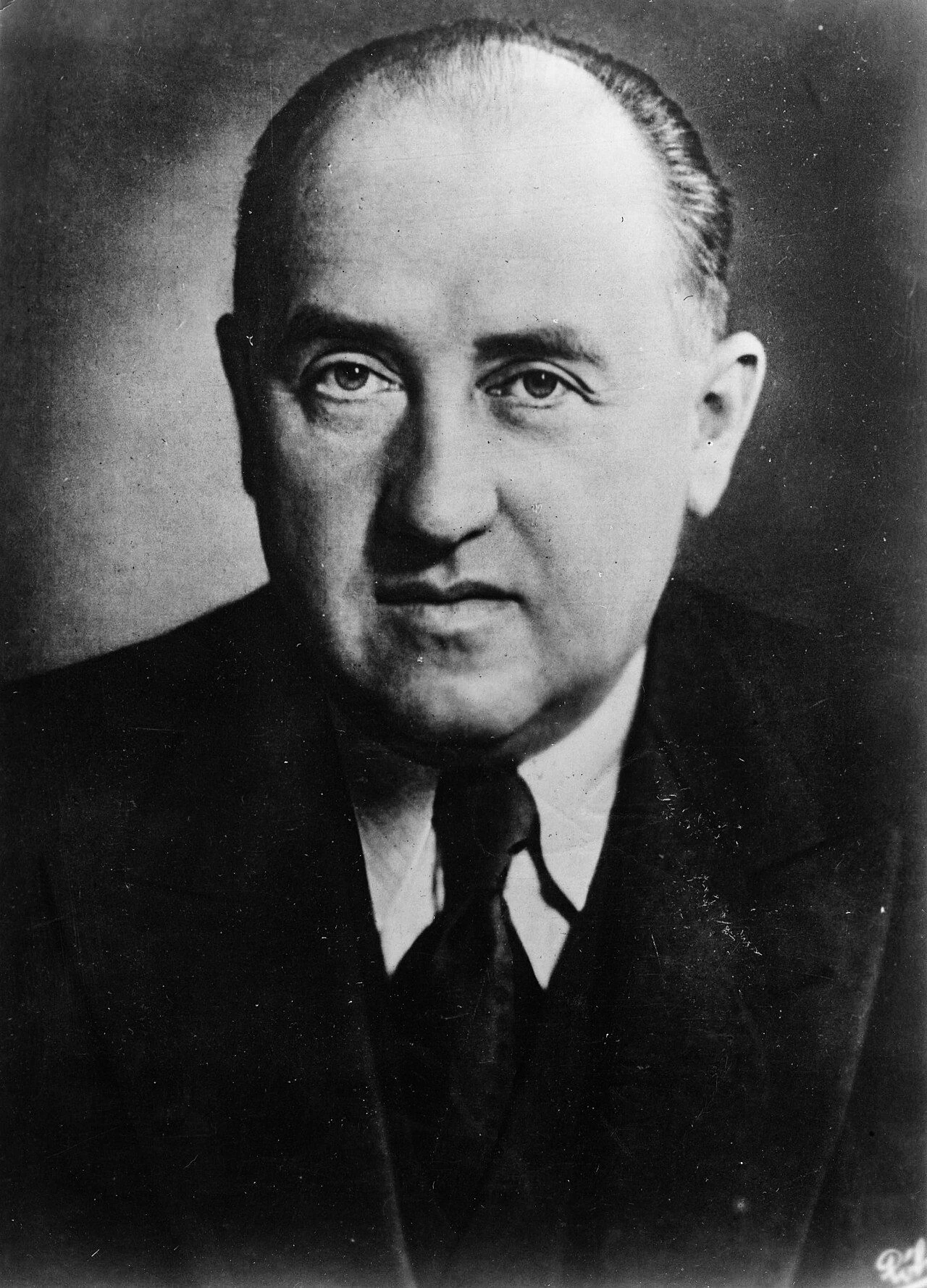
The Gold of the Bank of Poland — the destination of the SS Eocene
Borakowski and the merchant fleet
Carol II in Bucharest — the Romanian balance
Goering — the economic mobilization plan
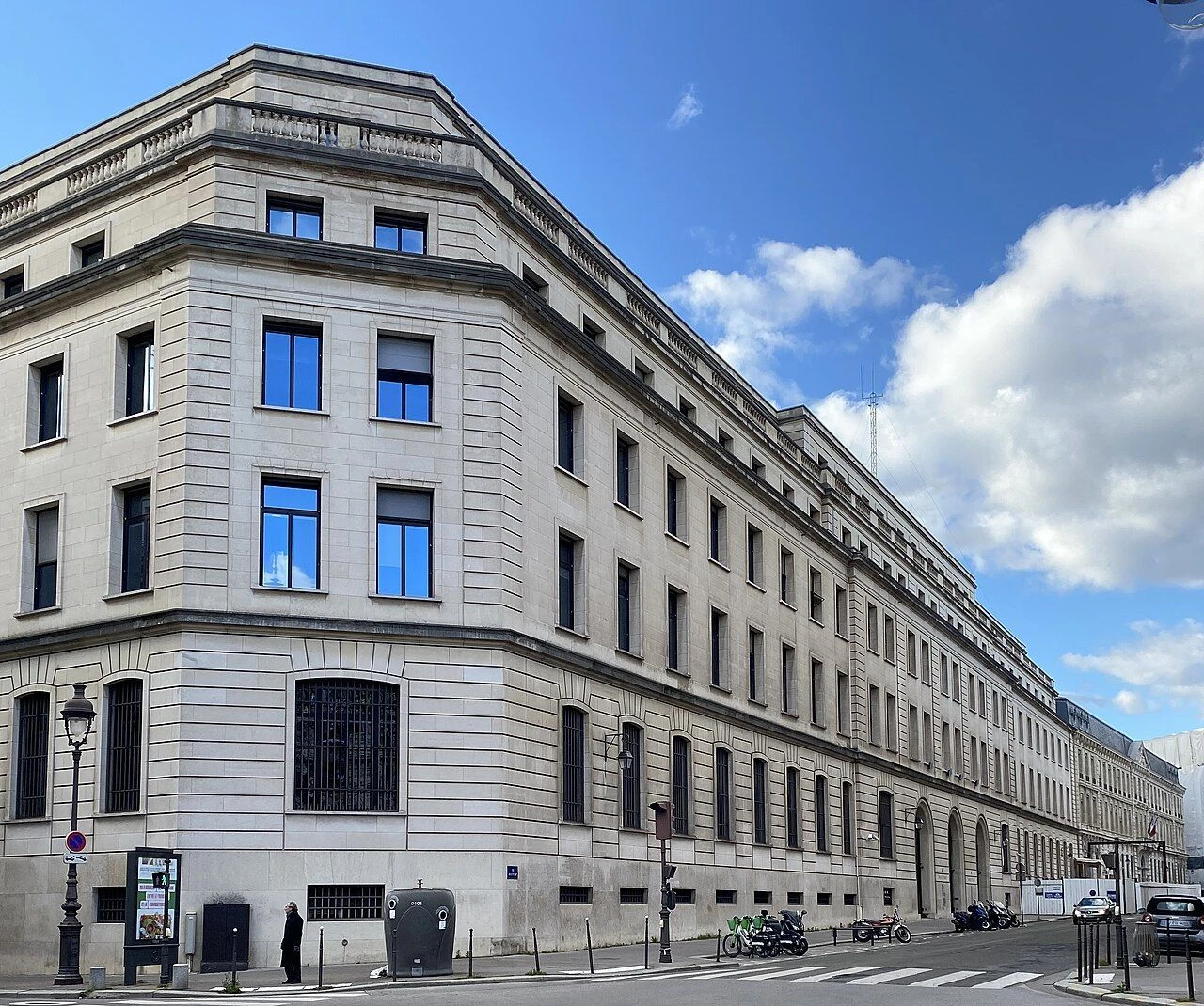
Baumgartner and the gold of the Banque de France
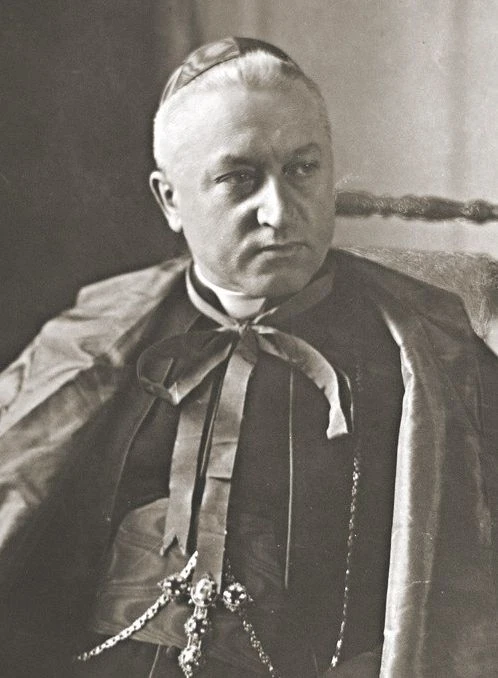
Cardinal Hlond — the Vatican's instruction
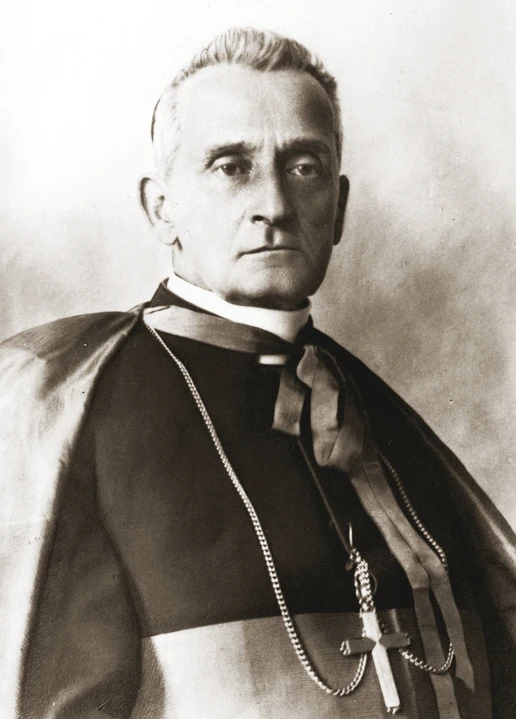
Cardinal Sapieha — Krakow under Occupation
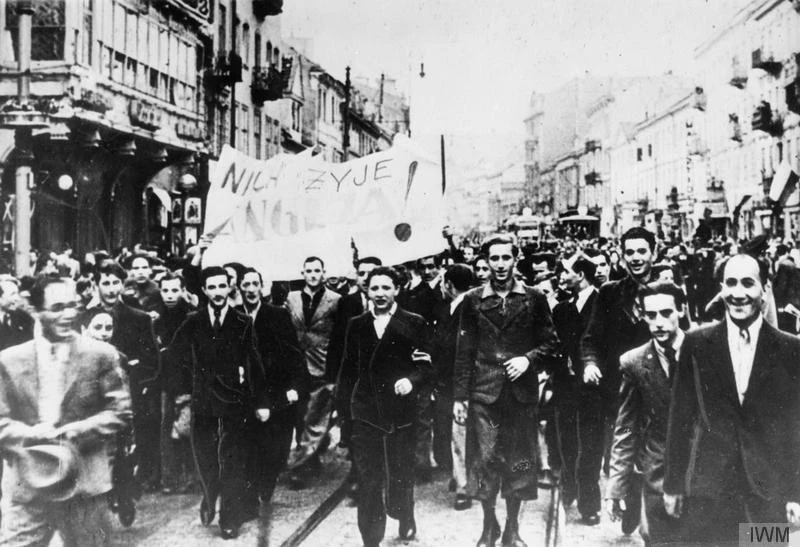
Chamberlain — 11:15 BST
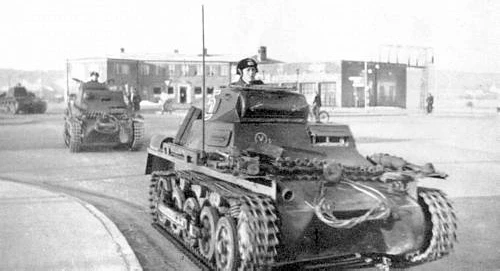
Christian X — Amalienborg, 1 September
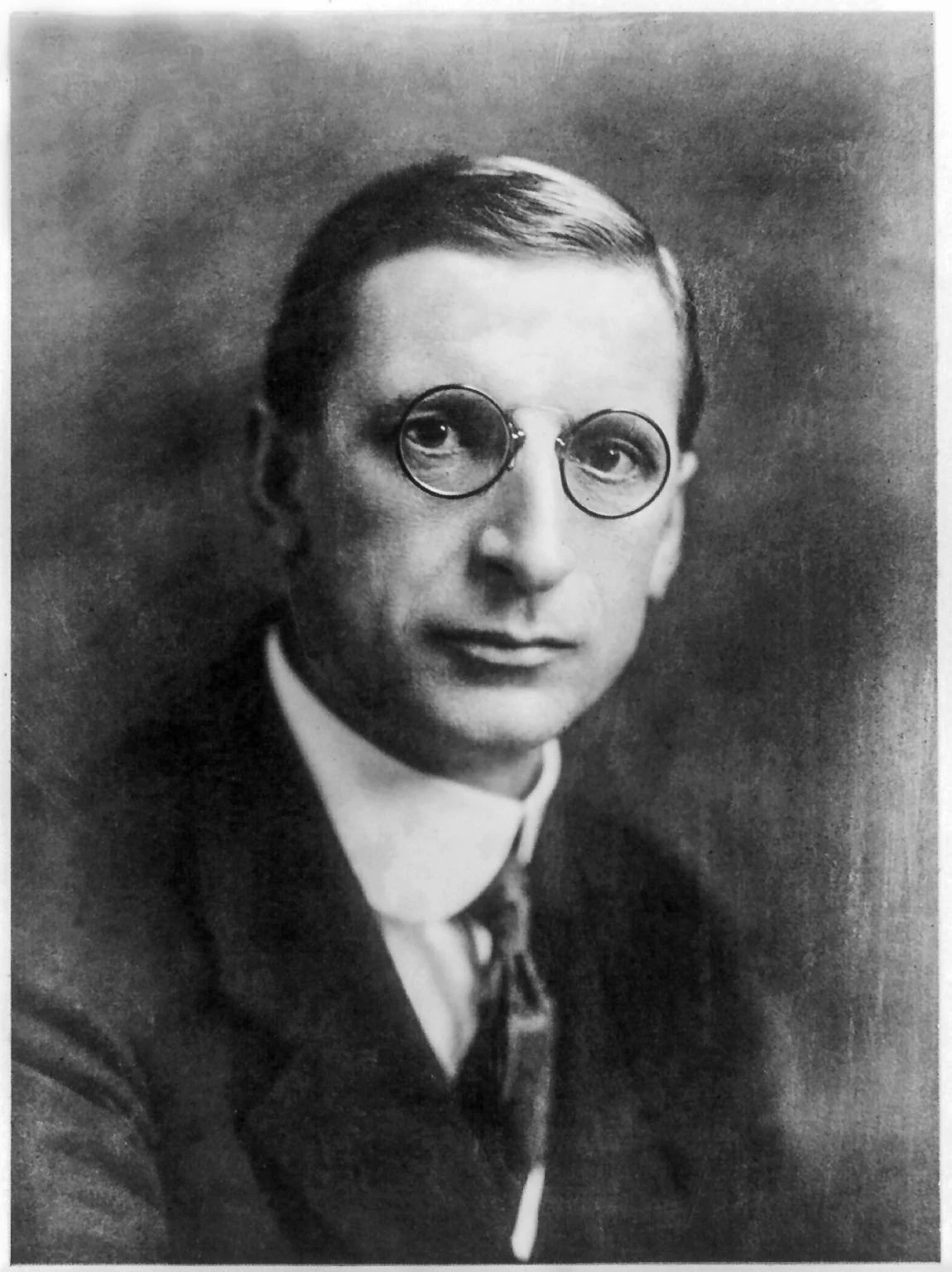
De Valera — Leinster House, 2 September
The Gold of the Bank of Poland — the destination of the SS Eocene
Borakowski and the merchant fleet
Carol II in Bucharest — the Romanian balance
Goering — the economic mobilization plan
Baumgartner and the gold of the Banque de France
Cardinal Hlond — the Vatican's instruction
Cardinal Sapieha — Krakow under Occupation
Chamberlain — 11:15 BST
Christian X — Amalienborg, 1 September