
Oster picks up the telephone
, 52, Generalmajor and deputy chief of the Abwehr — the German military intelligence service, installed at the Tirpitzufer in Berlin — is one of the few officers to oppose Nazism from conviction, and not from simple distrust of the Führer. A member of the resistance since 1934, he said he had slipped into a "burning hatred" of the regime after the Kristallnacht pogroms of November 1938.
Protected by his chief, Admiral Canaris, Oster has already been involved in an aborted coup plot. Since 1939, he has been passing information to the Allies through a friend, Major , Dutch military attache in Berlin, whom he has known since 1932.
In the spring of 1940, Oster has already warned Sas of several attack dates in the west, repeatedly postponed — to the point of wearing out his credibility. On this 9 May, after a dinner with Sas, he goes to OKW headquarters to check whether a cancellation order has been issued. None. The offensive against Belgium and the Netherlands is launched for the next day.
Oster goes back out into the Berlin night. Sas is waiting for him.
Should you betray your country by confirming to the Dutch attache the date of the offensive, at the risk of the noose?
Oster chose A. According to Sas's account, Oster told him that "the swine has gone off to the Western front": no order had been cancelled, it was for that night. Sas at once alerted The Hague and Brussels. But the repeated and denied warnings had eroded the trust of the Allied staffs; some suspected disinformation. The offensive in the west was launched on 10 May 1940 and took the Allies by surprise. Oster's gesture had no military effect. His resistance activity would later be discovered: arrested after the 20 July 1944 plot, he was executed at Flossenbürg on 9 April 1945, a few days before the end. Posterity still debates: hero of conscience for some, traitor for others.
Learn more about this event
Related polls
10
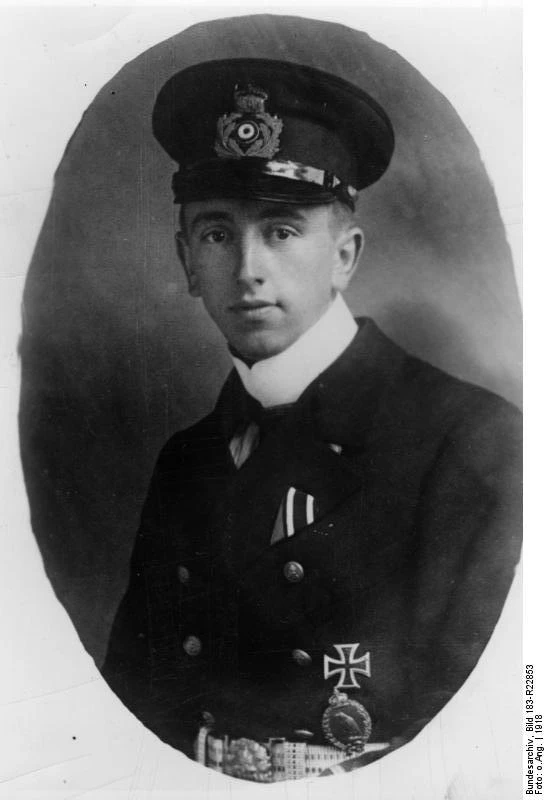
Osterkamp dares to contradict Göring
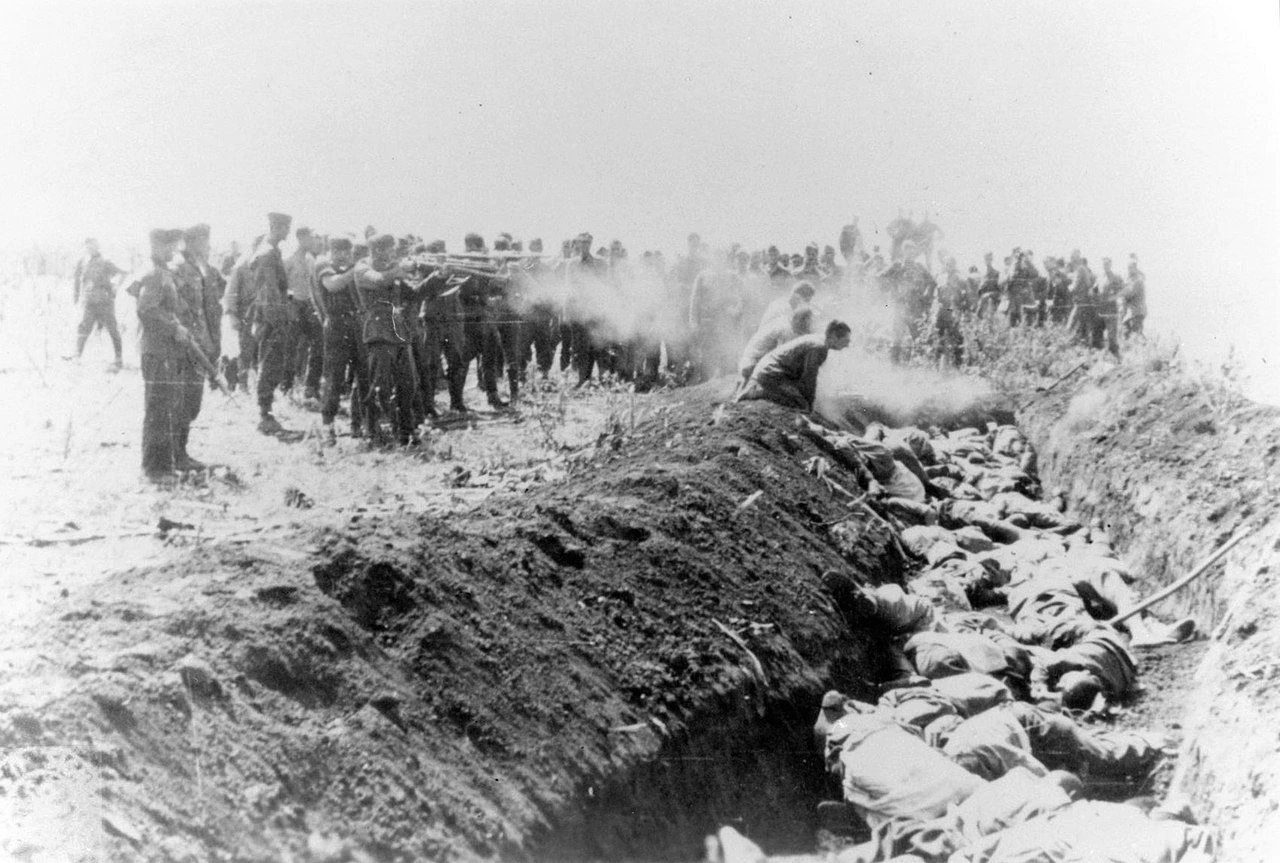
Heydrich — the Conference of 21 September
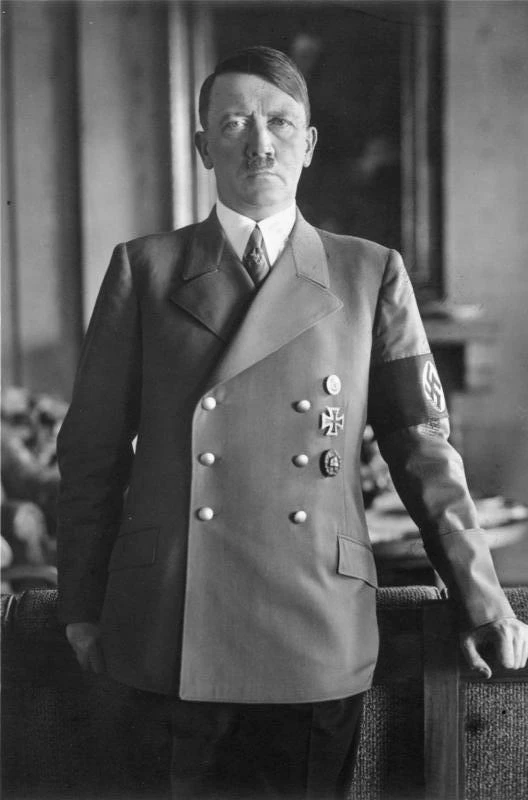
Hitler at the Felsennest — the anguish of the flanks
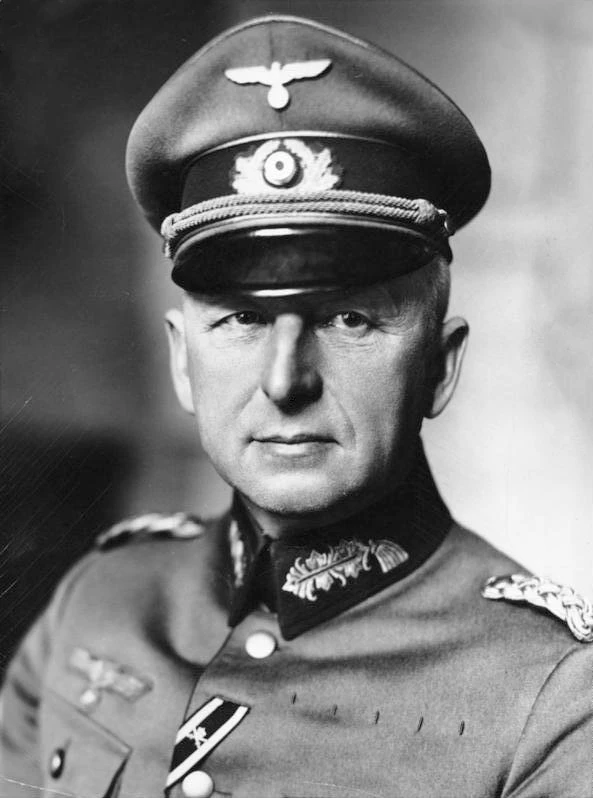
Manstein watches his plan — Koblenz, 10 May

Mechelen — Reinberger, 10 January 11:30
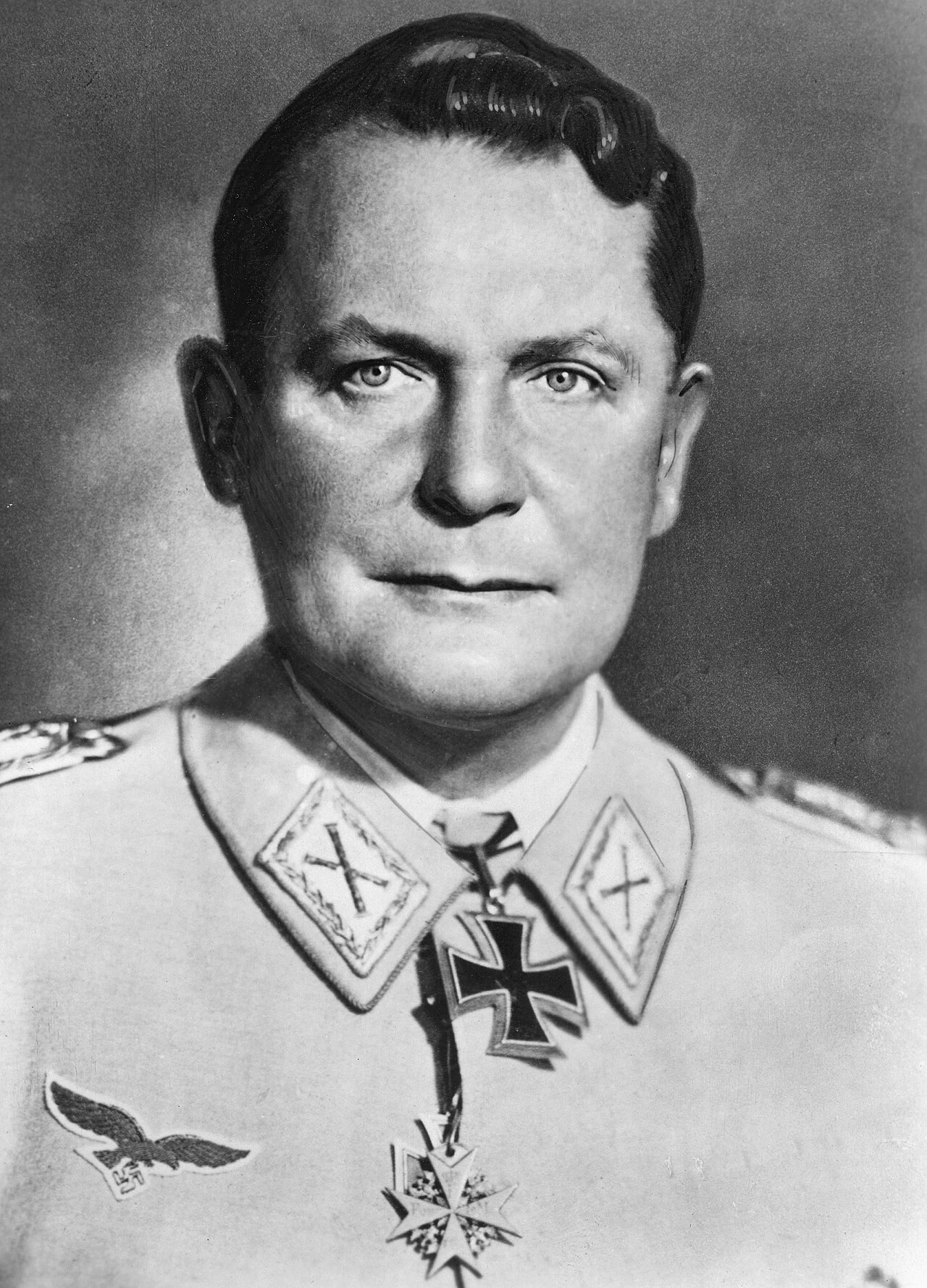
Goering at Carinhall — the promise to Hitler
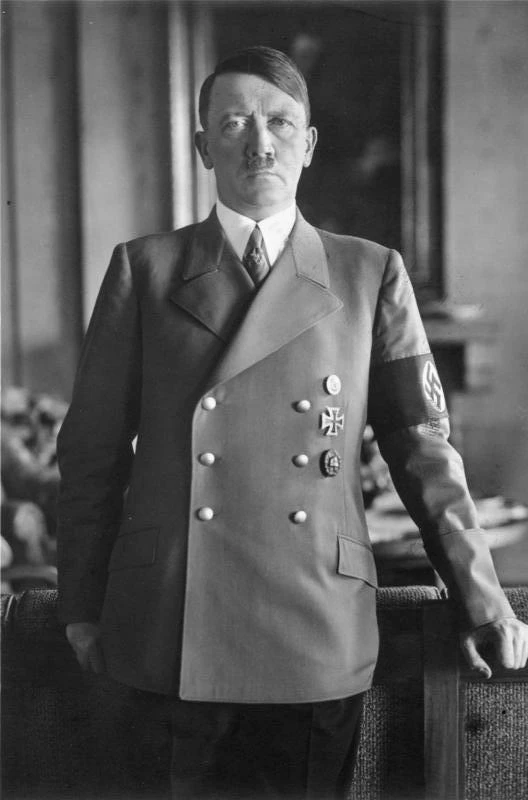
Hitler at Compiègne — 22 June 4:30 p.m.
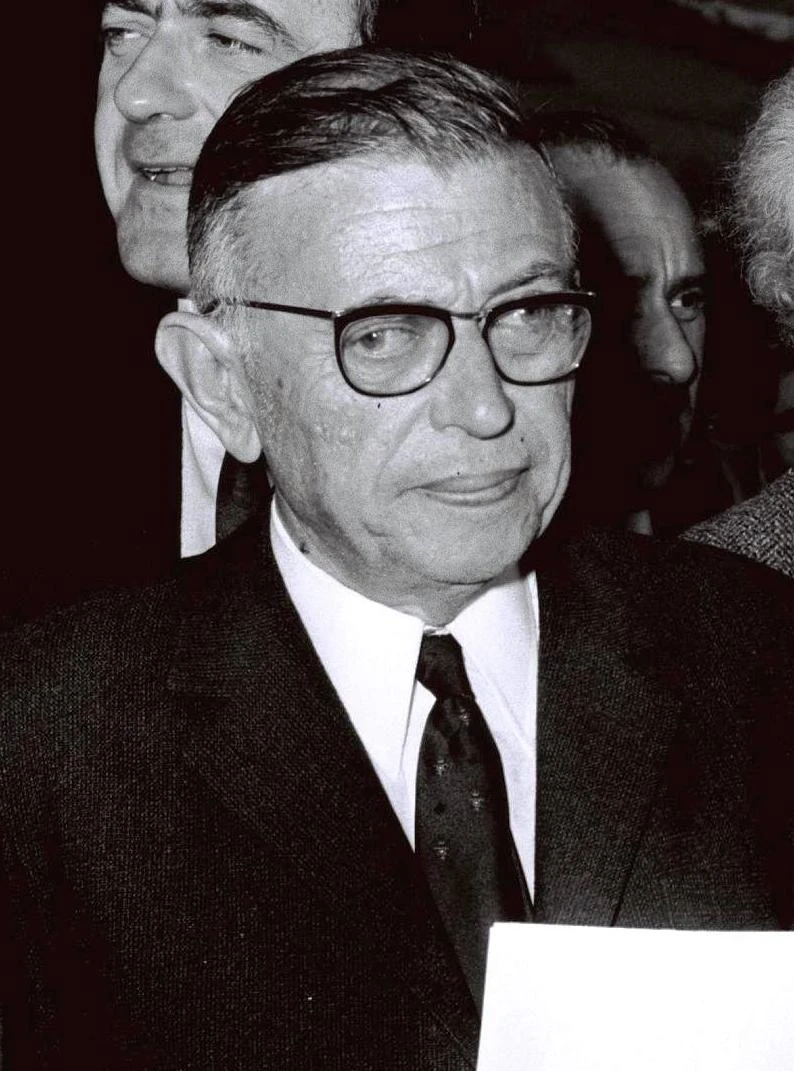
Sartre Prisoner — Stalag XII D
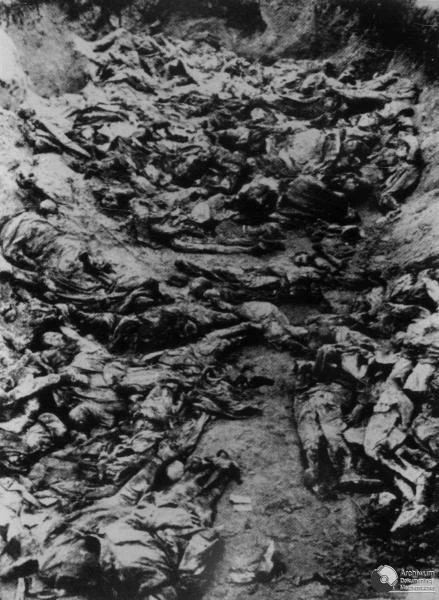
Beria — the NKVD ordinance of 19 September
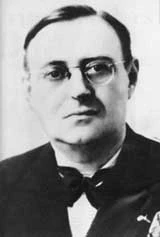
Carmille and the Vichy Punch Cards
Osterkamp dares to contradict Göring
Heydrich — the Conference of 21 September
Hitler at the Felsennest — the anguish of the flanks
Manstein watches his plan — Koblenz, 10 May
Mechelen — Reinberger, 10 January 11:30
Goering at Carinhall — the promise to Hitler
Hitler at Compiègne — 22 June 4:30 p.m.
Sartre Prisoner — Stalag XII D
Beria — the NKVD ordinance of 19 September