
Persuade or Compel Industry
On January 7, 1941, Roosevelt created the Office of Production Management by executive order to coordinate a rapidly expanding industrial output under the pressure of Allied orders. At its head stood an unusual pairing: , an executive from the automobile world, and , a labor union leader.
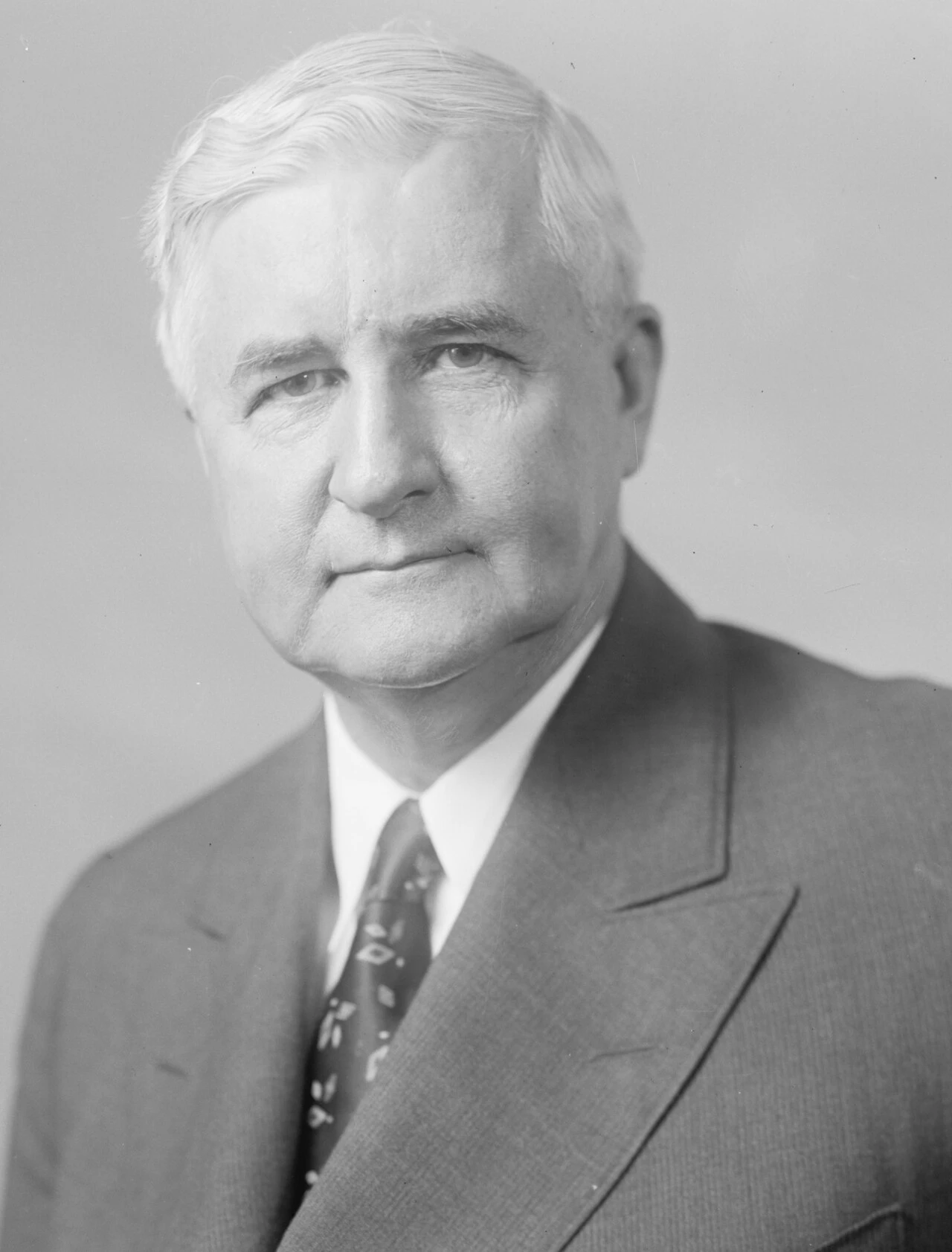
Knudsen, a Danish immigrant who had become one of the great organizers of American industry, knew intimately the assembly lines that now had to shift toward war materiel.
But the OPM suffered from a weakness at birth: it had no binding power over companies. It could assign priorities for scarce materials, but not impose quotas. Knudsen had to choose a method to bring along industrialists still geared toward civilian goods.
How should Knudsen push American industry to convert to arms production?
Knudsen favored persuasion and voluntary cooperation with the major industrialists, relying on incentives and his personal standing rather than coercion, which the OPM lacked in any case. This approach showed its limits against the slow pace of conversion: criticized as too soft, it was abandoned in January 1942 in favor of the War Production Board, endowed with far broader powers.
Learn more about this event
Related polls
10
Should Detroit start building tanks?
Rubber or nothing — America's gamble on an unobtainable material
One bomber an hour: the Willow Run gamble
A Navy for Two Oceans
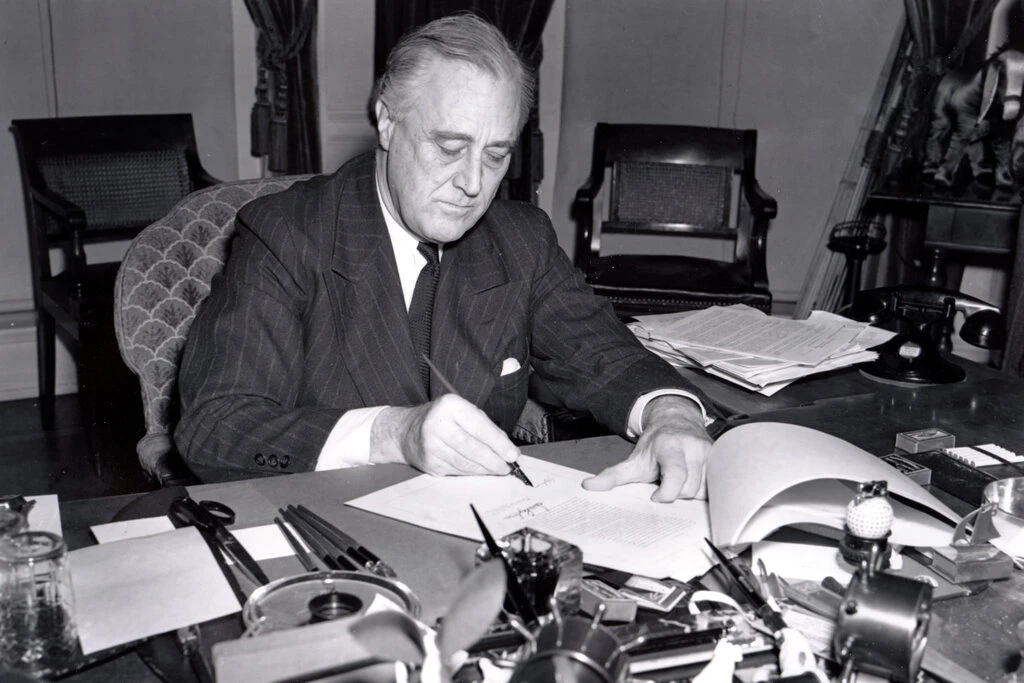
Washington, March 1941: Arming Without Entering the War
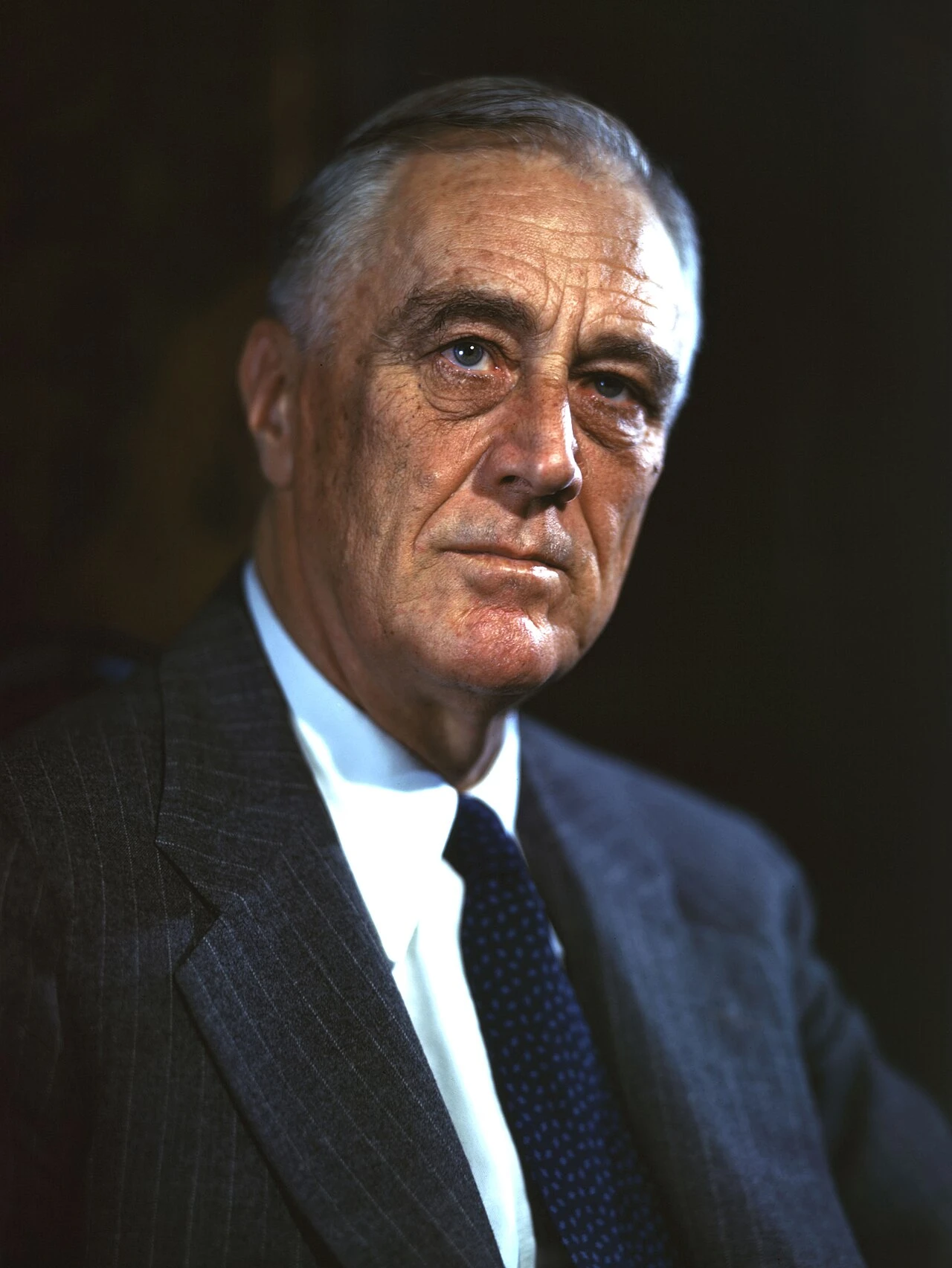
Should Stalin Be Armed?
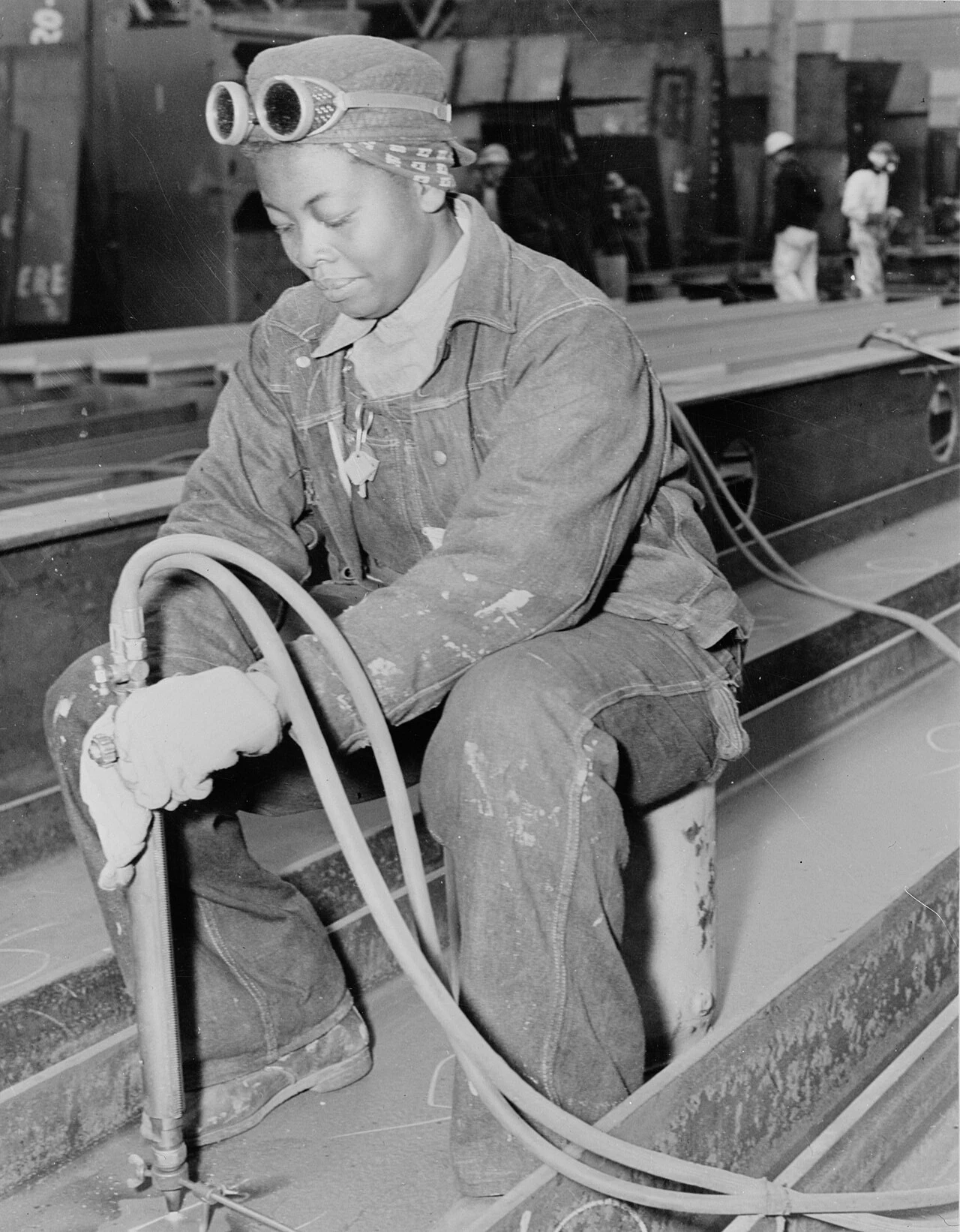
Kaiser, the Rivet and the Electric Arc
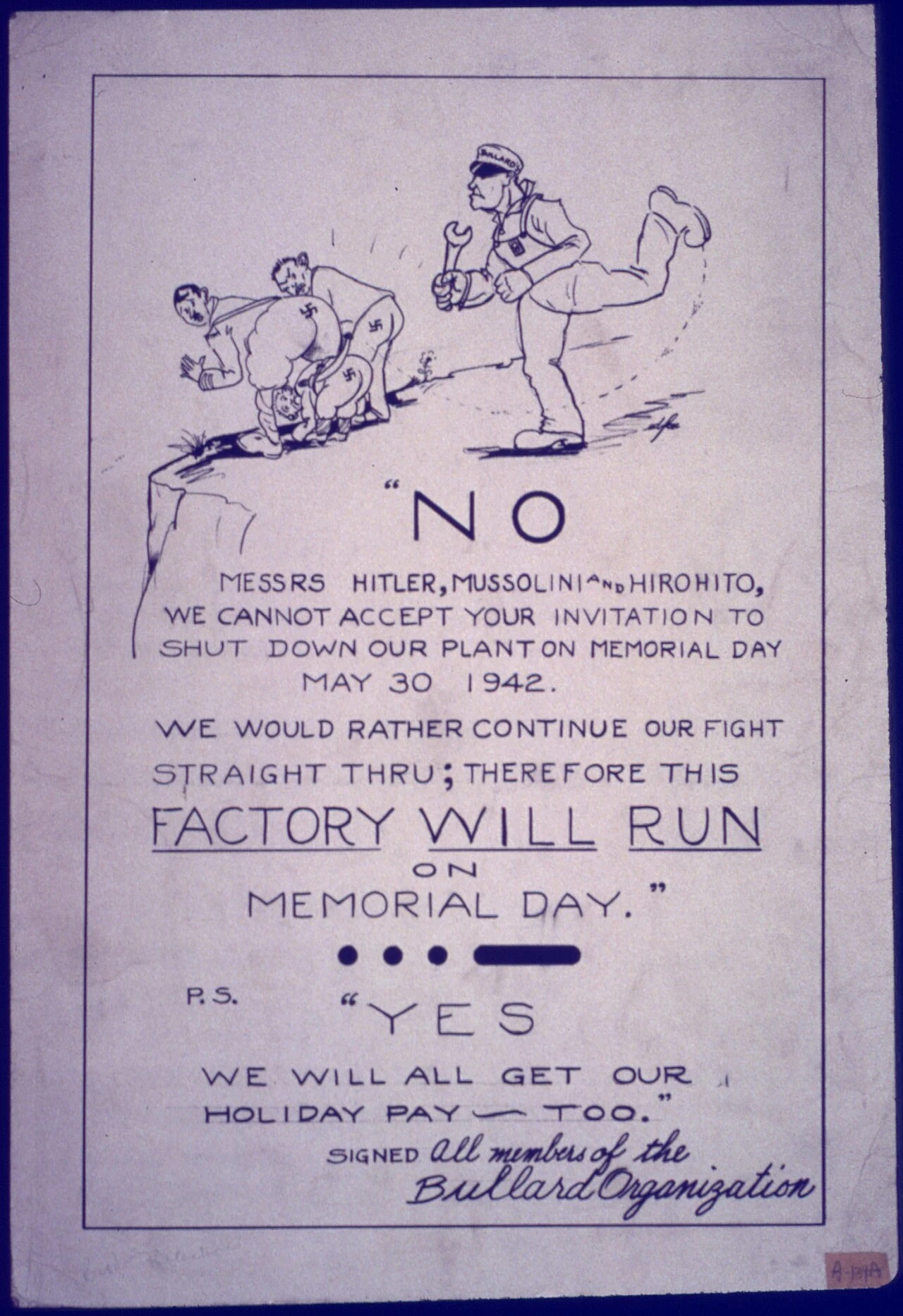
America Shifts to a War Economy

The Forgotten Tooling at Rock Island

The White Ore of the Far North
Should Detroit start building tanks?
Rubber or nothing — America's gamble on an unobtainable material
One bomber an hour: the Willow Run gamble
A Navy for Two Oceans
Washington, March 1941: Arming Without Entering the War
Should Stalin Be Armed?
Kaiser, the Rivet and the Electric Arc
America Shifts to a War Economy
The Forgotten Tooling at Rock Island