
Huntziger over the Sedan reports — 13 May
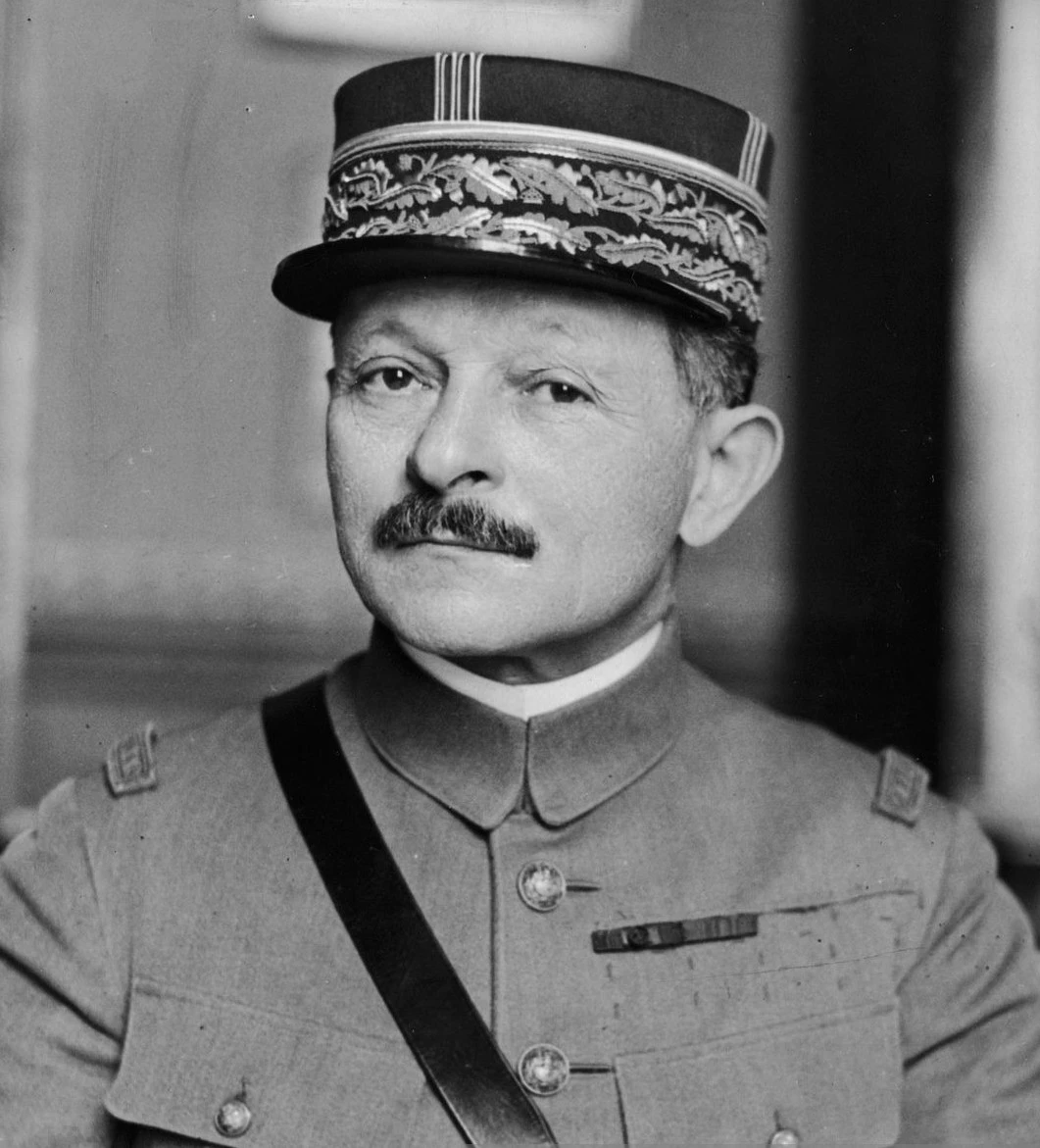
, 60, a French general of Alsatian origin, commanded the French , which held the Sedan sector — the junction between the Maginot Line to the south and the Plan Dyle dispositions engaged in Belgium. His zone covered 45 miles of the Meuse with nine divisions, of which seven were Series B infantry, formed of poorly trained reservists.
At the start of the offensive, Huntziger was confident: the Ardennes were held to be "impassable" to armour, as Pétain had often repeated. On the evening of 13 May, his command post at Senuc received contradictory reports: a massive Stuka bombardment on the , Panzers reported at Sedan — supposedly impossible before 16 May — and units beginning to drift.
Around 21:00, Huntziger understood that a real breakthrough was taking shape at Sedan. His mobile reserve was General Brocard's , 156 strong in Char B1 bis, the most powerful tanks in the world in 1940. But its battalions were dispersed to the rear. Huntziger had to decide how to use this reserve.
Counter-attack that very night, wait for dawn to prepare, or fall back to a second line?
Huntziger applied B. He ordered a counter-attack for the dawn of 14 May. But the was scattered in battalions between Stonne, Le Chesne and Vouziers, and its concentration took twelve hours longer than planned: for lack of fuel and clear orders, the attack only got moving around 13:00 on 14 May, when Guderian had already brought dozens of tanks across. The Char B1s fought heroic duels at Stonne, but the did not retake Sedan. The breach widened. Huntziger became Minister of War under Vichy in September 1940 and signed the military collaboration. He died on 12 November 1941 in an air crash near Carcassonne, on his way to North Africa — circumstances never entirely clarified. The dispersal of his armoured division remains a textbook case of the failed use of French armour in 1940.
Learn more about this event
Related polls
10
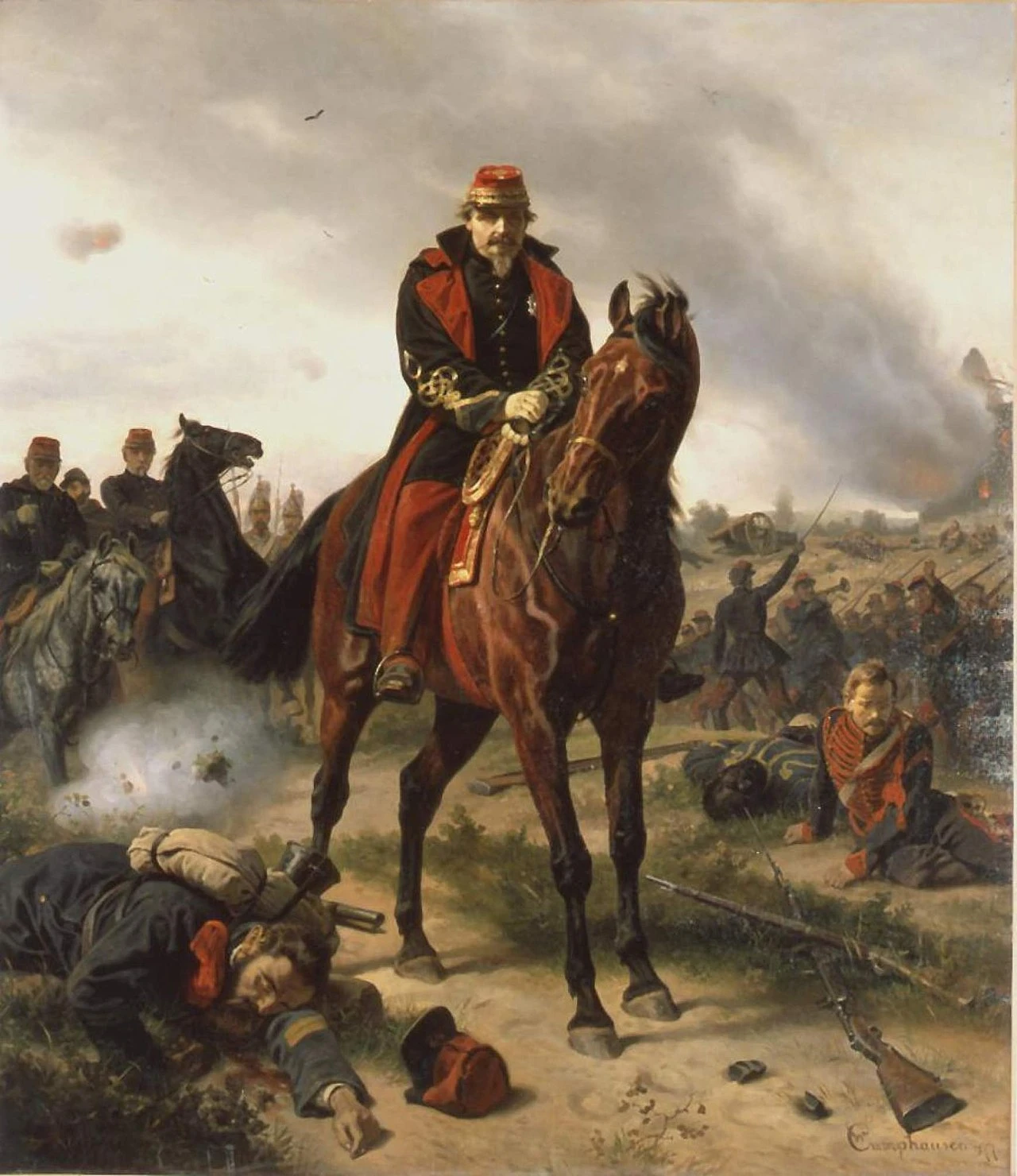
Bulson — Lafontaine and the 02:00 rumour
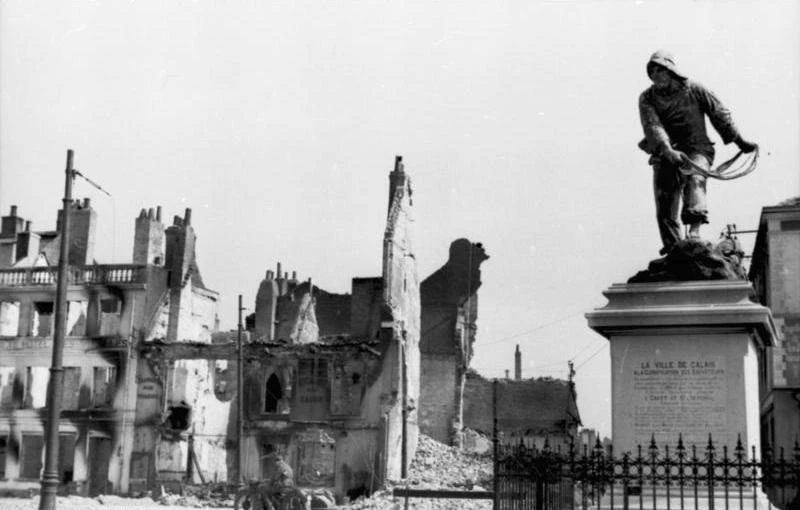
Calais — Nicholson facing the ultimatum
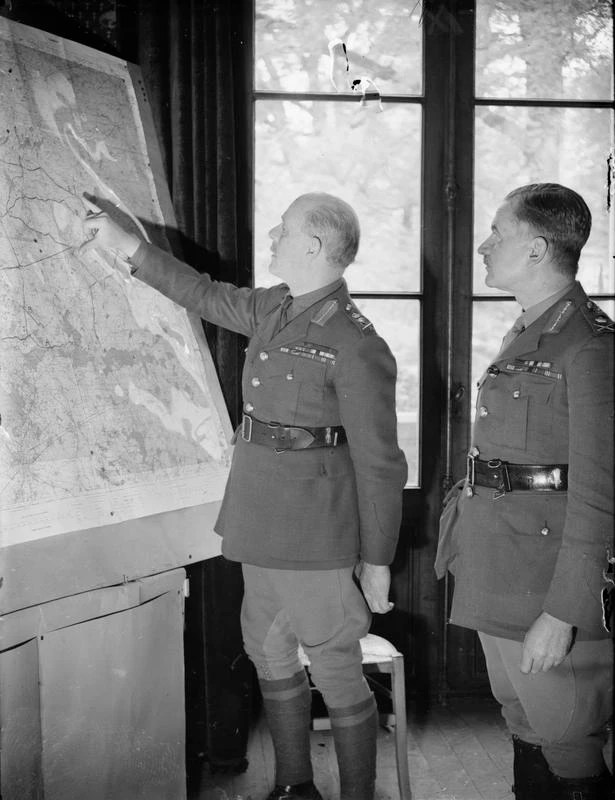
Gort at Habarcq — trust in the French plan
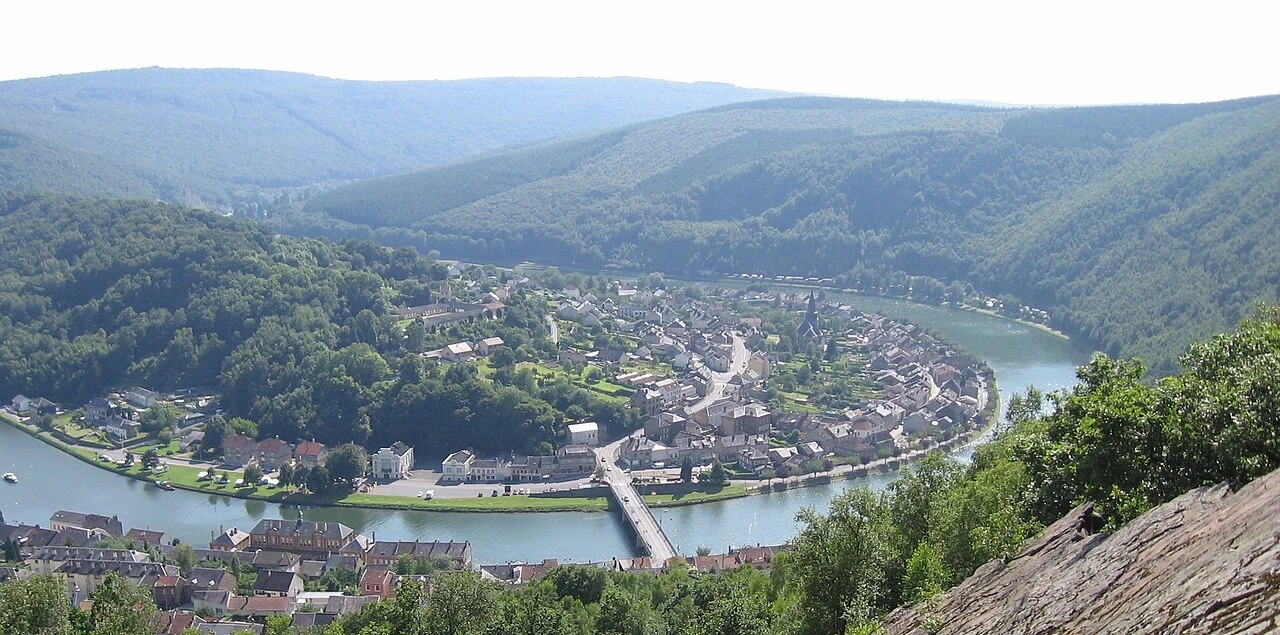
Monthermé — Portzert in the Meuse loop
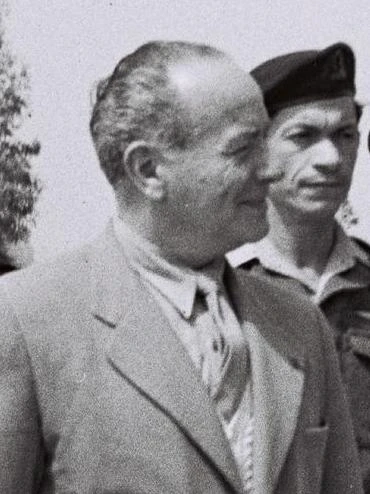
Stonne — Billotte facing the Panzer column
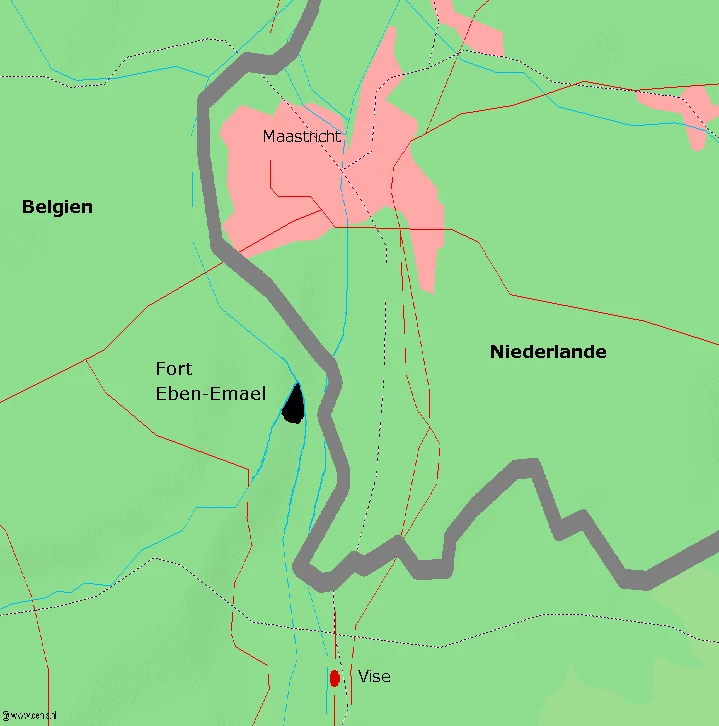
Eben-Emael — Jottrand under the explosions
Boulogne — Fox-Pitt and the Guards facing the port
The Defence of Boulogne
The panic of Bulson
Weygand — Vincennes 20 May 02:00
Bulson — Lafontaine and the 02:00 rumour
Calais — Nicholson facing the ultimatum
Gort at Habarcq — trust in the French plan
Monthermé — Portzert in the Meuse loop
Stonne — Billotte facing the Panzer column
Eben-Emael — Jottrand under the explosions
Boulogne — Fox-Pitt and the Guards facing the port
The Defence of Boulogne
The panic of Bulson