
Saint-Exupéry — flight of Groupe 2/33
, 40, already a famous writer (Vol de nuit, Prix Femina 1931), serves as a reconnaissance pilot in , flying a Bloch MB 174. He flies alone at 8,000 metres to photograph German positions — an isolated aircraft that Bf 109s can shoot down in about thirty seconds.
has been bled white by the campaign: of 23 crews, 17 are already lost. Saint-Exupéry is married, well known, older than his comrades; his observer, , is young and unmarried. The question of who takes the risks comes up on every mission.
After the German breakthrough in May and the withdrawal to the Aisne, reconnaissance missions multiply to track the enemy advance. Commandant Alias offers two options: a low-altitude mission over Arras, almost suicidal but essential, or a high-altitude mission toward the Aisne, safer but less critical.
On 1 June, Saint-Exupéry must choose between the mission that best serves the staff and the one that gives him a chance of coming back.
Which mission to accept, knowing that the most useful one is also the most deadly?
Saint-Exupéry chooses A: he flies over Arras, returning several times between 22 May and 7 June. He comes back. From this experience he will draw Pilote de guerre (Reynal & Hitchcock, New York, 1942), an account of the Arras flight that becomes a meditation on defeat and responsibility; the book will be banned by Vichy and then by the Germans in late 1942. He rejoins the North African air force in 1943 and, despite his age, obtains permission to fly reconnaissance again. He disappears on 31 July 1944 off Marseille (the wreck of his P-38 Lightning will be identified off the Île de Riou in 2000). will lose several more crews before the armistice.
Learn more about this event
Related polls
10
Beauffrère and the 21st RIC at Dunkirk
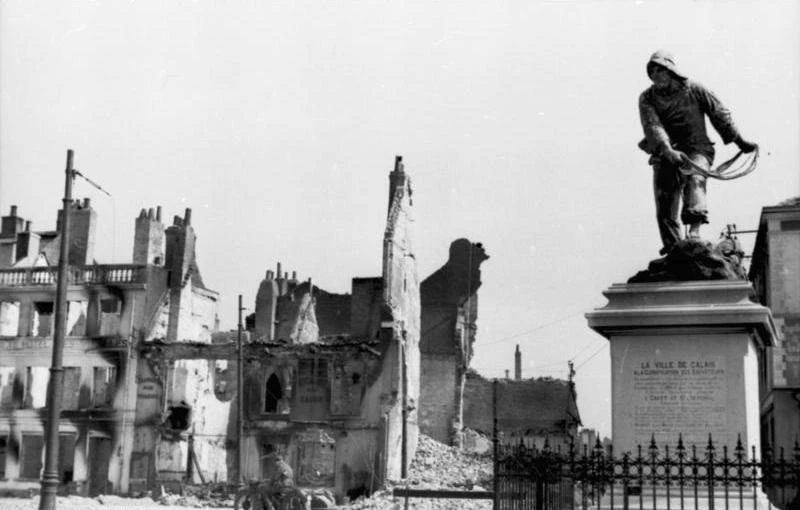
Calais — Nicholson facing the ultimatum
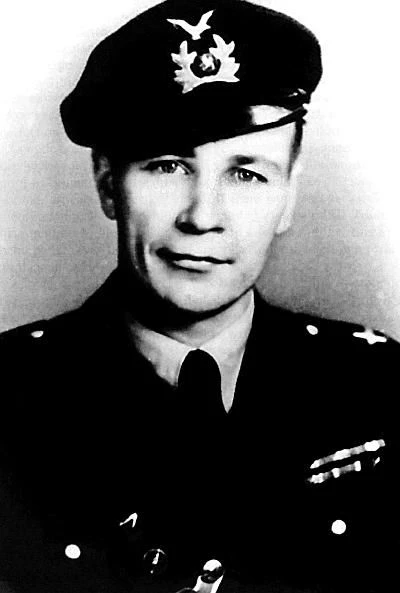
Juutilainen — the pilot of LeLv 24
Mitralexis — out of ammunition
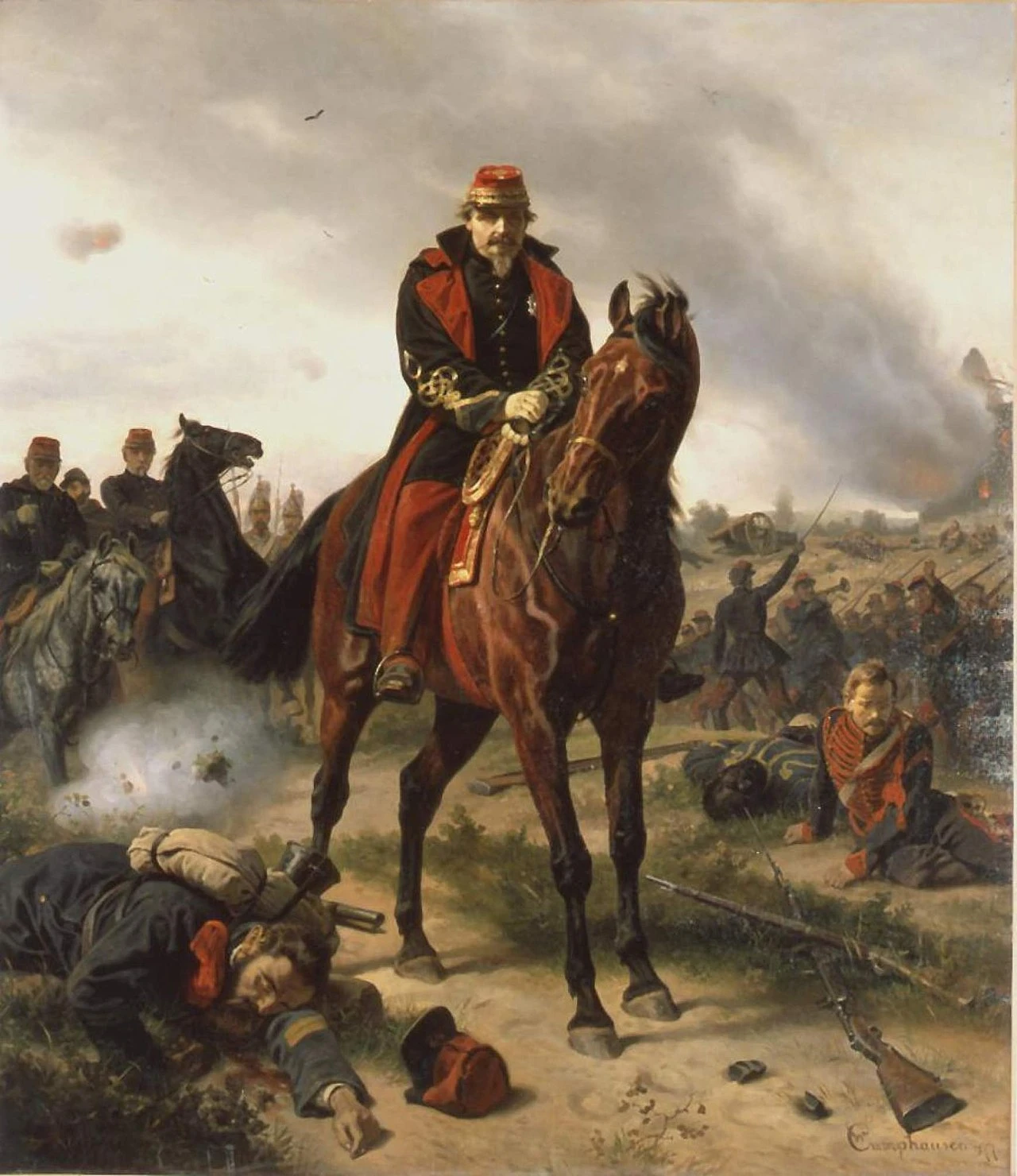
Bulson — Lafontaine and the 02:00 rumour
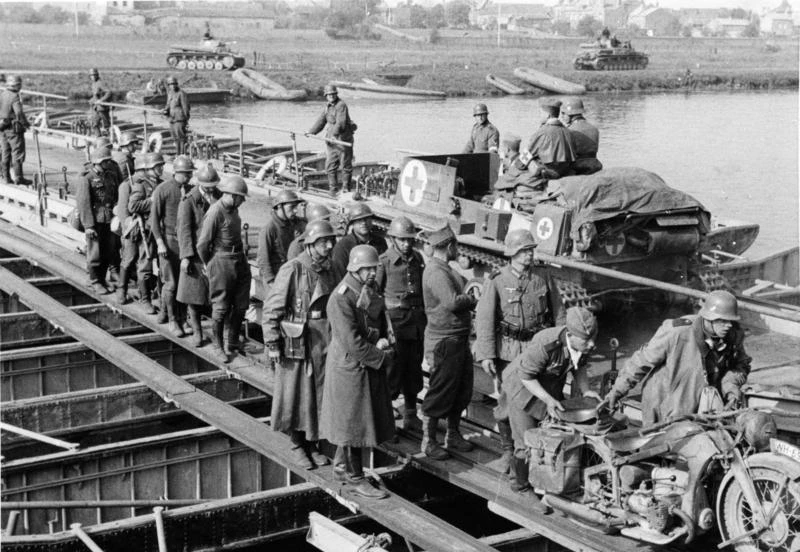
The deluge of Stukas over Sedan
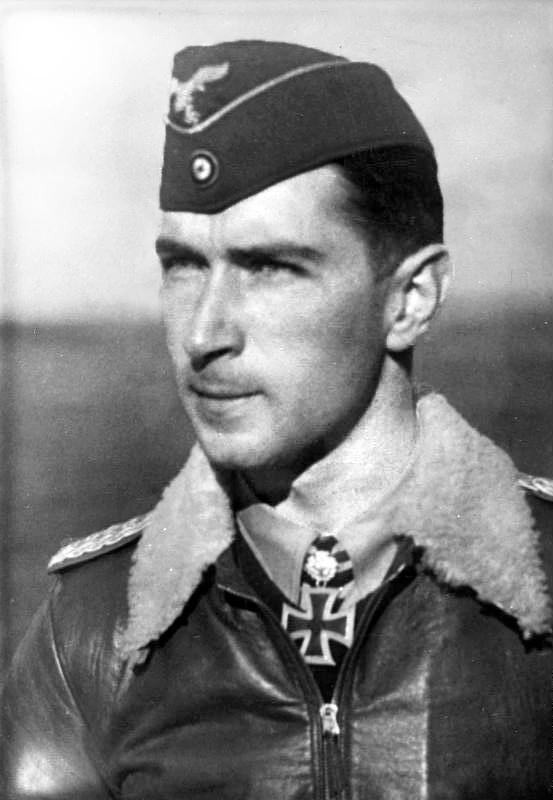
Mölders above the columns — 18 May
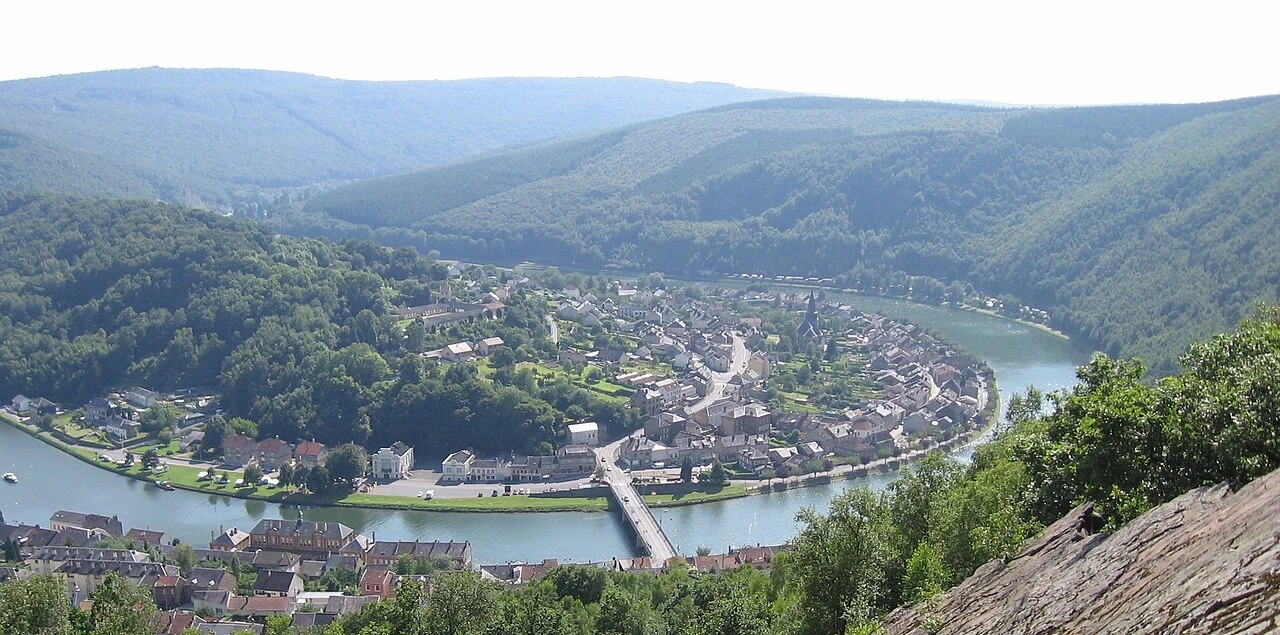
Monthermé — Portzert in the Meuse loop
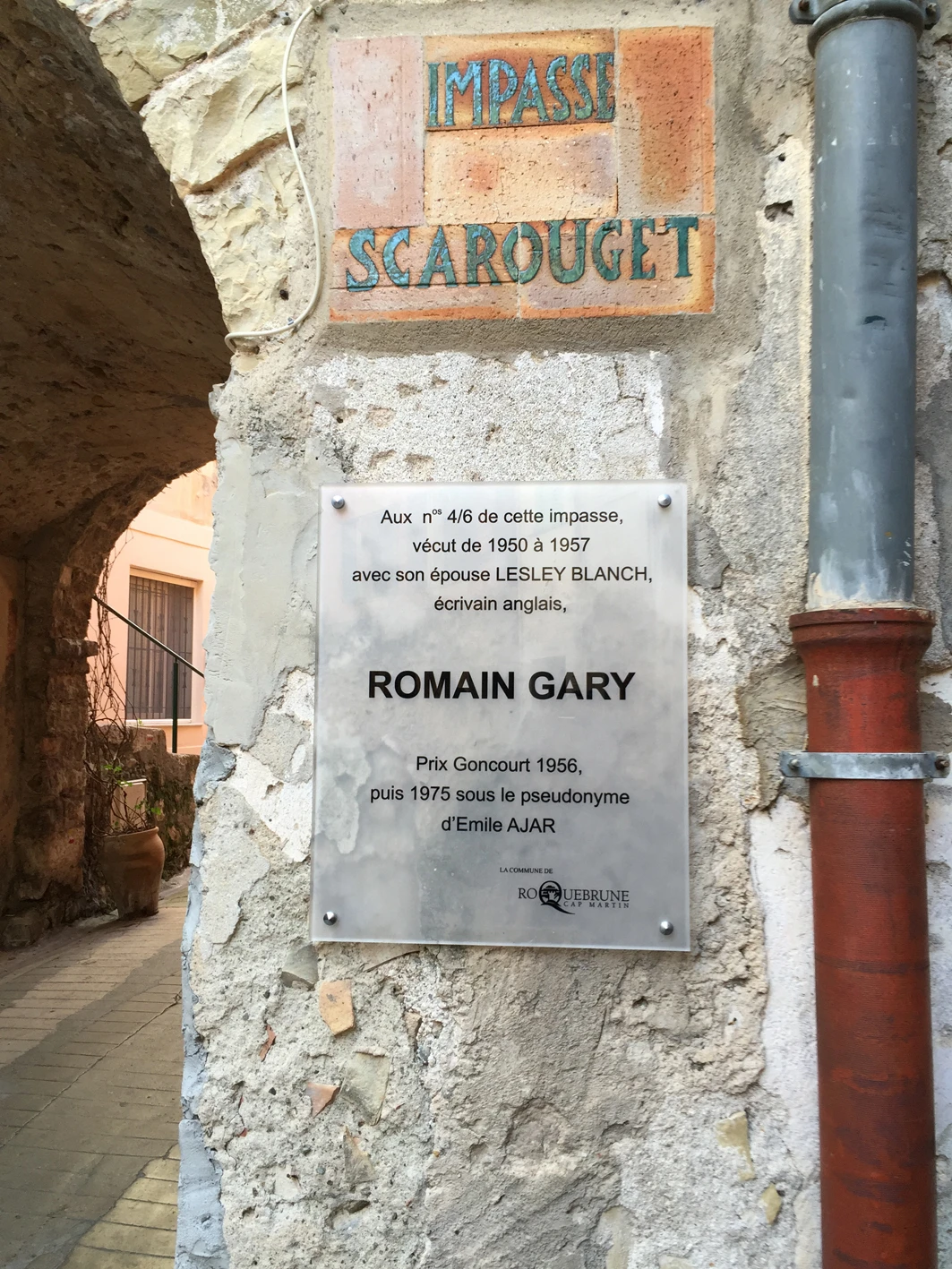
Romain Gary at Salon — 17 June
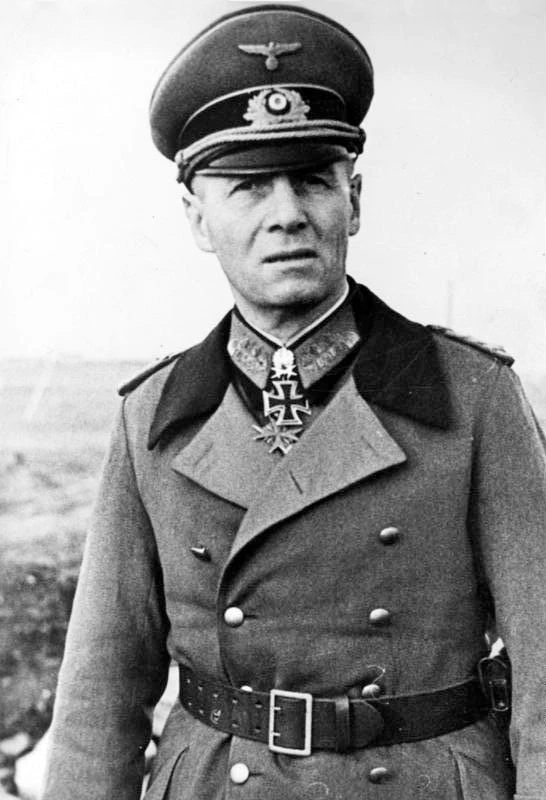
Rommel before the Serre — the Crécy bridge
Beauffrère and the 21st RIC at Dunkirk
Calais — Nicholson facing the ultimatum
Juutilainen — the pilot of LeLv 24
Mitralexis — out of ammunition
Bulson — Lafontaine and the 02:00 rumour
The deluge of Stukas over Sedan
Mölders above the columns — 18 May
Monthermé — Portzert in the Meuse loop
Romain Gary at Salon — 17 June