
The invasion of the USSR is not, for the Nazi leaders, a mere military conquest: it is the precondition for a demographic reshaping of Eastern Europe according to the ideology of 'living space'. Two bodies of plans are drawn up in 1941, notably around at the food ministry and the SS planners. The question of the agricultural resources of Ukraine and the south of the USSR, coveted for Germany and the Wehrmacht, is posed in chilling terms: who will be fed, and who will not.
The Generalplan Ost projects the German colonization of the East through the expulsion, enslavement or elimination of the majority of the Slavs and of all the Jews. These projects presuppose tens of millions of deaths, coldly conceived as a given of the development of 'living space'.
These plans pose a choice of method to the Nazi apparatus for the administration of the conquered territories: exploit the local population as a labour force while feeding it minimally; on the contrary organize a management of food whose logic would condemn entire populations; or defer these projects until after the military victory. The decision engages the fate of tens of millions of inhabitants.
What policy does the Reich adopt for the populations and resources of the conquered East?
The regime adopts as a guiding principle the deliberate withholding of food, at the cost of mass famine: this is the Hunger Plan (Hungerplan), which provides for diverting the agricultural resources of Ukraine and the south of the USSR toward Germany and the Wehrmacht, deliberately condemning to famine tens of millions of inhabitants of the cities and the 'surplus' regions. The Hunger Plan and the Generalplan Ost will never be applied in their entirety — the total military victory eludes them — but their logic translates at once into mass crimes: organized famine in the cities (the siege of Leningrad, still to come, will be its deadliest example), and above all the homicidal treatment of Soviet prisoners of war, of whom more than three million will die of hunger, cold and ill-treatment in the German camps in 1941-1942 — one of the greatest crimes of the war, long obscured. These plans reveal that Barbarossa was conceived, from the outset, as a war of demographic extermination, of which the Holocaust constitutes the most radical component.
Learn more about this event
Related polls
10
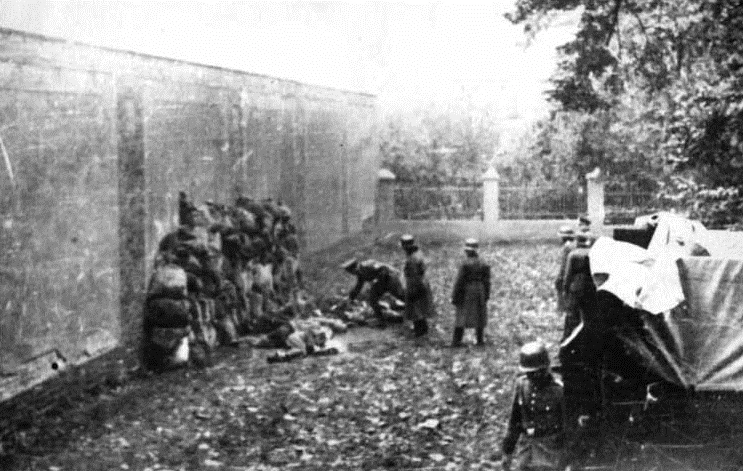
The Warsaw Ghetto — the ration of hunger
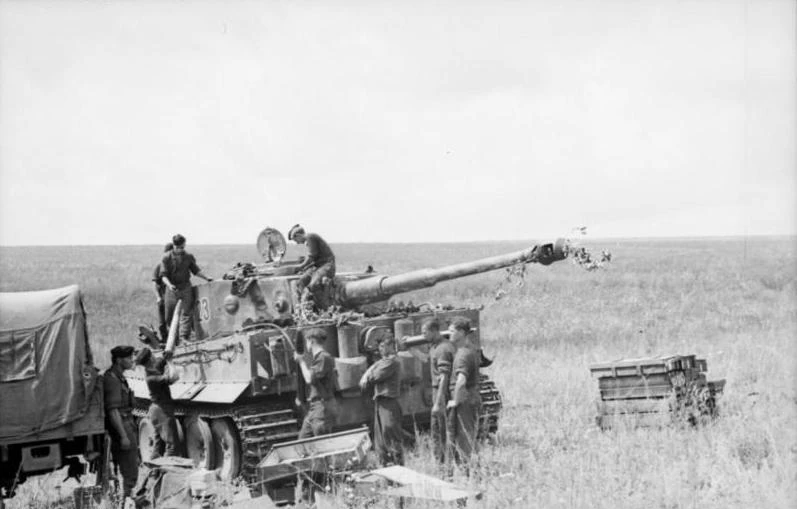
Krupp and the Beast's Cannon
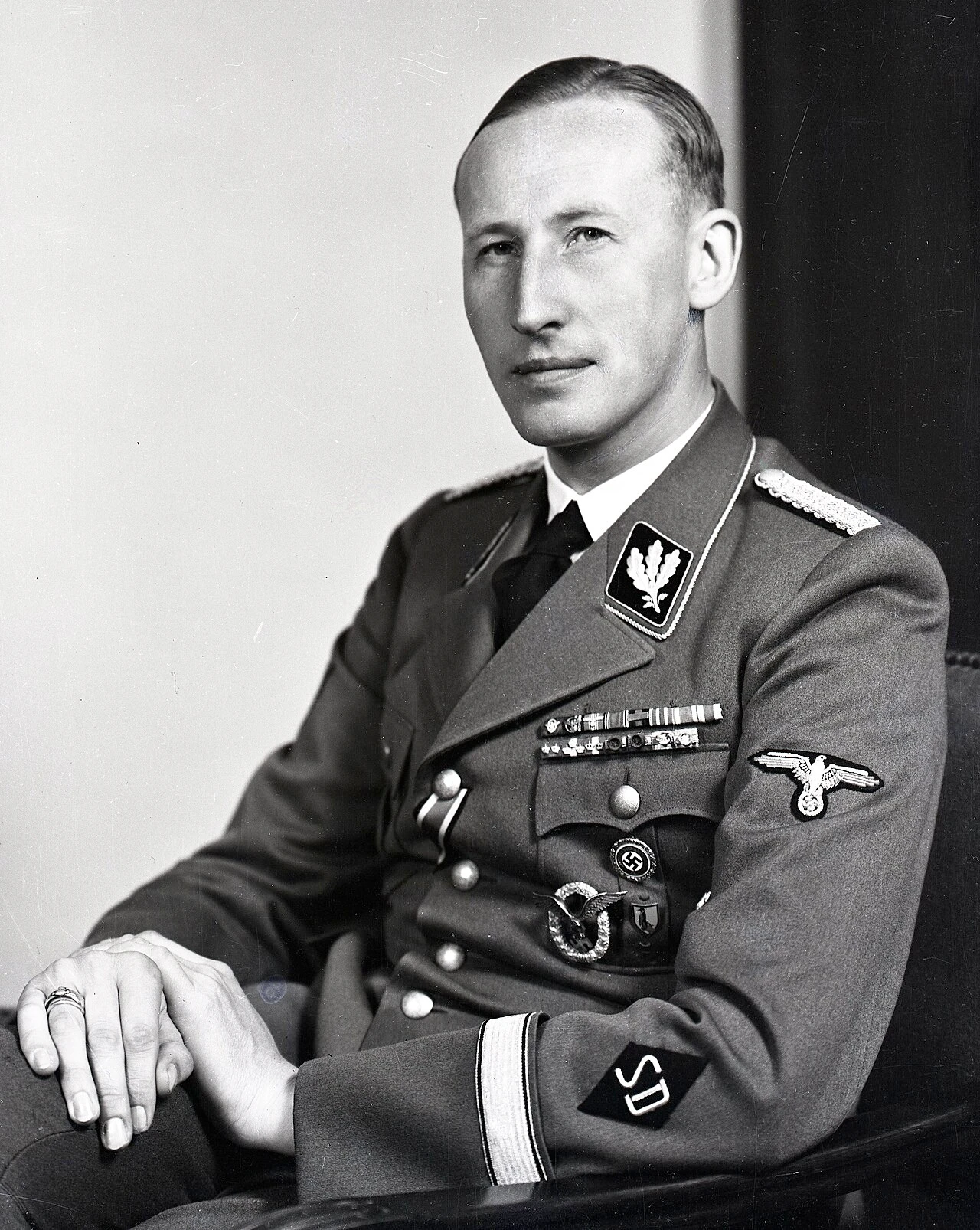
Heydrich's mandate
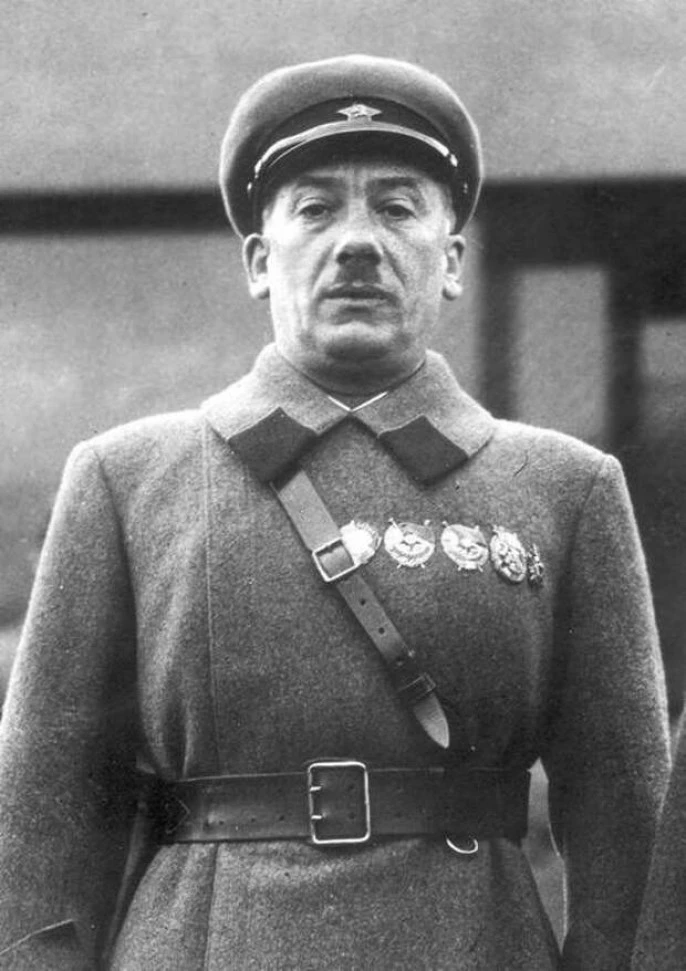
The Commissar Order
The Barbarossa decree — the 'licence to kill'
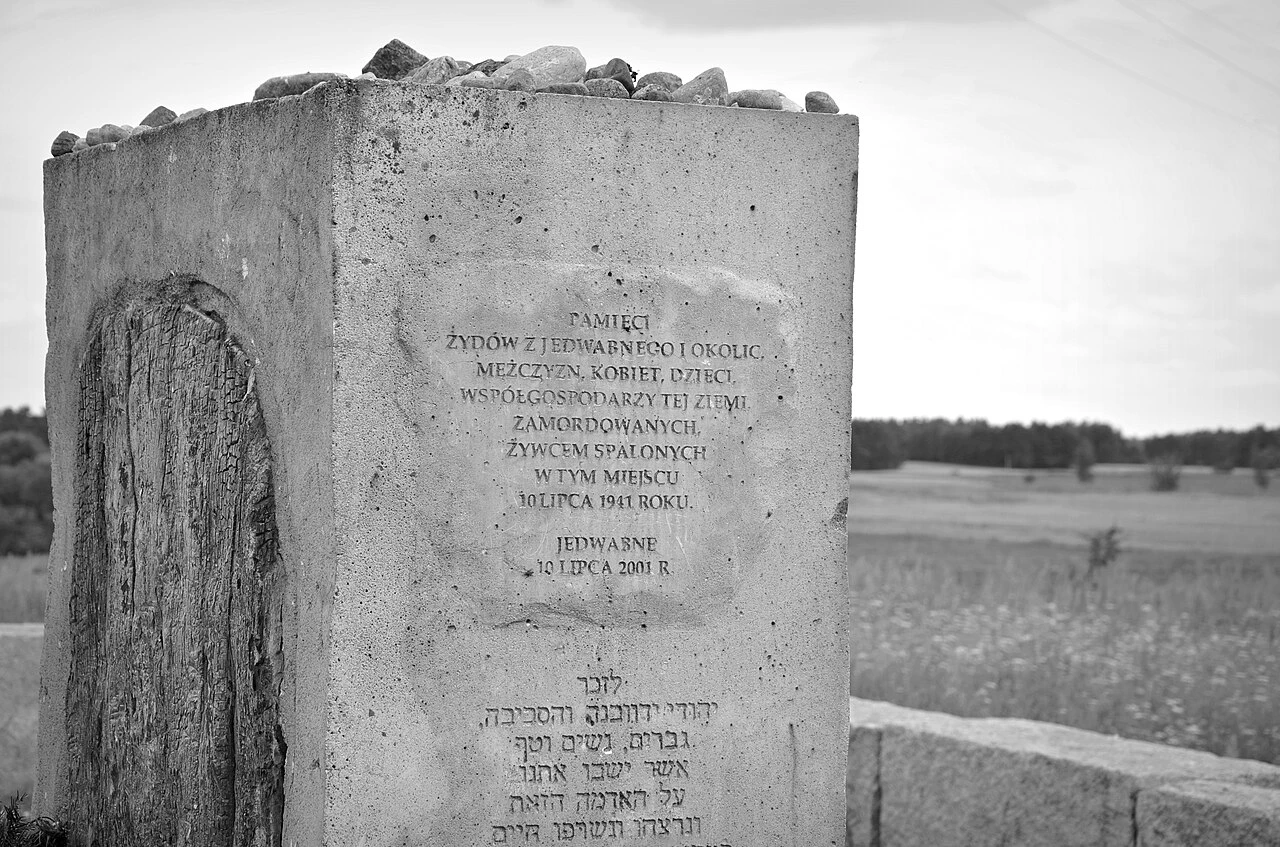
Jedwabne — the crime of the neighbours
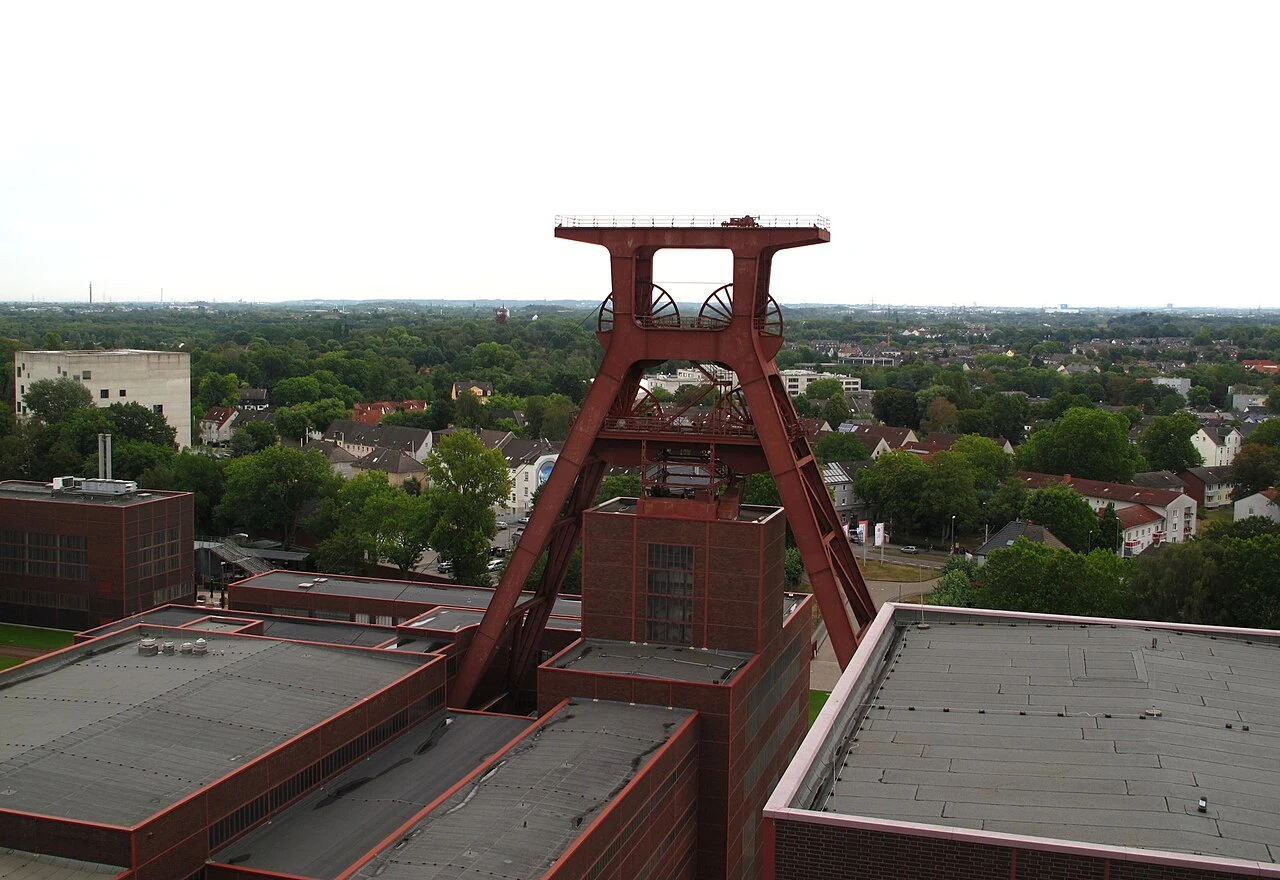
The Reich's Coal: the State or the Barons of the Ruhr
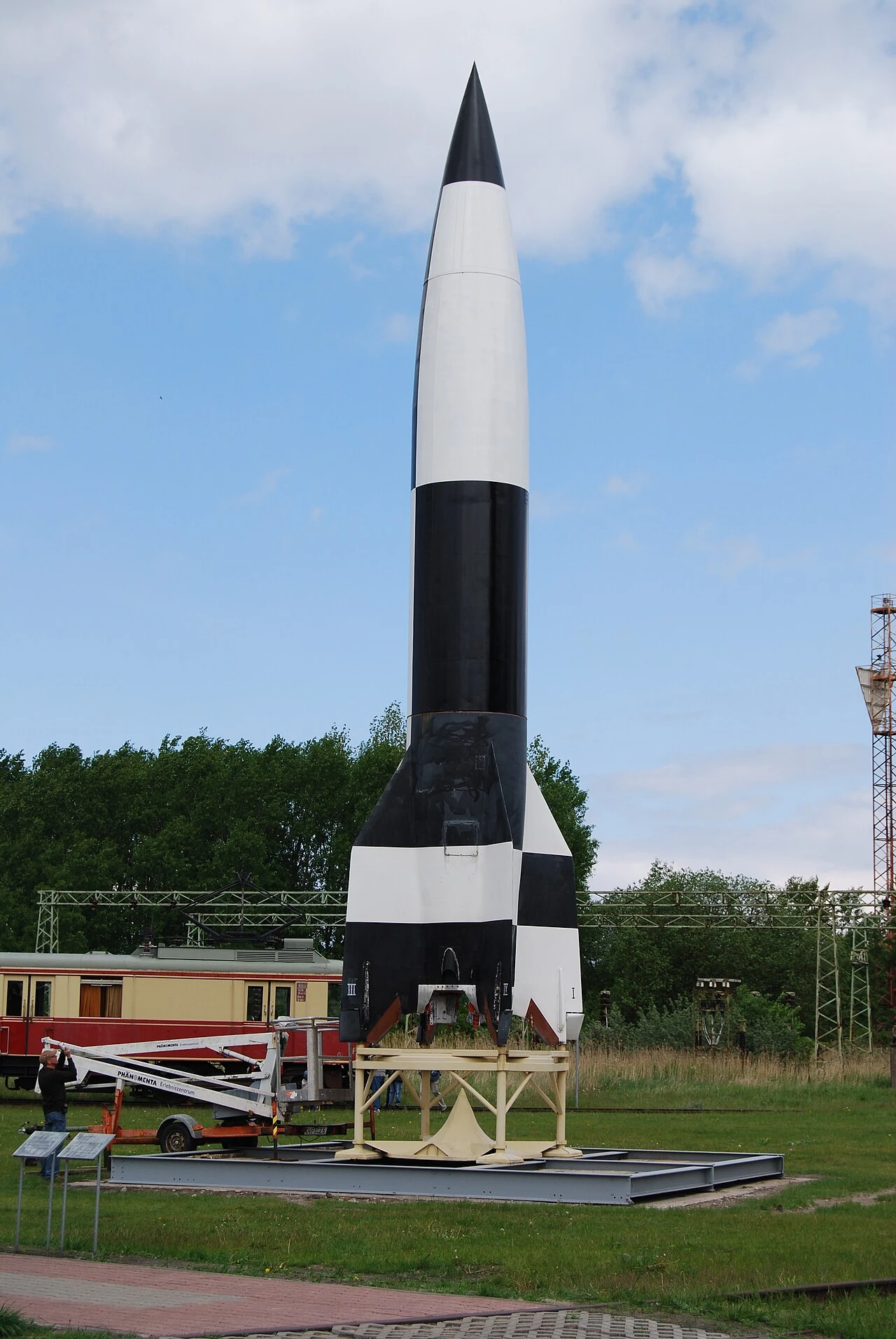
Peenemünde: producing before flying
The Obersalzberg Speech
The Prophecy Speech
The Warsaw Ghetto — the ration of hunger
Krupp and the Beast's Cannon
Heydrich's mandate
The Commissar Order
The Barbarossa decree — the 'licence to kill'
Jedwabne — the crime of the neighbours
The Reich's Coal: the State or the Barons of the Ruhr
Peenemünde: producing before flying
The Obersalzberg Speech