
Leningrad University during the siege
On 8 September 1941, the encirclement of Leningrad by German and Finnish forces closes, inaugurating one of the deadliest sieges in history. With Hitler having chosen to starve the city rather than take it by storm, the winter of 1941–1942 becomes a nightmare: mortality reaches up to 100,000 deaths a month in January–February 1942. The bread ration drops to 125 grams a day for dependents. It is in this context that Leningrad State University must decide its fate.
At its head is , an economist appointed rector in June 1941. The famine strikes without distinction: teachers and students are weakened by dystrophy, the rooms are freezing, fuel is lacking. To maintain teaching in such conditions would expose everyone to dying of starvation at their posts; to suspend it would mean extinguishing an institution emblematic of the besieged city.
A partial way out exists: the "Road of Life," the track laid across the ice of Lake Ladoga, allows evacuation to the rear. The leadership must arbitrate between maintaining a university presence in the martyred city, evacuating wholesale to save its people, or combining the two at heavy risk.
During the winter of the blockade, what fate does the leadership of Leningrad University reserve for its courses and its students?
Leningrad State University held on during the winter of the siege while organising the evacuation of part of its core members. Under its rector , courses continued for tiny groups — sometimes three or four students — in unheated rooms, and several thousand students graduated during this first winter, at the cost of very many deaths from hunger among teachers and students. In the spring and summer of 1942, the institution was evacuated via the ice road across Lake Ladoga and merged with Saratov University until 1944. Voznesensky survived the siege but was executed in 1950 during the "Leningrad Affair," then rehabilitated after Stalin's death.
Learn more about this event
Related polls
10
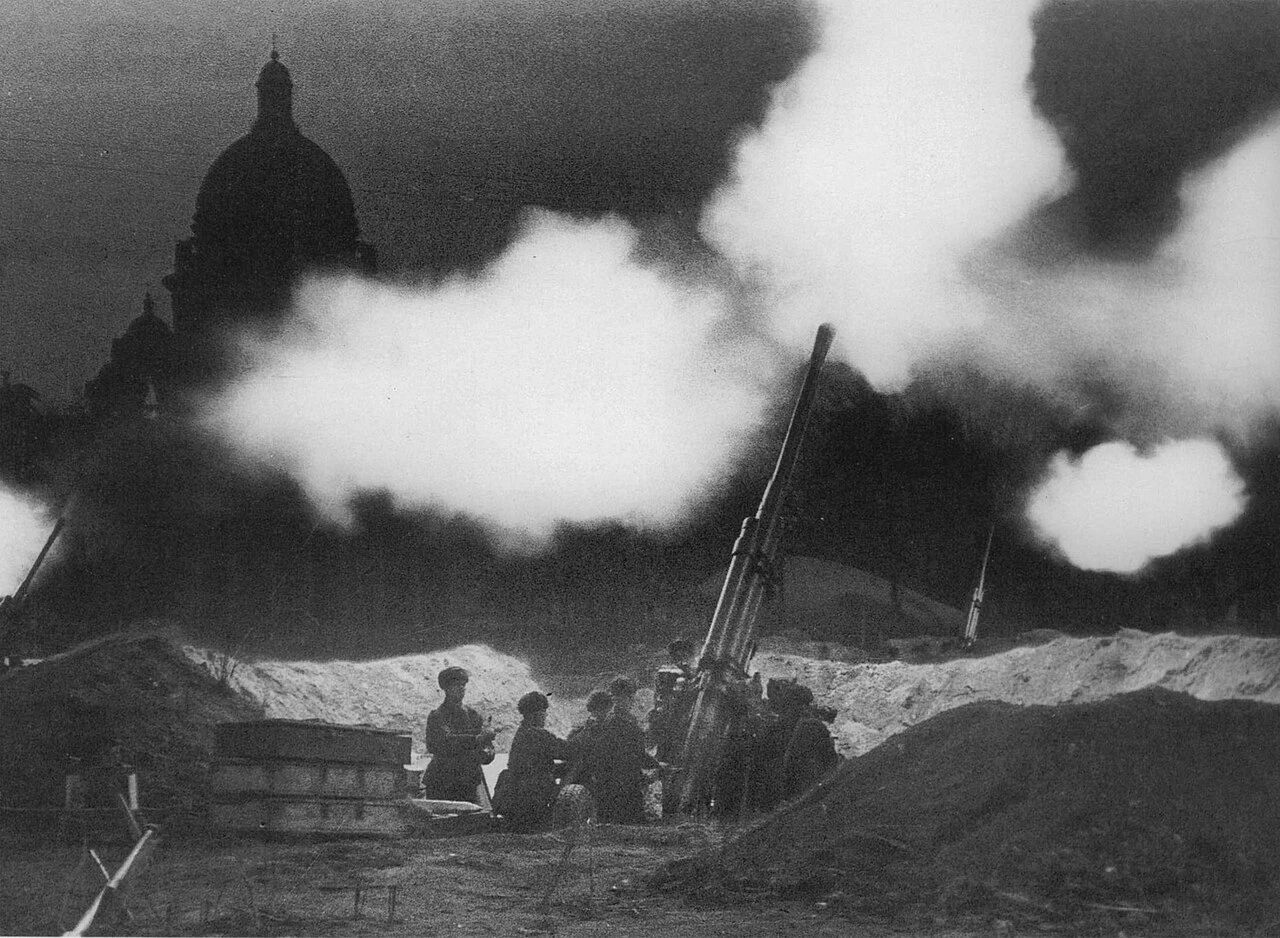
The Leningrad doctor during the winter of the siege
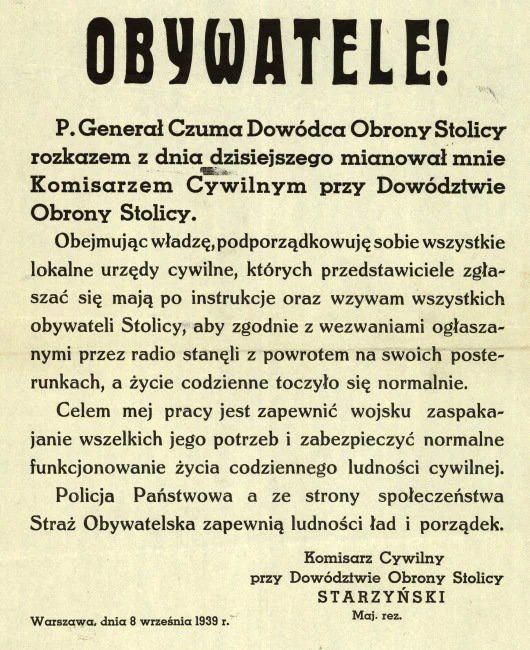
Warsaw Under Siege: Feeding the City or the Front
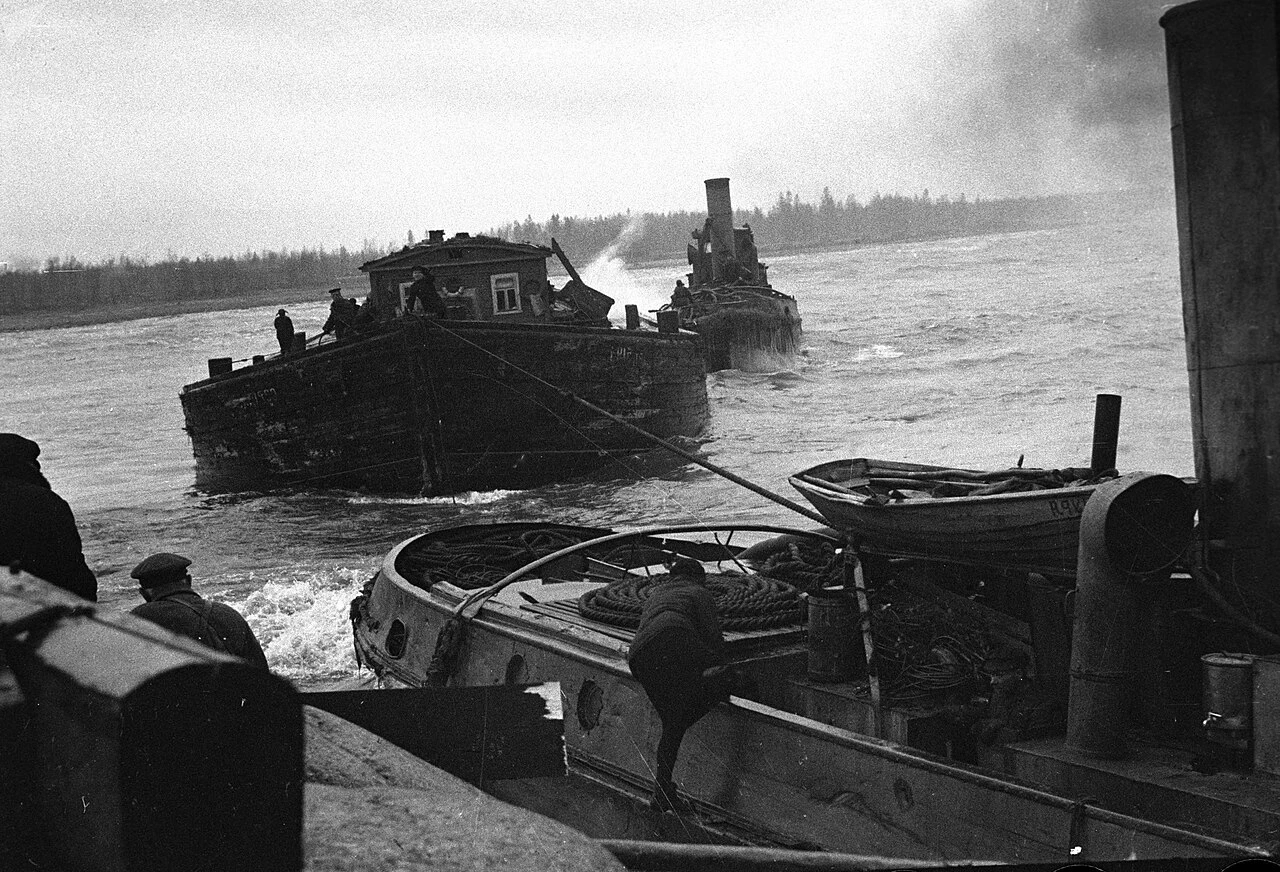
Leningrad: The First Ice on Lake Ladoga
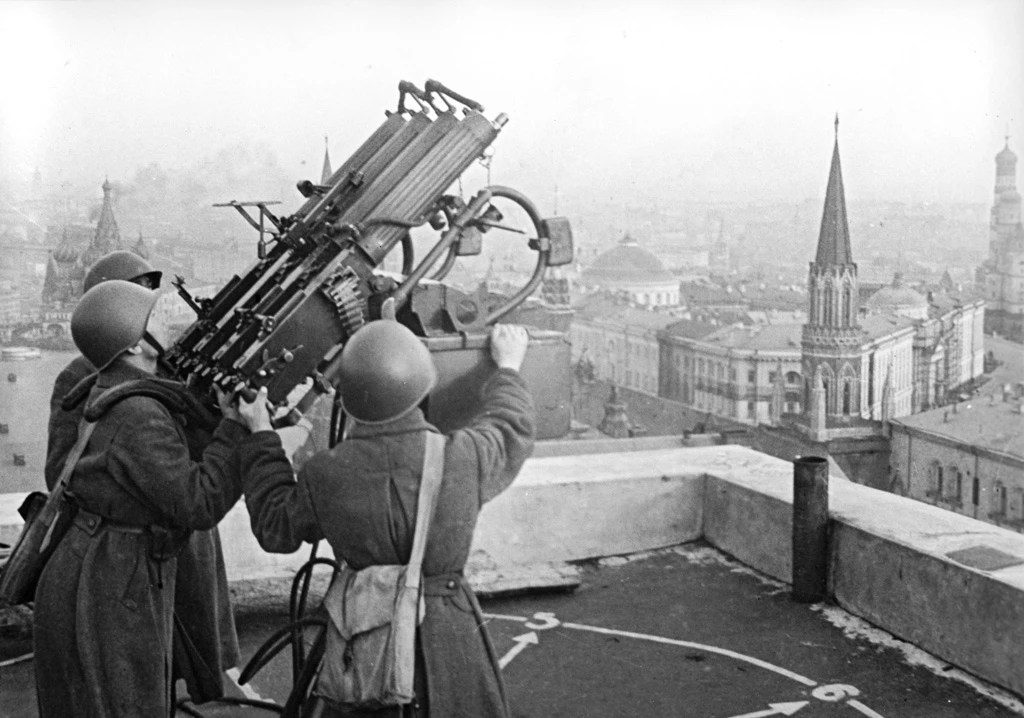
Moscow, 16 October 1941: The Day of Great Panic
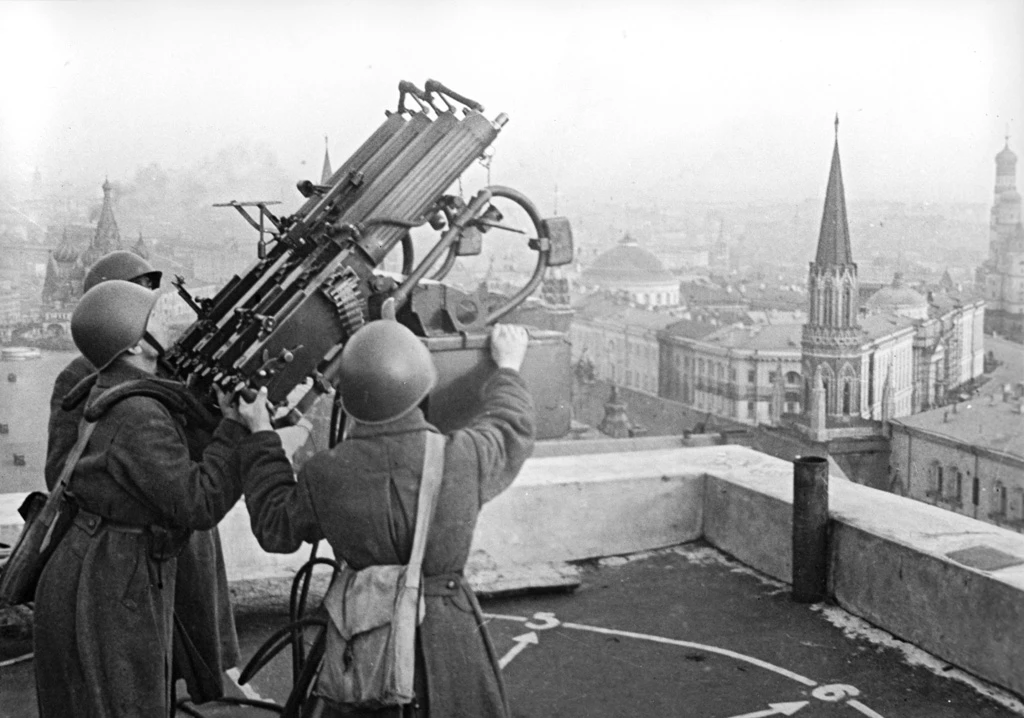
Vyazma, October 1941: the militia faces the onslaught
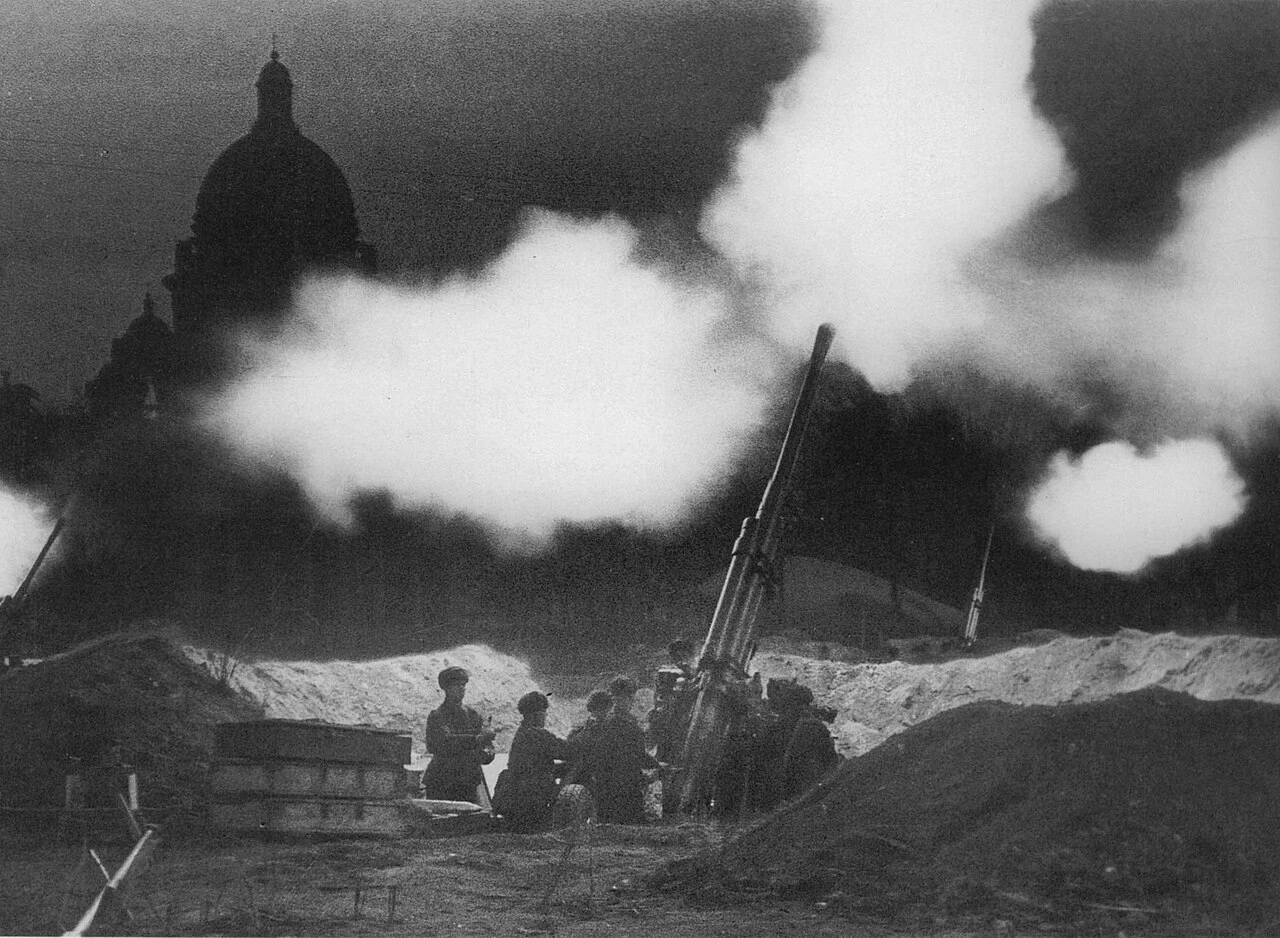
The Kirov Plant Under the Shells
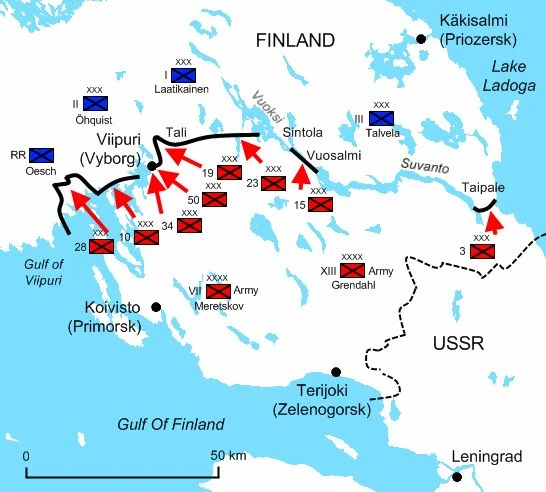
Talvela at Vyborg — 17 February
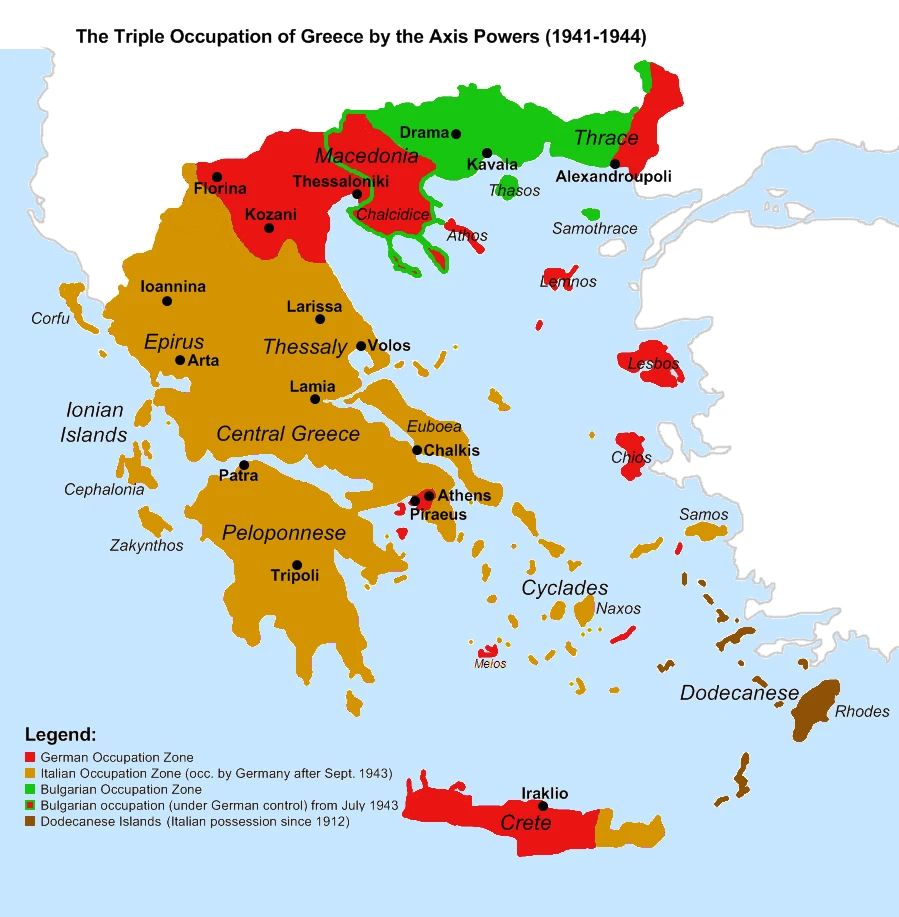
Athens, the Winter of Hunger
Brest — the Encircled Fortress
Rostov: Withdraw or Obey the Führer
The Leningrad doctor during the winter of the siege
Warsaw Under Siege: Feeding the City or the Front
Leningrad: The First Ice on Lake Ladoga
Moscow, 16 October 1941: The Day of Great Panic
Vyazma, October 1941: the militia faces the onslaught
The Kirov Plant Under the Shells
Talvela at Vyborg — 17 February
Athens, the Winter of Hunger
Brest — the Encircled Fortress