
Citroën, the occupier and the secret little car
Summer 1940. Paris is occupied. The Citroën factory on the Quai de Javel, owned by the Michelin group, is ordered to produce trucks for the Wehrmacht. But the company is also hiding another treasure: the TPV (Toute Petite Voiture, "Very Small Car"), the prototype of a people's car developed in great secrecy in the late 1930s.
The German technical officials, who are themselves developing the future Beetle and its military version, the Kübelwagen, show keen interest in this French project. Several prototypes still exist, scattered across the workshops and test centres.
Boulanger, who refuses any direct contact with the German authorities, must make a decision: allow these prototypes to be examined, hand them over, or make them disappear so that no military application can come of them.
Since the 1930s, Citroën has been secretly developing a prototype for a people's car, the TPV. Under the Occupation, German engineers take a close interest in it. What does Boulanger decide to do with these prototypes?
Boulanger and the management (along with Michelin, the principal shareholder) decided to keep the TPV out of German hands: the prototypes were hidden in secret locations, some buried or disguised, others destroyed, in order to prevent a military version from being derived from them, as had happened with the Beetle/Kübelwagen. The project remained concealed throughout the war; Boulanger refined the concept and the 2CV would not be unveiled until 1948. For a long time only two prototypes were believed to have survived, until the rediscovery of several hidden TPVs in a barn in 1994. Boulanger appeared on the German blacklist of "enemies of the Reich".
Learn more about this event
Related polls
10
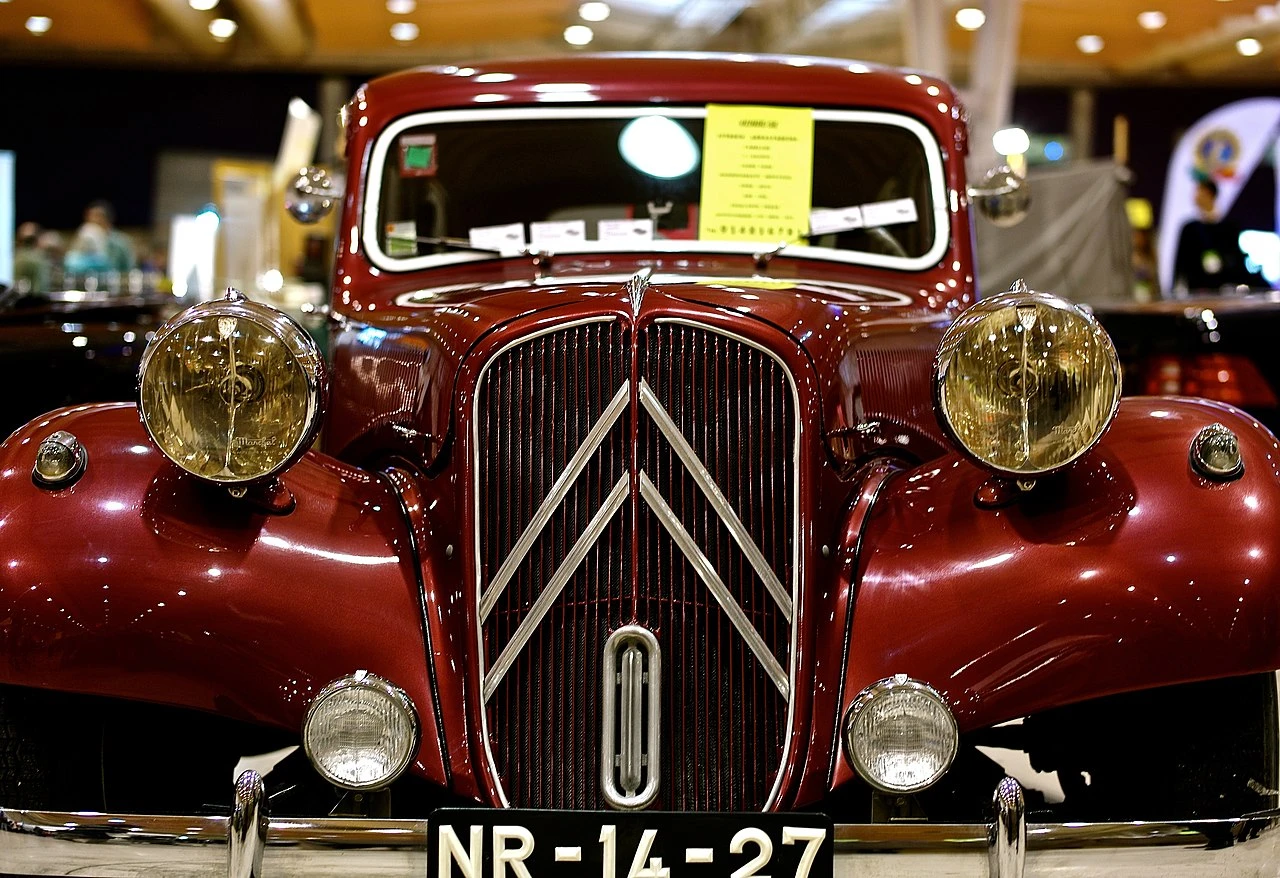
Boulanger and the Reich's trucks

Citroën under the Occupation: the boss faces German orders
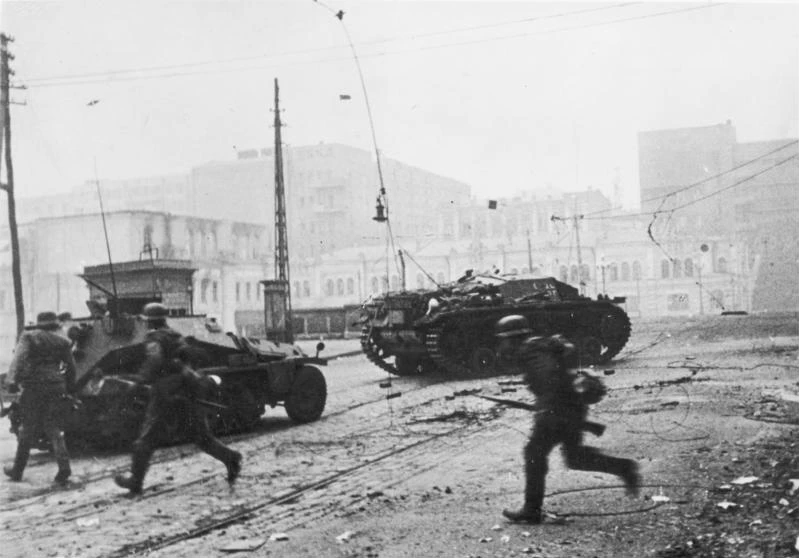
Soviet Sappers at Kharkov
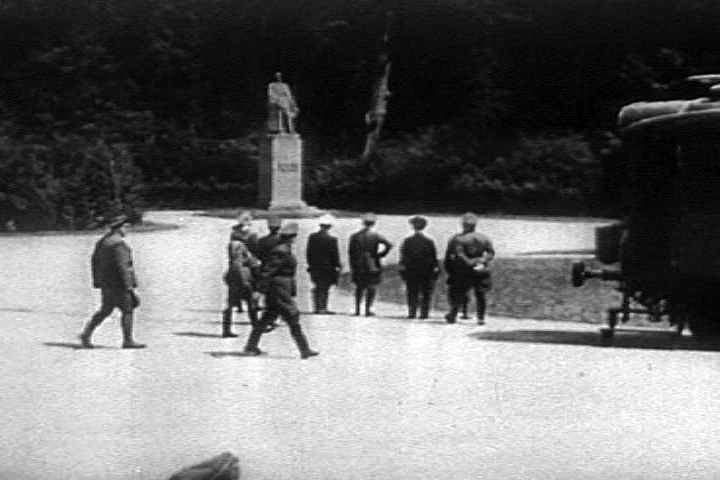
The weapons of the armistice — a secret beneath the table at Wiesbaden
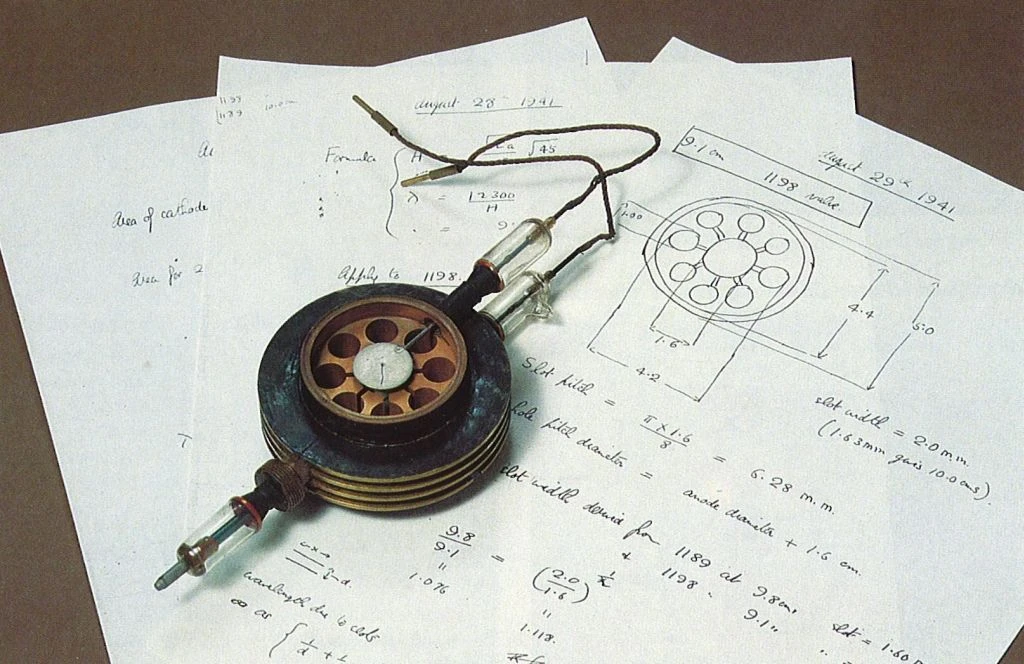
The Tizard Mission's Trunk for America
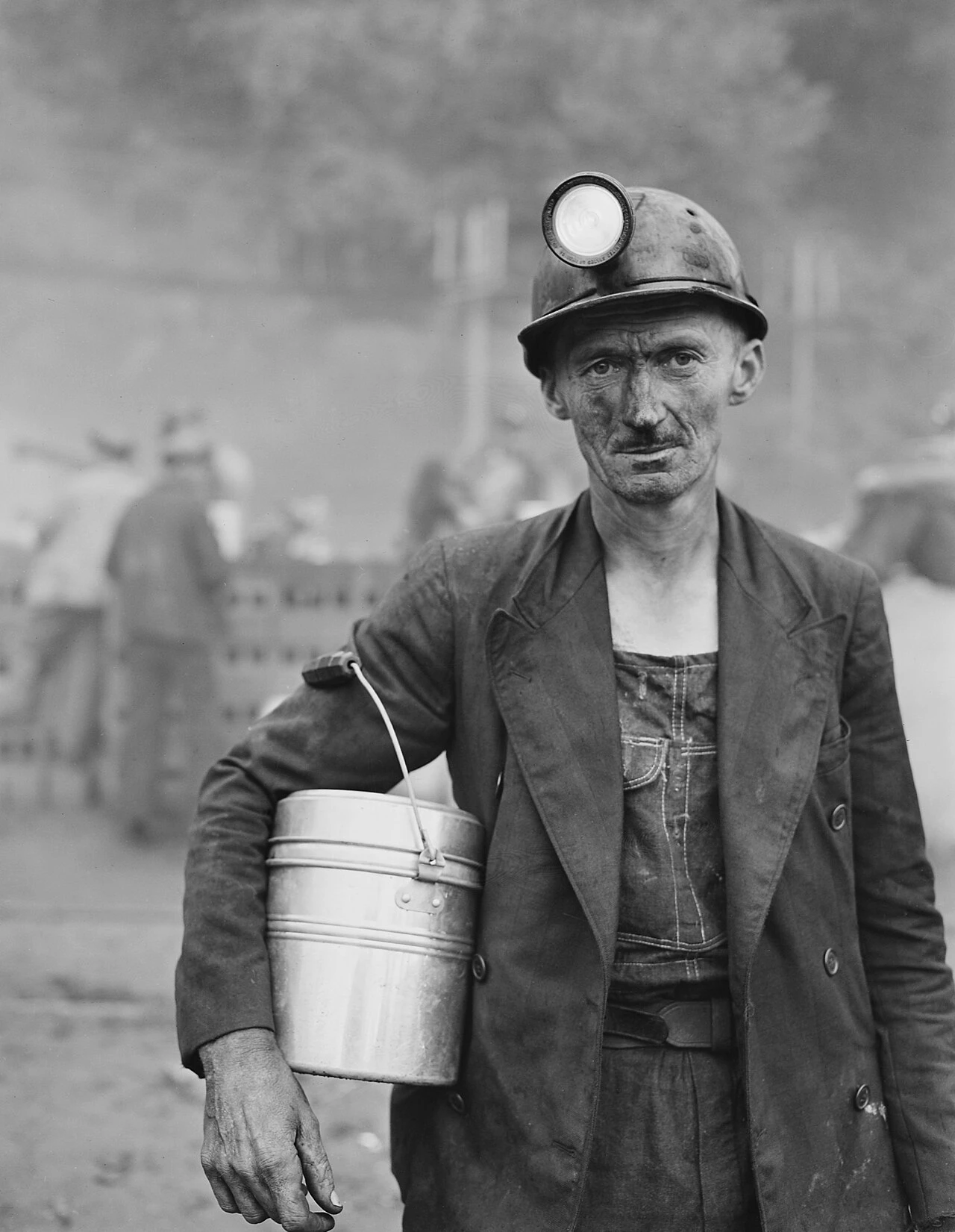
At the Dahomey pit, the morning of team-rate pay
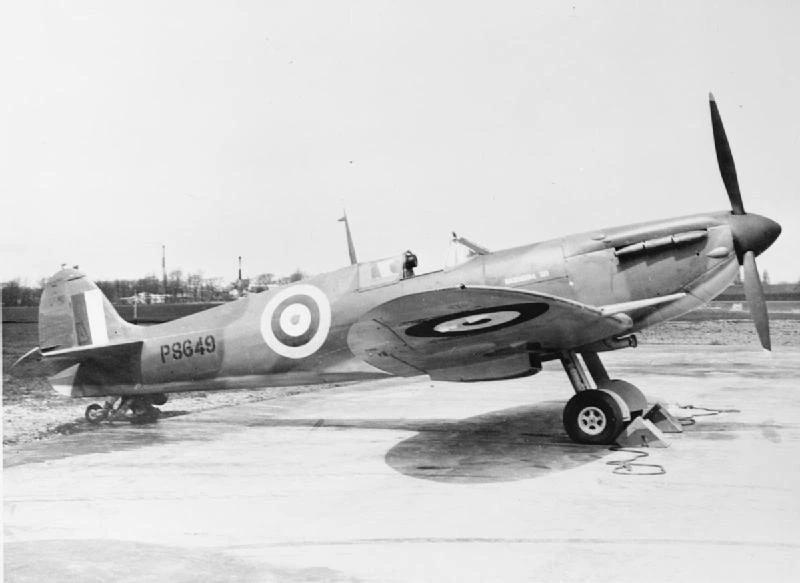
The Shadow Factories
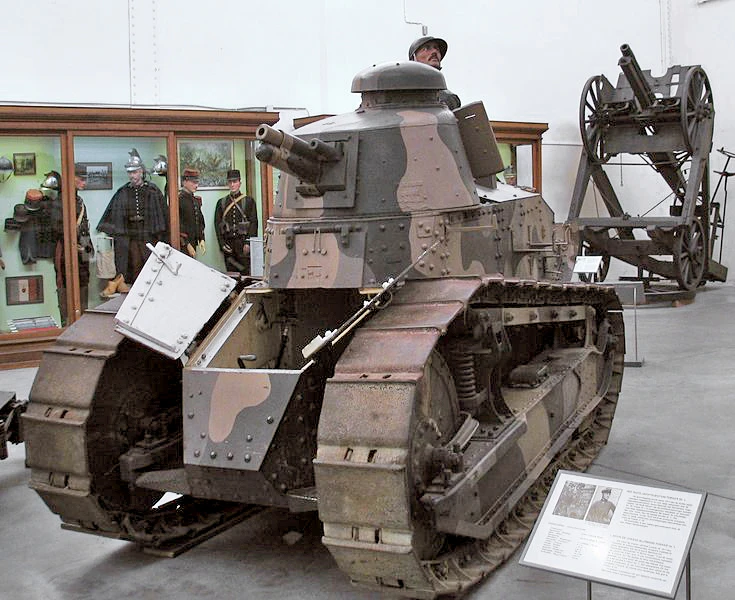
The tank of the future or the tanks of today?
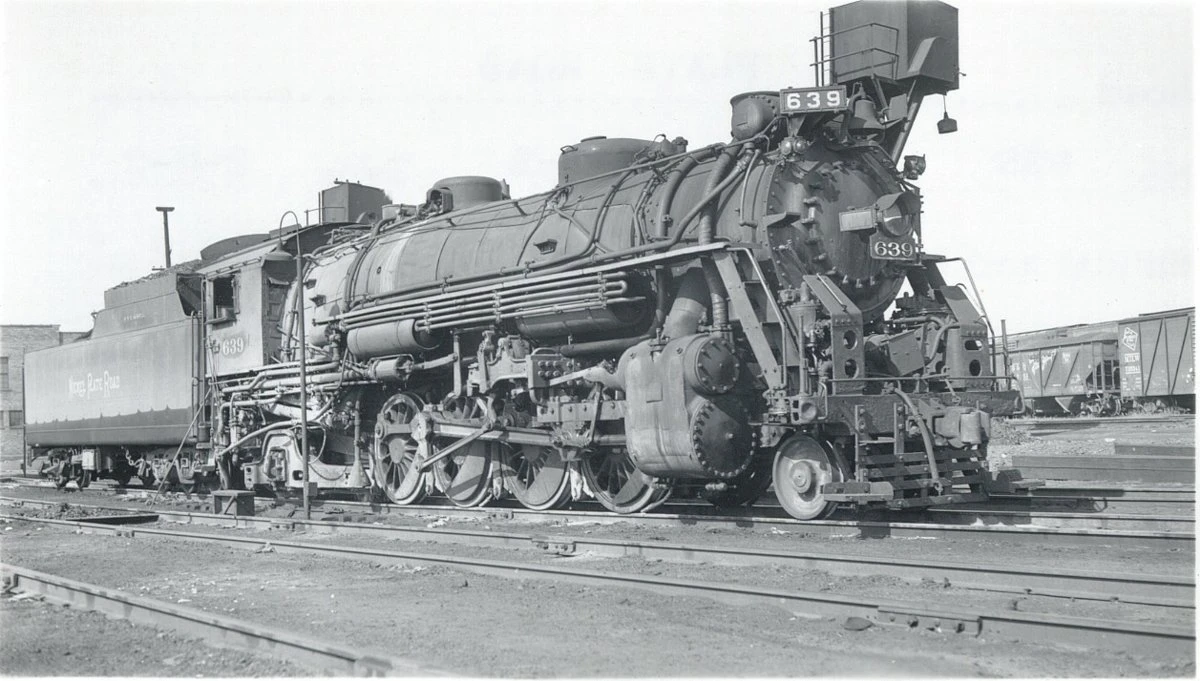
Article 13: the SNCF and the occupier
Ten thousand tanks, and nothing on paper
Boulanger and the Reich's trucks
Citroën under the Occupation: the boss faces German orders
Soviet Sappers at Kharkov
The weapons of the armistice — a secret beneath the table at Wiesbaden
The Tizard Mission's Trunk for America
At the Dahomey pit, the morning of team-rate pay
The Shadow Factories
The tank of the future or the tanks of today?
Article 13: the SNCF and the occupier