
Enigma — the Pyry conference
, 43, has run the BS-4 (German section) of the Polish General Staff's Cipher Bureau since 1929 — a secret installation hidden in the Pyry forest, 15 km south of Warsaw. Under his command, three mathematicians from the University of Poznań — , and — reconstructed the inner workings of the German Enigma cipher machine as early as December 1932. Since then, BS-4 has been reading German traffic regularly, using electromechanical "bombes" and the Zygalski sheet method.
On 1 January 1939, the Germans add two extra rotors (V and VI) to the military Enigma. The Polish bombes are rendered obsolete: they lack the technical means to multiply them — sixty would be needed instead of six, at a cost equal to the entire annual budget of the Polish army.
Langer reports up the chain to the General Staff (General ) that Poland can no longer keep up alone. The decision is political: share with the Allies or not? Several precedents (1931 Polish-French exchanges around the material, 1934 Polish-British contacts) had shown that the British and French did not believe Enigma was breakable. If Poland reveals her secret and is then occupied, the work is lost — but if the Allies exploit the information, the potential is immense.
What should he recommend to the General Staff in July 1939?
Stachiewicz approves B on Langer's recommendation. On 25-26 July 1939, at the Pyry centre, Langer receives the French Commandant (SR Air) and the British delegation — (head of the Government Code and Cypher School) accompanied by (GC&CS cryptanalyst). The Poles explain all their reconstruction techniques, demonstrate the bombes in operation and — the decisive gesture — hand each delegation a complete replica of the military Enigma, built by AVA Radio in Warsaw. Knox is so stunned that he cables London saying they must "give the Poles everything they ask for". At Bletchley Park, Rejewski's work allows and to design their own bombes (the Turing bombes), operational from March 1940. The three Polish cryptanalysts escape via Romania in September, reach France where they continue to break ciphers for Bertrand until 1942, then fall back into Spain (where Różycki dies at sea in 1942 in the sinking of the liner Lamoricière). Rejewski and Zygalski finish the war at Boxmoor (UK), in the Polish auxiliary service — assigned to minor tasks, never granted access to Bletchley. Their role would not be publicly acknowledged in Britain until 1973 (Bertrand's book) and then 2000 (an official British report).
Learn more about this event
Related polls
10
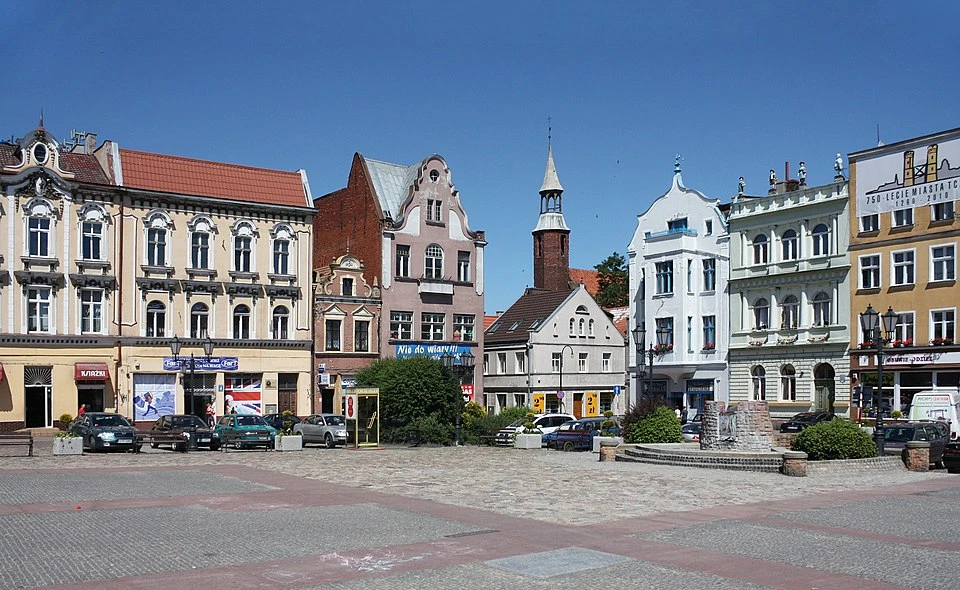
The Tczew bridge — Janik and the detonator

Borakowski and the merchant fleet
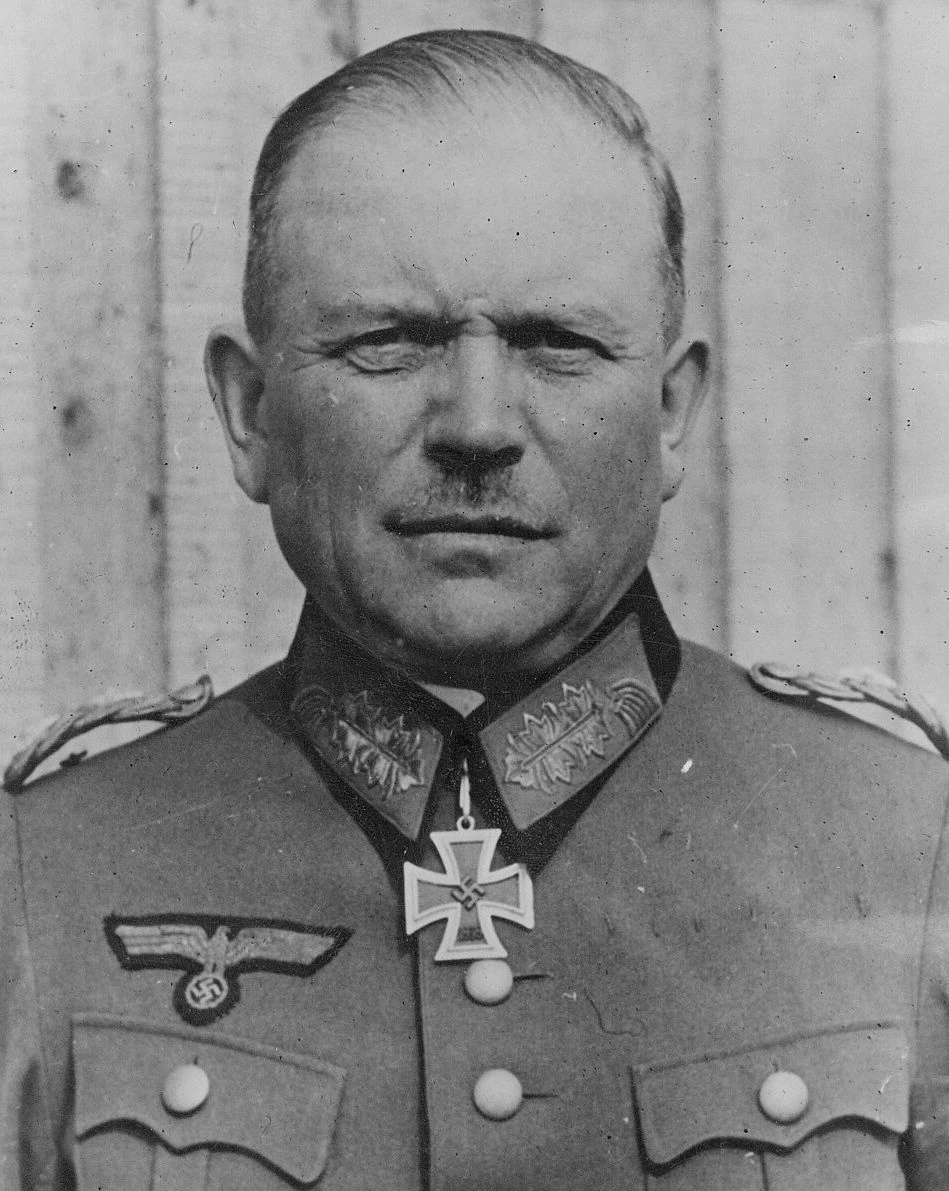
Brześć — Plisowski faces Guderian
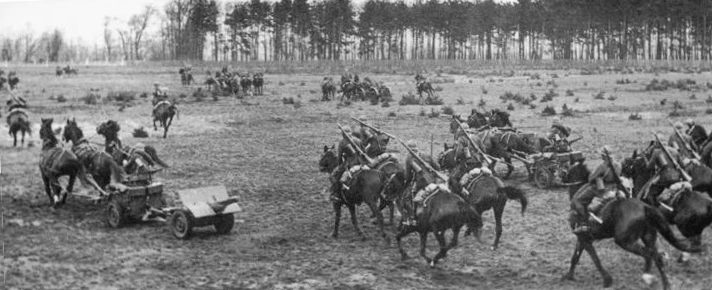
The Bzura — Kutrzeba faces the trap
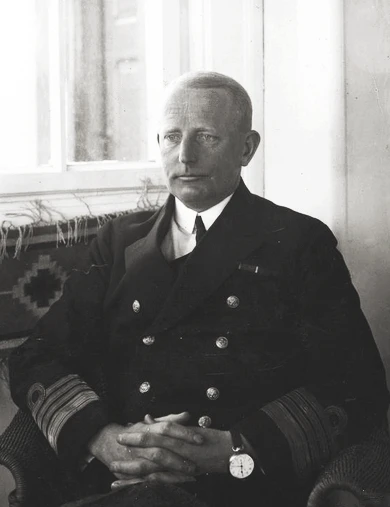
Hel — Unrug faces the German envoy
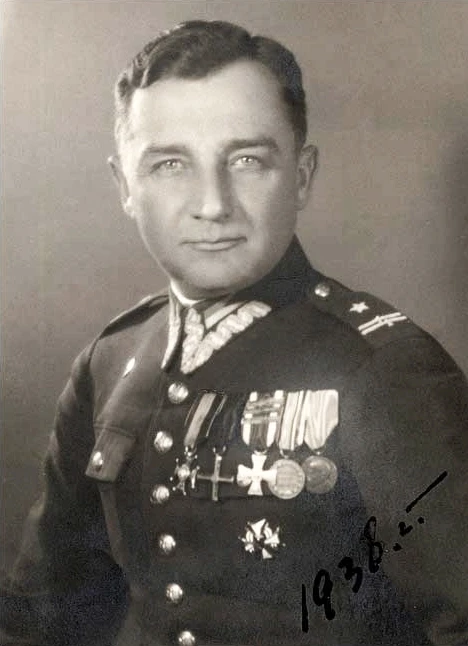
Hubal — after the order to disband
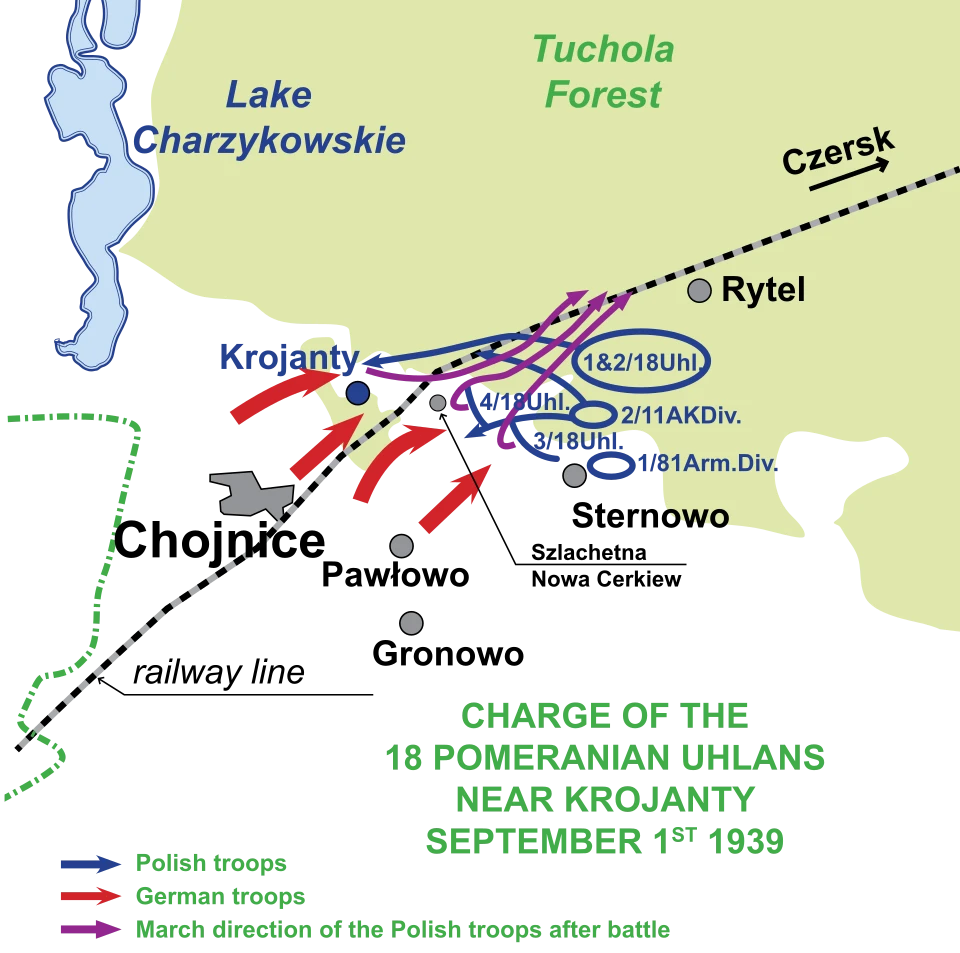
Krojanty — Mastalerz and the 18th Uhlans
Lwów — Langner between two occupiers
Maczek — the Black Brigade at Tatarska Przełęcz
Maria Wittek — Wzgórze Wuleckie
The Tczew bridge — Janik and the detonator
Borakowski and the merchant fleet
Brześć — Plisowski faces Guderian
The Bzura — Kutrzeba faces the trap
Hel — Unrug faces the German envoy
Hubal — after the order to disband
Krojanty — Mastalerz and the 18th Uhlans
Lwów — Langner between two occupiers
Maczek — the Black Brigade at Tatarska Przełęcz