
On 28 April 1939, Hitler takes the Reichstag rostrum to answer the public appeal Roosevelt addressed to him two weeks earlier. The context is tense: Prague, Memel and Albania have just fallen, and the United Kingdom guaranteed Poland on 31 March.
The speech is an exercise in force. Hitler can use the rostrum to harden his tone and denounce the treaties that hamper him — the German-Polish non-aggression pact of 1934, grown cumbersome in the face of his designs on Danzig, and the Anglo-German naval agreement of 1935, symbol of an understanding with London now defunct. He can also turn Roosevelt's appeal to ridicule.
But escalation has a price. To denounce these agreements is to send Warsaw and London a signal of open hostility and to close diplomatic doors. Hitler must choose between publicly hardening his position by denouncing the treaties, keeping up a façade of moderation so as not to precipitate the crisis, or confining himself to answering on the ground of propaganda without touching the agreements. The tone he adopts will set the course for the months to come.
Should Hitler publicly denounce the treaties with Poland and the United Kingdom, or keep up a façade of moderation?
Hitler chooses A: before the Reichstag, he denounces the non-aggression pact with Poland and the naval agreement with the United Kingdom, and ridicules Roosevelt's appeal by reading out the list of named nations to the laughter of the deputies. The speech, theatrical and shrewd, presents Germany as the victim of "encirclement" while scuttling the diplomatic safeguards. It sets the frame for the summer's showdown: Danzig and the corridor become the friction point, and Poland, now without a pact, is in the line of fire. Five months later, war will break out on the very ground the April speech cleared.
Learn more about this event
Related polls
10

Join the Party?
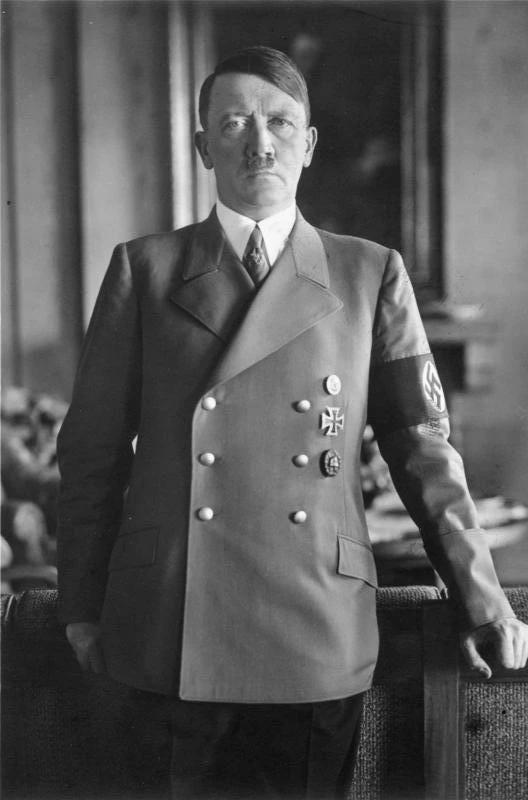
Hitler Before His Generals
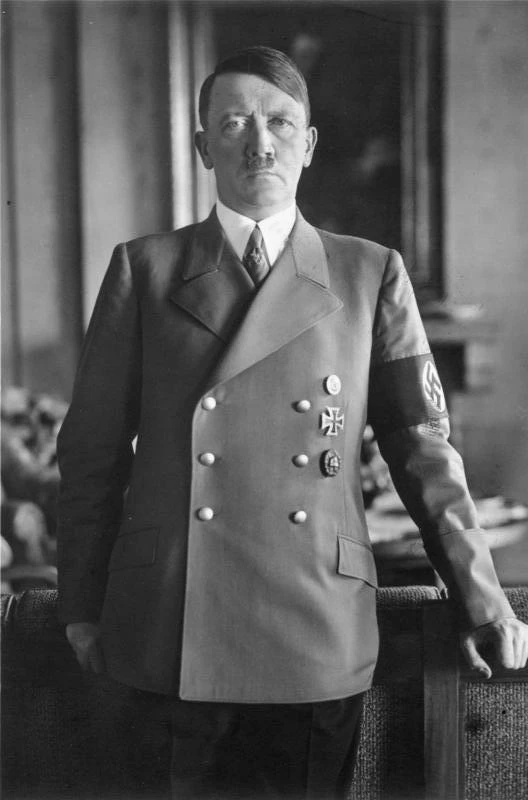
The Obersalzberg Speech
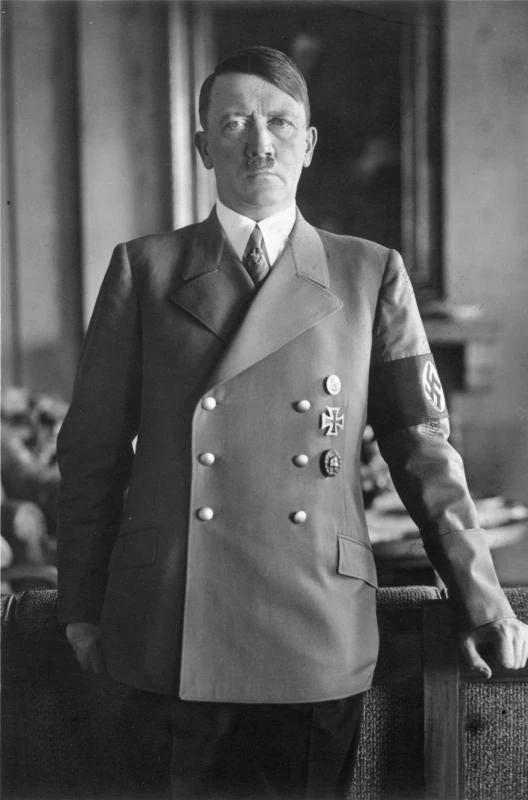
The Prophecy Speech
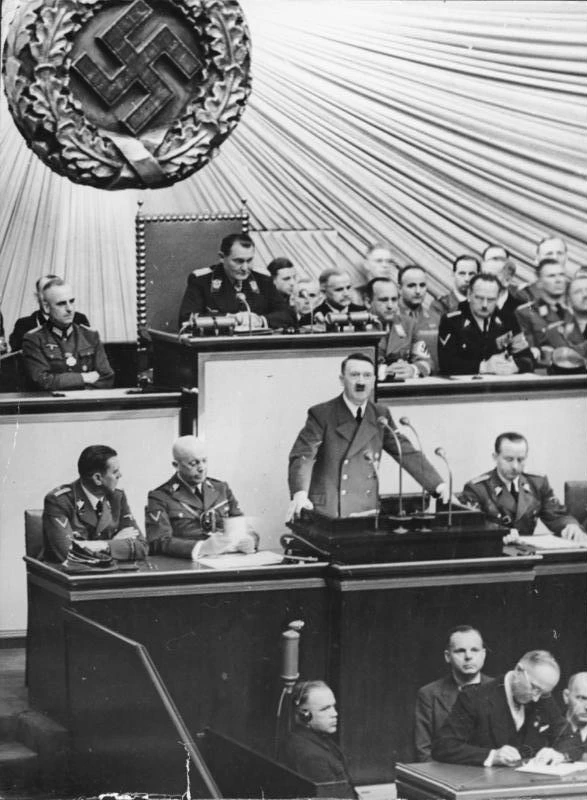
Hitler — the Reichstag Speech
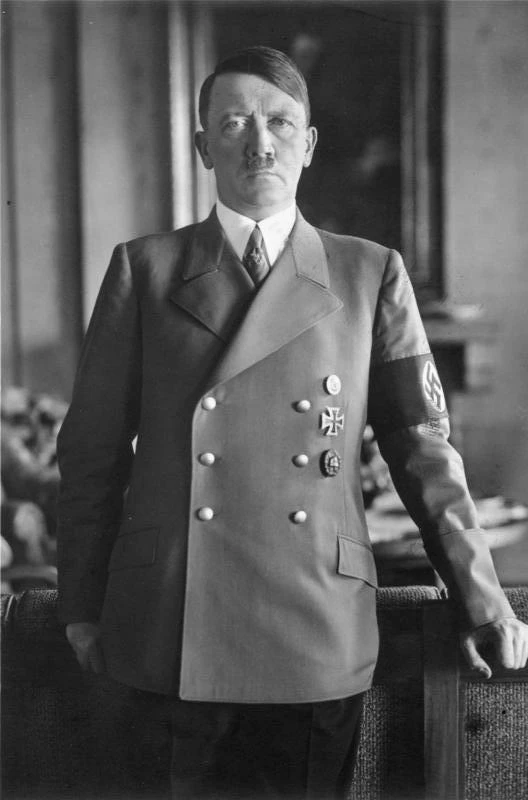
Hitler Postpones Fall Weiss
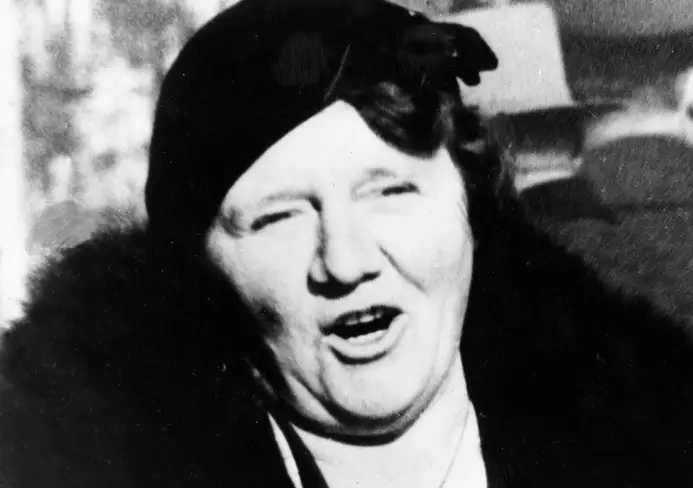
The Youth of the Reich
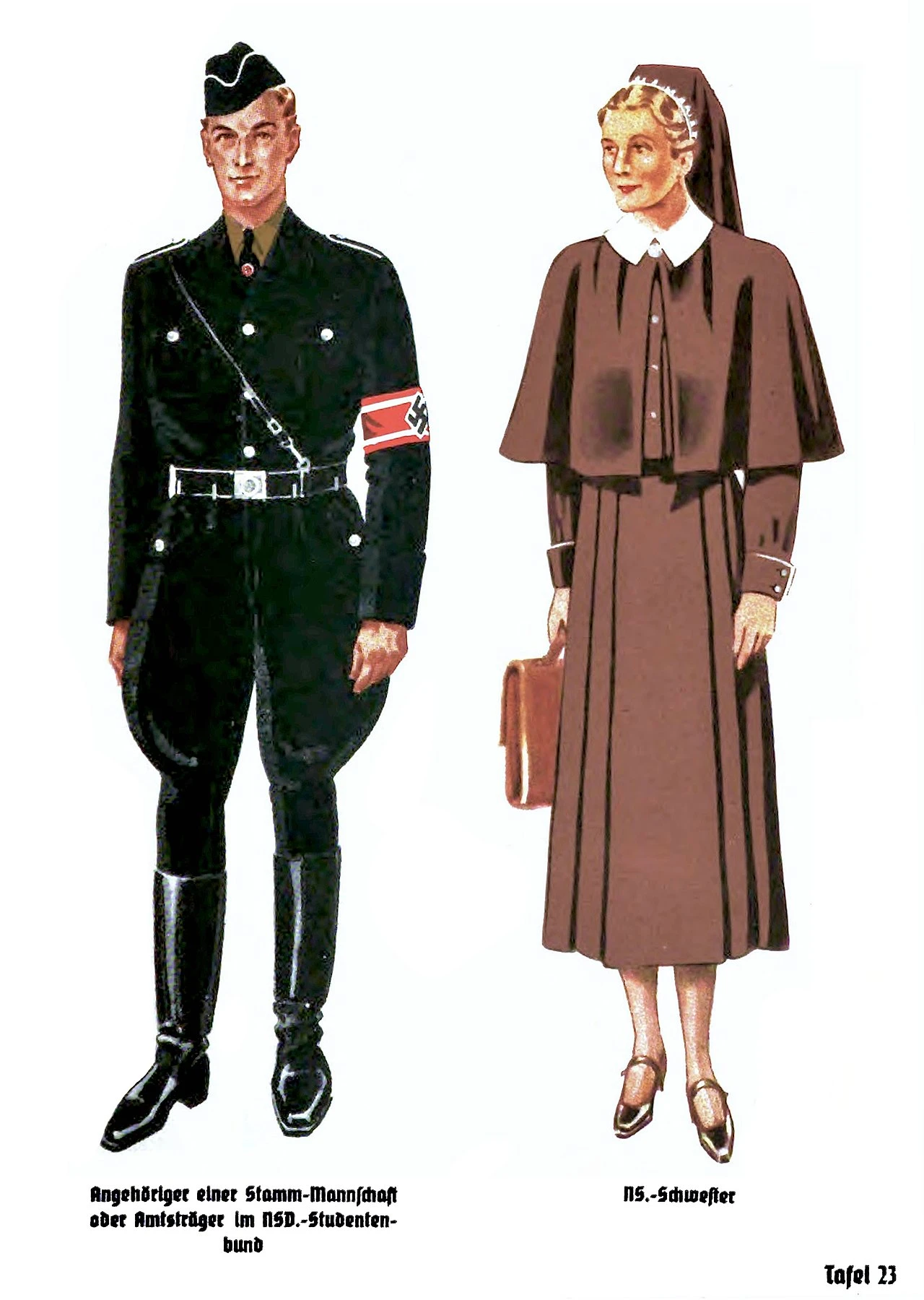
The German Student Facing the Nazification of the University (1939)
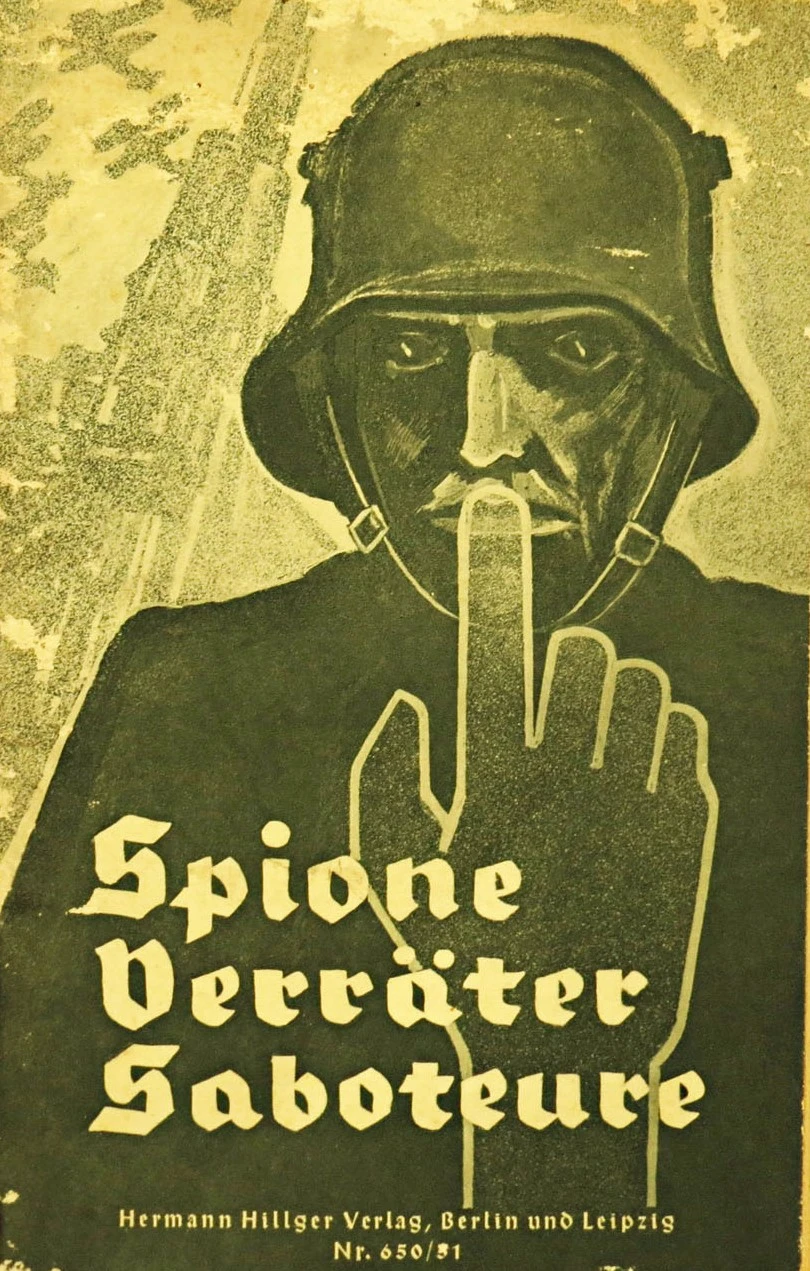
The Karten: Rationing Germany at War
Speer and the Germania trade-off
Join the Party?
Hitler Before His Generals
The Obersalzberg Speech
The Prophecy Speech
Hitler — the Reichstag Speech
Hitler Postpones Fall Weiss
The Youth of the Reich
The German Student Facing the Nazification of the University (1939)
The Karten: Rationing Germany at War