
Warsaw Under Siege: Feeding the City or the Front
On 8 September 1939, the German vanguard reaches Warsaw. The siege begins. Mayor , appointed civil commissioner of the capital by General Czuma, refuses to leave the city: he recalls the administration to its posts, raises a Civic Guard to replace the police who have left, and issues daily radio appeals to throw up barricades.
By mid-September, the encirclement tightens, water and electricity falter, and the bombardments destroy warehouses and pipelines. Refugees from other regions of Poland pour into a city already overcrowded. Food stocks dwindle, and it becomes impossible to feed everyone equally.
From city hall, Starzyński must direct the municipal effort. Should priority go to the most fragile civilians — children, the sick, the elderly — to the wounded soldiers in the hospitals, or to the fighters still holding the outskirts? Every ration granted to one is taken from another, and the city knows that surrender is now only a matter of days.
Should provisions be reserved for the most vulnerable civilians, for wounded soldiers, or for the fighters holding the line?
Starzyński's administration directs the effort toward the survival of the civilian population: the city hall takes charge of the distribution of water, food and relief, shelters nearly all of the refugees and those left homeless by the bombing, and makes provisioning the inhabitants a priority of civil defense. The mayor's daily radio appeals, blending material relief with moral support, became a symbol of the city's resistance. Warsaw capitulates on 28 September 1939 after roughly three weeks of siege; civilian and military losses number in the tens of thousands, and shortages are extreme. Starzyński refuses to flee, remains at his post under the occupation, is arrested by the Gestapo in October and then executed in December 1939. Famine and privation would worsen under the German occupation, which would create the Warsaw Ghetto in 1940.
Learn more about this event
Related polls
10
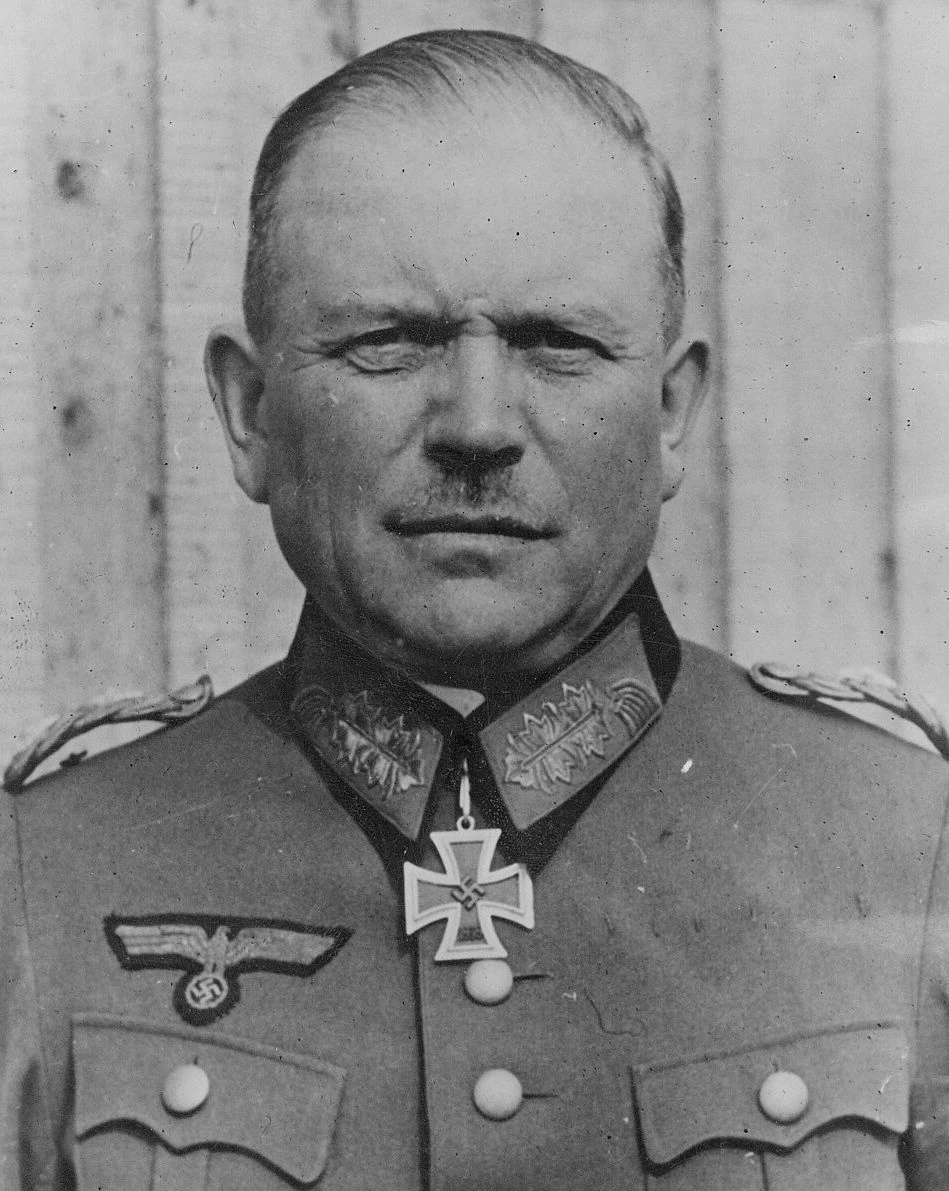
Brześć — Plisowski faces Guderian
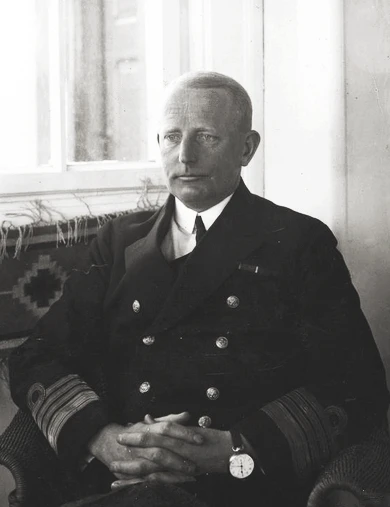
Hel — Unrug faces the German envoy
Kock — Kleeberg on the morning of 6 October
Maczek — the Black Brigade at Tatarska Przełęcz
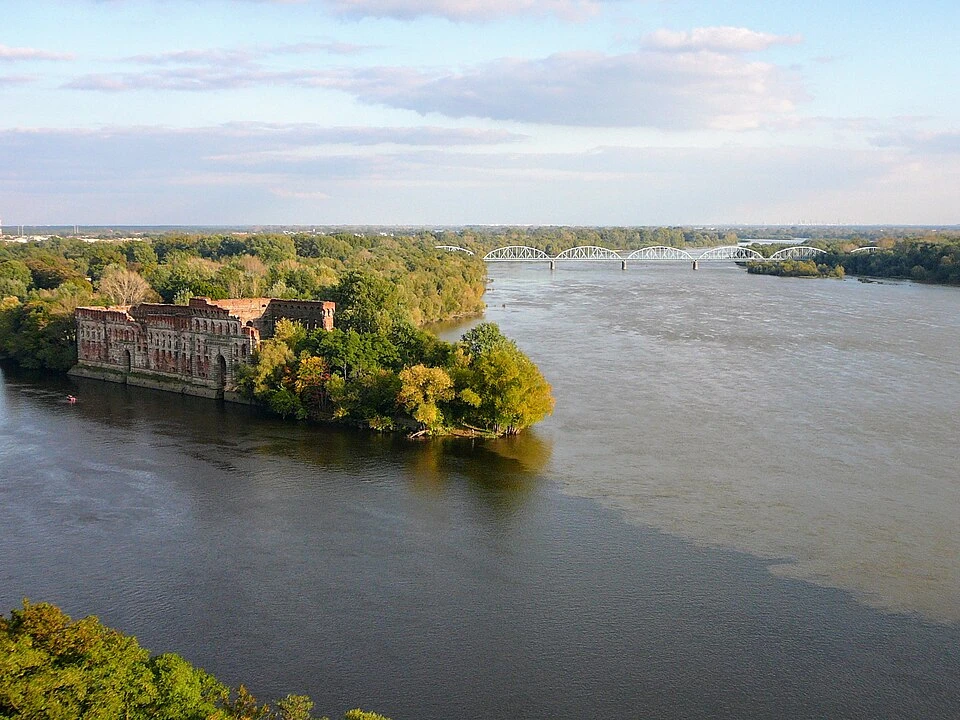
Modlin — Thommée at the last fortress
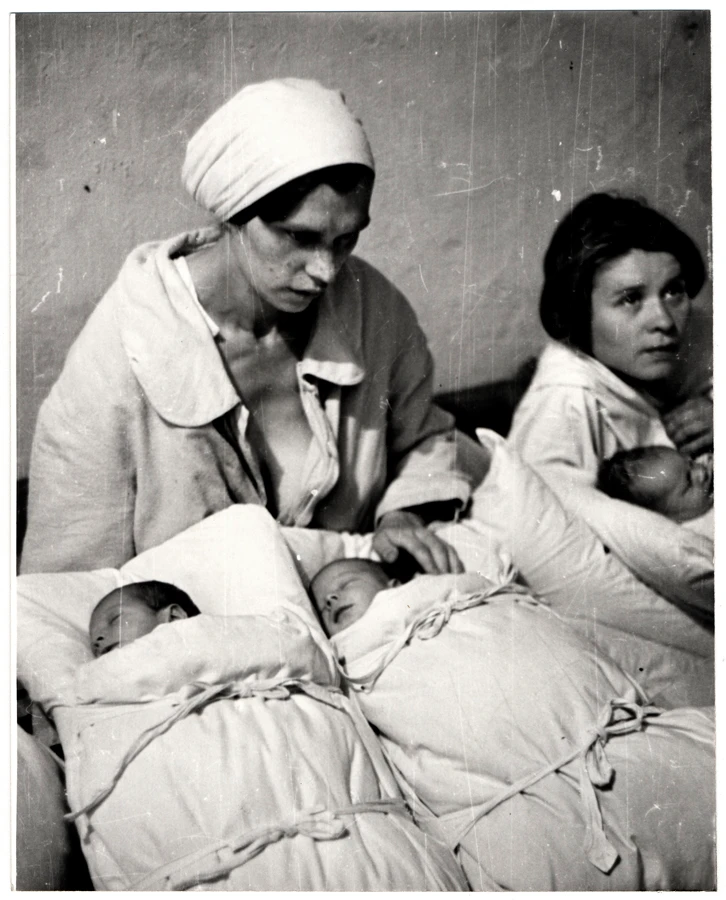
Warsaw Under Siege — Operating Without Morphine
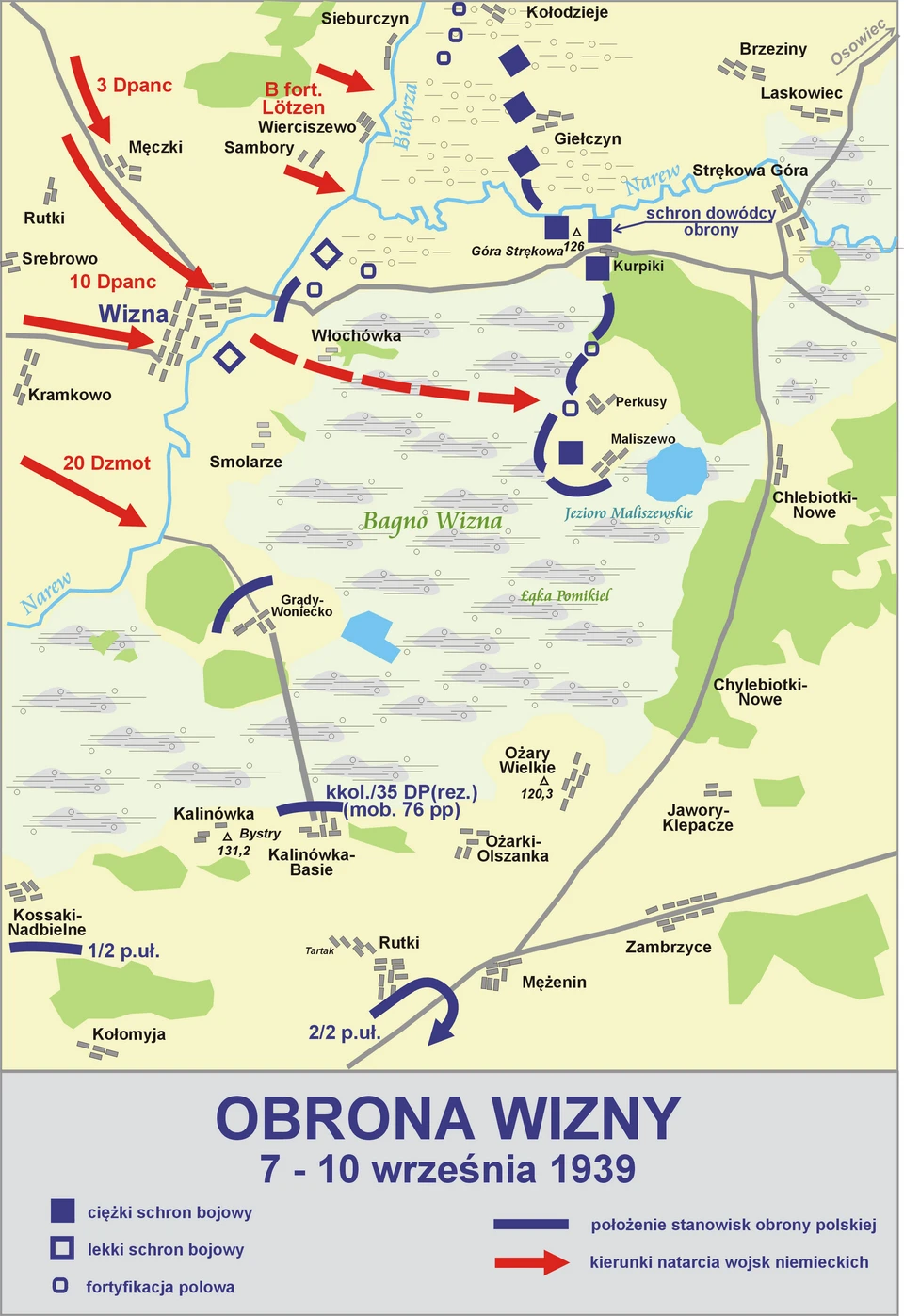
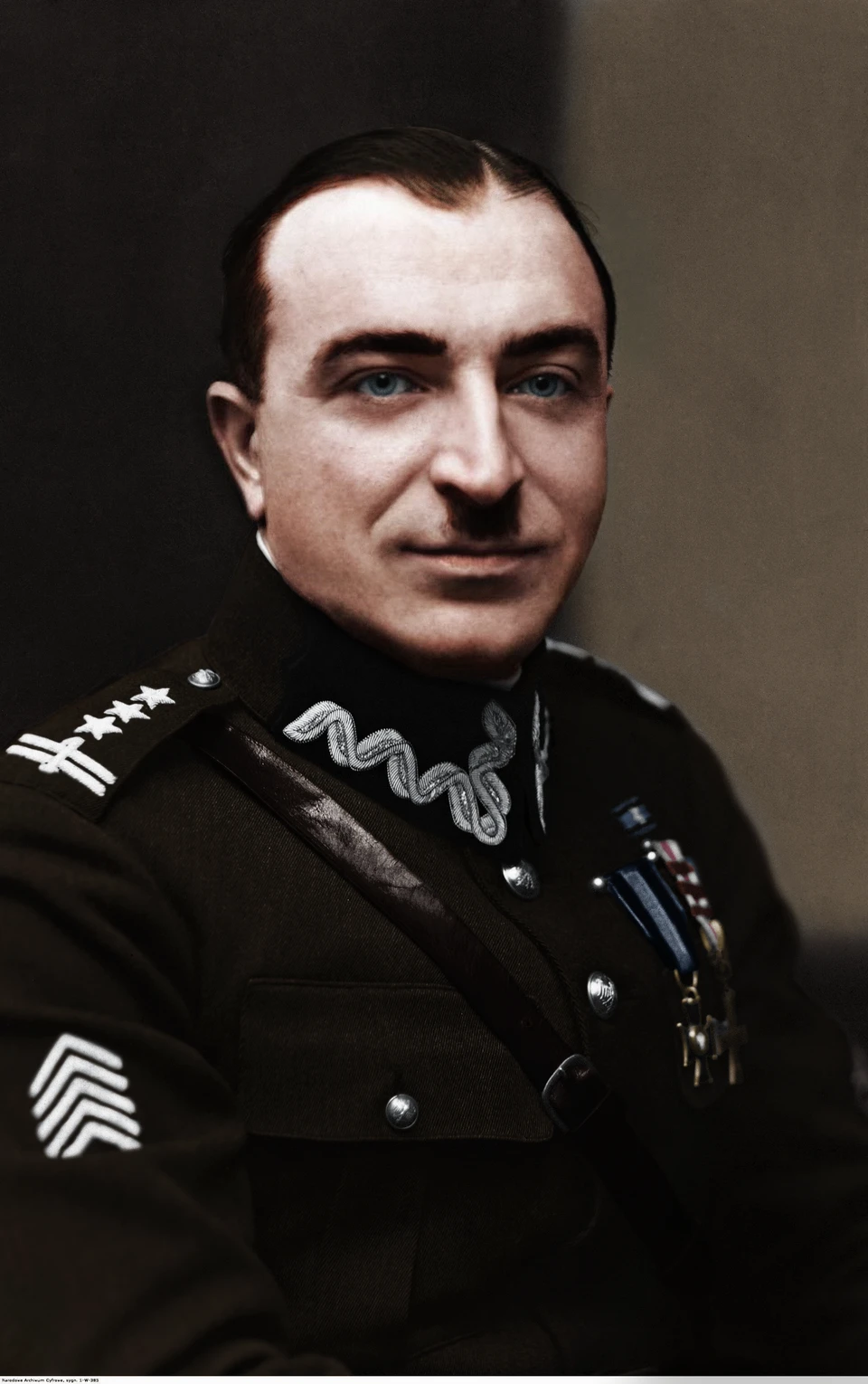
Wizna — Raginis in the Górka bunker
Wytyczno — Orlik-Rückemann after Szack
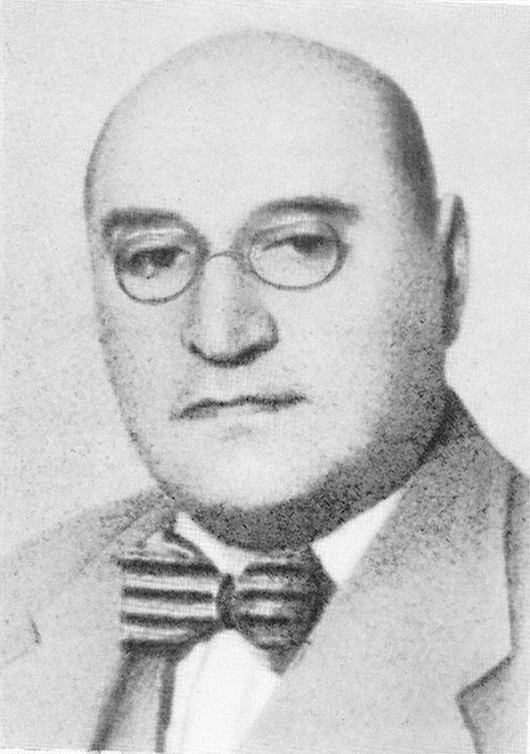
Czerniaków — the offer of the Judenrat
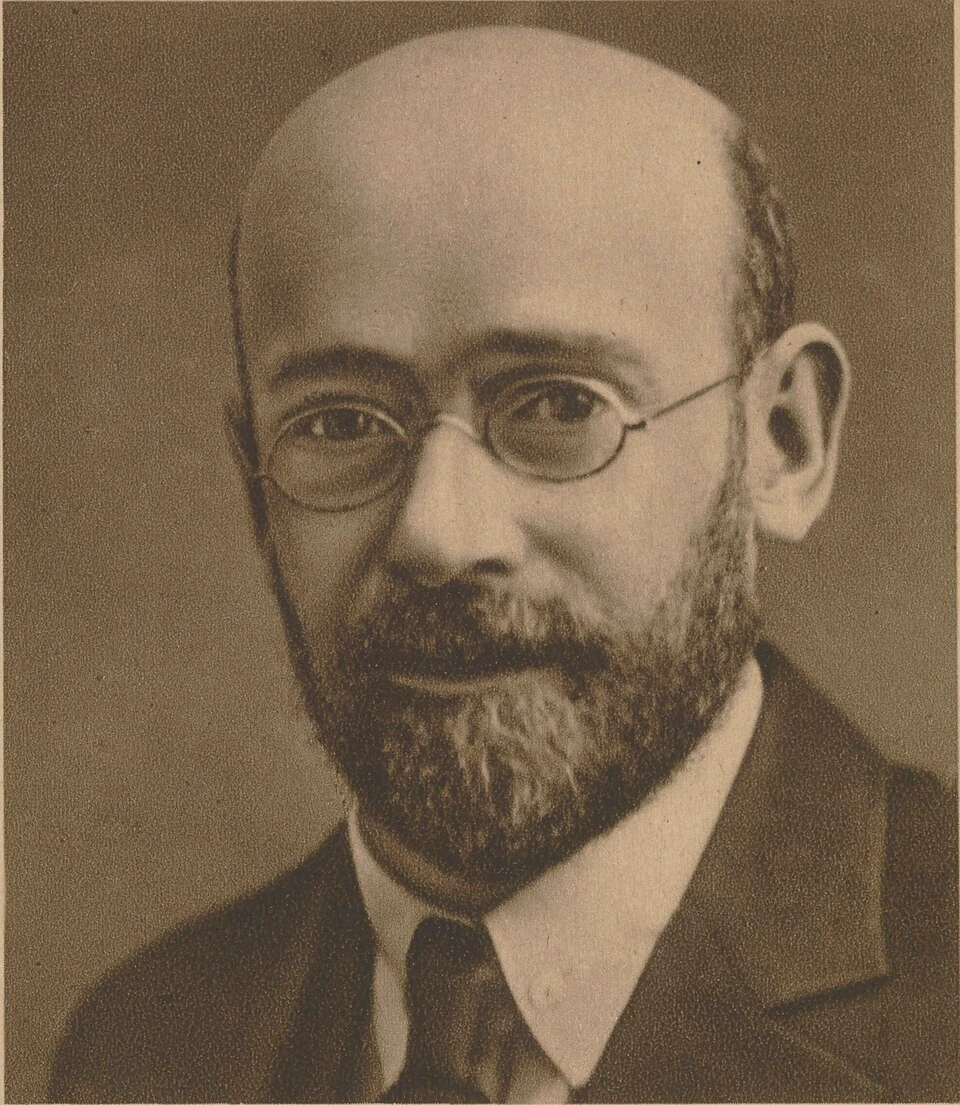
Korczak — facing the siege of Warsaw
Brześć — Plisowski faces Guderian
Hel — Unrug faces the German envoy
Kock — Kleeberg on the morning of 6 October
Maczek — the Black Brigade at Tatarska Przełęcz
Modlin — Thommée at the last fortress
Warsaw Under Siege — Operating Without Morphine
Wizna — Raginis in the Górka bunker
Wytyczno — Orlik-Rückemann after Szack
Czerniaków — the offer of the Judenrat